Ever cracked open a “expired” egg expecting disaster—only to find it perfect? Your fridge holds a shocking secret: simple water tricks and sniffs reveal if eggs are safe weeks past dates. Don’t toss billions in waste! Discover 5 suspenseful home tests US kitchens swear by that could save your breakfast—and your health.
Eggs are one of the most versatile ingredients in American kitchens. From your morning omelet to your favorite holiday cookie recipe, they bring richness, texture, and flavor to countless dishes. But what happens when you open your refrigerator, grab that carton, and realize the “sell by” date has come and gone? Do you toss them immediately—or could they still be safe to eat?
In the U.S., food waste is a major concern. According to the USDA, the average American family throws away nearly $1,500 worth of food each year, often because of confusion over expiration labels. And eggs are among the top culprits. The good news? You don’t need to rely solely on the printed date. With a few simple home tests and a basic understanding of how eggs age, you can tell with confidence whether your eggs are still fresh—or ready for the compost bin.
This guide combines food safety expertise, at-home testing techniques, and insights from actual consumer experiences to help you make an informed decision. Because when it comes to eggs, the old saying holds true: When in doubt, check it out.
Why Egg Freshness Matters
Freshness affects more than flavor—it’s also about safety. Eggs can naturally contain Salmonella bacteria, which can multiply if the egg is mishandled or stored improperly. The Centers for Disease Control and Prevention (CDC) estimates that about 1 in every 20,000 eggs might be contaminated. That risk is small, but the consequences of foodborne illness are serious.
Even if bacteria aren’t an issue, older eggs can dry out inside the shell, affecting taste and texture. If you’re baking or making delicate dishes (like custards, soufflés, or meringues), the freshness of your eggs can make or break the recipe.
So before cracking that egg into your pan, it’s worth knowing exactly how to test it.
Understanding Egg Labels in the U.S.
Before you even get to at-home tests, it helps to decode what those printed dates actually mean. The U.S. allows several types of labeling for eggs, including “Sell By,” “Best Before,” or “Use By” dates. Here’s what they mean:
- Sell By Date: For grocery stores, not consumers. This tells retailers how long the eggs can be displayed for sale (typically up to 30 days after packing).
- Best Before/Best If Used By: Indicates peak quality, not safety. Eggs often stay good for several weeks beyond this date if refrigerated properly.
- Expiration Date: Meant for consumer use, though it’s more rigid than necessary. If your eggs are 1–2 weeks past this date, they may still be fine depending on how they were stored.
Egg cartons in the U.S. also have a three-digit Julian date (1–365), representing the day of the year the eggs were packed. For instance, “032” means February 1, while “365” means December 31. Eggs are typically safe to eat for 3–5 weeks after this packing date if kept refrigerated at or below 40°F (4°C).
Tip: Always store eggs in their original carton. The cardboard helps block moisture loss and prevents the eggs from absorbing strong refrigerator odors.
- The Great American “Lock In”: Why the 2025 Winter Arc is the Only Resolution That Actually Works (If You Don’t Make This Fatal Mistake)

- 3 Midlife Habits Linked to Almost 13 More Dementia-Free Years, According to a 26-Year Study of 12,409 Adults

- 37% of Women Over 65 Are Losing Hair — But the Real Shocker Is How Many Younger Women Are Now Using These FDA-Approved At-Home Treatments to Stop It Early

- 40% of US Adults at Risk: Experts Break Down Fatty Liver Surge, Hidden Gut Issues, and Simple Steps to Protect Your Liver Now

- 5 Simple Home Tests to Check If Your Eggs Are Still Safe to Eat Past the Expiration Date
- 5 Subtle Eye Symptoms Warning of Kidney Problems US Adults Should Never Ignore

Basic Egg Anatomy 101
To understand why eggs age the way they do, you need to know what’s inside. When freshly laid, the egg’s internal structure is well-protected:
- Shell: A porous calcium layer that allows air and moisture exchange.
- Inner and Outer Membranes: Layers under the shell that guard against bacteria.
- Air Cell: A pocket of air that forms between the membranes as the egg cools.
- Albumen (White): Mostly protein and water. Over time, it becomes thinner and more watery.
- Yolk: High in fats and nutrients; it gradually absorbs water from the white and becomes flatter.
As an egg ages, the air cell expands because moisture and carbon dioxide escape through the shell. This simple process forms the basis of the most famous freshness check: the float test.
1. The Float Test: The Internet’s Favorite Egg Hack
If you’ve seen viral TikTok videos of eggs floating in bowls of water, you’re not alone. The float test has become one of the most popular ways to check egg freshness at home—and the science behind it is solid.
How to Perform the Float Test:
- Fill a glass bowl or cup with cold water (about four inches deep).
- Gently place the egg in the water.
- Observe its behavior.
Results:
- Sinks and lays flat on the bottom: Very fresh—excellent for any recipe.
- Sinks but stands upright: Slightly older but still good to eat. Perfect for hard-boiled eggs.
- Floats to the top: The egg is old. It might not be safe to eat.
Why it works:
As eggs age, air seeps in and moisture escapes through the shell’s pores. This enlarges the air cell, making the egg more buoyant. A floating egg indicates significant air accumulation, which usually means it’s past its prime.
Note of Caution:
While the float test is a handy indicator, it’s not 100% definitive. An egg may float due to rough handling or minor cracks that let air in, even if it’s not spoiled. Always follow up with additional checks.
2. The Sniff Test: Trust Your Nose
The simplest—and most reliable—test is often ignored: smell.
How to do it:
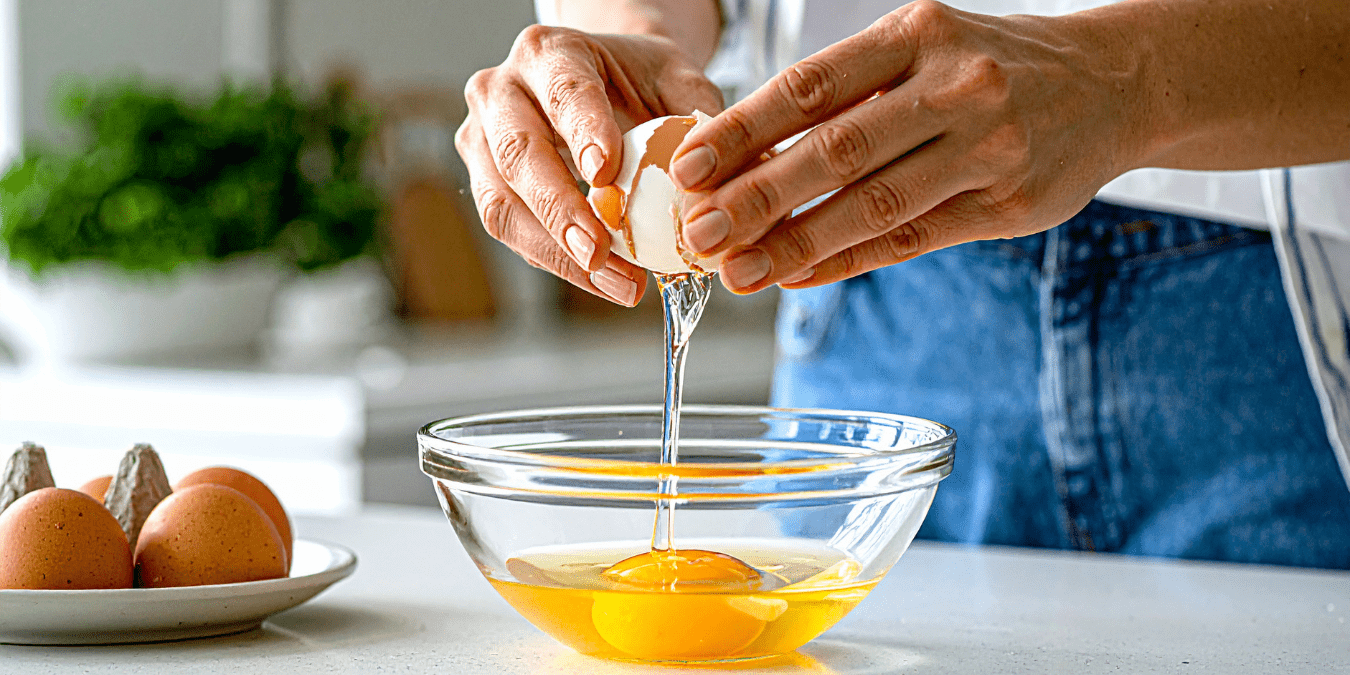
- Crack the egg into a clean bowl.
- Give it a good sniff up close.
If it smells like sulfur, rot, or anything noticeably off, it’s bad. No exceptions.
A fresh egg should have almost no scent, maybe a slight, neutral aroma. Once you’ve smelled a spoiled egg, you’ll recognize that odor forever—it’s that distinctive.
If you’re unsure after the float test, the sniff test is your tie-breaker.
3. The Visual Inspection: What to See Before You Cook
Visual clues can also reveal a lot about an egg’s quality. Here’s what to look for both before and after cracking.
Before cracking:
- Check the shell for cracks, slime, or powdery residue.
- Sliminess may indicate bacterial growth.
- Powder or chalk-like dust could mean mold.
- Discard any eggs with leaking or stuck-on residue—they’re likely contaminated.
After cracking:
- Examine the white and yolk.
- A fresh egg has a tall, rounded yolk and a firm white that doesn’t spread much.
- An older but edible egg will have a runny white and a flatter yolk.
- A spoiled egg may show discoloration (pink, green, or iridescent hues) due to bacteria or mold growth.
Food safety tip:
Always wash your hands, utensils, and surfaces after handling raw eggs. Cross-contamination is a major cause of foodborne illness in home kitchens.
4. The Shake Test: Hearing the Clues
If you prefer a zero-mess method, the shake test is another option.
How to perform it:
- Hold the egg up to your ear.
- Gently shake it.
If you hear sloshing or a distinct movement inside, your egg is old. Fresh eggs are more compact and don’t move much because the air cell is small and the whites are firm. While not the most scientific test, it’s a quick preliminary check when you’re short on time.
5. Candle Method: Borrowed from Farmers
Before refrigeration and modern labeling, farmers used “candling” to check egg freshness and development. It’s still used commercially today to grade eggs.
How it works:
- Take a bright flashlight or small LED light.
- In a dark room, shine it through the egg’s wider end.
- Look for the size of the air cell and any unusual spots or movement.
A small air pocket means it’s fresh. A large one means it’s older. If you see dark mold-like spots or cloudy patterns, discard it.
While candling takes some practice, it’s a fascinating window into egg aging—and it’s completely safe to do at home.
The Science of Egg Storage
Eggs can remain edible for several weeks—sometimes months—if stored correctly, thanks to their natural protective structure. Temperature and humidity control moisture loss and bacterial growth, which are the primary factors in egg deterioration.
In the U.S., refrigeration is essential for store-bought eggs. Unlike eggs in many European countries, where a natural “bloom” or cuticle coating remains intact to block bacteria, American eggs undergo mandatory washing and sanitizing. This process removes the bloom, making the porous shell more vulnerable to contamination if left at room temperature.
USDA and FDA Guidelines for Optimal Storage:
- Keep eggs at 40°F (4°C) or below—use a refrigerator thermometer to verify, as consistent cold slows bacterial multiplication.
- Place them on an inside shelf, not the door, where temperature swings from frequent openings can promote spoilage.
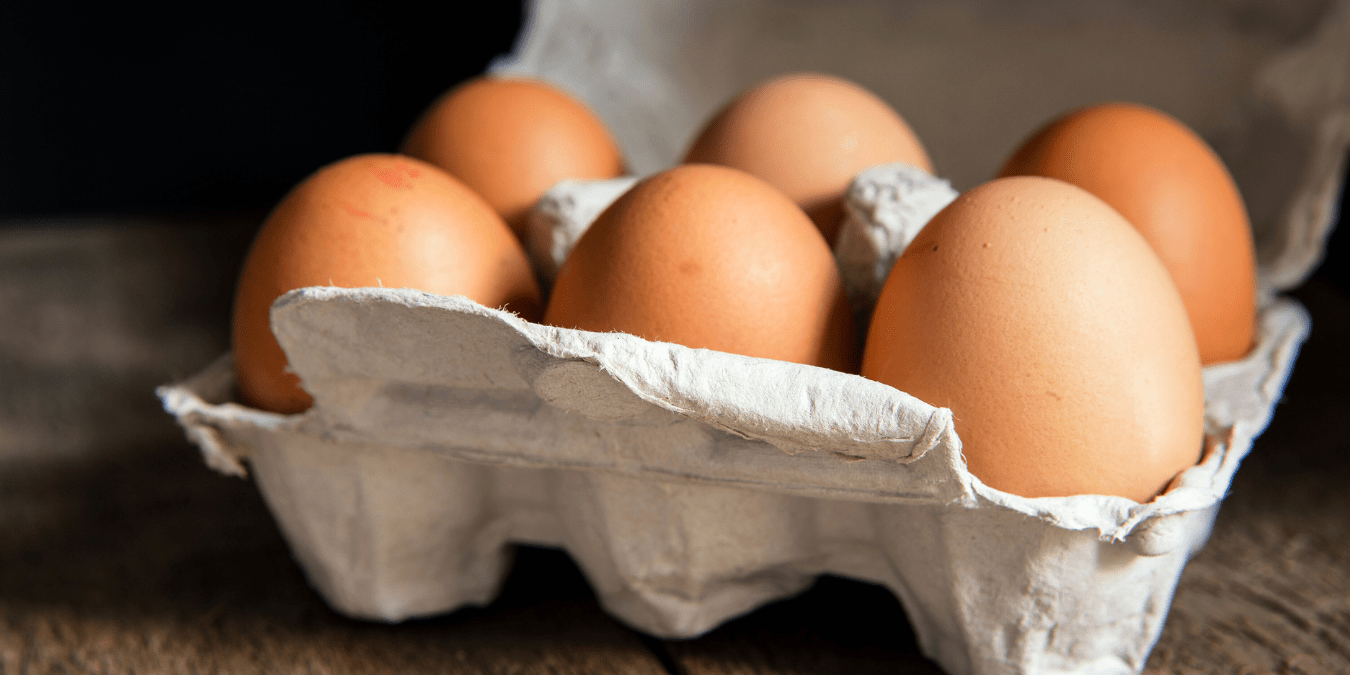
- Store in the original carton, large end up, to shield against odor absorption from other foods and minimize moisture evaporation through the shell.
- Never wash eggs before storing—added moisture can carry bacteria through the shell’s 10,000+ microscopic pores.
With proper refrigeration starting at the packing plant, eggs maintain safety and quality for 3–5 weeks beyond the “sell by” date, often longer without significant loss. This aligns with Julian date tracking (day of the year packed) and federal standards requiring post-wash cooling to 45°F within 36 hours of laying.
When Eggs Go Bad: Microbial Risks
Understanding the microbiology behind spoiled eggs underscores the importance of home freshness tests. Bacteria and other microbes exploit the egg’s porous shell and nutrient-rich interior, leading to spoilage and potential illness if consumed.
Primary Pathogens and Spoilage Agents:
- Salmonella enterica: The most notorious culprit, often present inside or on the shell from hen ovaries. It triggers salmonellosis—a severe gastrointestinal illness with symptoms like nausea, abdominal cramps, diarrhea, and fever lasting 4–7 days. Vulnerable groups (young children, elderly, immunocompromised) face higher hospitalization risks.
- Pseudomonas bacteria: Thrives in moist conditions, producing foul odors and colored spots (blue, green, or black rots) within the egg white or yolk. These are telltale signs of advanced spoilage.
- Mold growth: Less common but possible under poor storage; it creates fuzzy patches or iridescent discoloration, often from fungi like Penicillium entering via shell cracks.
Even if an older egg appears normal, bacteria can silently multiply to unsafe levels (over 10^6 CFU/g) over time, especially above 40°F. Cooking eliminates most live bacteria, but heat-stable toxins they produce beforehand may remain, causing illness regardless. That’s why pre-cooking tests like sniffing and visual checks are critical before using questionable eggs in scrambles, baking, or any dish.
The Role of Pasteurized Eggs
Pasteurized eggs offer a smart safety net when freshness is uncertain, especially for recipes involving raw or lightly cooked eggs like Caesar dressing, homemade mayonnaise, or tiramisu.
These eggs undergo a gentle heating process—typically to 140°F (60°C) for several minutes—that eliminates harmful pathogens like Salmonella without cooking the egg or altering its texture and flavor. They’re widely available in the refrigerated section of most U.S. grocery stores, clearly labeled on the carton, often in liquid whole egg, whites, or yolks formats.
Pasteurized eggs are particularly recommended for vulnerable groups:
- Pregnant individuals
- Children under 5
- Older adults
- Anyone with a weakened immune system
Even for everyday cooking like sunny-side-up eggs or baking, stocking pasteurized eggs provides peace of mind and versatility in the kitchen.
How to Use Older But Safe Eggs
Just because an egg passes your freshness tests but shows signs of age—like standing upright in water or a slightly runny white—doesn’t mean it’s destined for the trash. These eggs remain nutritious and safe if they’ve cleared the sniff and visual checks, and they can even enhance certain dishes.
Best Uses for Older (But Safe) Eggs:
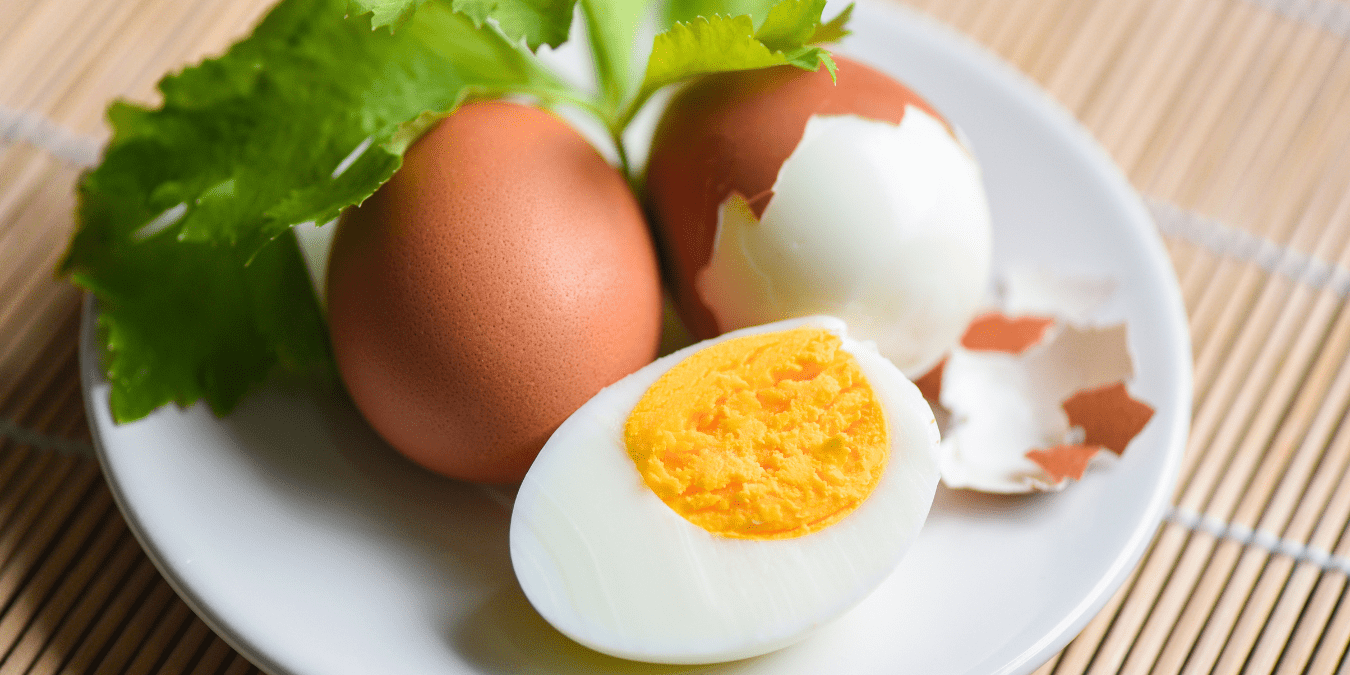
- Hard-boiled eggs: Older eggs peel effortlessly after cooking because the expanded air cell loosens the membrane from the shell, saving you frustration in the kitchen.
- Baking: Thinner whites from aged eggs whip into higher volumes for meringues, angel food cakes, and sponges, creating lighter, airier results.
- Scrambles or omelets: Their milder flavor and looser texture blend seamlessly into cooked dishes, as long as they pass float and sniff tests.
Avoid them in freshness-dependent recipes like poached eggs or soft-boiled, where a firm white is key to holding shape. By matching egg age to the method, you maximize quality while minimizing waste.
My Experience Testing “Expired” Eggs
A few years back, my neighbor stopped by with a carton of backyard chicken eggs—no labels, no dates, just fresh-from-the-coop goodness. Curious and a bit skeptical, I ran the full battery of home tests: the float check in a bowl of water, the sniff after cracking a few open, even the shake test and a quick candle with my phone’s flashlight.
I was genuinely surprised—most eggs sank flat or stood upright (still safe territory), smelled neutral, and looked perfectly fine inside, even after sitting around for about a month under decent storage conditions.
That hands-on experiment drove home a key lesson: dates on a carton aren’t destiny. Proper storage and gentle handling trump printed expiration every time. Eggs are engineered by nature with protective membranes and shells that buy them time—master those telltale signals, and you’ll make smarter, waste-reducing choices in your own kitchen.
Reducing Egg Waste the Smart Way
Every year, Americans discard billions of eggs largely due to date label confusion, contributing to the $1,500 average annual food waste per family. Smart storage, freshness awareness, and routine testing can slash this dramatically while keeping your kitchen safe.
Practical Steps to Minimize Waste:
- Mark your carton with the purchase date using a Sharpie for easy tracking.
- Store properly—cold at 40°F or below, sealed in the original carton, untouched until use.
- Rotate stock: Newest cartons go to the back; pull oldest first, like at the grocery store.
- Freeze extras: Crack and whisk lightly, then portion into ice cube trays or airtight containers; they keep up to a year. Thaw overnight in the fridge for baking or cooking.
- Educate household members: Teach kids these safety basics as they learn to cook, fostering lifelong habits.
Cutting egg waste saves money, shrinks your environmental footprint by reducing landfill methane, and eases strain on the food supply chain.
When in Doubt, Throw It Out
Food safety experts from the USDA and FDA stress one unbreakable rule: If you’re uncertain about an egg’s safety, don’t risk it. Reducing waste feels good, but foodborne illness like salmonellosis can lead to severe symptoms—vomiting, fever, dehydration—that sideline you for days and require medical attention.
When an egg looks off (discolored spots), smells rotten (sulfur whiff), or acts suspiciously (floats high or sloshes loudly), discard it immediately. Composting is ideal if available, returning those nutrients to the soil rather than landfills.
Prioritizing caution over convenience protects your health and your family’s—better a wasted egg than a wasted weekend recovering from illness.
Common Myths About Old Eggs
Myth 1: “If an egg floats, it’s unsafe.”
Truth: Usually, yes—but not always. Some eggs float simply because they’re dry or have microscopic shell cracks. Always confirm with the smell and visual test.
Myth 2: “Washing eggs makes them cleaner and safer.”
Truth: Not for store-bought eggs in the U.S. Washing removes the protective coating, making them more vulnerable to contamination if not immediately refrigerated.
Myth 3: “Raw eggs that look fine are always safe.”
Truth: Not necessarily. Salmonella can be present even in eggs that look and smell normal. Always cook eggs thoroughly unless they’re pasteurized.
Myth 4: “Brown eggs are fresher than white eggs.”
Truth: Shell color has zero effect on freshness or quality. It only reflects the breed of the hen.
Final Thoughts
Eggs are powerhouse foods—packed with high-quality protein (6 grams per large egg), essential vitamins like B12, D, and choline, plus minerals like selenium, all for about 20 cents apiece. They’re economical staples in American kitchens, fueling everything from breakfast scrambles to holiday baking. But their nutrient-rich interior and porous shells demand respect to avoid risks like Salmonella.
Mastering simple home tests—the float in water, sniff for off odors, visual check for firm whites and yolks—saves money by cutting waste (up to $1,500 yearly per family on discarded food) and builds real kitchen confidence. You’re not guessing; you’re decoding nature’s signals with science-backed methods.
Next time that “expired” carton stares back, skip the panic. Fill a bowl with cold water, crack one open, trust your senses and observations. Those eggs might still be perfectly safe, whisking up breakfast like champions—proving you’re cooking smarter and shopping wiser every day.

Omisha is a health writer passionate about turning complex medical research into clear, actionable content readers can trust. She covers everything from nutrition and mental wellness to chronic disease management, always grounding her work in credible science and real-world relevance. When she's not writing, she's usually reading up on the latest health studies or exploring new wellness trends to write about next.