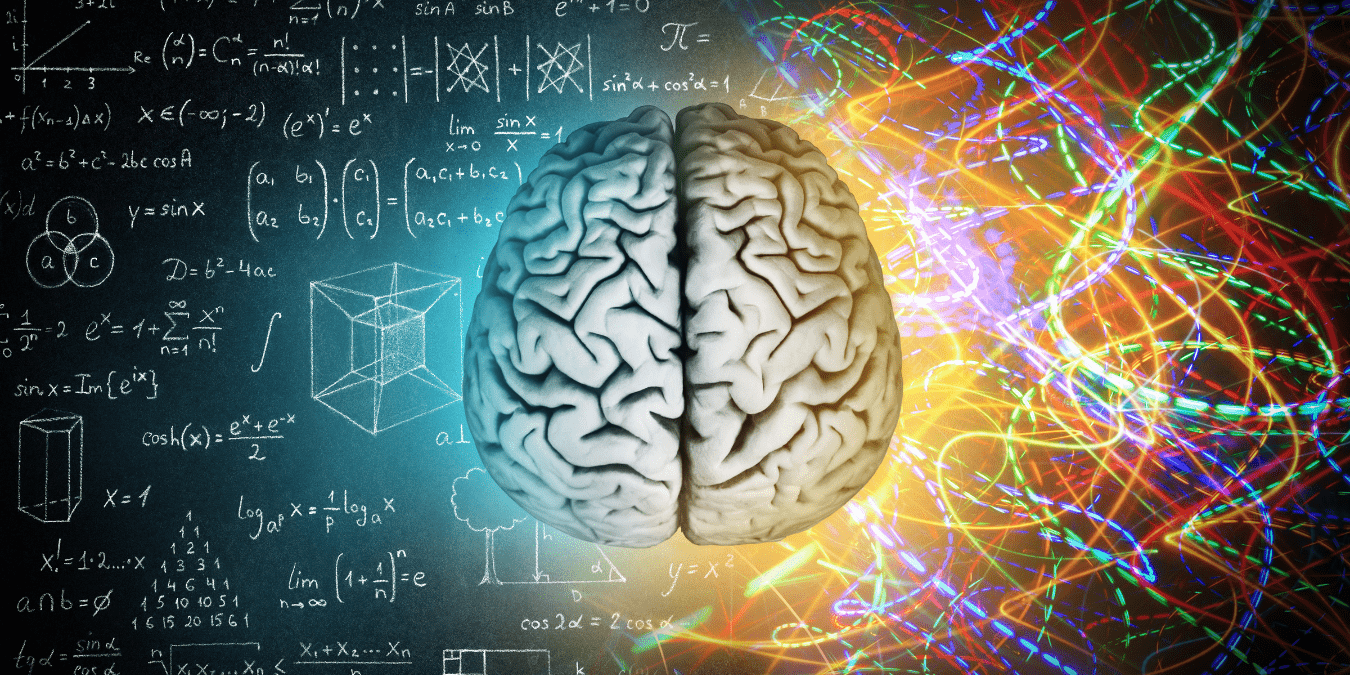
You walk into a room and forget why you went there. A name you have known for decades suddenly slips out of reach. You replay a conversation and realize you missed details that used to come easily. Most Americans chalk these moments up to stress, distraction, or just “getting older.” But a landmark study published in Nature Aging by researchers at the University of California, San Francisco (UCSF) suggests something far more precise is happening — and for the first time, science has a name for it.
That name is FTL1.
This single protein, quietly accumulating in your brain’s memory center as you age, may be one of the primary molecular engines driving cognitive decline. More importantly, when scientists figured out how to block it, aging brains didn’t just stop deteriorating — they actually recovered. That distinction is not a minor one. It changes everything we thought we knew about the ceiling of brain aging research.
What Is the Hippocampus — and Why Does It Take the Hardest Hit?
Before we talk about FTL1, it helps to understand the battlefield. The hippocampus is a small, seahorse-shaped structure nestled deep in the brain, and it serves as the command center for learning and memory. Every time you form a new memory, recall a fact, or navigate your way through a familiar city, your hippocampus is at the center of that activity.
As we age, the hippocampus shrinks. Its neurons lose their intricate branching connections — called neurites — and the metabolic machinery powering those neurons begins to slow down. This is not random deterioration. According to the UCSF research team, it is orchestrated, at least in significant part, by one specific protein that accumulates in neurons as the brain ages.
The hippocampus is also disproportionately vulnerable compared to other brain regions. Age-related hippocampal shrinkage is directly associated with memory loss, and in more severe cases, it precedes the cognitive devastation of Alzheimer’s disease. Understanding exactly what drives this regional decline has been one of the most urgent goals in neuroscience for decades.
The Discovery: One Protein That Changed Everything
The UCSF research team, led by Dr. Saul Villeda, PhD — Associate Director of the UCSF Bakar Aging Research Institute and Endowed Professor of Biomedical Sciences — set out to map exactly how the hippocampus changes at the molecular level over time. They conducted a comprehensive analysis of all genes and proteins in the hippocampus of both young and old mice, searching for the molecular differences that separate a sharp, young brain from a failing, aged one.
Out of thousands of proteins they examined, only one showed a consistent, significant difference between young and old animals: FTL1, formally known as Ferritin Light Chain 1. This iron-associated protein was elevated in aging neurons, and its presence correlated precisely with the two hallmarks of brain aging — fewer synaptic connections between neurons and measurably worse performance on memory tests.
This was not a correlation that could be dismissed. When the team artificially raised FTL1 levels in young, healthy mice, those animals’ brains began to behave like old brains. Their neurons developed stunted, single-armed projections instead of the complex, multi-branching neurites seen in young, healthy neurons. Their cognition deteriorated. Young mice, flooded with FTL1, started failing memory tests they had previously passed with ease.
The molecular science here is important. FTL1 is part of the ferritin protein family, which is involved in iron storage within cells. In the aging brain, dysregulation of iron metabolism is increasingly linked to neuronal stress and damage. FTL1’s accumulation in hippocampal neurons appears to compromise the metabolic efficiency of those cells, starving the very processes that maintain healthy, branching connections.
- Your Smartwatch Already Knows Something Is Wrong — Why AI-Powered Wearables in 2026 Are Catching Diseases Before Your Doctor Even Schedules Your Appointment

- Your Light Bulb Could Be Making Your Anxiety Worse — or Better: Here’s the Science Behind Colour Therapy

- Your Gut Health Obsession Just Got Scientific Backup — Here’s What Doctors Actually Say Works in 2026

- Your Child’s School Could Be Ground Zero: The Hidden Measles Outbreaks Spreading Across 33 States That Most American Parents Have No Idea About

- Your Blood Pressure Reading Has a “Hidden Number” Doctors Say Most People Ignore
- Your Blood Pressure Is Perfect — But These 7 Silent Clues in Your Blood Work Say Your Arteries May Already Be Clogging

Reversing the Clock: What Happened When FTL1 Was Blocked
Here is where the story shifts from alarming to genuinely extraordinary.
When the UCSF team reduced FTL1 levels in the hippocampi of old mice, something no one dared predict happened at scale: the brain began to repair itself. Neuronal connections — synapses that had withered over years of aging — started to rebuild. The mice performed significantly better on memory tests. Their cognitive profiles began to resemble those of younger animals.
“It is truly a reversal of impairments,” said Dr. Villeda. “It’s much more than merely delaying or preventing symptoms.”
That quote deserves to sit with you for a moment. In the history of aging research, the dominant scientific narrative has been about delay — slow the damage, reduce the risk, push symptoms further into the future. What Villeda’s team demonstrated is categorically different: the damage already done was partially undone. Connections that had degraded were rebuilt. Memory that had declined was restored.
The team also discovered that FTL1 impaired cellular metabolism in hippocampal neurons — essentially throttling the energy supply of brain cells. However, when old neurons were treated with a compound that stimulates metabolic activity, the damaging effects of FTL1 were blocked. This opens a second avenue for intervention: rather than only targeting FTL1 directly, scientists may also be able to counteract its effects by restoring metabolic health to neurons.
The study was published in Nature Aging on August 19, 2025, and was funded by the National Institutes of Health, the Simons Foundation, the Bakar Family Foundation, the National Science Foundation, and several other leading research organizations. The breadth and caliber of that funding underscores the scientific community’s confidence in this line of research.
Why This Matters More Than Ever for Americans
The United States is facing a quiet cognitive health crisis that often doesn’t make front-page news but is playing out in households across every state. A Yale University study published in late 2025 tracked U.S. adults over a ten-year period and found that rates of self-reported cognitive disability increased from 5.3% in 2013 to 7.4% in 2023. That may sound modest until you realize it represents millions of additional Americans struggling with memory, concentration, and decision-making in their daily lives.
More jarring still: cognitive disability rates nearly doubled among adults ages 18 to 39 — the youngest adult cohort. Cognitive decline is no longer purely a disease of old age. It is accelerating, it is spreading across age groups, and for too long, medicine has lacked precise molecular targets to address it.
The FTL1 discovery by UCSF lands in this exact gap. For the first time, researchers have not just described what brain aging looks like — they have identified a specific molecular lever that controls it. That moves the field from observation to intervention in a way that has profound implications for the tens of millions of Americans who will develop some form of cognitive decline in their lifetimes.
The Science Explained: Iron, Neurons, and Metabolic Collapse
Understanding why FTL1 is so damaging requires a brief look at iron’s role in the aging brain. Iron is essential for brain function — it supports energy production, neurotransmitter synthesis, and myelin formation. But as the brain ages, iron regulation becomes dysregulated. Iron begins to accumulate in regions like the hippocampus, and this excess iron triggers oxidative stress, inflammation, and cellular damage.
FTL1, as a ferritin protein, is directly involved in how neurons handle iron. When neurons are forced to produce excessive FTL1 in laboratory conditions, their structural development is compromised from the ground up — they grow simple, stunted projections rather than the elaborate branching architectures that allow neurons to communicate richly and efficiently.
Think of healthy neurons as sprawling oak trees — wide, deeply branched, connected to everything around them. FTL1 overload turns them into saplings with a single trunk and no branches. A brain full of such neurons cannot maintain memory. It cannot sustain attention. And over time, it cannot protect itself from further deterioration.
The metabolic angle adds another dimension. Dr. Villeda’s team found that FTL1 slows down the metabolic activity inside hippocampal neurons — essentially reducing the energy output of the very cells responsible for memory formation. When that metabolic suppression was counteracted using a compound that boosts cellular energy production, the negative effects of FTL1 were blunted. This finding suggests that metabolic interventions — some of which already exist in pharmacological and lifestyle forms — could be part of a future treatment protocol.
What Could a Treatment Look Like?
Dr. Villeda was direct about where this research points. “We’re seeing more opportunities to alleviate the worst consequences of old age,” he said. “It’s a hopeful time to be working on the biology of aging.”
While human clinical trials targeting FTL1 have not yet been announced, the mechanistic clarity of this research creates a clear therapeutic roadmap. There are several realistic approaches scientists are likely to explore:
Gene Silencing Technologies: Tools like RNA interference (RNAi) or antisense oligonucleotides (ASOs) could be designed to reduce FTL1 expression in neurons. These technologies are already in clinical use for other neurological conditions, suggesting a viable path to translation.
Small Molecule Inhibitors: Pharmaceutical researchers could screen for or design small molecules capable of blocking FTL1’s function in hippocampal cells without disrupting its other roles in the body. The specificity of FTL1’s activity in aging neurons makes this a compelling drug target.
Metabolic Activators: Since the UCSF team found that stimulating neuronal metabolism can counteract FTL1’s effects, compounds that boost mitochondrial function and cellular energy production represent an adjacent therapeutic strategy. Several such compounds — including NAD+ precursors and certain flavonoids — are already under active clinical investigation.
What You Can Do Right Now to Support Brain Metabolic Health
The clinical treatments targeting FTL1 directly are still years from reaching patients. But the underlying science — that neuronal metabolism and neural connectivity are at the core of brain aging — points directly toward lifestyle interventions that already have strong evidence behind them.
Aerobic Exercise remains the single most powerful lifestyle tool for hippocampal health. A landmark study found that regular aerobic exercise can physically grow the hippocampus, reversing age-related volume loss by one to two years. Exercise also promotes the release of BDNF — Brain-Derived Neurotrophic Factor — a protein that actively supports neuron growth and connectivity, essentially the biological opposite of what FTL1 does.
Diet Quality directly shapes the metabolic environment of your neurons. The MIND diet, a hybrid of the Mediterranean and DASH diets, has been associated with up to a 53% reduction in Alzheimer’s risk when followed closely. A 2022 study found that people following a Mediterranean-style diet rich in polyphenols showed measurably slower rates of brain atrophy compared to controls. Foods that support this include leafy greens, fatty fish rich in omega-3s, blueberries, walnuts, and olive oil. People who consumed leafy green vegetables six days per week had brains that appeared approximately 11 years younger than those who did not.
Sleep Architecture is when the brain conducts its most critical maintenance — flushing toxic proteins through the glymphatic system, consolidating memories, and restoring synaptic connections. Chronic sleep deprivation impairs exactly the kind of cellular housekeeping that keeps FTL1-style damage in check.
Limiting Excess Iron Intake is an emerging consideration in light of this research. Processed red meat and excess supplemental iron have been associated with increased brain iron accumulation in some studies. Until FTL1-targeted therapies are available, being mindful of dietary iron sources — particularly heme iron from red meat — may be a sensible precaution.
Cognitive Engagement and Stress Reduction round out the picture. Chronic psychological stress elevates cortisol, which directly damages hippocampal neurons over time. Learning new skills, maintaining social connections, and practicing stress management techniques such as mindfulness all contribute to a more resilient hippocampal environment.
The Bigger Picture: A New Era for Memory Science
For decades, the prevailing attitude toward brain aging in medicine was one of managed decline. Doctors could treat symptoms. Researchers could map the damage. But the idea of genuinely reversing cognitive deterioration — of giving an aged brain back its connectivity and function — was largely theoretical.
The UCSF FTL1 discovery changes that assumption at the molecular level. By identifying a single, targetable protein that acts as a master regulator of neuronal aging in the hippocampus, Dr. Villeda and his team have handed the scientific community something it rarely receives: a precise, druggable target with a proven mechanism of action and a demonstrated reversal effect in a living animal model.
This does not mean memory loss will be cured tomorrow. The gap between mouse research and human therapeutics is real, and it demands rigorous clinical evaluation. But the importance of this discovery lies in its specificity. Past approaches to brain aging often targeted broad, nonspecific processes — inflammation, oxidative stress, amyloid accumulation. FTL1 offers something sharper: a protein that is clearly, measurably, and causally involved in the loss of neural connectivity and memory, and that responds to intervention.
“It’s a hopeful time to be working on the biology of aging,” said Dr. Villeda. Given what his team has uncovered, that optimism is not just warranted — it is scientifically grounded.
A Final Note on What This Means for You
You are not powerless in front of brain aging. The UCSF discovery does not just offer a future drug target — it validates the biological importance of the habits that neuroscientists have been recommending for years. Exercise, metabolic health, a nutrient-rich diet, restorative sleep, and chronic stress reduction are not vague wellness platitudes. They are, now more clearly than ever, the lifestyle-level tools that maintain the exact neuronal environment FTL1 exploits when left unchecked.
The protein may be small. The science is anything but. And for millions of Americans quietly experiencing the early creep of memory loss, the message from UCSF’s Bakar Aging Research Institute is one of the most consequential in modern neuroscience: we found what is quietly stealing your memory — and we are learning, step by precise molecular step, exactly how to take it back.
This article is based on peer-reviewed research published in Nature Aging (August 19, 2025) by the University of California, San Francisco. The research was funded in part by the National Institutes of Health and the Simons Foundation. This content is intended for informational purposes and does not constitute medical advice. Consult a qualified healthcare provider for any concerns about cognitive health.

Omisha is a health writer passionate about turning complex medical research into clear, actionable content readers can trust. She covers everything from nutrition and mental wellness to chronic disease management, always grounding her work in credible science and real-world relevance. When she's not writing, she's usually reading up on the latest health studies or exploring new wellness trends to write about next.