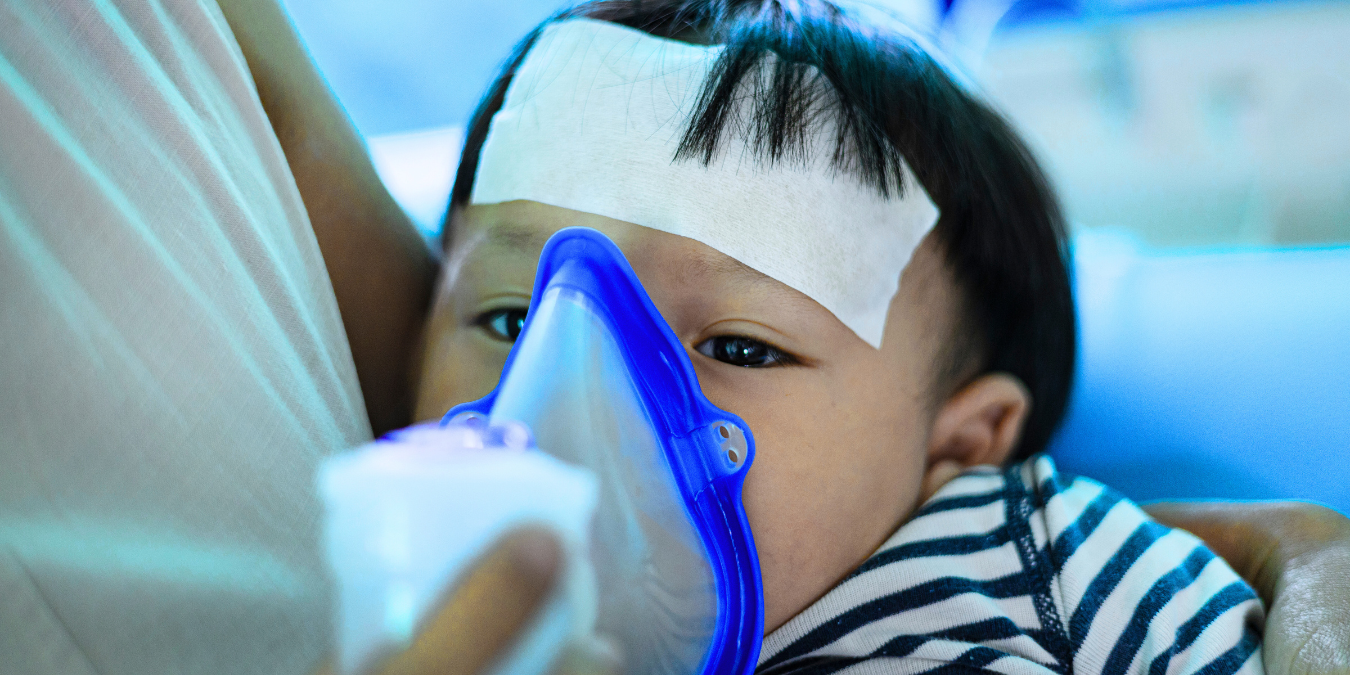
Pneumonia: America’s silent killer lurking in plain sight—why even fit folks drop like flies? Shocking myths busted, Trump’s vaccine push exposed, and mRNA miracles that could end it forever. But with boomers aging fast, is a superbug apocalypse brewing? Uncover the breath-stealing truth now!
Pneumonia strikes without warning, filling lungs with fluid and inflammation that can sideline even the toughest Americans. From bustling cities to rural towns, this lung infection claims lives and hospital beds yearly, demanding attention in our fast-paced lives.
What Exactly Is Pneumonia?
Pneumonia is a serious lung infection that inflames the air sacs, or alveoli, in one or both lungs. This inflammation, often caused by bacteria like Streptococcus pneumonia, viruses such as those from flu or COVID-19, or fungi in people with weakened immune systems, fills these sacs with fluid or pus, severely impairing oxygen exchange and turning normal breathing into a laboured effort.
Key Triggers and Spread
Bacteria lead most severe cases in adults, while viruses dominate in children. Community-acquired pneumonia strikes in everyday settings like homes or workplaces, whereas hospital-acquired versions emerge during medical stays, often from tougher pathogens. In the USA, it drives over a million hospitalizations annually, disproportionately affecting children under 5 and adults over 65 due to immature or declining immune defenses.
Impact on Lung Function
Alveoli, the lung’s delicate grape-like clusters, consolidate with fluid buildup, blocking air and oxygen flow. This sparks persistent symptoms like productive coughs, high fever, chills, fatigue, and shortness of breath, which can linger for weeks if untreated.
Common Causes Across the U.S.
Bacterial infections top the list of pneumonia causes in the U.S., with Streptococcus pneumonia responsible for up to 30% of community-acquired cases. Viruses like influenza, RSV, and SARS-CoV-2 follow, especially in children and during flu season outbreaks.
Bacterial Triggers
Streptococcus pneumonia, or pneumococcus, drives lobar pneumonia with sudden, severe symptoms, while Haemophilic influenza and Mycoplasma pneumonia cause milder “walking” forms common in younger adults. Antibiotic resistance in these bugs complicates treatment nationwide.
Viral Contributors
Respiratory syncytial virus (RSV) hits infants hard, influenza sparks secondary bacterial pneumonia, and lingering COVID-19 effects fuel cases in the post-pandemic era. These often resolve without antibiotics but prolong recovery.
Fungal and Aspiration Risks
Fungi like Pneumocystis jirovecii target HIV/AIDS or transplant patients, while aspiration—from inhaling food, vomit, or saliva—affects stroke victims and nursing home elderly, prevalent in U.S. aging populations.
Risk amplifiers include smoking (doubling odds), chronic conditions like COPD or diabetes, and weakened immunity from chemotherapy.
Recognizing the Warning Signs
Pneumonia warning signs emerge quickly, often starting like a flu but worsening into lung-specific distress. Key indicators include a persistent cough producing yellow, green, or bloody mucus, alongside fever, chills, sweating, and sharp chest pain that intensifies with breathing or coughing.
Core Symptoms
Shortness of breath, even at rest, rapid breathing, extreme fatigue, and loss of appetite signal trouble. Older adults may show confusion or low alertness instead of classic fever, while children exhibit fussiness, poor feeding, or rapid chest retractions.
Bluish lips or nails indicate low oxygen, demanding immediate ER care.
Variations by Type
Bacterial pneumonia hits suddenly with high fever up to 105°F and rust-colored sputum. Viral forms build gradually with dry cough and muscle aches, mimicking flu before escalating. “Walking pneumonia” brings milder cough and low-grade fever, allowing daily activity.
High-Risk Groups in America
Adults over 65 top the high-risk list for pneumonia in America, facing 5-10 times higher hospitalization rates due to weakened immunity and comorbidities like heart disease. Children under 5, especially infants, suffer frequent viral strains amid developing lungs.
Chronic Condition Carriers
People with COPD, asthma, diabetes, or heart failure encounter elevated risks, as these impair lung clearance and oxygen flow. Smokers double their odds, while cancer patients on chemo or transplant recipients battle opportunistic infections.
Vulnerable Populations
Nursing home residents and those with swallowing issues risk aspiration pneumonia. Racial minorities and low-income groups face disparities from limited healthcare access, per CDC data. Post-COVID long-haulers add to the tally with scarred lungs.
Diagnosis in U.S. Clinics
Doctors in U.S. clinics diagnose pneumonia through a mix of physical exams, imaging, and lab tests to confirm infection and pinpoint causes. Chest X-rays reveal characteristic lung opacities or consolidation, serving as the gold standard for visualization.
Key Diagnostic Tools
Blood tests detect elevated white cells and infection markers like C-reactive protein, while sputum or blood cultures identify specific bacteria. Pulse oximetry measures oxygen levels, and rapid antigen tests rule out flu, RSV, or COVID-19 as triggers.
CT scans provide detailed views for complications in unclear cases.
Risk Assessment Scores
Tools like CURB-65 (Confusion, Urea, Respiratory rate, Blood pressure, Age ≥65) or PSI guide hospitalization needs, with scores over 3 signaling ICU risks. These standardize care across American ERs and clinics.
Treatment Strategies That Work
Treatment for pneumonia in the U.S. follows evidence-based guidelines from the American Thoracic Society (ATS) and Infectious Diseases Society of America (IDSA), tailored by severity, setting, and pathogen suspicion. Outpatient cases often start with oral antibiotics like azithromycin or doxycycline for 5 days minimum, while hospitalized patients receive IV beta-lactams plus macrolides.
Outpatient Strategies
For healthy adults with community-acquired pneumonia (CAP), amoxicillin high-dose (1g three times daily) or doxycycline covers Streptococcus pneumoniae effectively. Add a macrolide like azithromycin (500mg day 1, then 250mg daily for 4 days) if atypicals like Mycoplasma are likely, but monotherapy is conditional due to resistance—respiratory fluoroquinolones (levofloxacin 750mg daily for 5 days) serve as alternatives for comorbidities.
Stop therapy after 5 days if afebrile for 48-72 hours, heart rate <100, respiratory rate <24, systolic BP >90mmHg, O2 sat >90%, and no mental status changes.
Inpatient Non-Severe CAP
General ward patients get ceftriaxone (1-2g IV daily) plus azithromycin (500mg IV/PO daily), or levofloxacin monotherapy. Minimum 5-7 days; recent ATS updates allow 3 days for stable outpatients or non-severe inpatients responding early.
Blood cultures guide de-escalation if pathogens identified.
Severe or ICU Cases
IV combos like ceftriaxone + azithromycin, or piperacillin-tazobactam + levofloxacin for MRSA/Pseudomonas risks (vancomycin/linezolid added). Duration 7-10 days minimum, extending to 14+ for complications; procalcitonin not recommended for initiation but aids shortening.
Supportive and Targeted Care
Oxygen targets SpO2 92-95%; ventilators for ARDS. Flu-suspected get oseltamivir 75mg BID x5 days. Viral pneumonia relies on rest, hydration—no routine antibiotics. Fungal (e.g., Pneumocystis) uses trimethoprim-sulfamethoxazole; aspiration needs coverage for anaerobes.
Steroids conditional for severe CAP with high inflammation.
Pediatric Approaches
Infants 0-6 months: IV ampicillin + cefotaxime. Ages 6 months-5 years: high-dose amoxicillin or ceftaziderm. Hospitalized kids get ceftriaxone + azithromycin; minimum 5 days.
Follow-up cultures narrow therapy, combating resistance per local patterns.
Complications to Watch For
Pneumonia complications arise when infection spreads or overwhelms lung defenses, turning a treatable illness into life-threatening crises. Common issues include respiratory failure, where oxygen levels plummet, and sepsis, as bacteria invade the bloodstream causing organ shutdown.
Respiratory and Lung Threats
Pleural effusion builds fluid around lungs, potentially becoming empyema (pus-filled) needing drainage via chest tubes. Lung abscesses form pus pockets, often from anaerobes, requiring prolonged antibiotics or surgery; necrotizing pneumonia destroys tissue, especially in kids with staph infections.
ARDS floods alveoli, demanding ventilators in ICUs.
Systemic and Organ Risks
Bacteremia leads to septic shock with dangerously low blood pressure. Heart complications like failure or arrhythmias strike 30% of hospitalized elderly within years. Kidney failure and multi-organ dysfunction follow in severe cases.
In the U.S., these hit high-risk groups hardest, with mortality up to 20-30% in ICU patients.
Prevention: America’s Best Defense
Pneumococcal vaccines like PCV20 and PPSV23 form America’s frontline defense, protecting children under 5 and adults over 65 by reducing invasive pneumococcal disease by up to 75% and preventing thousands of deaths yearly. Annual flu shots block viral pneumonia triggers, while RSV vaccines now shield infants during winter surges.
Vaccine Strategies
CDC recommends PCV20 or PCV15 followed by PPSV23 for high-risk adults 19-64 with chronic conditions, spaced 1 year apart; seniors 65+ get a single PCV20 dose. Kids receive PCV15 or PCV20 at 2, 4, 6, and 12-15 months, cutting hospitalization rates dramatically since introduction.
COVID-19 boosters indirectly lower secondary bacterial risks.
Lifestyle and Hygiene Measures
Quit smoking halves personal risk—national campaigns via Truth Initiative and CDC promote cessation aids like patches and counseling. Rigorous handwashing, cough etiquette, and avoiding sick contacts slash community spread by 20-30%.
Chronic care patients benefit from annual pneumonia screenings and home oxygen management.
Hospital and Community Protocols
Healthcare facilities enforce hand hygiene, isolation, and antibiotic stewardship to curb hospital-acquired pneumonia, which affects 300,000 ventilated patients yearly. Community programs target nursing homes with staff vaccination mandates.
CDC stresses timely dual pneumococcal shots for at-risk adults to maximize immunity gaps.
Pneumonia’s Toll on U.S. Healthcare
Pneumonia burdens U.S. healthcare with over 1 million annual hospitalizations, costing $20-40 billion in direct expenses, driven by community-acquired pneumonia (CAP) at 24-46 cases per 10,000 adults yearly. It ranks as the eighth leading cause of death, claiming around 50,000 lives annually, with higher tolls in the elderly and minorities.
Hospitalization and Economic Impact
CAP alone prompts 5.5 million outpatient visits and 1 million inpatient stays, per CDC estimates, overwhelming ERs during flu season. Medicare absorbs 70% of costs for seniors, fueling debates on preventive spending amid rising readmissions.
Mortality Statistics
Invasive pneumococcal disease kills 4,000 yearly despite vaccines; overall pneumonia mortality hits 5-7% hospitalized, surging to 20-30% in ICU cases with comorbidities. Post-COVID, secondary pneumonias added 10-15% to 2020-2022 deaths.
Policy Responses Under Trump
President Trump’s administration, post-2024 reelection, prioritizes infection control through Operation Warp Speed expansions for universal pneumococcal vaccines and rural clinic builds via the Farm Bill. Antimicrobial resistance fights ramp up with FDA incentives for new antibiotics, targeting superbugs like MRSA.
Living Through Recovery
Recovery from pneumonia demands patience and structured steps post-discharge to rebuild lung capacity and fend off setbacks. Gradual walking programs, starting at 5-10 minutes daily and increasing by 20% weekly, strengthen respiratory muscles and clear residual fluid, per American Lung Association guidelines.
Nutrition and Daily Habits
High-protein diets with lean meats, eggs, and veggies combat fatigue, while hydration thins mucus for easier coughing. Avoid smoke and pollutants; incentive spirometers at home mimic hospital breathing exercises to expand alveoli.
Pulmonary rehab, 2-3 sessions weekly for COPD patients, boosts endurance via tailored aerobics and education.
Timeline and Monitoring
Most outpatients regain normalcy in 1-2 weeks, but full energy returns in 1-3 months, longer for severe cases or seniors. Watch relapse red flags: worsening cough, new fever, or breathlessness—prompt ER visits prevent readmissions.
Emotional and Community Support
Mental hurdles like anxiety hit 30% of survivors; American Lung Association support groups offer peer stories and coping tools online or locally. Track progress with daily journals and follow-up X-rays at 4-6 weeks.
Myths Busted for Americans
Pneumonia myths mislead Americans, delaying care and worsening outcomes. Common falsehoods include it being only an “old person’s disease,” when fit young adults and children suffer too, especially during outbreaks.
Myth 1: Only Seniors Get It
Pneumonia strikes all ages—kids under 5 face viral forms like RSV, while athletes catch bacterial strains in close quarters. Over 150,000 U.S. kids hospitalize yearly.
Myth 2: Antibiotics Cure All Cases
Viruses cause 30-50% of cases and resist antibiotics, risking superbugs; treatment focuses on rest and symptom relief instead.
Myth 3: Walking Pneumonia Needs No Rest
Mild Mycoplasma cases spread silently but prolong fatigue if ignored—doctors urge 1-2 weeks off work.
Myth 4: Home Remedies Suffice
Herbs or steam won’t kill bacteria; delays boost complication risks like sepsis by 20%.
Myth 5: It’s Always Contagious
The infection spreads germs, but pneumonia itself stems from lung invasion—not directly catching the condition.
Future Outlook in the USA
America’s future fight against pneumonia hinges on innovation and proactive prevention to counter rising cases from an aging population. mRNA technology, proven in COVID-19 vaccines, targets universal pneumococcal shots that could cover all 100+ serotypes, potentially slashing invasive disease by 90% within a decade.
Diagnostic Advances
AI-powered chest X-ray analysis promises 95% accuracy in seconds, speeding ER triage and reducing misdiagnosis by 30%, per ongoing NIH trials. Portable ultrasound and biomarker tests like procalcitonin enable home or clinic IDs, easing rural burdens.
Battling Resistance
Antimicrobial stewardship programs, mandated in all U.S. hospitals, cut superbug rates by 20% already; new drugs from FDA fast-tracks aim to outpace MRSA and multidrug-resistant pneumococcus. Boomers turning 80 en masse will spike demand—cases could rise 25% by 2030 without ramped-up vaccines, telehealth, and equity-focused clinics under President Trump’s health initiatives. Bold steps now ensure fewer stricken lungs tomorrow.

Omisha is a health writer passionate about turning complex medical research into clear, actionable content readers can trust. She covers everything from nutrition and mental wellness to chronic disease management, always grounding her work in credible science and real-world relevance. When she's not writing, she's usually reading up on the latest health studies or exploring new wellness trends to write about next.