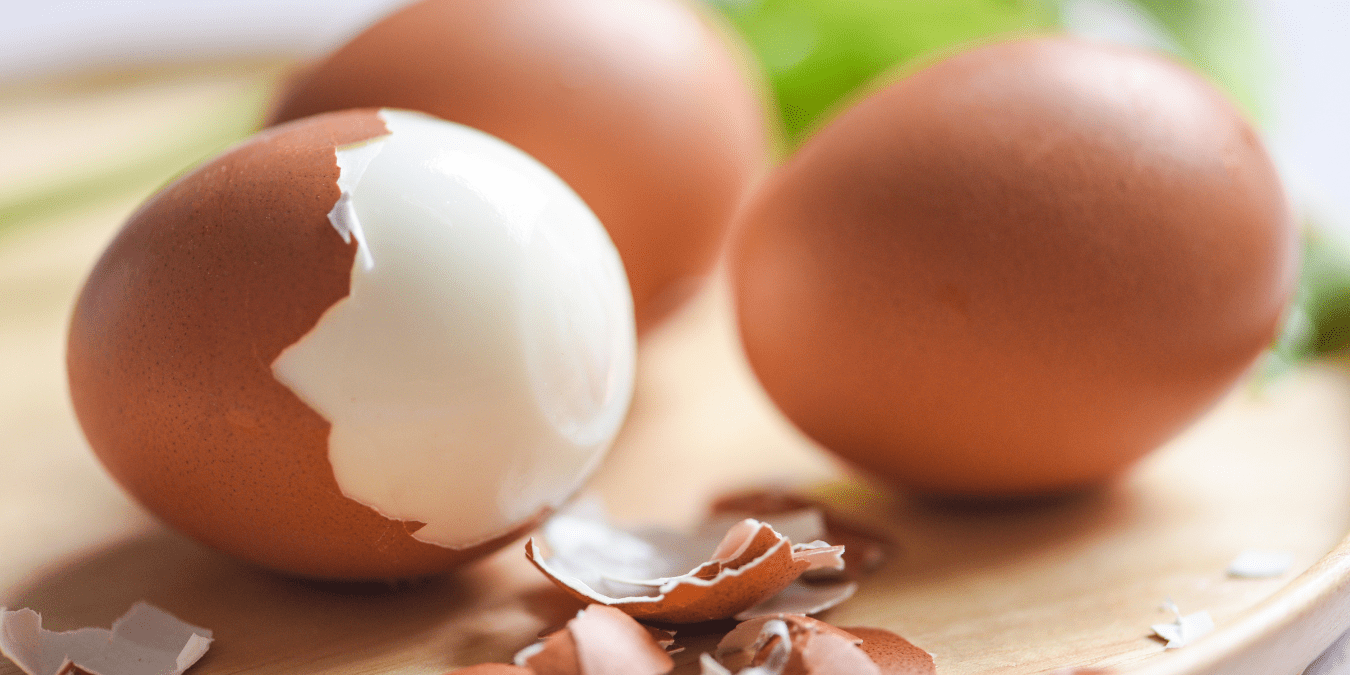
Hard-boiled eggs are one of America’s most convenient, protein-packed foods. Whether you meal-prep a dozen on Sunday, toss one in your lunch bag, or slice them onto a salad, boiled eggs are a weekly staple in millions of U.S. households. But here is the question most people never think to ask until it is too late: How long are they actually safe to eat?
The answer is more nuanced than you might expect — and getting it wrong can mean a very unpleasant encounter with foodborne illness. In this guide, we break down everything you need to know about storing boiled eggs safely, how long they last under different conditions, how to tell when they have gone bad, and pro tips to maximize their shelf life.
What Happens to an Egg When You Boil It?
To understand storage, you first need to understand what cooking actually does to an egg. A raw egg is protected by two natural defense systems: its hard outer shell and an invisible protein coating called the cuticle (or bloom). This cuticle seals the thousands of tiny pores in the eggshell, preventing bacteria from entering and slowing moisture loss.
When you boil an egg, the heat destroys this cuticle entirely. The shell becomes porous and exposed, making the cooked egg significantly more vulnerable to bacterial contamination and odor absorption than its raw counterpart. This is precisely why hard-boiled eggs have a shorter shelf life than fresh, uncooked eggs — even though cooking generally kills bacteria.
Additionally, boiling causes the proteins in both the white and yolk to denature and solidify. This changes the egg’s internal chemistry, creating a moist, warm interior that, if left unrefrigerated, becomes an ideal environment for bacterial growth.
How Long Do Hard-Boiled Eggs Last?
The United States Department of Agriculture (USDA) provides clear, science-backed guidance on this. Here is a breakdown by storage condition:
In the Refrigerator (40°F / 4°C or below)
Unpeeled hard-boiled eggs last up to 7 days in the refrigerator. The shell, even without its natural cuticle, still provides a physical barrier that slows bacterial infiltration and keeps the egg from absorbing fridge odors.
Peeled hard-boiled eggs should ideally be consumed within 5 days, though they can technically last up to 7 days if stored correctly in an airtight container with a damp paper towel. Peeled eggs have no barrier at all, making them more susceptible to contamination and drying out.
Soft-boiled eggs (runny yolk) last slightly less — around 2 days refrigerated — because the yolk is not fully cooked and retains more moisture and biological activity.
At Room Temperature
This is where many people make a critical mistake. According to USDA food safety guidelines, hard-boiled eggs left at room temperature (above 40°F) should not be kept for more than 2 hours. If the ambient temperature exceeds 90°F — common during American summers, outdoor events, picnics, or barbecues — that window drops to just 1 hour.
Bacteria such as Salmonella can double in number every 20 minutes in the temperature “danger zone” between 40°F and 140°F. Leaving eggs on a kitchen counter, buffet table, or Easter egg hunt lawn for hours is a genuine food safety hazard.
In the Freezer
Hard-boiled eggs are not recommended for freezing. When frozen, the egg whites undergo a dramatic textural change — they become rubbery, watery, and unpleasant to eat upon thawing. However, hard-boiled yolks alone can be frozen successfully for up to 3 months, making them useful for future recipes that call for cooked yolk (such as deviled eggs, salad dressings, or sauces).
Does the Storage Method Matter?
Absolutely — and it makes a significant difference.
Unpeeled vs. Peeled
The single best thing you can do to extend a boiled egg’s freshness is to leave the shell on until you are ready to eat it. The shell keeps moisture in, bacteria out, and prevents the egg from picking up the smell of other foods in your refrigerator. Peeling an egg immediately after cooking removes that last line of defense.
Airtight Containers
Whether peeled or unpeeled, boiled eggs should be stored in an airtight container in the fridge. Eggs stored loosely on a shelf absorb odors from surrounding foods (think onions, fish, or leftovers) and dry out faster. A lidded glass or BPA-free plastic container works perfectly.
For peeled eggs specifically, placing them in a container with a damp paper towel prevents the surface from drying out and cracking.
Refrigerator Shelf Placement
Where you place eggs in your refrigerator matters more than most people realize. The middle shelves of the fridge maintain the most consistent temperature. The refrigerator door — where many people instinctively store eggs — experiences the most temperature fluctuation every time you open it, which accelerates spoilage. Always store boiled eggs on a middle or lower interior shelf.
Labeling
This sounds overly simple, but labeling your boiled eggs with the date they were cooked is one of the most effective food safety habits you can adopt. A small piece of masking tape and a marker takes five seconds and eliminates the guesswork that often leads people to eat eggs that have been sitting in the fridge for 10 days.
How to Tell If a Boiled Egg Has Gone Bad
Hard-boiled eggs do not always announce their spoilage loudly, but there are reliable signs to watch for.
The Smell Test
This is the most dependable indicator. A fresh hard-boiled egg has a mild, neutral smell. A spoiled one will emit a distinct sulfur or rotten odor the moment you peel or crack it. This smell comes from hydrogen sulfide gas produced by bacterial activity. If you detect any off-putting smell, discard the egg immediately — do not taste it to “double check.”
Texture and Appearance
- Slimy shell: A fresh boiled egg should not feel slick or slimy. If the shell feels unusually slippery before peeling, that is a sign of bacterial growth on the surface.
- Discolored whites: Egg whites should be a clean, bright white. Pinkish, iridescent, or grayish discoloration in the whites is a red flag.
- Unusual yolk color: A green-gray ring around the yolk is actually normal — it is a harmless chemical reaction between sulfur in the white and iron in the yolk that occurs during cooking, especially with overcooking. However, a yolk that appears greenish throughout or smells off is a sign of spoilage.
- Chalky or powdery shell: Changes in shell texture can indicate moisture loss and age.
The Float Test (For Uncooked Eggs Only)
You may have heard of placing a raw egg in water — if it floats, it is old. This works because gas builds up inside aging raw eggs, making them buoyant. However, this test does not apply to boiled eggs, as the cooking process changes the internal gas dynamics. For boiled eggs, rely on smell and appearance.
When In Doubt, Throw It Out
This is not just a catchy phrase — it is sound food safety advice from the USDA and FDA. If you cannot remember when you boiled an egg, or if anything seems off, the risk of foodborne illness is simply not worth it. Salmonella infections affect an estimated 1.35 million Americans every year, according to the CDC, and contaminated eggs are one of the leading causes.
Are Hard-Boiled Eggs Nutritionally Safe to Eat After a Week?
From a nutritional standpoint, a properly refrigerated hard-boiled egg that is 6 to 7 days old retains virtually all of its nutritional value. Eggs are rich in high-quality protein, healthy fats, vitamins B12 and D, choline, and lutein — nutrients that do not significantly degrade over a week in cold storage.
The concern is purely microbiological, not nutritional. Age alone, within the 7-day window, does not strip an egg of its vitamins or protein content. An egg on day 7 is nutritionally similar to one on day 1, provided it was stored correctly and shows no signs of spoilage.
Special Scenarios: Easter Eggs, Picnics, and Meal Prep
Easter Eggs
Each spring, millions of American families hard-boil and dye eggs for Easter. Here is the important safety note: decorated Easter eggs that have been sitting out — displayed as decorations or hidden for egg hunts — should not be eaten if they have been unrefrigerated for more than 2 hours. If you want to eat them, they need to go back in the fridge promptly after the hunt. Keep a separate batch for display and a second batch in the fridge designated for eating.
Picnics and Outdoor Events
Deviled eggs, egg salad sandwiches, and Cobb salads are beloved at American picnics and cookouts. However, summer temperatures regularly exceed 90°F outdoors, which means you have just a one-hour window before those dishes become risky. Use insulated coolers with ice packs, keep lids on dishes, and do not leave them sitting in direct sunlight.
Meal Prep
Boiling a batch of eggs at the start of the week is a smart, efficient meal prep strategy — as long as you follow the 7-day rule. Some meal preppers boil 6 to 12 eggs on Sunday and consume them through Saturday. This is perfectly safe when eggs are stored unpeeled in an airtight container in the refrigerator.
Pro tip: Slightly undercook your boiled eggs if you are meal prepping. Eggs that are cooked to just-set yolks reheat better and have a more pleasant texture over several days compared to eggs that were hard-boiled all the way through.
Comparing Raw Eggs vs. Hard-Boiled Eggs: Shelf Life
| Type | Refrigerator | Room Temperature |
|---|---|---|
| Raw eggs (in shell) | 3 to 5 weeks | 2 hours max |
| Hard-boiled (unpeeled) | Up to 7 days | 2 hours max |
| Hard-boiled (peeled) | 5 to 7 days | 2 hours max |
| Soft-boiled eggs | 2 days | 2 hours max |
| Egg salad (with mayo) | 3 to 5 days | 2 hours max |
Raw eggs outlast boiled eggs in the fridge by several weeks, largely because of that protective cuticle coating. Once boiled, the clock starts ticking much faster.
Tips from Food Safety Experts
Here is what dietitians, food scientists, and the USDA recommend for getting the most out of your boiled eggs safely:
- Cool eggs quickly after boiling. Transfer cooked eggs to an ice bath immediately. This stops carryover cooking, makes peeling easier, and slows the growth of any surface bacteria. Do not let them sit at room temperature to cool naturally.
- Refrigerate within 2 hours. This is non-negotiable by USDA standards.
- Do not leave peeled eggs in water. Some people store peeled eggs submerged in water in the fridge. While this can help with texture, it also accelerates bacterial growth if the water is not changed daily. An airtight container with a damp paper towel is safer.
- Use the freshest eggs for boiling. Counterintuitively, slightly older eggs (7 to 10 days old before boiling) are actually easier to peel because the air cell inside them expands slightly as they age. However, always make sure your raw eggs are within their sell-by date before boiling.
- Do not reuse egg water. The water used to boil eggs can contain bacteria from the shell surface. Discard it rather than reusing it for cooking.
Common Myths About Boiled Egg Storage
Myth 1: “If it smells fine, it is safe to eat.”
Not always. Some strains of bacteria do not produce noticeable odors in their early stages. While the smell test is useful, it is not a 100 percent guarantee of safety. Time and temperature history matter just as much.
Myth 2: “You can store boiled eggs on the counter like raw eggs.”
This is false in the American context. While some European countries store raw eggs at room temperature (because their hens are vaccinated differently and eggs are unwashed), the USDA requires U.S. commercial eggs to be washed and refrigerated. Boiled eggs, having lost their protective bloom, are even more vulnerable and should never be left on the counter for extended periods.
Myth 3: “Freezing boiled eggs preserves them for months.”
As covered earlier, freezing ruins the texture of egg whites. Only the yolks freeze well.
Myth 4: “A green yolk means the egg is bad.”
The green-gray ring is caused by a harmless chemical reaction from overcooking or high heat — not spoilage. It does not affect flavor significantly or indicate the egg is unsafe to eat.
The Bottom Line
Hard-boiled eggs are a nutritious, convenient food — but they are more time-sensitive than most people realize. The key facts to remember are:
- Refrigerate boiled eggs within 2 hours of cooking
- Consume within 7 days (unpeeled) or 5 days (peeled)
- Always store in an airtight container on a middle fridge shelf
- Never leave them out for more than 2 hours (or 1 hour above 90°F)
- Trust your nose — a bad smell means throw it out
Following these guidelines keeps you, your family, and your meal prep game well within the safe zone. Boiled eggs are one of the most versatile and protein-rich foods you can keep on hand — with a little care and the right storage habits, they will serve you well all week long.
This article is based on food safety guidelines from the USDA, FDA, and CDC. Always consult current government food safety resources or a registered dietitian for personalized guidance.

Omisha is a health writer passionate about turning complex medical research into clear, actionable content readers can trust. She covers everything from nutrition and mental wellness to chronic disease management, always grounding her work in credible science and real-world relevance. When she's not writing, she's usually reading up on the latest health studies or exploring new wellness trends to write about next.