Is your “dry skin” actually an invisible war? New 2025 research reveals the shocking bacterial truth behind dandruff that 95% of shampoos miss. Discover the hidden gut-scalp connection, why coconut oil is making a scientific comeback, and the simple 3-step microbiome fix your dermatologist hasn’t told you yet.
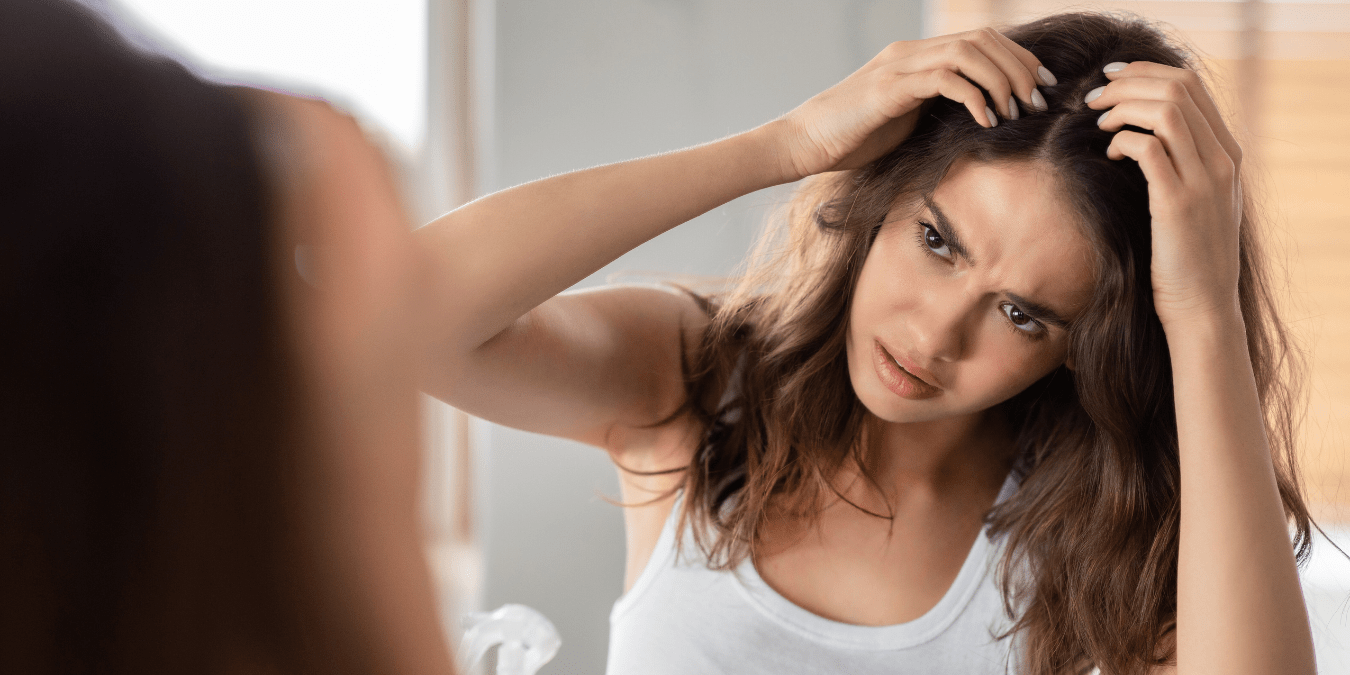
What if I told you that dandruff isn’t actually caused by dry skin—and that the white flakes on your shoulders are the visible aftermath of an invisible microbial battle happening on your head right now? In 2025, breakthrough research is rewriting everything we thought we knew about this condition that affects over 50% of Americans, and the truth is far more fascinating (and treatable) than you ever imagined.
The Microbial Universe Living on Your Head
Your scalp isn’t just skin—it’s a thriving ecosystem hosting trillions of microscopic organisms that determine whether you’ll spend your mornings anxiously checking your shoulders or confidently wearing that black sweater. Recent groundbreaking studies have revealed a shocking discovery: dandruff isn’t simply about one fungus gone rogue. Scientists at Unilever discovered that a specific bacteria called Staphylococcus capitis appears 100 times more abundant on dandruff-affected scalps compared to healthy ones. This finding demolishes decades of conventional wisdom that blamed the fungus Malassezia alone.
The real story is even more complex. Research published in 2025 shows that severe dandruff correlates with significantly reduced levels of Cutibacterium acnes (the same bacteria often blamed for facial acne) alongside elevated Staphylococcus capitis and Corynebacterium species. Think of it as an ecological collapse—when beneficial bacterial “peacekeepers” decline, problematic species multiply unchecked, triggering the inflammatory cascade that produces those telltale flakes.
Why Climate Change Is Making Your Dandruff Worse
Here’s something your dermatologist probably hasn’t told you yet: the same climate crisis dominating headlines is creating a perfect storm for scalp conditions. Rising temperatures and humidity levels are fundamentally altering the scalp microbiome. When humidity increases, it creates an ideal breeding ground for Malassezia fungus overgrowth. Meanwhile, extreme weather events—heatwaves that make you sweat excessively or droughts that leave your scalp parched—disrupt the delicate moisture balance your scalp needs to maintain microbial harmony.
Air pollution adds another layer of complexity. Particulate matter settling on your scalp can trigger irritation and inflammation, weakening your skin’s protective barrier and making it more susceptible to microbial imbalances. For Americans in urban areas experiencing increasingly extreme weather patterns in 2025, this isn’t just an environmental issue—it’s a personal health crisis playing out on millions of scalps daily.
The Stress-Dandruff Spiral Nobody Talks About
The connection between your mental state and your scalp health reveals one of medicine’s most overlooked feedback loops. Chronic stress floods your body with cortisol, the primary stress hormone that disrupts nearly every bodily system—including your skin. This hormonal cascade weakens your immune system, allowing Malassezia populations to explode unchecked. But here’s where it gets truly insidious: the resulting dandruff flare-up damages your confidence and appearance, creating more stress, which worsens the condition, trapping you in a vicious cycle.
A 2025 study demonstrated that successfully reducing dandruff’s physical symptoms directly enhanced scalp-related emotional well-being and indirectly improved overall mental health. Research shows this connection peaks between ages 20-30, when stress levels typically run highest. The psychological toll extends beyond mere embarrassment—many patients with scalp conditions suffer undiagnosed anxiety disorders that perpetuate their symptoms.
The Gut-Scalp Axis: Your Digestive System’s Secret Role
Prepare for this mind-bending revelation: your gut bacteria might be orchestrating the condition of your scalp. Recent research has established a clear link between gut microbiome health and scalp microbiome balance through what scientists call the “gut-skin-hair axis”. When your gut microbiome becomes disrupted—through poor diet, antibiotics, or chronic stress—it creates systemic inflammation that reaches all the way to your scalp.
A compromised gut reduces your body’s ability to absorb vital nutrients like biotin, zinc, and iron, all essential for maintaining healthy scalp function. Even more fascinating, the gut microbiome influences hormone metabolism, including the regulation of cortisol and other hormones that affect sebum production and immune function on your scalp. Studies comparing scalp and gut microbiomes in people with hair loss conditions revealed significant correlations, suggesting these distant microbial communities communicate in ways science is only beginning to understand.
Revolutionary Treatments Emerging in 2025
AI-Powered Personalized Scalp Analysis
The age of one-size-fits-all dandruff shampoos is ending. Artificial intelligence systems now analyze your unique scalp condition with astonishing accuracy—identifying dandruff with 95.2% precision, alongside factors like dryness, oiliness, and inflammation. These AI platforms use complex algorithms and deep learning to monitor hair density, oil concentration, and melanin levels, creating hyper-personalized treatment plans that adapt in real-time to your changing scalp conditions.
Singapore-based clinics and emerging US startups are deploying AI-guided diagnosis combined with biomedicine and nanotechnology, treating not just dandruff but the six interconnected scalp conditions that often co-occur. This technology represents a quantum leap beyond walking into a pharmacy and randomly selecting from dozens of nearly identical bottles.
Microbiome-Based Interventions
Cutting-edge research published in 2025 reveals that effective anti-dandruff treatments work by fundamentally rebalancing your scalp’s microbial ecosystem. The most promising formulations combine antioxidant and anti-inflammatory properties with targeted antifungal effects against Malassezia species, while simultaneously encouraging the repopulation of beneficial bacteria like Cutibacterium species.
Studies show that intensive treatment phases significantly increase both fungal and bacterial richness on the scalp—essentially restoring biodiversity to your microscopic ecosystem. The key insight: reducing problematic Staphylococcus bacteria while boosting protective Propionibacterium species may be just as important as targeting fungal overgrowth. This approach explains why maintaining treatment through a maintenance phase proves so crucial—stopping too early allows the microbial imbalance to return.
The Coconut Oil Renaissance
Ancient remedies are finding modern scientific validation. A comprehensive 2021 longitudinal study revealed that coconut oil significantly reduces dandruff scores while rebalancing scalp bacteria and lowering Malassezia restricta abundance. The magic lies in coconut oil’s fatty acid composition, particularly lauric acid, which possesses both antifungal and anti-inflammatory properties.
Research shows coconut oil reduces the ratio of M. restricta to M. globosa—a lower ratio correlating strongly with healthier, dandruff-free scalps. Additionally, coconut oil strengthens the scalp’s protective barrier, preventing moisture loss and reducing the inflammatory response that creates flaking. Studies demonstrate decreased transepidermal water loss (TEWL) and improved dandruff scores in both healthy and dandruff-prone individuals after coconut oil treatment.
Actionable Strategies for 2025
Rethink Your Approach
Stop thinking of dandruff as a hygiene problem and start viewing it as a microbiome management challenge. The most effective over-the-counter options contain zinc pyrithione (found in Head & Shoulders and Vanicream Free & Clear), which acts as both antifungal and anti-inflammatory agent. For stubborn cases, prescription-strength shampoos with 2% ketoconazole offer superior results when used three times weekly.
Alternative active ingredients include selenium sulfide 1% (Selsun Blue) and coal tar formulations, each targeting different aspects of the microbial imbalance. The key is consistency—use medicated shampoos regularly, leaving them on your scalp for 5-10 minutes before rinsing to maximize contact time with the affected area.
Address Environmental Factors
Combat climate-related scalp stress by adjusting your routine seasonally. During humid summer months, increase shampooing frequency to prevent oil and sweat buildup that feeds fungal growth. In winter, when indoor heating creates desert-dry conditions, use a humidifier and incorporate more moisturizing treatments to prevent the compensatory oil production that paradoxically worsens dandruff.
Optimize Your Lifestyle
Manage stress through proven techniques like meditation, regular exercise, and adequate sleep—these aren’t just wellness clichés but scientifically validated methods to reduce cortisol-driven immune suppression. Consider your gut health by incorporating probiotic-rich foods and reducing inflammatory dietary choices that might be affecting your entire microbiome ecosystem, including your scalp.
Explore Personalized Solutions
If conventional treatments fail, investigate emerging options like scalp microbiome testing services that analyze your unique bacterial and fungal populations. These PCR-based tests identify specific imbalances, allowing for targeted interventions rather than generic approaches. AI-powered diagnostic apps can assess your scalp condition through smartphone photos, recommending customized product combinations based on your specific presentation.
The Future of Dandruff Treatment
As we move deeper into 2025, the convergence of microbiome science, artificial intelligence, and personalized medicine promises to transform dandruff from a frustrating chronic condition into a manageable, often reversible imbalance. Companies are developing probiotic scalp treatments designed to directly introduce beneficial bacteria, potentially offering longer-lasting solutions than repeated fungicide applications.
The dandruff treatment market is experiencing explosive growth, driven by consumers demanding customized solutions tailored to their specific scalp type and condition severity. Diagnostic tools are becoming more sophisticated, and targeted formulations are replacing one-size-fits-all products. Technological advancements are enabling advanced delivery systems that improve ingredient penetration and efficacy.
Perhaps most exciting: emerging research suggests that maintaining optimal gut health through targeted probiotic supplementation may prevent scalp conditions before they start, addressing the root cause rather than merely managing symptoms. The focus is shifting from treatment to prevention, with products designed to maintain microbial balance and support long-term scalp health.
The Question That Should Keep You Up Tonight
What if the dandruff you’ve been battling for years isn’t actually dandruff at all, but a more serious condition like seborrheic dermatitis or psoriasis that requires entirely different treatment? What if the shampoo you’ve been loyally using is actually disrupting your scalp microbiome and making things worse?
As scientists unlock the complex relationships between our environment, stress levels, gut health, and the microscopic organisms colonizing our bodies, one thing becomes clear: the future of scalp health lies not in harsher chemicals or stronger detergents, but in understanding and working with the intricate biological systems we’ve barely begun to comprehend. The real question isn’t just how to get rid of dandruff—it’s whether we’re ready to fundamentally rethink our relationship with the trillions of organisms that call our bodies home.

Omisha is a health writer passionate about turning complex medical research into clear, actionable content readers can trust. She covers everything from nutrition and mental wellness to chronic disease management, always grounding her work in credible science and real-world relevance. When she's not writing, she's usually reading up on the latest health studies or exploring new wellness trends to write about next.