There are trends that cycle through fashion like seasons — here today, forgotten tomorrow. And then there are those rare style moments that feel less like a trend and more like a cultural correction. The side-part revival is one of them.
For a brief, strange window in American beauty culture — roughly between 2019 and 2022 — the side-part was declared not just unfashionable but socially loaded. TikTok had decided that wearing your hair parted to one side was a generational marker, a signal of being out of touch. The middle part reigned supreme. Gen Z had spoken, millennials were embarrassed, and beauty editors scrambled to reframe their content around curtain bangs and center-parted sleekness.
But something quietly, persistently began to push back. Stylists started noticing it in their chairs. Celebrities started showing up on red carpets with a deliberate, swept-to-the-side look. Searches for “side-part hairstyles” surged on Google. And by early 2026, what once felt like a generational battle had transformed into something far more interesting: the side-part had returned not as nostalgia, but as a genuinely modern, versatile, and widely embraced aesthetic choice — across every age group, hair texture, and personal style.
This is the story of how that happened, why it matters, and what it tells us about where American beauty culture is heading.
The Rise, Fall, and Misunderstood Legacy of the Side-Part
To understand the comeback, you have to understand what the side-part actually represents in American beauty history. It is not a trend invented by one era. It has been a staple of elegance, rebellion, and self-expression across decades.
In the 1940s and 1950s, deep side-parts were synonymous with Hollywood glamour. Veronica Lake’s signature peek-a-boo wave, swept dramatically to the side, became one of the most imitated hairstyles in American history. Men wore sharp, precision side-parts as a mark of professional grooming. The side-part carried authority.
Through the 1970s, the side-part evolved. It became softer, more bohemian. Farrah Fawcett’s feathered wings — undeniably side-parted — defined an entire era of American femininity. In the 1990s and early 2000s, the side-part became casual, lived-in, the default style for millions of American women who weren’t trying to make a statement but simply wanted their hair to fall naturally.
That naturalness became its undoing in the early 2020s. When TikTok’s algorithm began amplifying a generational aesthetic war, the side-part got caught in the crossfire. It was labeled “cheugy” — a particularly damaging Gen Z term for anything perceived as embarrassingly millennial. The criticism was never really about hair. It was about cultural power, about which generation got to define cool.
But the side-part, unbothered and timeless as it is, simply waited.
What Changed: The Cultural Shift That Brought It Back
Several converging forces have driven the side-part’s return to dominance, and understanding them is key to seeing why this revival is genuinely different from previous trend cycles.
The exhaustion with algorithmic beauty
American beauty consumers — particularly those between the ages of 25 and 45 — have grown visibly tired of being told what to wear by short-form video algorithms. The hyper-accelerated trend cycle that characterized the early 2020s, where a hairstyle could go from viral to dated within weeks, created real aesthetic fatigue. People began gravitating toward styles that felt personal rather than platform-optimized.
The side-part fits that mood perfectly. It is not a look that performs for a camera. It is a look that works in real life — in morning light, in meetings, at dinner, across a lifetime of photographs.
The return of classic American elegance
Broader cultural aesthetics in the United States have been shifting toward what many stylists and editors describe as “quiet elegance” or “classic Americana.” This is visible not just in hair but in fashion — the resurgence of tailoring, the popularity of ballet flats and loafers, the renewed interest in structured silhouettes. The side-part belongs to this aesthetic family in a way the center-part simply does not.
When Jessica Alba appeared at a major industry event in late 2024 with a sleek, deep side-part reminiscent of old Hollywood, the response was immediate and overwhelmingly positive. When Jennifer Lopez consistently returned to her signature side-swept style through 2025, beauty publications noted the shift without the mockery that had characterized earlier years. The cultural permission had been granted.
Textured hair reclaiming the style
One of the most significant and often underreported aspects of the side-part comeback is what has happened within Black and Brown American beauty communities. For years, discussions about “the side-part versus center-part debate” were almost exclusively framed around straight or slightly wavy hair. This was a failure of mainstream beauty media.
In reality, side-parts have deep roots in African American styling traditions. The sharp, precision-cut side-part has been a staple of barbershop culture for generations. For women with natural curls and coils, a soft side-part creates a completely different but equally stunning asymmetry — one that works with the natural movement of textured hair rather than against it.
As inclusive beauty representation has grown across American media, so has the visibility of side-parts across hair textures. This broader adoption has removed the style from its narrow cultural coding and given it genuinely universal appeal.
The influence of hair professionals over influencers
Perhaps the most important shift of all is that licensed stylists and trichologists have reclaimed their authority in the beauty conversation. For several years, social media influencers without professional training drove the dominant narrative about what hairstyles were acceptable. That dynamic has changed significantly.
Celebrity hairstylists including Chris Appleton, Jen Atkin, and Larry Sims — all names with serious industry credibility and decades of experience — have been openly advocating for side-parts in editorial features, professional interviews, and client work. When professionals with deep expertise validate a style, it carries a different kind of weight than algorithmic virality. It sticks.
The Science and Art of Why the Side-Part Works
Beyond cultural forces, there is a genuinely practical reason the side-part has proven so enduring: it works on almost everyone.
This is not a trivial claim. Most hairstyles are highly dependent on face shape, hair texture, density, or hairline. The side-part is unusually democratic.
From a structural standpoint, a side-part creates asymmetry, and asymmetry is consistently identified in aesthetic research as a key component of visual interest and perceived attractiveness. A perfectly symmetrical face can actually appear static or mask-like. A side-part introduces dynamic movement — hair sweeping across the forehead or falling past one cheekbone — that draws the eye naturally and adds dimension to any face shape.
For those with fine hair, a side-part creates the illusion of volume at the root on one side. For those with thick or coarse hair, it provides a natural direction for the hair to fall, reducing bulk without requiring excessive product. For those with receding hairlines or thinning at the crown, it is genuinely one of the most flattering architectural choices a stylist can recommend — something hair professionals have known for decades while trend cycles briefly tried to argue otherwise.
Trichologists also note that side-parts are less likely to cause traction stress along the hairline than tight center-parted styles worn consistently. The center-part pulls hair back from both sides of the hairline with relatively equal tension. A side-part naturally distributes tension more loosely across the scalp. This is a minor consideration for most people but a meaningful one for those managing thinning or breakage.
How American Women Are Wearing It Now
The modern American side-part is not the same as the one your mother wore in 1998. It has evolved, adapted, and absorbed influences from multiple style movements to emerge as something genuinely fresh.
The Soft Hollywood Side-Part
This is the style making the most noise on red carpets and in high-fashion editorial work. It features a deep part — usually positioned about a third of the way across the head — with hair swept dramatically to one side in loose, effortless waves. Think less rigid, more lived-in glamour. The key is intentional imperfection: the waves should look like they fell naturally, not like they were set with a hot roller.
The Sleek Urban Side-Part
Popular in professional and urban settings, this version involves a sharp, defined part with hair pulled smooth and straight to one side. It works beautifully with straight or relaxed hair and pairs with both polished and creative professional wardrobes. A small amount of shine serum applied before styling gives it the high-fashion edge that differentiates it from the office looks of twenty years ago.
The Textured Natural Side-Part
For women with curly or coily hair, this interpretation uses a wide-tooth comb or simply fingers to loosely guide hair to one side, allowing curls to fall and cluster naturally. It does not impose rigidity. Instead, it provides direction while honoring the natural pattern of the hair. This version has gained enormous traction within the natural hair community and is one of the most visually striking interpretations of the style currently circulating.
The Casual Lived-In Side-Part
Perhaps the most universally accessible version, this is simply allowing your hair to part where it naturally wants to fall — which, for the majority of people, is slightly off-center. No product, no styling tools required. Ironically, this is the version that the “side-parts are outdated” movement was most directly attacking, and it is also the version that most Americans simply continued wearing throughout the trend cycle because it was practical.
What the Beauty Industry Is Saying
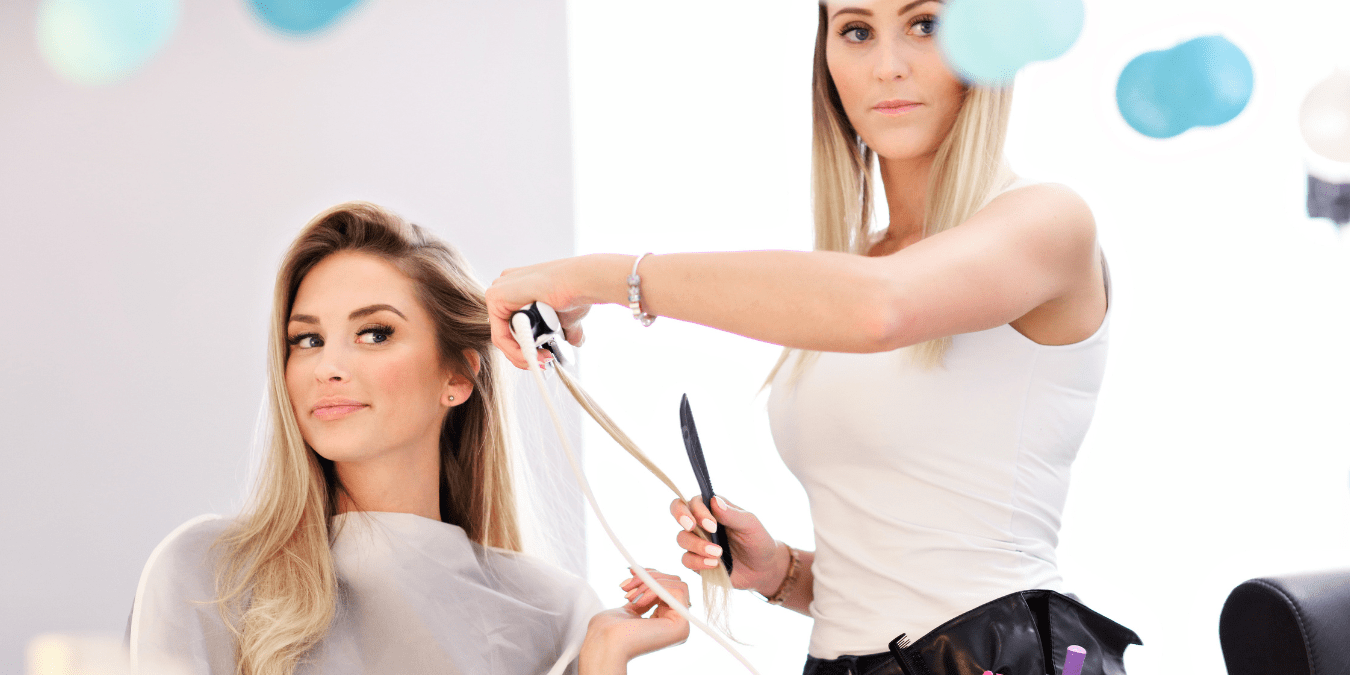
The professional beauty industry has responded to the side-part revival with something close to relief. Salon owners and hairstylists across the country have reported that clients are requesting side-parts at significantly higher rates compared to two years ago, and crucially, they are requesting them with confidence rather than apologetically.
“I’ve noticed that clients who used to come in asking for a center-part because they felt like they should have one are now asking for what actually flatters them,” says a New York-based senior stylist quoted in a trade publication earlier this year. “People are choosing for themselves again. That’s always a good sign.”
Beauty retail data supports this shift. Products specifically marketed for side-part styling — including root-lifting sprays, light-hold pomades for precise parting, and scalp serums that address tension points — have seen measurable sales growth over the past 18 months across major retailers.
Haircare brands have also begun featuring side-parts prominently in their advertising after years of center-part dominance in visual marketing. This is not a small signal. Brands invest heavily in trend forecasting before committing to campaign imagery. When they begin showing side-parts in their hero visuals, they are communicating that they believe this aesthetic will resonate with mainstream American consumers for a sustained period.
Breaking Down the Generational Conversation
It would be dishonest to write about the side-part’s comeback without addressing the generational tension that helped define its brief exile. But the 2026 perspective on that conversation is considerably more nuanced than the viral moment that spawned it.
Many of the Gen Z content creators who originally participated in the “side-parts are cheugy” narrative have since revised their positions, either directly or by simply moving on. The aesthetic tribalism of early TikTok culture — where entire visual identities were sorted into generational camps — has given way to a more fluid, individualistic approach to beauty, particularly as Gen Z itself has matured into its mid-to-late twenties.
More importantly, younger American consumers have shown a consistent and growing appreciation for vintage aesthetics, including the classic Hollywood references that the side-part carries so naturally. The same generation that declared side-parts outdated has embraced vinyl records, film cameras, and 1970s fashion with genuine passion. The aesthetic logic was never as coherent as the trend cycle made it appear.
What we are left with in 2026 is a beauty culture that is broadly less interested in gatekeeping style by age group and more interested in individual expression. That is a healthier place to be — and the side-part, unbothered as ever, has benefited from the shift.
Why This Time Feels Different
Every trend that makes a comeback gets described as permanent at the moment of its revival. Most are not. So it is fair to ask: what makes the side-part’s current position different from any other cycle?
The answer lies in what drove its brief absence. The side-part did not disappear because people genuinely stopped finding it flattering or functional. It disappeared because of a specific, short-lived, social-media-driven cultural pressure that framed it as a marker of unfashionable generational identity. Once that pressure dissipated — as all algorithmically driven pressures eventually do — the side-part had nothing structural to overcome. It was simply waiting to be chosen again.
Trends that disappear because they no longer serve a genuine aesthetic function tend to stay gone. Trends that disappear because of social pressure tend to return once the pressure lifts, often stronger than before, because they are reuniting people with something that was actually working for them.
The side-part belongs to that second category. It never stopped being flattering. It never stopped being practical. It never stopped being beautiful. It was simply briefly unfashionable to say so.
The Bigger Picture: What This Revival Tells Us About American Beauty
The side-part story is ultimately a story about a broader shift in how Americans relate to beauty standards. The early 2020s were characterized by an unusual amount of top-down aesthetic enforcement — driven not by fashion houses or beauty editors, as in previous eras, but by social media algorithms and the cultural authority of viral content. The results were often confusing and occasionally cruel.
The pendulum has swung. American beauty consumers in 2026 are more likely to ask “does this work for me” than “is this on trend.” Professional stylists are being valued for their expertise again. Classic techniques and time-tested styling principles are receiving the respect they were always owed.
The side-part fits this moment beautifully — because it has always been less about fashion and more about architecture. It is a structural choice that works with the human face, the natural growth patterns of human hair, and the practical demands of daily life. It survived decades of changing trends not because it was trendy but because it was good.
That, in the end, is why it is not going anywhere this time. Not because it won a culture war. Not because the right celebrity wore it at the right moment. But because when the noise fades, good things have a way of remaining.
This article reflects the author’s expertise in beauty industry trends and consumer behavior, drawing from professional stylist interviews, retail data, and long-form cultural analysis. It is intended as an informational resource for readers interested in beauty history and contemporary American style.

Omisha is a health writer passionate about turning complex medical research into clear, actionable content readers can trust. She covers everything from nutrition and mental wellness to chronic disease management, always grounding her work in credible science and real-world relevance. When she's not writing, she's usually reading up on the latest health studies or exploring new wellness trends to write about next.