Health Insurance Workplace Benefits
Your Employer Dropped GLP-1 Weight-Loss Coverage — Here Is What Wegovy, Zepbound and the New Pills Cost Now, and Your Best Moves
Employers are cutting coverage for weight-loss drugs before 2027 even as cash prices fall. Self-pay now starts at $149 a month, and appeals, open enrollment and tax-advantaged accounts can lower the bill further.
By The Health Costs DeskFact-checked against KFF, Business Group on Health and Mercer surveys, CMS and manufacturer pricingUpdated November 12, 2026Scope U.S. workers with employer health plans
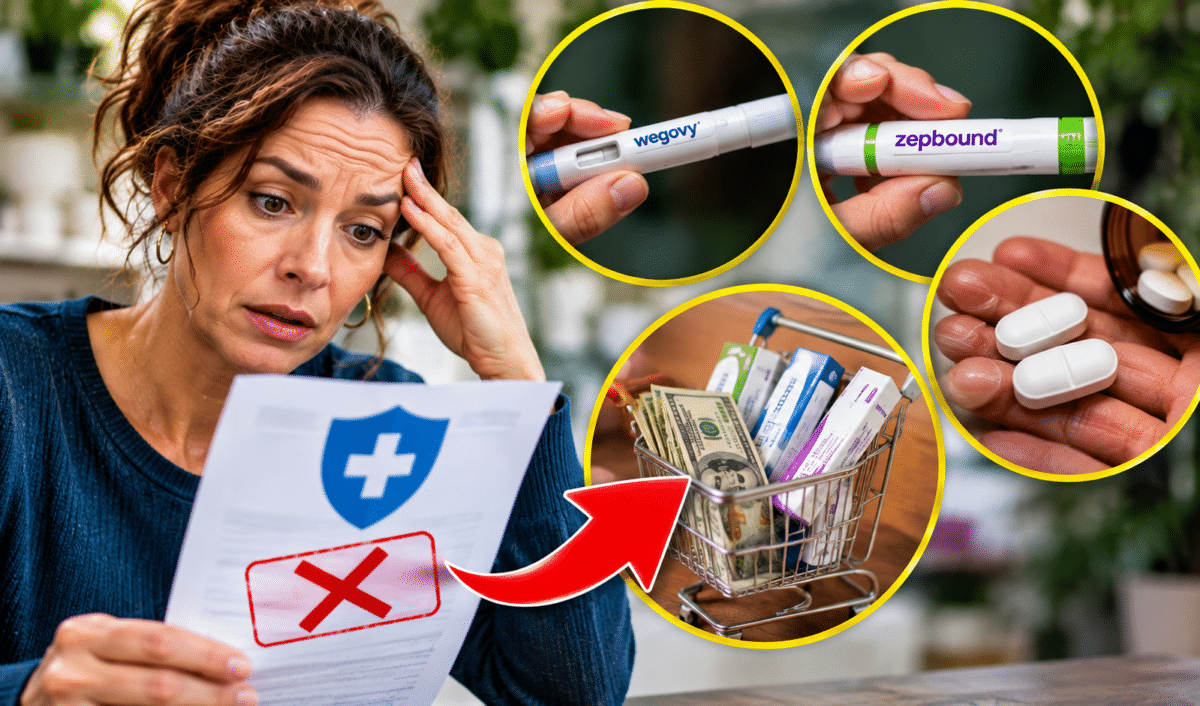
The letter usually arrives during open enrollment. Starting next plan year, your employer’s health plan will no longer cover GLP-1 drugs prescribed for weight loss. Maybe you have been taking Wegovy or Zepbound for a year, lost a meaningful amount of weight and finally have blood pressure or blood sugar numbers your doctor likes. Now the pharmacy counter quotes a list price above $1,000 a month.
You are not alone, and you are not out of options. In a Business Group on Health survey reported in September 2026, the share of large employers covering GLP-1s for weight management fell from 72% in 2025 to 60% in 2026, and 14% said they had dropped or planned to drop coverage by 2027. At the same time, prices for people paying cash have fallen sharply. The gap between “covered” and “affordable” is narrower than it was even a year ago.
What We Know
- Business Group on Health found employer coverage for weight management fell from 72% to 60% between 2025 and 2026.
- Starbucks and Cigna are among employers that ended weight-loss coverage for their own workers in 2026.
- Manufacturer self-pay prices range from $149 to $449 a month depending on drug and dose.
- Medicare’s GLP-1 Bridge charges $50 a month from July 2026 through December 2027 for eligible enrollees.
What Is Still Unclear
- How many employers will finalize cuts for 2027 once open enrollment ends.
- Whether introductory self-pay prices, such as Wegovy’s $199 offer, will be extended past December 31, 2026.
- Whether cheaper pills will lead some employers to restore coverage.
- How long cash prices will stay at current levels.
Why Employers Are Pulling Back Now
For most employers, this is a math problem. Pharmacy spending now makes up 25% of employers’ total health spending, and drug costs are projected to rise 12%, according to an industry analysis reported by Insurance Business in September 2026. Brenna Shebel of the Business Group on Health put it bluntly: “The result is greater scrutiny of every healthcare dollar spent.” Eileen Pincay of Segal summed up the dilemma: “GLP-1s work, employees want them, and they’re extremely expensive.”
Falling prices have not solved the problem for employers. Louis Zollo of Segal told Reuters, “Even though we have seen the unit cost come down, the patient population keeps growing.” Employers also complain that their pharmacy benefit manager contracts do not deliver the low prices cash-paying customers now get directly from drugmakers. Starbucks said in August 2026 that it would stop covering GLP-1s for weight loss starting in October, while continuing coverage for diabetes and other approved conditions. Cigna ended weight-loss coverage for its own employees in July.
How Many Employers Cover GLP-1s for Weight Loss
Why the Numbers Look So Different
The surveys measure different groups. Business Group on Health members are mostly very large companies, which are more likely to offer generous benefits. KFF’s 2025 survey found that only 19% of firms with 200 or more workers covered GLP-1s for weight loss in their largest plan, compared with 43% of firms with 5,000 or more workers. If you work for a midsize company, your chances of having coverage were always lower, and the trend now points downward even at the biggest employers.
What Employers Told Surveyors About GLP-1 Costs
Read the Fine Print Before You Pay Cash
“Dropped coverage” does not always mean every GLP-1 is off the table. Most cuts apply only when the drug is prescribed for weight loss. Starbucks, for example, said coverage continues for diabetes and other approved conditions. That distinction matters because several of these drugs now carry FDA approvals beyond weight management.
Other Approved Uses That May Still Be Covered
Semaglutide and tirzepatide are approved for type 2 diabetes under the brand names Ozempic and Mounjaro. Wegovy also carries FDA approval to reduce the risk of heart attack and stroke in adults with heart disease and obesity or overweight, and Zepbound is approved for moderate to severe obstructive sleep apnea in adults with obesity. If one of these conditions applies to you, ask your doctor whether a prescription for that use could be covered under your plan’s rules. Your plan decides, and it may require prior authorization and documentation, so ask your benefits department or insurer for the exact wording of the exclusion.
Your Right to Appeal
Under Affordable Care Act rules, most job-based plans must let you file an internal appeal within 180 days of a denial, and if the plan upholds it, you can generally request an independent external review within four months. An appeal is strongest when a prescription is for a covered condition or when your doctor documents medical necessity. If the plan document clearly excludes weight-loss drugs, an appeal is unlikely to overturn the exclusion itself, but it costs nothing but time to ask, and plans sometimes grant exceptions.
What GLP-1s Cost Without Insurance in Late 2026
Cash prices have changed dramatically. After deals with the White House announced in November 2025, Novo Nordisk and Eli Lilly lowered prices for people paying out of pocket, and the government’s TrumpRx.gov site launched on February 5, 2026, to point consumers to those offers. Oral options arrived too: Wegovy’s pill launched in January 2026 and Lilly’s Foundayo, or orforglipron, followed in April. Both start at about $149 a month through the drugmakers’ direct websites.
Monthly Cash Price by Drug and Dose
A few details are easy to miss. Wegovy’s $199 introductory price applies to the first two fills of the lowest doses for eligible new patients and runs through December 31, 2026. Lilly’s $449 price for higher Zepbound doses depends on refilling within 45 days; The RX Index reported that late refills can push the price to $499 to $699. The pills cost less but produce somewhat less weight loss on average, about 14% for the Wegovy pill and 11% for Foundayo in clinical trials, according to Reuters.
Yearly Self-Pay Cost by Option
Your Options, Side by Side
The right move depends on your diagnosis, your dose, your household’s other coverage and your budget. This table compares the main paths. Prices are as of September 2026 and can change without notice; confirm with the manufacturer or TrumpRx.gov.
| Option | Typical monthly cost | Who it fits | Watch out for | How fast |
|---|---|---|---|---|
| Coverage under another approved use | Plan copay | People with type 2 diabetes, heart disease or sleep apnea | Prior authorization; plan must cover that use | Days to weeks |
| Internal appeal and external review | $0 to file | Strong medical-necessity case | Explicit exclusions rarely overturned | 180 days to file |
| Manufacturer self-pay or TrumpRx | $149 to $449 | Anyone with a valid prescription | Refill timing rules; intro offers expire | Immediate |
| Switch to a GLP-1 pill | $149 to $349 | People wanting lower cost or no injections | Somewhat less average weight loss | Next prescription |
| Spouse or partner’s plan | Plan copay plus premium | Households with two job-based plans | Plan may also exclude GLP-1s | Open enrollment |
| HSA or FSA dollars | Saves 20% to 40% | People with an account | Annual contribution limits | Next plan year |
| Medicare GLP-1 Bridge | $50 | Eligible Part D enrollees | Ends December 31, 2027; criteria apply | Requires prior authorization |
The HSA savings range above is indicative and depends on your federal and state tax brackets and whether you pay payroll tax on the money. The IRS treats prescription drugs for a diagnosed condition, including obesity, as qualified medical expenses, but check with your plan administrator before using account funds.
Turning Open Enrollment Into a Decision Point
Open enrollment, typically in November for calendar-year plans, is your one guaranteed window to switch. If your spouse or partner’s employer still covers GLP-1s for weight loss, compare the extra premium for joining that plan with roughly $3,600 to $5,400 a year in cash costs. Ask for the plan’s drug list, called a formulary, and the specific criteria, such as BMI thresholds or required lifestyle programs. KFF found 34% of large firms covering these drugs now require participation in a lifestyle or clinical program first, up from 10% in 2024.
A Step-by-Step Plan for the Next 60 Days
- Get the exact policy languageAsk HR or your insurer when coverage ends and whether diabetes, heart or sleep apnea uses remain covered.
- Book a visit with your prescriberReview your diagnoses, current dose and whether another approved use or a pill makes sense.
- File an appeal if your doctor supports itSubmit within 180 days of a denial, with records showing medical necessity.
- Compare plans at open enrollmentCheck a spouse’s formulary and price the premium difference against cash costs.
- Fund an HSA or FSASet contributions to cover the year’s drug costs with pre-tax dollars where eligible.
- Price self-pay before your last covered fillLine up a manufacturer or TrumpRx order so you do not have a gap in treatment.
Older Workers and Medicare
If you are 65 or older or about to retire, the picture is different. Medicare’s GLP-1 Bridge, which runs from July 1, 2026, through December 31, 2027, charges a $50 monthly copay for weight-management use for eligible Part D enrollees who meet clinical criteria and receive prior authorization. It covers Wegovy and Foundayo formulations and the Zepbound KwikPen, but not Zepbound vials, according to The RX Index’s review of CMS materials. If you are still working past 65 with employer coverage, ask a benefits counselor how your employer plan and Medicare coordinate before making changes.
How the Year Unfolded
- November 2025White House announces pricing deals with Eli Lilly and Novo Nordisk for GLP-1 drugs.
- January 2026Wegovy pill launches at a starting self-pay price of about $149 a month.
- February 5, 2026TrumpRx.gov launches to steer cash-paying patients to discounted prices.
- April 2026Lilly’s Foundayo pill launches, also starting at about $149 a month.
- July 2026Medicare GLP-1 Bridge begins at $50 a month; Cigna ends weight-loss coverage for its employees.
- October 2026Starbucks ends weight-loss coverage for benefits-eligible workers.
- November 2026Open enrollment for most 2027 plans; more employers announce cuts.
- December 31, 2026Wegovy’s $199 introductory offer is scheduled to end.
- December 31, 2027Medicare GLP-1 Bridge is scheduled to end.
What Could Change Next
Employers are watching two forces. Cheaper pills could lower the cost per person, but 87% of Business Group on Health members expect pills to raise overall demand, which could offset the savings. Dan Mendelson of Morgan Health told Reuters the pills will lower per-treatment costs, but “on aggregate this still represents a major cost driver for employers.” Some employers may shift to narrower coverage instead of dropping it, using BMI thresholds, required lifestyle programs or coverage limited to specific conditions.
- Check the exclusion wordingWeight loss only, or all uses
- Appeal within 180 daysExternal review within 4 months
- Compare cash prices$149 to $449 a month
- Refill within 45 daysTo keep Lilly’s lower price
- Use HSA or FSA moneyPay with pre-tax dollars
- Avoid unverified online sellersUse licensed pharmacies only
Frequently Asked Questions
Why are employers dropping GLP-1 coverage?
Cost. Pharmacy spending now makes up about 25% of employers’ health spending, and use of GLP-1 drugs keeps rising even as prices per prescription fall.
How much does Wegovy cost without insurance?
As of September 2026, the Wegovy pen costs $349 a month through self-pay, with a $199 introductory price for some new patients through 2026. The Wegovy pill starts at $149.
How much is Zepbound without insurance?
Lilly’s self-pay prices start at about $299 a month for 2.5 mg and $399 for 5 mg, with $449 for higher pen doses if refilled within 45 days.
Can I appeal if my plan stops covering GLP-1s?
Yes. Most plans allow an internal appeal within 180 days and an external review afterward, though explicit weight-loss exclusions are rarely overturned.
Will my plan still cover Ozempic for diabetes?
Often yes. Many employers dropping weight-loss coverage keep coverage for diabetes and other FDA-approved conditions. Check your plan’s exact wording.
Can I use my HSA or FSA for Wegovy or Zepbound?
Generally yes, when prescribed for a diagnosed condition such as obesity. Confirm with your account administrator.
What happens if I stop taking GLP-1s?
Many people regain a large share of lost weight within a year. Talk with your doctor about tapering or switching before stopping.
Are compounded GLP-1s a safe alternative?
The FDA warns that compounded versions are not FDA-approved and that some online products are counterfeit. Use a licensed pharmacy and talk with your doctor.
The Short Version
More employers are ending GLP-1 coverage for weight loss: Business Group on Health found coverage fell from 72% to 60% of large employers in a year. Losing coverage no longer means paying more than $1,000 a month. Self-pay prices run $149 to $449, and HSA or FSA dollars can cut that further. First, check whether another approved use is still covered, appeal if your doctor supports it and compare a spouse’s plan at open enrollment. Avoid stopping abruptly or buying from unverified online sellers.

Omisha is a health writer passionate about turning complex medical research into clear, actionable content readers can trust. She covers everything from nutrition and mental wellness to chronic disease management, always grounding her work in credible science and real-world relevance. When she's not writing, she's usually reading up on the latest health studies or exploring new wellness trends to write about next.