100M+ Americans silently battle fatty liver—but it vanishes in months without pills using this hidden 7-day meal plan. Discover the one veggie slashing fat 30% faster, exercise trick doctors ignore, and monitoring hack for total reversal. Your liver’s begging for this—will you wait?
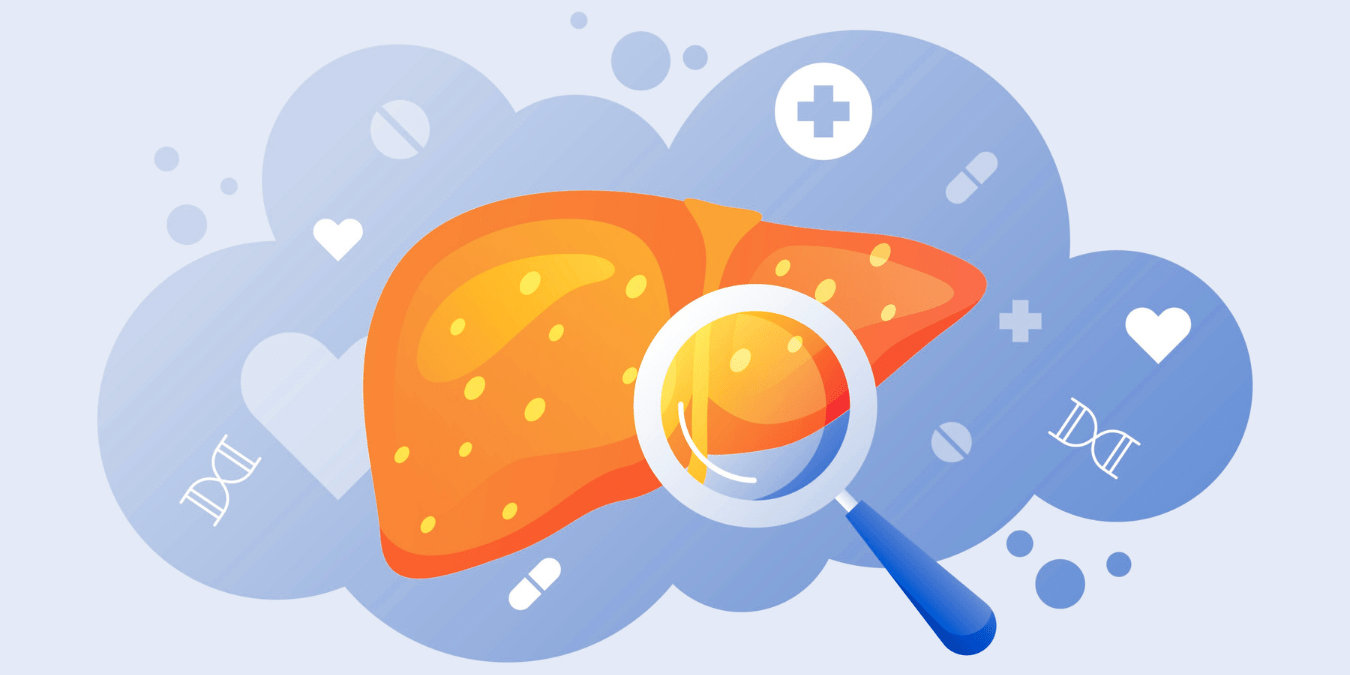
Fatty liver disease affects over 100 million Americans, making it the most common chronic liver condition in the US, with prevalence rising to around 38% of adults due to obesity and diabetes epidemics. The good news is that early-stage nonalcoholic fatty liver disease (NAFLD), now often called metabolic dysfunction-associated steatotic liver disease (MASLD), can often be reversed naturally through targeted diet and lifestyle changes, without medications.
Understanding Fatty Liver
Fatty liver occurs when excess fat builds up in liver cells, typically from poor diet, sedentary habits, insulin resistance, and metabolic issues rather than alcohol. In the US, it’s linked to the obesity crisis, with projections showing 122 million adults affected by 2050, and rising risks of cirrhosis, liver cancer, and transplants. Stages range from simple steatosis (reversible) to steatohepatitis (NASH) with inflammation and fibrosis; catching it early via ultrasound or blood tests like ALT/AST is key.
Why Natural Reversal Works
Losing just 5-10% of body weight through diet and exercise significantly reduces liver fat, improves enzymes like ALT and AST, and enhances insulin sensitivity, as shown in RCTs and meta-analyses. Combined interventions outperform diet or exercise alone, with up to 64% remission rates in lifestyle programs. From a US perspective, where processed foods dominate, shifting to whole-food patterns aligns with CDC guidelines for metabolic health.
- The Great American “Lock In”: Why the 2025 Winter Arc is the Only Resolution That Actually Works (If You Don’t Make This Fatal Mistake)

- 3 Midlife Habits Linked to Almost 13 More Dementia-Free Years, According to a 26-Year Study of 12,409 Adults

- 37% of Women Over 65 Are Losing Hair — But the Real Shocker Is How Many Younger Women Are Now Using These FDA-Approved At-Home Treatments to Stop It Early

- 40% of US Adults at Risk: Experts Break Down Fatty Liver Surge, Hidden Gut Issues, and Simple Steps to Protect Your Liver Now
- 5 Simple Home Tests to Check If Your Eggs Are Still Safe to Eat Past the Expiration Date
- 5 Subtle Eye Symptoms Warning of Kidney Problems US Adults Should Never Ignore

Optimal Diet Strategies
Adopt a Mediterranean-style diet, proven to cut liver fat even without major weight loss, emphasizing plants, healthy fats, and lean proteins. Aim for 3-5% initial weight loss via 500-calorie daily deficits, focusing on nutrient density over restriction.
Key principles:
- Prioritize fiber-rich veggies (leafy greens, broccoli) and fruits (berries, apples) for antioxidants and blood sugar control.
- Swap refined carbs for whole grains like oats, quinoa, and brown rice to lower insulin spikes.
- Use olive oil (4 tbsp/day), avocados, nuts, and seeds for monounsaturated fats that reduce inflammation.
- Include omega-3-rich fish (salmon, twice weekly), legumes (lentils, chickpeas), and moderate lean poultry/eggs.
| Foods to Embrace | Foods to Limit/Avoid |
| Leafy greens, berries, apples | Sugary drinks, sodas |
| Olive oil, avocados, nuts | Processed meats, fried foods |
| Salmon, lentils, oats | White bread, pastries |
| Coffee (2-3 cups black) | Red meat, trans fats |
Drink 2-3 cups of black coffee daily; it boosts liver enzymes and cuts fibrosis risk, per AASLD insights.
Exercise Essentials
Aim for 150 minutes weekly of moderate aerobic activity like brisk walking, plus resistance training 2-3 days, to burn liver fat independently of weight loss. Studies show 30-minute sessions reduce steatosis by improving fat oxidation and insulin sensitivity. Start slow: walk after meals, add weights for muscle preservation during calorie cuts.
Beyond Diet and Exercise
Prioritize 7-9 hours sleep nightly, as poor sleep worsens insulin resistance; manage stress via walking or meditation to curb cortisol-driven fat storage. Limit alcohol entirely, even moderate amounts accelerate progression. Stay hydrated (8+ cups water) and consider doctor-guided supplements like vitamin E (800 IU for NASH) or omega-3s, but not as substitutes.
Sample 7-Day US Meal Plan
This Mediterranean-inspired plan suits busy Americans, clocking ~1,800 calories daily for 1-2 lb weekly loss while slashing liver fat via fiber, omega-3s, and anti-inflammatory foods. Emphasize portion control, olive oil drizzles, and black coffee. Prep tips: batch-cook grains and veggies Sundays.
Day 1
Breakfast: Rolled oats (½ cup) with mixed berries (½ cup) and chopped walnuts (1 tbsp).
Lunch: Mixed greens salad with chickpeas (½ cup), cucumber, tomatoes, olive oil-lemon dressing.
Dinner: Baked salmon (4 oz), steamed broccoli (1 cup), quinoa (½ cup).
Snack: Apple with Greek yogurt (plain, ½ cup).
Day 2
Breakfast: Greek yogurt (¾ cup) with almonds (1 tbsp) and banana slices.
Lunch: Lentil soup (1 cup), whole-grain crackers.
Dinner: Turkey stir-fry (4 oz lean) with mixed veggies, brown rice (½ cup).
Snack: Carrot sticks with hummus (2 tbsp).
Day 3
Breakfast: Smoothie (spinach, berries, chia seeds 1 tbsp, unsweetened almond milk).
Lunch: Tuna salad (canned in water) on greens with olive oil.
Dinner: Chickpea curry (veggie-packed), couscous (½ cup).
Snack: Handful mixed nuts (1 oz).
Day 4
Breakfast: Whole-grain toast (1 slice) with avocado (½), poached eggs (2).
Lunch: Quinoa bowl (½ cup) with black beans, peppers, lime dressing.
Dinner: Grilled cod (4 oz), sweet potato (½ baked), sautéed kale.
Snack: Orange or kiwi.
Day 5
Breakfast: Oats (½ cup) with chia seeds (1 tbsp), black coffee.
Lunch: Whole-wheat turkey wrap with veggies, mustard.
Dinner: Lean beef stir-fry (3 oz small portion), zucchini, onions.
Snack: Low-fat cottage cheese (½ cup) with pineapple chunks.
Day 6
Breakfast: Yogurt parfait (plain Greek, berries, nuts).
Lunch: Salmon salad (3 oz canned) with greens, olive oil.
Dinner: Baked eggplant parmesan (veggie-based), side salad.
Snack: Apple slices.
Day 7
Breakfast: Kale smoothie (1 cup) with frozen berries, almond butter (1 tbsp).
Lunch: Lentil salad with feta (1 oz low-fat), veggies.
Dinner: Grilled chicken (4 oz) with olive oil, whole grains (quinoa), greens.
Snack: Walnuts (1 oz).
Adjust for preferences; track macros via apps. Consult a RD for personalization.
Monitoring Progress
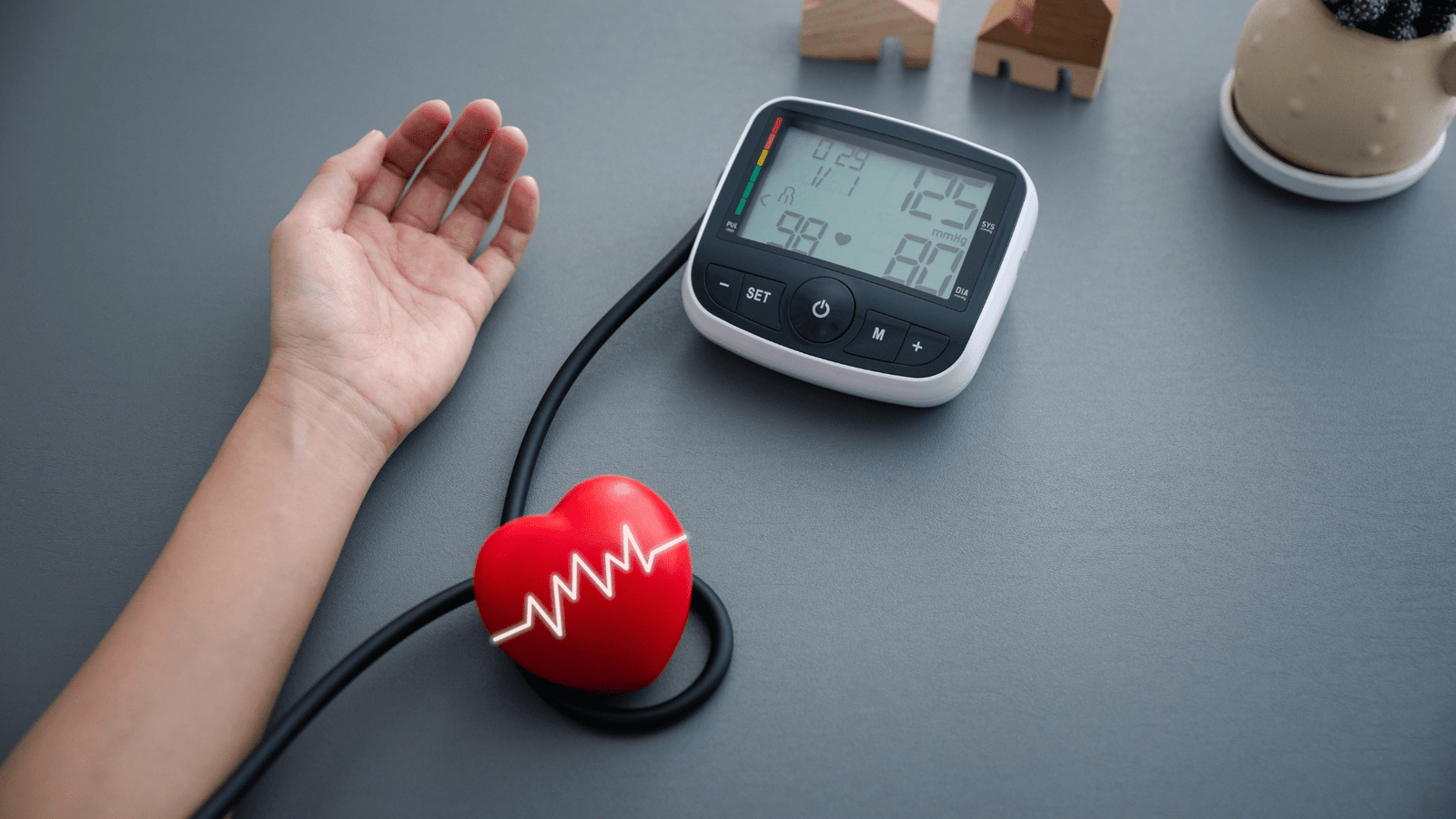
Tracking your fatty liver reversal is crucial for motivation and safety, ensuring diet and lifestyle changes yield results without complications. Start with a baseline assessment from your doctor: a liver ultrasound detects fat buildup, while blood tests for ALT and AST enzymes gauge inflammation—elevated levels often normalize first. Advanced options like FibroScan measure stiffness non-invasively, spotting early fibrosis.
Recheck at 3-6 months, or sooner if symptoms like fatigue or pain persist. Expect ALT/AST drops within weeks of 5% weight loss, with meaningful fat reduction (via imaging) after 7-10% total loss over months, per clinical studies. US AASLD guidelines emphasize sustained habits over fad diets for lasting remission, with 64% success in structured programs.
Use home metrics too: track weight weekly, waist circumference monthly, and symptoms via journal. Apps like MyFitnessPal log progress; consult your physician for tailored timelines, especially with comorbidities like diabetes. Consistent monitoring turns reversal into reality—patience pays off.
When to See a Doctor
Consult if symptoms like fatigue, abdominal pain emerge, or for personalized plans—especially with diabetes or obesity. Natural methods work best early; advanced NASH may need meds like pioglitazone. In the US, clinics like UChicago’s offer RD support.
Reversing fatty liver empowers Americans amid rising rates—start today with small swaps for lasting health.

Omisha is a health writer passionate about turning complex medical research into clear, actionable content readers can trust. She covers everything from nutrition and mental wellness to chronic disease management, always grounding her work in credible science and real-world relevance. When she's not writing, she's usually reading up on the latest health studies or exploring new wellness trends to write about next.