Mineral Sunscreen Is Now a Morning Makeup Step for Millions of US Women
Dermatologists say the shift from optional extra to essential first step represents one of the most significant changes in American women’s beauty routines in a generation.
Walk into any Sephora, scroll through a morning skincare TikTok, or flip open a dermatologist’s patient pamphlet in 2026, and you’ll notice the same thing: mineral sunscreen has moved from the “optional finish” at the end of a skincare routine to Step One of the morning makeup ritual for tens of millions of American women. It sits on bathroom shelves next to primer, foundation, and concealer — and increasingly, it replaces them altogether.
This isn’t a TikTok trend that will fade with the next algorithm shift. Dermatologists, beauty editors, and women across the country say this is a permanent recalibration of how Americans think about skin protection, aging, and beauty itself.
Why Mineral Sunscreen — and Why Now?
Sunscreen has always had two categories: chemical and mineral. Chemical formulas absorb UV rays and convert them to heat inside the skin; mineral formulas — powered by zinc oxide and titanium dioxide — physically sit atop the skin and scatter or reflect UV radiation before it can penetrate. Both have long been considered effective, but a cultural tipping point arrived when safety concerns about chemical filters collided with a new generation of mineral formulas that actually work under makeup.
A pivotal moment was a 2019 study published in JAMA that found several common chemical sunscreen ingredients were absorbed into the bloodstream at levels higher than previously acknowledged. The FDA subsequently requested more safety data on these ingredients. That study didn’t prove harm — but it planted a seed of doubt that millions of health-conscious American women were not willing to ignore. The migration toward mineral options accelerated sharply.
“Mineral sunscreens with zinc oxide or titanium dioxide sit on top of the skin and physically block UV rays. They are particularly recommended for pregnancy, sensitive skin, and anyone who prefers an ingredient profile with a longer safety record.”
— Based on guidance from dermatologist Dr. Heather D. Rogers, MD, Doctor Rogers Skin CareSimultaneously, product innovation caught up with demand. For years, the knock on mineral sunscreens was their notorious white cast — a chalky, ghostly finish that made darker skin tones look ashen and anyone look underprepared. Formulators solved this problem. Today’s tinted mineral sunscreens use micronized zinc particles and iron oxide pigments to blend seamlessly across a range of skin tones while adding a hint of coverage that rivals a light foundation.
The Morning Routine Revolution
Understanding why this shift matters requires understanding how the modern American woman’s morning routine has been restructured. Where a decade ago the order was typically: moisturizer → primer → foundation → SPF (sometimes), dermatologists and estheticians now unanimously preach a different sequence.
Start fresh. A gentle cleanser removes overnight buildup so active ingredients can absorb properly. “You need clean skin that’s totally free of oil and grime,” dermatologist Mona Gohara, MD, told Cosmopolitan.
Antioxidant serums applied before sunscreen help neutralize free radical damage and can enhance overall UV protection.
For dry or sensitive skin, a lightweight moisturizer primes the skin barrier before sunscreen. Zinc-based formulas can feel drying on bare skin without this prep step.
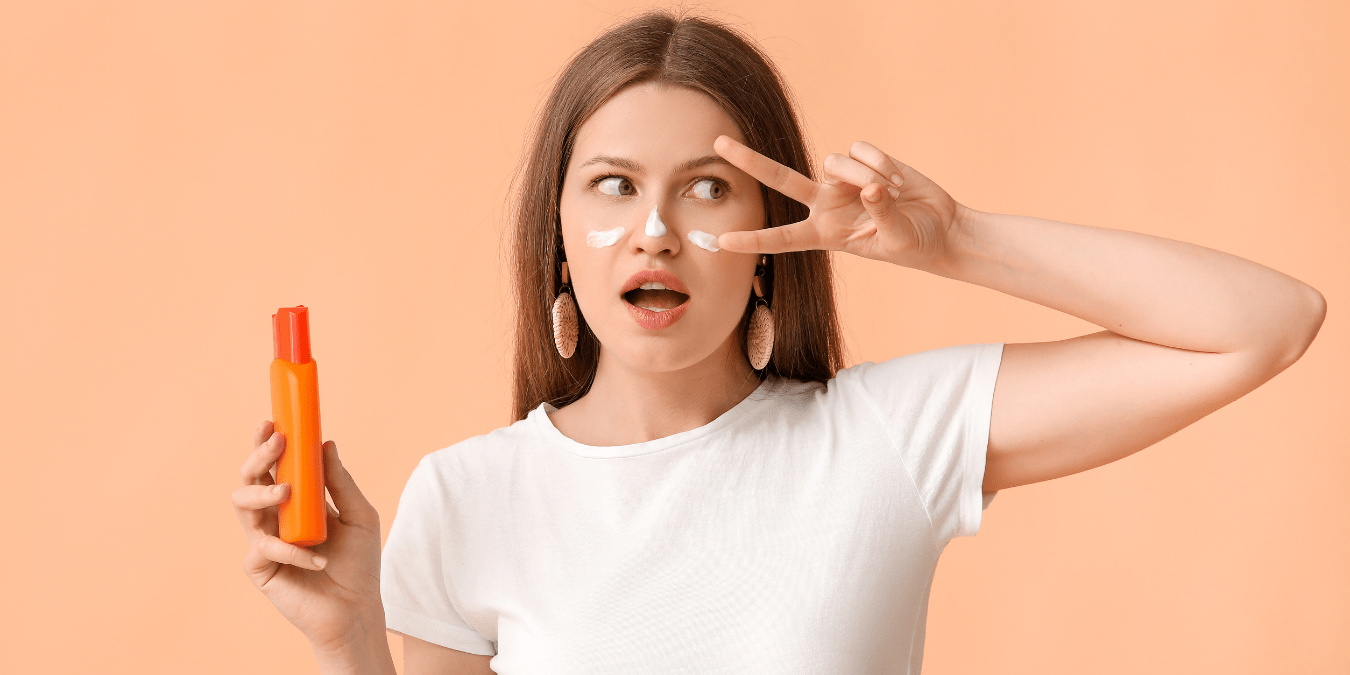
Apply a broad-spectrum SPF 30 or higher as the final skincare layer. This is now the keystone of the morning routine for millions of US women — not an afterthought. Pay special attention to the nose, cheekbones, and areas facing the sun perpendicularly.
Foundation, blush, and powder go on top of — never instead of — sunscreen. Mineral powder foundations can actually complement mineral SPF by adding a second layer of reflective UV protection.
Even high-SPF foundations and BB creams cannot replace a dedicated sunscreen layer. According to Johns Hopkins Medicine dermatologist Anna Chien, MD, you would need to apply far more product than is typically used to reach the labeled SPF in makeup. Sunscreen first, always — makeup SPF is a bonus, not a substitute.
Mineral vs. Chemical: What Dermatologists Actually Recommend
The dermatology community has become more nuanced in its guidance over the past two years. Most board-certified dermatologists stop short of declaring chemical sunscreens unsafe — the science doesn’t support that conclusion — but many now recommend mineral formulas for specific populations and daily city use.
| Factor | Mineral Sunscreen | Chemical Sunscreen |
|---|---|---|
| Active Ingredients | Zinc oxide, titanium dioxide | Avobenzone, oxybenzone, octinoxate, homosalate |
| How It Works | Sits on skin; reflects & scatters UV | Absorbs into skin; converts UV to heat |
| Sensitive Skin | Preferred choice | May sting or irritate |
| Pregnancy | Widely recommended | More caution advised |
| Acne-Prone Skin | Less likely to cause breakouts | Some filters may clog pores |
| Under Makeup | Works well; tinted versions add coverage | Often lighter; fewer white cast issues |
| Environmental | Reef-safe; no waterway concerns | Oxybenzone linked to reef damage |
| Skin of Color | New tinted formulas address white cast | Historically better cosmetic elegance |
For women with oily skin, some dermatologists acknowledge that non-chalky chemical sunscreens may still feel better and blend more easily. The goal has never been to force one type on everyone — it’s to ensure that the sunscreen you’ll actually wear every single day is the one you choose.
Tinted Mineral Sunscreen: The Game-Changer
The single innovation that drove mineral sunscreen from skincare shelf to makeup bag was the tinted formula. Products combining zinc oxide at 5% or higher with iron oxide pigments now serve double duty: protecting against UV radiation and providing light coverage, color-correcting, and a polished finish that many women find comparable to a skin tint or light foundation.
Iron oxide deserves special recognition in this conversation. Dermatologist and blogger Dr. Bailey, MD, notes that iron oxide — often used to tint sunscreens — also helps reduce visible light and high-energy visible (HEV) blue light penetration into the skin. Digital blue light from screens contributes to skin pigmentation issues, and daily exposure for office workers is substantial. An iron oxide concentration of at least 3.2% in your SPF provides meaningful defense against this largely overlooked source of skin damage.
“Sunscreen remains the most critical anti-aging product you can use. UV exposure causes up to 80% of visible facial aging, making daily broad-spectrum protection non-negotiable.”
— Dermatologist consensus, cited across multiple clinical skincare sources, 2025–2026Dermatologists Weigh In: Skin Type Matters
One of the most useful shifts in dermatological guidance is the move toward personalized sunscreen recommendations rather than one-size-fits-all advice. Here’s how board-certified dermatologists break it down by skin type:
Sensitive & Reactive Skin
Mineral formulas are the go-to recommendation. Zinc oxide has a strong track record of tolerability. Look for fragrance-free, zinc-based SPF 30–50.
Oily & Acne-Prone Skin
Mineral sunscreens are less likely to trigger breakouts than some chemical filters. Matte-finish zinc formulas control shine while protecting. EltaMD UV Clear SPF 46 is frequently cited by dermatologists.
Dry Skin
Apply moisturizer first, then sunscreen. Zinc can feel drying on bare skin, but layered over a hydrating moisturizer, it performs beautifully without tightness.
Deeper Skin Tones
The white cast problem is largely solved by new tinted mineral formulas with iron oxide. Brands like Herbivore and ISDIN Eryfotona now offer universal tints that reviewers with darker skin tones have praised for blending invisibly.
Reapplication: The Step Everyone Forgets
Even the most diligently applied morning mineral sunscreen will lose effectiveness over time. Dermatologists universally recommend reapplication every two hours during direct sun exposure — a guideline that many American women acknowledge ignoring entirely once makeup is on.
The solution is powder or mist reapplication formats designed to go over makeup. Colorescience’s Sunforgettable Sunscreen Brush SPF 30 and Avène’s Tinted Compact SPF 50 are among the formats recommended by dermatologists for midday top-ups. They don’t disturb foundation, they’re quick to apply, and they provide meaningful UV defense during the lunch walk or afternoon commute. Dermstore’s morning routine guide specifically calls these out as the practical solution for real-life reapplication.
The Cancer Prevention Angle — Why This Matters Beyond Beauty
Skin cancer remains the most common cancer in the United States. The American Academy of Dermatology estimates that one in five Americans will develop skin cancer by age 70. Daily use of SPF 15 or higher can reduce the risk of squamous cell carcinoma by about 40% and lower melanoma risk by 50%. The beauty-driven adoption of daily mineral sunscreen by millions of women has a measurable public health dimension that extends far beyond cosmetic aging prevention.
Johns Hopkins Medicine’s dermatology team emphasizes the importance of broad-spectrum protection — coverage against both UVA and UVB rays. UVB rays cause sunburns and most skin cancers; UVA rays cause aging and also contribute to skin cancer, and critically, they penetrate window glass. That means even women who work indoors all day are receiving meaningful UVA exposure through office and car windows. This is one of the key arguments dermatologists make for daily, year-round sunscreen use — not just beach days.
Most people apply about 25–50% of the recommended sunscreen quantity. Dermatologists at Johns Hopkins note that choosing SPF 60+ compensates for under-application in real-world conditions. If you’re applying lightly — as most people do — SPF 60 may functionally deliver closer to SPF 30 protection. Going higher provides an important safety margin.
What to Look for When Shopping
With the mineral sunscreen market now flooded with options, dermatologists offer a clear checklist for choosing a formula that actually works — and that you’ll actually use:
Zinc oxide at 5% or higher is the gold standard active ingredient. It provides broader UVA protection than titanium dioxide alone. Dr. Bailey, MD recommends a minimum of 5% zinc oxide for reliable broad-spectrum coverage.
Iron oxide at 3.2% or more provides additional defense against visible and blue light — particularly relevant for women who spend significant time in front of screens.
Broad-spectrum labeling is non-negotiable. This means the formula protects against both UVA and UVA rays. A sunscreen that is broad-spectrum and SPF 30 or higher meets the dermatologist minimum standard for daily use.
Water resistance matters even for everyday use. Sweat during a morning commute, gym session, or outdoor errand can strip sunscreen effectiveness faster than UV exposure alone.
The Cultural Shift: Sun Protection as Self-Care
Beyond the clinical, something deeper is happening in American beauty culture. Sunscreen — once positioned as a product you applied reluctantly at the beach — is now aspirational. Brands like Supergoop! built their entire identity around making sunscreen something women want to wear: beautifully packaged, cosmetically elegant, and embedded in the cultural language of self-care and wellness rather than medical obligation.
The Gen Z and millennial women who lead this shift are comfortable using the language of ingredients — zinc oxide, titanium dioxide, iron oxide — with the same fluency their mothers used to discuss lipstick shades. Skincare literacy has reached a new high in the United States, driven by dermatologist-led social media, ingredient-focused beauty journalism, and a generation that grew up watching their parents deal with the consequences of decades of unprotected sun exposure.
For these women, choosing a tinted mineral SPF 50 over a traditional foundation isn’t a sacrifice — it’s an upgrade. Protection, coverage, and confidence in a single, elegant step.
Frequently Asked Questions
Sunscreen goes on after moisturizer and before makeup. The correct morning order is: cleanser, serum, moisturizer, sunscreen, then makeup. Applying sunscreen to bare, pre-moisturized skin ensures the SPF film forms correctly and doesn’t pill under foundation.
No. Dermatologists are clear on this: you cannot apply enough foundation or BB cream to reach the labeled SPF. Foundation SPF provides supplemental protection — helpful, but never sufficient as a standalone layer. Always apply a dedicated SPF 30+ sunscreen beneath your makeup.
Yes. Most dermatologists and OBGYNs recommend mineral sunscreens (zinc oxide and titanium dioxide) during pregnancy. These ingredients sit on the surface of the skin rather than absorbing into the bloodstream, which is the basis for their preferred status for pregnant and breastfeeding women.
Choose a tinted mineral sunscreen with iron oxide. Modern formulas have dramatically reduced white cast issues for all skin tones. Look for products marketed as “universal tint” or with specific shade ranges. Brands like Herbivore, ISDIN, and EltaMD’s tinted line have earned strong reviews from women across the skin tone spectrum.
Yes, if you sit near windows. UVA rays penetrate window glass and can cause cumulative skin aging and DNA damage even in an indoor environment. Dermatologists unanimously recommend daily sunscreen as a year-round habit regardless of whether you plan to go outside.

Omisha is a health writer passionate about turning complex medical research into clear, actionable content readers can trust. She covers everything from nutrition and mental wellness to chronic disease management, always grounding her work in credible science and real-world relevance. When she's not writing, she's usually reading up on the latest health studies or exploring new wellness trends to write about next.