Salmon Sperm Facials Are Selling Out Across the US — Here’s What PDRN Actually Does to Your Skin
From Beverly Hills med spas to a $19 Amazon serum, polydeoxyribonucleotide therapy is everywhere. We asked the dermatologists to cut through the hype.
Let’s be honest: the name stops you cold. Salmon sperm facial. It sounds like a dare, not a dermatology treatment. But across the United States in 2026, appointments for this oddly named procedure are getting snapped up faster than a new iPhone drop — and the waiting lists at top med spas in Manhattan, Beverly Hills, and Miami are growing by the week.
The treatment’s proper name is PDRN therapy — short for polydeoxyribonucleotide — and it has been a fixture of South Korean and Japanese dermatology clinics for over a decade. What changed is celebrity endorsement. When Kim Kardashian and Jennifer Aniston revealed they had tried it, Google searches exploded by 162 percent in a matter of weeks, according to trend forecasting firm Spate. Year-over-year interest has grown by over 1,000 percent.
So what is it, exactly? Does it work? And is it worth anywhere from $19 to $1,700 depending on where you get it? We dug into the science and spoke with board-certified dermatologists to give you the real picture.
First Things First: No One Is Putting Fish Sperm on Your Face
The name, while attention-grabbing, is misleading in the most important way. No raw salmon sperm is involved. The procedure uses DNA fragments — PDRNs — extracted from salmon and then run through a rigorous multi-step purification process that strips out all proteins, cellular material, and anything that could trigger an immune response in humans.
Specifically, PDRN is derived from the gonads of male chum salmon (Oncorhynchus keta) or salmon trout (Oncorhynchus mykiss). The testes are the source because they carry a higher concentration of the relevant DNA material. But by the time those DNA fragments reach your face, they have been processed into a pharmaceutical-grade compound that looks and behaves nothing like its biological source.
Salmon DNA is used — rather than cow or pig DNA — primarily because it is structurally very similar to human DNA and is highly biocompatible. It also happens to be abundant and cost-efficient to source. Functionally, most mammalian DNA would do the same job; salmon just made the most practical sense for researchers.
The purification process matters enormously for safety. When done properly to pharmaceutical-grade standards, PDRN is extremely well-tolerated — even by people with sensitive skin. Reactions are rare, and the ingredient has a long safety record in South Korea and Japan, where it has been used in dermatological procedures for well over a decade.
What PDRN Actually Does at the Cellular Level
Here’s where things get genuinely interesting — and where the science separates itself from the hype. PDRN doesn’t work through some vague “nourishing” mechanism. It interacts with your skin cells in two very specific, well-studied ways.
A2A Receptor Activation
PDRN binds to A2A adenosine receptors on fibroblast cells — the skin’s collagen factories. Activating these receptors triggers collagen synthesis, reduces local inflammation, and promotes new blood vessel development.
Salvage Pathway Activation
PDRN provides nucleotides — the raw building blocks of DNA — enabling cells to repair and replicate more efficiently. Rather than synthesizing new nucleotides from scratch, cells salvage them from PDRN, a faster, lower-energy process.
Fibroblast Stimulation
Fibroblasts secrete collagen, elastin, and other structural proteins. PDRN increases fibroblast activity, leading to measurably higher collagen production over the weeks following treatment.
Anti-Inflammatory Action
PDRN calms skin that has been irritated, treated with lasers, or stressed by environmental damage — making it particularly effective as a post-procedure recovery agent in clinical settings.
These two mechanisms — A2A receptor activation and the salvage pathway — work in tandem. Less inflammation allows fibroblasts to work more effectively, while the raw DNA-building materials from the salvage pathway accelerate cell turnover and repair. Collagen and elastin production ramp up over four to six weeks post-treatment, which is why the most dramatic results aren’t immediately visible.
“PDRN is a novel ingredient that increases oxygen flow, promotes tissue repair and has genuine anti-inflammatory and anti-aging properties. It has regenerative properties — cell turnover, tissue repair — and it stimulates collagen.”
— Board-Certified Dermatologist quoted in PureWow, 2025The Three Ways You Can Actually Get PDRN
Not all PDRN treatments are created equal, and the delivery method makes an enormous difference in efficacy. There’s a sliding scale of intensity — and cost.
Microneedling + PDRN (Most Popular in the US)
A SkinPen or similar microneedling device creates hundreds of microscopic channels in the skin’s surface. PDRN serum is then applied immediately afterward, penetrating deep into the dermis through those microchannels. This is the treatment Kim Kardashian and Jennifer Aniston have referenced publicly, and it’s the most widely available form in American med spas. Not yet FDA-approved, but widely used by dermatologists post-procedure.
Microinjections (Most Effective, Not FDA-Approved)
Fine needles inject PDRN directly into the dermis — the “Rejuran Healer” method dominant in South Korea. This achieves the deepest penetration and most targeted cell stimulation. Not yet available as an approved injectable treatment in the US, which is why American clinics rely on microneedling delivery instead.
Topical Serums and Masks (At-Home Option)
Over-the-counter PDRN serums and face masks — largely from K-beauty brands like Medicube, Biodance, Anua, and Rejuran — are available on Amazon and at Sephora. Topical application alone offers modest benefits; the skin’s outer barrier limits penetration. However, used after at-home microneedling or as part of a post-professional-treatment recovery routine, topical PDRN can meaningfully support skin repair.
Research from McGill University’s Office for Science and Society confirms: applying PDRN topically to intact skin is no more effective than a good moisturizer. The real benefit kicks in when PDRN can penetrate deeper — via microneedling channels or professional injection. A $20 serum applied to dry, unbroken skin won’t deliver injectable-grade results.
What the Science Actually Backs Up (And What It Doesn’t)
PDRN research dates back to the 1980s, when scientists first theorized that DNA fragments could accelerate wound healing by supplying the raw materials for cellular repair. That foundational theory has held up well.
A 2021 review of 25 years of published papers confirmed that PDRN is effective in wound healing, cell migration and growth, and reduction of inflammation. More recent studies show measurable increases in collagen-producing fibroblast activity and meaningful improvements in skin hydration and elasticity.
Where the science is still catching up:
- Long-term controlled trials are lacking. Most studies are short-term or combine PDRN with other agents like hyaluronic acid, making it hard to isolate PDRN’s specific contribution.
- Topical efficacy is unproven at scale. Research showing meaningful skin improvement consistently involves microneedling or injection delivery — not simple topical application.
- No definitive comparative studies vs. retinoids. Retinoids remain the gold standard for anti-aging with decades of randomized controlled trial data. PDRN is still building that evidence base.
The honest dermatologist’s take? PDRN is a genuinely promising regenerative ingredient — not a gimmick. But it should be viewed as a supportive tool in a broader skincare strategy, not a standalone miracle cure.
PDRN could offer meaningful skin repair — but it’s a supporting player, not the star of the show.
PDRN vs. Established Anti-Aging Ingredients: A Side-by-Side
| Ingredient | Evidence Base | Best For | Cost | US Availability |
|---|---|---|---|---|
| PDRN (Injectable) | Growing | Regeneration, collagen, glow | $800–$1,700 | Off-label only |
| PDRN (Microneedling) | Moderate | Texture, hydration, post-procedure | $300–$800 | Widely available |
| PDRN (Topical) | Limited alone | Recovery support, mild hydration | $19–$45 | OTC everywhere |
| Retinoids (Rx) | Gold Standard | Wrinkles, acne, pigmentation | $30–$200+ | Rx required |
| Hyaluronic Acid | Strong | Hydration, plumping | $15–$60 | OTC everywhere |
| Vitamin C (L-Ascorbic) | Strong | Brightening, antioxidant | $20–$80 | OTC everywhere |
What a Real Treatment Session Looks Like
If you’re considering booking a professional PDRN treatment at a US med spa or dermatology office, here’s what to expect — demystified.
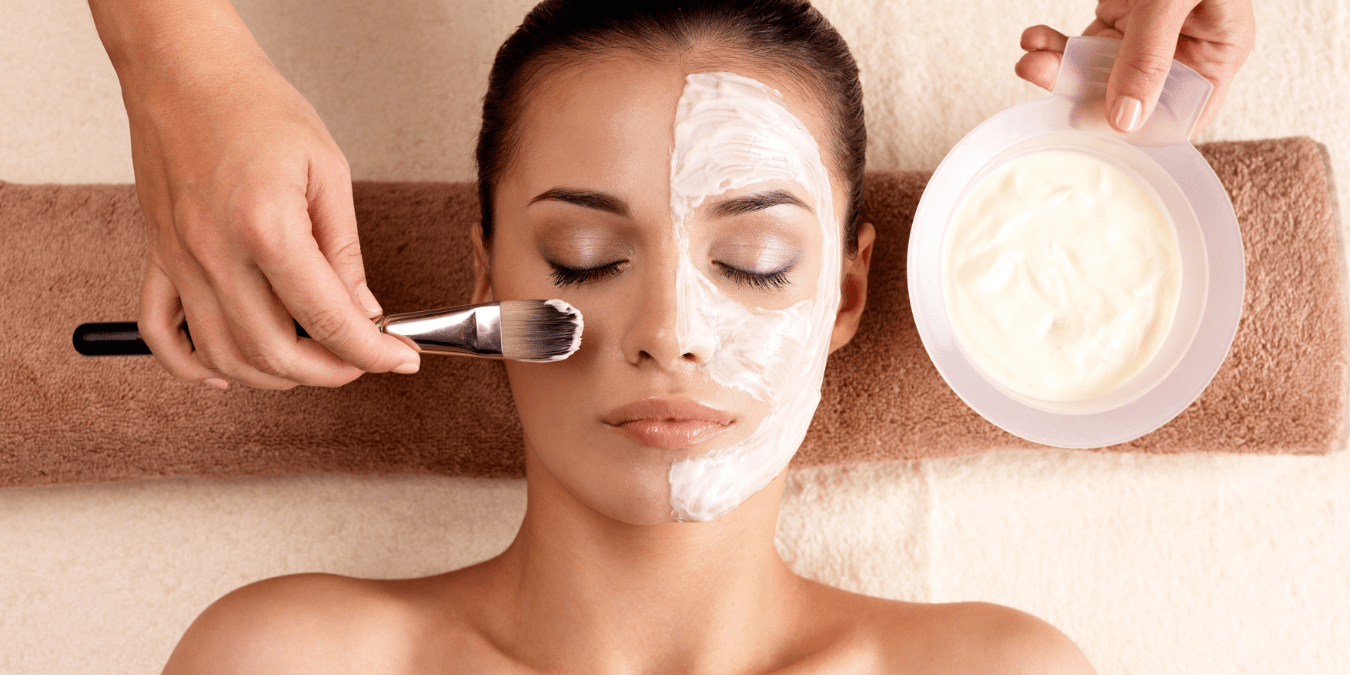
Most sessions run between 30 and 60 minutes from prep to finish. Your provider will start with a consultation and a thorough cleanse of the treatment area. For a microneedling-plus-PDRN session, a topical numbing cream is typically applied first and allowed to work for 20 to 30 minutes. The actual microneedling portion takes about 15 to 20 minutes, depending on the size of the treatment area. PDRN is applied immediately after microneedling while the microchannels are still open and receptive.
Post-treatment, expect mild redness and sensitivity lasting one to two days — similar to a light sunburn. Most patients resume normal activities within 24 hours. Makeup should be avoided for at least 24 hours to prevent infection through the open microchannels.
You may notice improved hydration and a subtle glow within the first week. The more significant benefits — firmer skin, reduced fine lines, better texture — develop over four to six weeks as new collagen production ramps up. For optimal results, most providers recommend a series of three to four treatments spaced three to four weeks apart, followed by maintenance sessions every few months.
The At-Home PDRN Market: What’s Worth Buying
You don’t need to spend $1,000 to try PDRN. The K-beauty industry has brought the ingredient to mainstream retail at a fraction of clinical prices. When shopping for topical PDRN products, look for a concentration between 0.5% and 2%. Products in this range are generally considered effective for promoting skin repair, hydration, and overall skin quality. Higher concentrations (3 to 5 percent) are reserved for clinical and therapeutic applications.
If you’d prefer to avoid salmon-derived PDRN, Bano’s ampoule derives its PDRN from fermented yeast, offering a vegan-friendly alternative. Efficacy compared to salmon-derived versions hasn’t been rigorously head-to-head tested, but it’s a fast-growing category.
Who Should (and Shouldn’t) Try PDRN
PDRN is notably inclusive in its applicability — it suits almost all skin types and tones. Unlike aggressive exfoliants or laser treatments that require careful calibration for darker skin tones, PDRN works with the skin’s natural repair processes rather than against them.
PDRN may be particularly beneficial if you: are looking to address early-to-moderate signs of aging; have dull, tired-looking skin that has lost its glow; are recovering from acne, laser resurfacing, or other invasive procedures; have sensitive skin that can’t tolerate retinoids at full strength; or want to optimize results from existing microneedling treatments.
Approach with caution or consult first if you: are pregnant or nursing (limited safety data in this population); have a known allergy to fish; have active skin infections or open wounds in the treatment area; or are taking medications that affect healing or clotting.
The Bottom Line: Genuine Science or Celebrity-Fueled Hype?
Both, honestly — but the science is more solid than the name suggests.
PDRN therapy is not a gimmick invented by social media. It has legitimate research behind it going back 40 years, a well-established track record in Asian dermatology, and plausible, well-understood mechanisms of action at the cellular level. The anti-inflammatory, collagen-stimulating, and tissue-repair effects are real — particularly when PDRN is delivered via microneedling or injection rather than applied to unbroken skin.
What it isn’t is a replacement for established, gold-standard anti-aging ingredients. Dermatologists are unanimous that retinoids, vitamin C, and broad-spectrum SPF remain the cornerstones of any evidence-backed skincare regimen. PDRN is best understood as an intelligent addition to that toolkit — one that works particularly well as a healing and regeneration booster alongside clinical procedures.
At $19 for a well-reviewed OTC serum to use post-microneedling? The risk-reward calculus is genuinely compelling. At $1,700 for a luxury spa package as your primary anti-aging strategy? The evidence doesn’t fully support the price tag yet.
One thing is certain: PDRN is no longer a fringe Korean beauty treatment whispered about in niche skincare forums. It’s in American med spas, on Amazon’s bestseller lists, and — whether we like the name or not — it’s here to stay.
Frequently Asked Questions
Sources & References
- Khan A, et al. (2022). Polydeoxyribonucleotide: A promising skin anti-aging agent. Journal of Cosmetic Dermatology.
- McGill University, Office for Science and Society. “Salmon Sperm and Penis Facials.” December 2025.
- Medical News Today. “What are salmon sperm facials and do they boost skin appearance?” August 2025.
- NBC News / Select. “What derms want you to know about PDRN.” August 2025.
- Westlake Dermatology. “Salmon Sperm Facial (PDRN) In Austin.” December 2025.
- Spate. Trend data: PDRN / Salmon sperm facial search interest metrics, 2025–2026.

Omisha is a health writer passionate about turning complex medical research into clear, actionable content readers can trust. She covers everything from nutrition and mental wellness to chronic disease management, always grounding her work in credible science and real-world relevance. When she's not writing, she's usually reading up on the latest health studies or exploring new wellness trends to write about next.