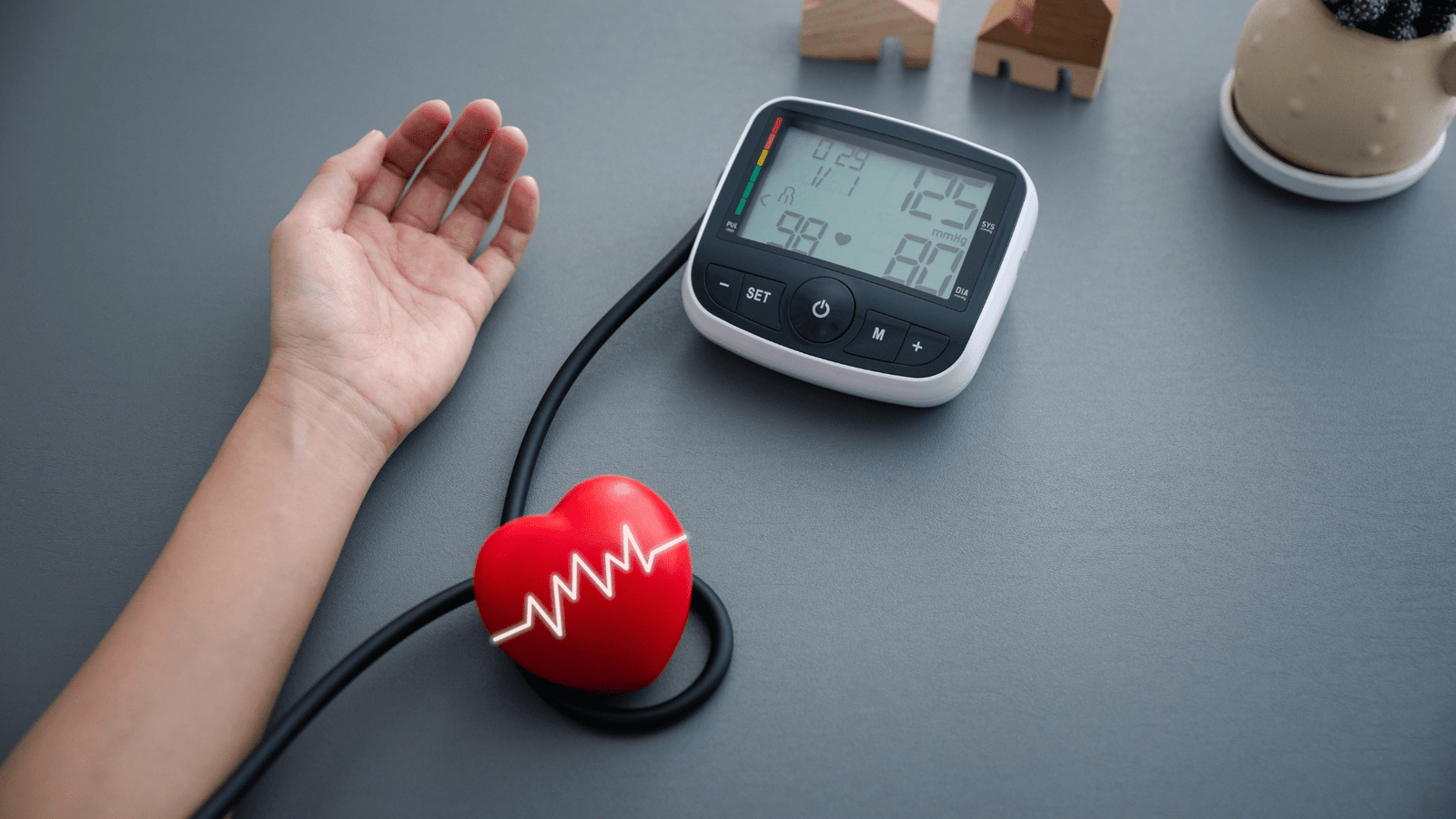
The surprising truth about cholesterol in 2025—beyond fat and statins lies a complex science that could change how you protect your heart. Discover little-known lifestyle hacks, powerful new drinks, mental health secrets, and next-gen treatments transforming cholesterol control today. Ready to take charge? Your heart depends on it.
Did you know that over 34% of American adults still have high cholesterol? Yet, despite decades of warnings and medical advice, heart disease remains the leading cause of death in the U.S., responsible for nearly 940,000 deaths just last year. The real shock? Most people don’t realize that lowering cholesterol is not just about cutting fat or taking statins—it’s about understanding a complex, evolving science tied to lifestyle, genetics, and emerging treatments. What if the key to saving your heart lies in unexpected, little-known strategies that go beyond the usual advice? This blog uncovers those hidden gems and equips you with actionable steps crafted for 2025’s health landscape.
Understanding Cholesterol: The Full Picture
Cholesterol is a waxy substance vital for building cells and producing certain hormones, but when its levels go unchecked, it becomes a silent enemy. The main players are LDL (low-density lipoprotein) — often dubbed “bad” cholesterol — and HDL (high-density lipoprotein), the “good” cholesterol. What often goes unnoticed is the role of particle size, ratios, and inflammation in how cholesterol impacts your heart risk.
The 2025 Cholesterol Landscape in America
- 86.4 million adults (34.7%) have total cholesterol levels above 200 mg/dL; 10% above 240 mg/dL, entering the high-risk category.
- 25.5% have high LDL levels (≥130 mg/dL), while 16.9% have low protective HDL levels (<40 mg/dL).
- Cardiovascular disease affects nearly half (48.6%) of U.S. adults, with cholesterol management being central to prevention.
Despite advances, these numbers reveal an urgent need for smarter approaches beyond the traditional—backed by new scientific findings and treatment innovations in 2025.
Why Conventional Advice Sometimes Fails
Most cholesterol-lowering advice still emphasizes:
- Reduce saturated fats (red meat, full-fat dairy)
- Increase soluble fiber (oats, beans, fruits)
- Exercise regularly
- Consider statins if prescribed
But why are many still struggling?
Hidden Challenges
- Cholesterol particle complexity: LDL particle size and number matter more than total LDL counts; small dense LDL particles jumpstart artery damage.
- Genetic factors: Familial hypercholesterolemia affects 1 in 250 people, requiring specialized care beyond diet and lifestyle.
- Inflammation: Chronic inflammation is an underestimated factor worsening plaque buildup, sometimes irrespective of cholesterol numbers.
- Medication gaps: Statin intolerance or insufficient response necessitates newer drugs like bempedoic acid, now recommended in updated 2025 guidelines for those unable to take statins.
Surprising Ways to Lower Cholesterol in 2025
1. Optimize Your Lipid Ratios, Not Just Numbers
Recent studies highlight that cholesterol ratios, such as non-HDL to HDL cholesterol, provide a sharper predictor of heart risk than individual levels. The American Heart Association (AHA) and the 2025 ESC guidelines emphasize targeting LDL below 70 mg/dL in high-risk patients, but also monitoring ratios to guide therapy.
2. Embrace Anti-Inflammatory Diets
Cholesterol’s damage is compounded by inflammation. Incorporating foods rich in antioxidants and omega-3 fatty acids — salmon, walnuts, flaxseeds, and lots of colorful fruits and vegetables — counters this effect far beyond lowering cholesterol alone.
3. New Super Drinks That Help
Beyond water, the latest 2025 evidence introduces several beverages that help manage cholesterol naturally:
- Green tea and berry smoothies for antioxidants
- Soy and oat drinks for plant sterols and soluble fiber
- Tomato juice for lycopene, an anti-inflammatory agent
These drinks complement dietary efforts and improve lipid profiles.
4. Personalize With Genetic and Risk Profiling
New predictive tools like SCORE2 and SCORE2-OP algorithms enable personalized heart risk assessments, considering genetics, lifestyle, and comorbidities such as cancer and HIV. This approach tailors cholesterol management including when to initiate advanced therapies or integrate lifestyle intensely.
5. Leverage Mind-Body Approaches and Mental Health Care
The 2025 ESC consensus underscores the critical link between mental health and cardiovascular risk. Stress, anxiety, and depression are associated with worse cholesterol and heart disease outcomes. Incorporating mindfulness, cognitive therapies, and professional mental health support can indirectly but powerfully improve cholesterol and cardiac health.
A Step-by-Step Game Plan to Lower Cholesterol Effectively
Step 1: Go Beyond “Eat Less Fat”
Focus on quality fats: Increase olive oil, avocado, and oily fish while cutting saturated and trans fats. Add natural plant stanols and sterols from nuts and legumes to block cholesterol absorption.
Step 2: Amplify Fiber Intake
Aim for at least 10-25 grams of soluble fiber daily from oats, barley, beans, apples, and carrots, which help remove cholesterol via digestion.
Step 3: Stay Physically Active
At least 150 minutes of aerobic exercise weekly is proven to boost HDL and reduce LDL particle size, alongside weight loss benefits. Find enjoyable activities to maintain consistency.
Step 4: Adopt Heart-Supportive Drinks
Incorporate green tea, soy milk, and tomato juice to your daily regimen to support lipid balance and reduce inflammation.
Step 5: Get Tested and Monitor Lipid Ratios
Discuss advanced lipid profile testing with your doctor, including LDL particle size and non-HDL/HDL ratios, along with genetic screening if family history suggests risk.
Step 6: Address Mental Health
Reduce stress and treat anxiety/depression with professional help to improve overall cardiovascular health and cholesterol outcomes.
Step 7: Follow Advanced Medical Therapies If Needed
If lifestyle changes aren’t enough or statins aren’t tolerated, newer medications like bempedoic acid offer effective LDL lowering with fewer side effects.
Why Act Now? The Costs of Delay
The burden of cardiovascular disease continues to rise globally and in the U.S. despite medical advances. In 2022 alone, heart disease and stroke claimed more lives than cancer combined, costing the U.S. health system over $400 billion annually. For many, elevated cholesterol silently pumps risk into their arteries, making it a pressing health emergency demanding immediate, informed action.
Future Horizons: What’s Next in Cholesterol Control?
Researchers are exploring revolutionary lipid-lowering approaches including gene-editing therapies, vaccines against cholesterol-producing enzymes, and microbiome modulation. The integration of AI-driven risk prediction tools promises highly personalized treatment and prevention strategies.
Stay tuned—these innovations could redefine heart care within the next decade, turning the tide on cardiovascular disease and freeing millions from its grip.
Final Thought: Your Cholesterol, Your Control
Lowering cholesterol in 2025 is no longer just about cutting fat or popping pills. It requires a smart, personalized, and holistic strategy leveraging latest insights and technology. By embracing anti-inflammatory diets, personalized testing, targeted exercise, heart-healthy drinks, mental health care, and innovative medications, you can significantly reduce your risk and take control of your heart health.
Take the first step today—your heart will thank you tomorrow.

Omisha is a health writer passionate about turning complex medical research into clear, actionable content readers can trust. She covers everything from nutrition and mental wellness to chronic disease management, always grounding her work in credible science and real-world relevance. When she's not writing, she's usually reading up on the latest health studies or exploring new wellness trends to write about next.