In 2025, kidney stones impact 1 in 10 Americans more than ever before, but what if the real causes remain hidden beneath common advice? Discover why hydration and diet alone aren’t enough, learn surprising genetic and environmental triggers, and uncover future breakthroughs that could revolutionize prevention. Don’t miss essential insights for lasting relief.
What causes kidney stones? The answer goes far beyond the common warning to “drink more water.” In fact, did you know that nearly 1 in 10 people in the U.S. will develop kidney stones at some point in their lives — and the risk has more than doubled since the 1970s? Yet, the hidden interplay of diet, genetics, medical conditions, and even climate means that many causes remain surprising, misunderstood, or often overlooked. What are those lesser-known triggers, how do modern lifestyles and health trends influence stone formation, and what cutting-edge research is reshaping prevention and treatment in 2025?
Read on to uncover the nuanced causes of kidney stones, enriched with expert insights, fresh data, and actionable advice tailored to help readers understand, prevent, and manage this painful condition.
What Are Kidney Stones? A Quick Overview
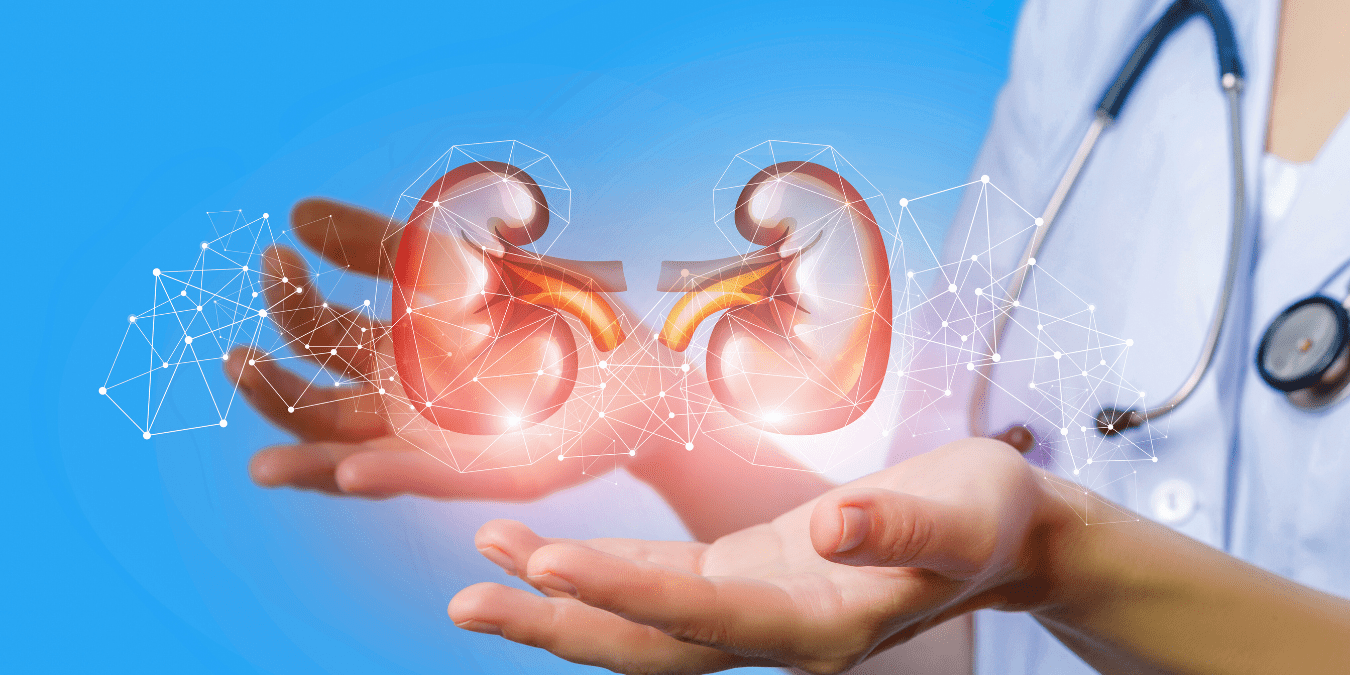
Kidney stones are hard, crystalline mineral and salt deposits that form inside the kidneys when urine contains high levels of certain substances but is low in fluids to dilute them. Though often referred to as renal calculi or nephrolithiasis, kidney stones vary widely by type, cause, symptoms, and appropriate treatment. Stones may stay dormant or move down the urinary tract, sometimes causing extreme pain, urinary blockage, infection, or kidney damage. Prompt diagnosis and treatment minimize complications, with prevention being an essential focus since recurrence rates are high—up to 50% or more once a stone has occurred.
- Louisiana Vibrio Vulnificus Outbreak 2026 Explained: Who Faces the Greatest Risk in Gulf Coast Waters and How to Stay Safe
- 3 Midlife Habits Linked to Almost 13 More Dementia-Free Years, According to a 26-Year Study of 12,409 Adults
- Your Blood Pressure Reading Has a “Hidden Number” Doctors Say Most People Ignore
- AI Is Now Diagnosing Your Skin Before You Even Visit a Dermatologist — Here’s How the Beauty Industry Is Changing Everything in 2026
- The Side-Part Is Making the Most Unexpected Comeback in American Beauty History — And This Time, It’s Not Going Anywhere
The Usual Suspects: Primary Causes of Kidney Stones
1. Mineral Imbalances in Urine
Kidney stones mainly arise when urine becomes supersaturated with crystal-forming minerals that fail to dissolve properly. Key culprits include:
- Calcium (most common): Especially calcium oxalate and calcium phosphate. Calcium oxalate stones form when oxalate, a natural liver-produced or dietary substance, combines with calcium. Calcium phosphate stones are associated with more alkaline (less acidic) urine. Diets high in sodium, protein, and oxalate-rich foods elevate risk.
- Uric acid: Excess uric acid crystallizes into stones, particularly in people with gout, diabetes, or diets rich in animal protein and organ meats. Genetic factors also influence this risk.
- Struvite: Formed from infections, these stones grow rapidly and can become large but are less common.
- Cystine: Linked to a rare genetic condition causing excess cystine leakage in urine.
2. Dehydration: A Silent Accelerator
Not drinking enough fluids is the most straightforward and preventable cause. Insufficient water intake leads to concentrated urine, promoting crystal formation. This risk is amplified in hot, dry climates or with excessive sweating, which many Americans experience due to climate change-induced heat waves and lifestyle factors.
3. Diet and Lifestyle Shifts: More Than Just Salt and Water
Beyond dehydration, current American diets play a significant role:
- Excess sodium increases calcium excretion in urine.
- High intake of animal protein boosts uric acid and lowers citrate, a key natural inhibitor of stones.
- Added sugars, including high-fructose corn syrup, affect uric acid metabolism.
- Low intake of fruits and vegetables reduces urine alkalinity and systemic antioxidants that protect kidney health.
Obesity, affecting over 40% of U.S. adults, intertwines with these dietary risks, altering metabolism in ways that favor stone formation.
Hidden and Emerging Causes: What You Probably Didn’t Know
Genetic Influence: How Your DNA Can Tip the Scales
Recent 2025 research highlights that specific genetic mutations increase the risk of kidney stones by altering metabolism, calcium, and oxalate processing. Whole-genome studies identify genetic changes linked with stone formation, opening pathways for personalized prevention or medical therapy. For example, rare conditions like primary hyperoxaluria cause excessive oxalate production leading to early and recurrent stones.
Gut Health and Surgery: The Digestive-Kidney Connection
Gastric bypass and inflammatory bowel diseases disrupt nutrient absorption, increasing oxalate absorption from the gut, resulting in more calcium oxalate stones. Chronic diarrhea and other malabsorptive states similarly concentrate stone-forming substances in urine.
Medication and Supplement Use: Not Always Innocent
Some drugs like topiramate (used for migraines and seizures), vitamin C supplements at high doses, laxatives, calcium-based antacids, and certain depression medicines can alter urine chemistry to foster stones. This insight urges caution in supplement use, especially without medical guidance.
Climate Change and Water Quality: A Growing Concern
Rarely acknowledged but increasingly studied is how climate shifts are contributing to kidney stone prevalence in the U.S. Increased temperatures boost dehydration risks, while changes in water mineral content and access to quality hydration further complicate prevention.
Why Do Kidney Stones Hurt So Much? The Science of Pain
Kidney stones cause severe pain mainly when they move from the kidney into the ureters, narrow tubes leading to the bladder. Stones can block urine flow, causing swelling, spasms, and sharp, radiating pain from the lower back to the groin. This pain varies in intensity as stones shift or cause tissue irritation.
Understanding this pain mechanism underscores why timely diagnosis and hydration strategies can help relieve symptoms and prevent complications.
Kidney Stone Types and Their Causes: What Your Stone Reveals
Different stone types hint at different root causes and inform prevention:
| Stone Type | Cause Highlights | Diet & Medical Links |
| Calcium Oxalate | High oxalate intake, low fluids, genetics | Spinach, nuts, chocolate; low calcium intake; metabolic issues |
| Calcium Phosphate | Alkaline urine, certain meds, metabolic acidosis | UTI history, certain migraine/seizure drugs |
| Uric Acid | High animal protein, gout, diabetes | Red meat, organ meats, shellfish; genetic predisposition |
| Struvite | Urinary tract infections | Infections producing ammonia in urine |
| Cystine | Genetic cystinuria disorder | Rare inherited condition |
Capturing and analyzing passed stones is an important step to tailor prevention strategies.
How Modern Medicine and Lifestyle Changes Fight Kidney Stones
Personalized Prevention Plans
Prevention today is more personalized than ever. U.S. healthcare providers now routinely use 24-hour urine collections to analyze risk factors and stone composition. This data helps create tailored diet, medication, and hydration plans to prevent recurrence.
Dietary Guidelines for 2025
- Drink enough water to produce roughly 2.1 liters of urine daily (may be more in hot climates and active people).
- Balance calcium intake through diet—not supplements—since dietary calcium binds oxalate in the gut reducing stone formation.
- Limit high-oxalate foods selectively; consultation with dietitians is recommended as many such foods are nutritious.
- Reduce sodium, added sugars, and excessive animal protein intake.
- Increase fruits and vegetables for natural citrate, which inhibits stones.
Medication Innovations
Recent FDA-approved medications like lumasiran and nedosiran specifically for rare oxalate overproduction offer new hope for complex cases. Other medications adjust urine acidity or reduce mineral excretion to lower risk.
Surgical Advances
For stones too large or symptomatic to pass naturally, minimally invasive procedures like lithotripsy and ureteroscopy effectively remove stones with reduced recovery times.
Emotional and Real-Life Impacts
Kidney stones cause “one of the most painful experiences” known, often prompting emergency visits. The unpredictable nature—pain flares, inability to sit, nausea—creates urgency for better public awareness and prevention. Sharing knowledge about personalized risk factors and proactive hydration can relieve anxiety and empower lifestyle changes that save future suffering.
Actionable Takeaways for Readers
- Hydrate strategically: Aim for consistent, ample water intake daily and monitor urine color as an easy hydration check.
- Review your diet: Moderate sodium, animal protein, and oxalate foods; seek guidance from kidney-friendly nutrition experts.
- Know your family history: Share this with your doctor to assess your risk better.
- Capture stones: If you pass one, get it analyzed to target prevention.
- Consult your healthcare provider: For personalized testing, medication options, and advice—especially if you have recurrent stones.
What’s Next? Kidney Stones in 2026 and Beyond
Exciting developments in genetics, metabolomics, and personalized medicine promise earlier detection, risk stratification, and targeted therapies tailored to individual metabolic profiles and genetic markers. Advances in wearable hydration tracking and AI diet optimization apps may soon integrate directly with healthcare to prevent stones more effectively.
Final Thought
In 2025, the future of kidney stone management shines bright with rapid advancements in technology and personalized medicine. Artificial intelligence is transforming diagnosis and treatment, enabling precise, individualized care that reduces pain and recurrence. Minimally invasive surgical tools and robotic-assisted procedures are making treatments safer and recovery faster. Meanwhile, ongoing research explores new medications and prevention strategies tailored to genetic and metabolic profiles. As these innovations continue, they offer hope for a future where kidney stones are not only more manageable but also largely preventable, empowering patients to live healthier, stone-free lives with less fear and disruption. Stay tuned—these developments promise to revolutionize kidney health soon.

Omisha is a health writer passionate about turning complex medical research into clear, actionable content readers can trust. She covers everything from nutrition and mental wellness to chronic disease management, always grounding her work in credible science and real-world relevance. When she's not writing, she's usually reading up on the latest health studies or exploring new wellness trends to write about next.