The hidden power of wearable tech in 2025! Discover how smartwatches and biometric wearables with generative AI are revolutionizing daily health decisions, offering real-time, personalized coaching that can predict and prevent health issues before symptoms arise. Are you ready to transform your wellness journey today?
A device on your wrist that not only counts your steps but predicts your health risks, customizes your workouts in real-time, and coaches you through stress and sleep—without you lifting a finger. This is not sci-fi; it’s the evolution of wearable technology in 2025. But here’s the shocking twist: What if these smart devices are just the tip of the iceberg in a seismic shift that’s transforming fitness, health, and even how we live? What hidden powers do these wearables hold that most Americans are unaware of? Keep reading.
Why Wearable Technology Is 2025’s Top Fitness Trend
The American College of Sports Medicine (ACSM) crowned wearable technology as the leading fitness trend for 2025, surpassing mobile exercise apps and specialized exercise programs for older adults. This wasn’t a casual nod—the selection was based on extensive surveys of over 2,000 fitness clinicians, researchers, and practitioners who see wearable’s changing the game for health and wellness.
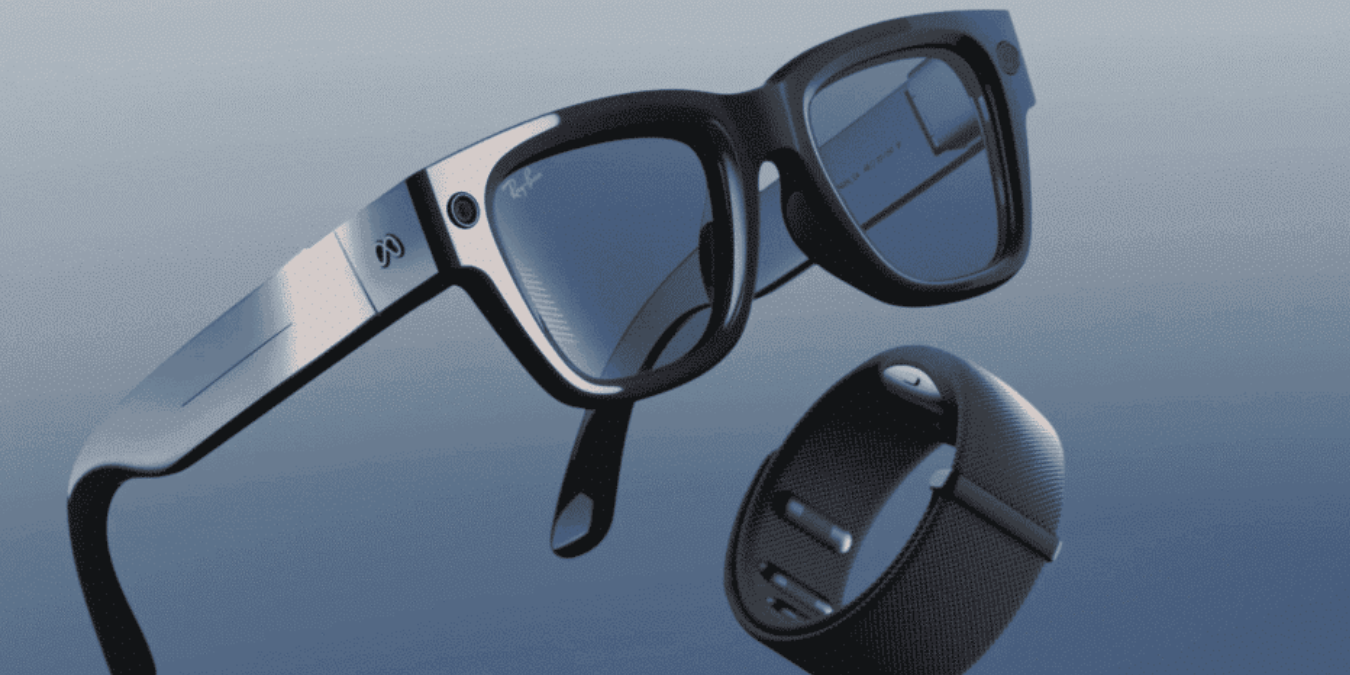
What’s driving this surge? It’s the convergence of smartwatches, fitness trackers, biometric wearable’s, and even AI-powered rings that no longer just track data but unlock powerful insights and actionable coaching personalized to your body’s needs in real-time.
- Louisiana Vibrio Vulnificus Outbreak 2026 Explained: Who Faces the Greatest Risk in Gulf Coast Waters and How to Stay Safe
- 3 Midlife Habits Linked to Almost 13 More Dementia-Free Years, According to a 26-Year Study of 12,409 Adults
- Your Blood Pressure Reading Has a “Hidden Number” Doctors Say Most People Ignore
- AI Is Now Diagnosing Your Skin Before You Even Visit a Dermatologist — Here’s How the Beauty Industry Is Changing Everything in 2026
- The Side-Part Is Making the Most Unexpected Comeback in American Beauty History — And This Time, It’s Not Going Anywhere
The Hidden Power of Generative AI and Real-Time Coaching
What separates 2025 wearable’s from years past is generative AI embedded in these devices. These AI systems learn your habits, health trends, stresses, and recovery patterns, creating a dynamically evolving fitness coach on your wrist.
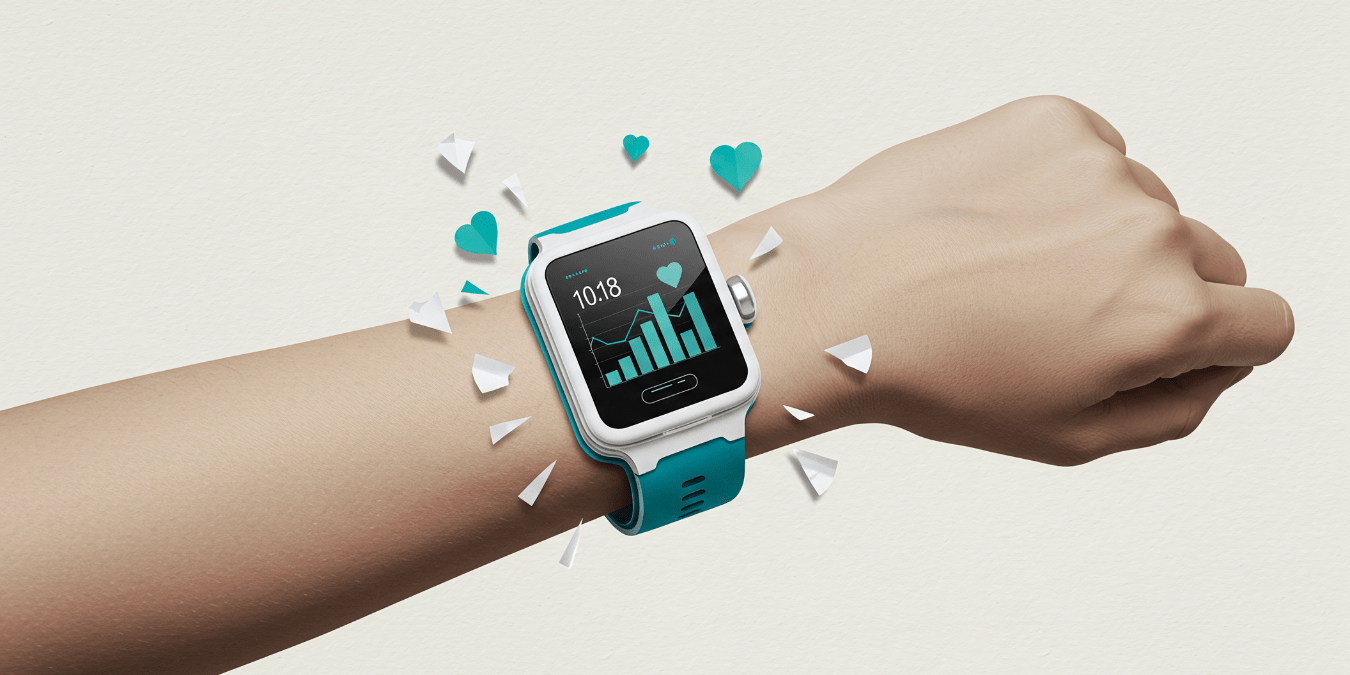
For example, your smartwatch may analyze your sleep quality, heart rate variability, and activity levels to generate tailored workouts, adjust your stress-management routines, or signal when you’re pushing too hard or slacking. This AI interaction isn’t static; it’s real-time and anticipatory—offering suggestions before you feel fatigued or stressed, boosting performance and wellbeing.
Little-Known Metrics They Track — Beyond Steps and Heart Rate
Most people know wearable’s track steps, calories, and heart rate. But the newest models monitor advanced biometric data including:
- Continuous glucose levels through non-invasive sensors for diabetes management and metabolic health alerts
- Stress and recovery status using heart rate variability (HRV) patterns
- Sleep architecture phases to optimize rest quality and mental health
- Environmental factors like air quality to warn about allergies or respiratory risks
- Muscle hydration and fatigue monitoring via smart clothing for athletes
These insights provide a holistic view of your health, so coaches and users can make informed adjustments that extend beyond conventional fitness metrics.
Why Personalization Is the Future: Data-Driven Fitness Coaching
In 2025, fitness coaching powered by wearable data is shifting from generic programs to hyper-personalized fitness journeys. Coaches can analyze precise data from heart rate, recovery, sleep, and workout intensity to tailor plans that evolve weekly or even daily—depending on how your body responds.
This agility means faster progress, fewer injuries, and workouts scientifically optimized for YOU. Clients also get motivational boosts by seeing real-time progress and receiving adaptive feedback, helping sustain long-term fitness commitments.
The Emotional Impact: Why People Are Excited and Relieved
For many Americans, wearable tech represents more than fitness—it offers hope and relief from the frustration of one-size-fits-all health plans. It empowers users with control over their health data and progress, reducing anxiety about unknown risks or stagnation.
The aspiration to live longer, healthier lives with less guesswork creates emotional buy-in. Families benefit too, as wearable’s can alert users and caregivers to health anomalies like irregular heartbeats or falls, providing peace of mind for seniors and their loved ones.
The Security and Privacy Myth: What You Must Know
With this sea of data being collected, privacy concerns are natural. The tech industry is responding with biometric authentication, end-to-end encryption, and user-managed data sharing preferences to protect sensitive health information.
Many devices now process data locally to minimize cloud dependency, offering users more control over what gets shared and when. This balance between innovation and privacy is crucial for wider adoption, especially among privacy-conscious Americans.
The Real-World Impact: Wearables in Everyday American Life
Wearable fitness tech is no longer niche. It’s mainstream, embraced by:
- Busy professionals optimizing workouts around hectic schedules with AI coaching
- Older adults monitoring heart health and mobility gains safely at home
- Athletes using biometric apparel to push performance limits with precise recovery data
- Fitness novices gaining confidence through easy-to-understand feedback and gamified challenges
The market’s explosive growth underscores this adoption, fuelled by expanding wellness programs, obesity concerns, and a growing culture of proactive health management.
Actionable Takeaways for Readers
- Choose wearable’s with AI features and biometric sensors that suit your lifestyle and health needs
- Use real-time data from wearable’s to set adaptive goals, adjusting workouts and recovery as advised
- Sync your device data with trusted health apps or coaches for personalized guidance
- Stay informed about privacy settings and data management—control what you share
- Leverage wearable’s as motivational tools to build consistent fitness habits, not just passive trackers
What’s Next? The Future of Wearable Fitness Technology
The next frontier is just around the corner:
- Thought-controlled wearable’s that respond to brain waves for seamless interaction
- Smart clothing that not only tracks but enhances muscle function and hydration levels in real-time
- More sophisticated AI that anticipates health declines before symptoms appear
- Integration with telehealth platforms for continuous remote monitoring and intervention
Staying ahead means embracing a digital health revolution that’s both empowering and transformative.
Wearable technology is no longer just a fad; it’s a lifestyle game-changer reshaping how Americans approach fitness and wellness in 2025. By unlocking hidden powers and personalizing health journeys like never before, these smart devices are making real, measurable impacts—and the best is yet to come.
Final Thought
Wearable technology, supercharged by generative AI, is fundamentally reshaping how Americans approach health in 2025. No longer just passive trackers, these devices have become proactive health guardians—anticipating risks, delivering personalized guidance, and empowering users to make smarter daily choices. From real-time alerts for heart irregularities to AI-driven coaching for stress and sleep, wearable’s are turning data into actionable insights that prevent illness, optimize wellness, and foster independence. As these tools become essential for both patients and providers, they are redefining healthcare from reactive to preventive, making personalized, continuous care a reality for millions. The future is not just about tracking health—it’s about actively protecting it, one smart decision at a time.

Omisha is a health writer passionate about turning complex medical research into clear, actionable content readers can trust. She covers everything from nutrition and mental wellness to chronic disease management, always grounding her work in credible science and real-world relevance. When she's not writing, she's usually reading up on the latest health studies or exploring new wellness trends to write about next.