Training for Life: Why Most Americans Now Prioritize Longevity Over Physical Appearance
Fitness programs are shifting heavily toward long-term capability. A landmark new survey reveals 60% of Americans now exercise primarily to improve their healthspan — and that changes everything about how we train.
For decades, the American fitness industry was built on a single, seductive promise: look better. Six-pack shortcuts, 30-day shred programs, and before-and-after photographs dominated gym walls and magazine covers from coast to coast. Physical transformation — measured in pounds lost and inches trimmed — was the universal north star. That era is ending. Quietly but unmistakably, a cultural revolution is reshaping why Americans lace up their sneakers, and the implications stretch far beyond the gym floor.
A recent landmark survey has confirmed what fitness professionals have long sensed: 60 percent of Americans now say they exercise primarily to improve their healthspan — the number of years they live in good health, free from chronic disease, pain, and functional decline. Aesthetic goals have dropped sharply down the priority list, replaced by a collective hunger for vitality, independence, and quality of life well into old age. This is not a niche wellness trend. It is a fundamental realignment of America’s relationship with its own body.
What is driving this shift? The answers lie in a perfect storm of generational experience, medical science breakthroughs, pandemic-era reckoning, and the rising influence of longevity researchers like Dr. Peter Attia, Dr. Andrew Huberman, and Dr. Rhonda Patrick, who have brought formerly academic concepts — VO2 max, muscle mass as a “longevity organ,” Zone 2 training — into mainstream American conversation. The American gym is no longer just a place to get lean. It is becoming a preventive medicine clinic, where people invest in their future selves with the same seriousness once reserved for a 401(k).
What “Healthspan” Actually Means — And Why It Now Matters More Than Looks
Healthspan is distinct from lifespan. While lifespan simply counts the years you are alive, healthspan counts the years you are thriving — cognitively sharp, physically capable, metabolically robust, and emotionally engaged with life. The distinction is critical. The United States currently ranks 43rd globally in healthy life expectancy despite ranking among the top nations for total lifespan. Americans are, on average, living longer — but spending more of those extra years in chronic illness, dependency, or pain.
Research consistently shows that physical fitness is the single most powerful predictor of longevity — more predictive than smoking status, cholesterol levels, or family history alone. A landmark study published in the Journal of the American Medical Association found that individuals with low cardiovascular fitness had a mortality risk more than five times higher than those with high fitness levels. That number exceeded the risk associated with hypertension, diabetes, or obesity individually. Fitness is not just about how you look. It is a matter of survival.
“Muscle is the organ of longevity. It is the largest repository of amino acids in the body, the primary driver of metabolic health, and your best insurance policy against the physical frailty that steals independence in old age.”— Dr. Peter Attia, author of Outlive: The Science and Art of Longevity
Perhaps no insight has resonated more deeply with the American public than the emerging science around muscle mass. For a generation raised to fear muscle as “bulky” and celebrate thinness as the goal, the revelation that skeletal muscle is one of the most metabolically active and protective tissues in the body has been genuinely transformative. Studies show that higher muscle mass in midlife is associated with lower rates of type 2 diabetes, cardiovascular disease, all-cause mortality, and even Alzheimer’s disease. The thinness ideal — the cultural obsession that drove so many Americans into calorie-restriction spirals — is being quietly dethroned.
The Five Pillars of Longevity Training
Longevity-focused fitness is not a single workout style. It is a framework built around five interlocking capabilities that research shows predict quality of life in later decades. Understanding these pillars explains why workout culture looks so different today than it did even a decade ago.
-
Cardiovascular Efficiency (VO2 Max) The maximum rate at which your body can use oxygen during intense exercise. VO2 max is one of the strongest independent predictors of mortality ever identified. A 10% improvement is associated with roughly a 10–15% reduction in all-cause mortality. Zone 2 cardio — steady, conversational-pace aerobic work — is now a staple of longevity training programs nationwide.
-
Muscle Strength and Hypertrophy Resistance training that builds and preserves lean muscle is no longer optional for those thinking about their 70s and 80s. After age 30, Americans lose an average of 3–8% of muscle mass per decade without deliberate resistance training — a process called sarcopenia. Reversing or slowing this loss is now a primary fitness priority for millions of Americans across all age groups.
-
Mobility and Functional Range of Motion The ability to squat, hinge, rotate, and reach through full ranges of motion predicts independence in later life. Hip flexibility, thoracic spine mobility, and ankle dorsiflexion — once the esoteric concern of physical therapists — are now common conversation topics in mainstream gym culture, thanks in part to mobility-focused coaches on social media.
-
Balance and Coordination Falls are the leading cause of injury-related death in Americans over 65. Training single-leg stability, proprioception, and reactive coordination is some of the most impactful training a middle-aged or older American can do. Single-leg balance tests are now used by longevity physicians as a biomarker for biological age.
-
Metabolic Health Markers Blood glucose regulation, insulin sensitivity, triglyceride levels, and resting heart rate variability are increasingly driving exercise choices for health-conscious Americans. Continuous glucose monitors, once used only by diabetics, are now worn by millions of health-optimizing gym-goers who use real-time data to understand how their training affects metabolic function.
The American College of Sports Medicine now recommends at least 150 minutes of moderate-intensity aerobic exercise per week, two or more days of resistance training, and flexibility and balance work — a prescription designed explicitly around healthspan, not aesthetics. An increasing number of primary care physicians are now “prescribing” exercise with the same specificity as medication.
The Generational Reckoning That Changed Everything
To understand why this shift is happening now, you have to understand what the generations driving it have lived through. Millennials — now aged 29 to 44 — watched the fitness industry sell their parents diet pills, crash diets, and low-fat obsessions throughout the 1990s, only to see chronic disease rates climb anyway. They came of age during the opioid crisis, a mental health epidemic, and a global pandemic that killed over a million Americans and devastated the health of millions more through long COVID. They are, collectively, deeply skeptical of quick fixes and deeply invested in systems that actually work.
Generation X — now in their late 40s to late 50s — is facing a starkly personal reckoning. Many are watching their parents navigate the consequences of decades of physical inactivity: joint replacements, heart disease, cognitive decline, loss of independence. They are determined to chart a different course. A 2025 Gallup survey found that Gen X had the highest rate of any generation taking up structured resistance training for the first time in their 50s — a dramatic cultural reversal from a cohort once stereotyped as the “slacker” generation.
The pandemic was the inflection point. When COVID-19 demonstrated in devastating real time that metabolic health, cardiovascular fitness, and immune resilience were matters of life and death — not just vanity — millions of Americans permanently reoriented their relationship with exercise.
Even younger Americans — Generation Z — are arriving at gyms with a distinctly different orientation than their predecessors. While social media still exerts pressure around physical appearance, Gen Z is also the most informed generation in history about the science of health. They grew up with podcasts discussing cortisol, sleep architecture, and cellular senescence. A growing segment of Gen Z gym-goers talks about “investing in my future self” in the same breath as discussing their Roth IRA contributions. The long game is no longer the exclusive concern of the 50-plus crowd.
How the Fitness Industry Is Restructuring Around Longevity
The shift in consumer priorities is reshaping the $60 billion US fitness industry at every level — from boutique studio offerings to the programming of major gym chains to the products that dominate health and wellness retail. The transformation is structural, not cosmetic, and its speed is striking.
The Rise of Longevity-Focused Gyms and Studios
A new category of gym is emerging across American cities: facilities explicitly designed around longevity science rather than aesthetics. These “performance health centers” combine traditional strength and cardio equipment with infrared saunas, cold plunge therapy, VO2 max testing, DEXA body composition scanning, blood panel analysis, and nutritional coaching. Facilities like these — once found only at elite performance training centers serving professional athletes — are now opening in suburban shopping centers in cities like Austin, Nashville, Denver, Phoenix, and Raleigh. Membership costs are higher than traditional gyms, but waiting lists are long.
Major gym chains have responded with notable speed. Several large national fitness brands have reorganized personal training around functional movement assessments rather than aesthetic goal-setting, and partnered with wearable technology companies to offer members real-time biometric tracking. The language of gym marketing has changed dramatically: where advertisements once led with images of sculpted abs, they now feature active 60-year-olds hiking, swimming, and playing with grandchildren.
The Wearable Technology Boom
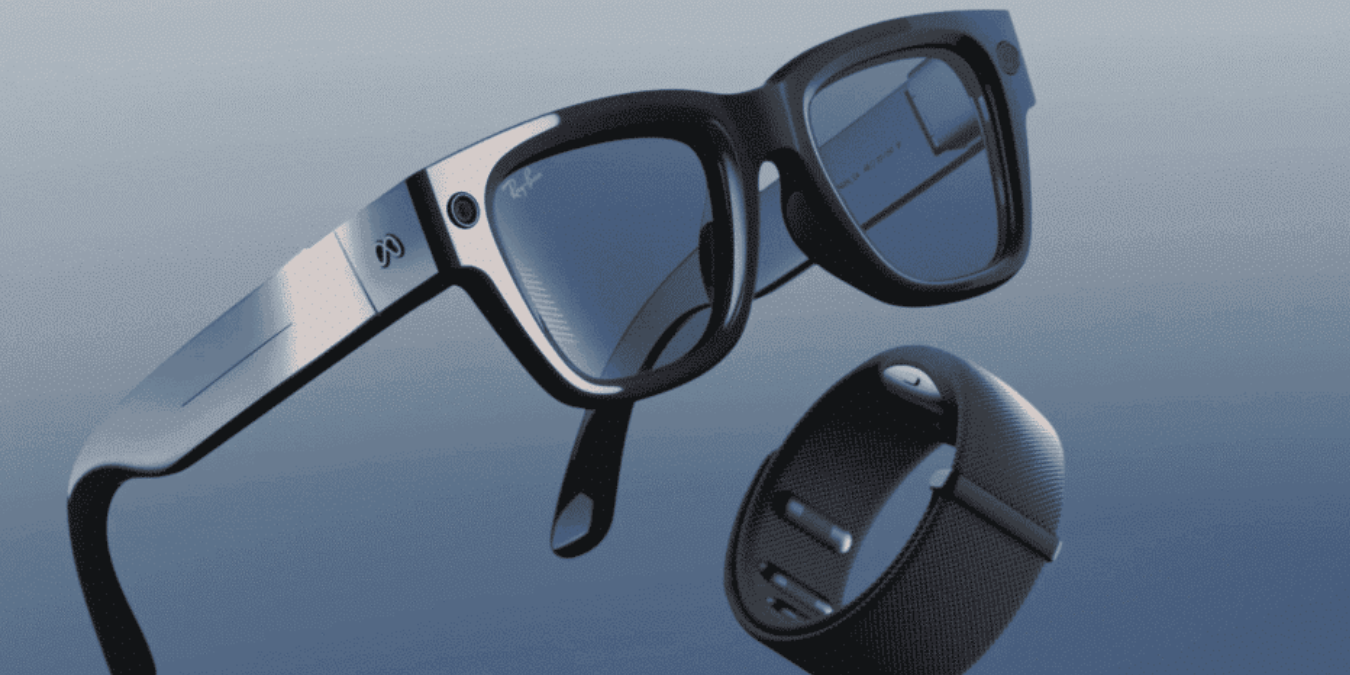
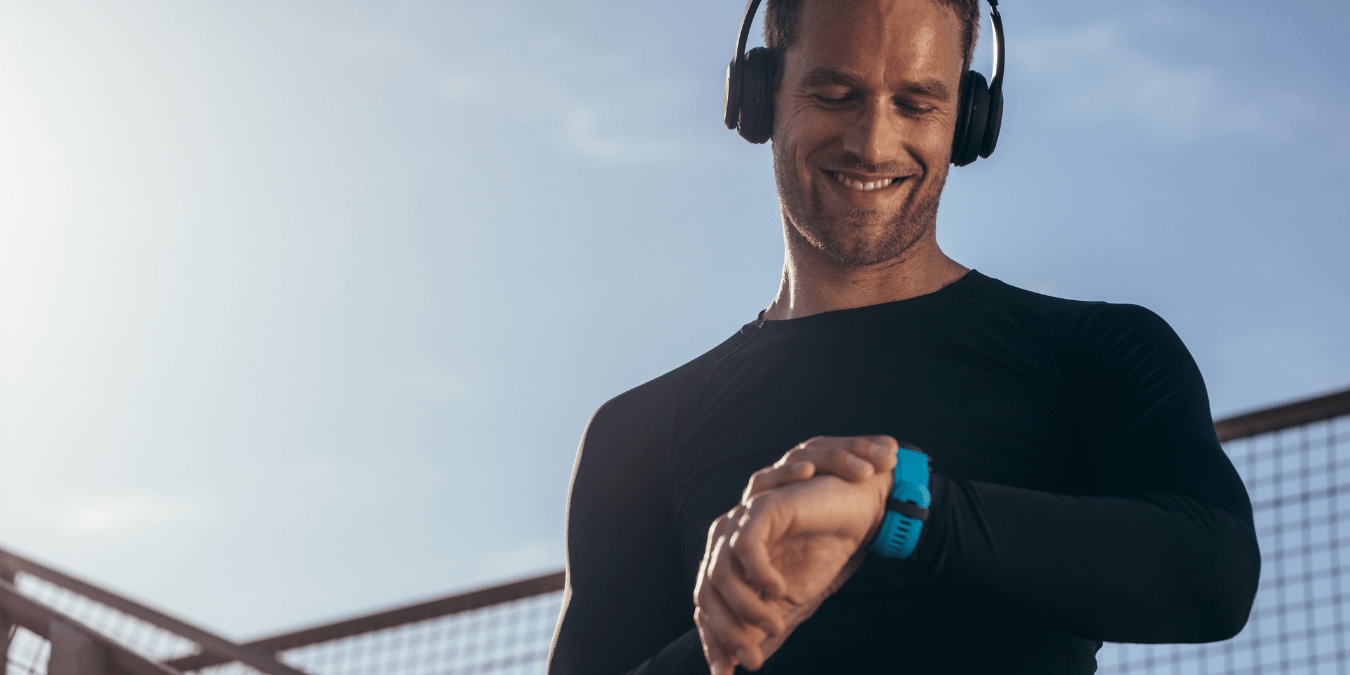
The longevity fitness movement has been turbocharged by wearable technology that makes invisible health metrics suddenly visible and personal. Devices like the Oura Ring, WHOOP strap, Apple Watch, and Garmin fitness trackers now track heart rate variability, sleep stages, respiratory rate, blood oxygen saturation, and recovery scores in real time. For the first time in history, ordinary Americans have access to the kind of biometric feedback once reserved for professional sports teams and research laboratories.
When a 48-year-old accountant in Columbus, Ohio can see her resting heart rate trend downward over six months of consistent Zone 2 training, or watch her HRV scores improve with better sleep, the motivational feedback loop shifts entirely. Progress is no longer visible only in a mirror — it is measurable, undeniable, and deeply personal. This changes the game for long-term exercise adherence, which has historically been one of the fitness industry’s most intractable challenges.
What Longevity-First Training Actually Looks Like in Practice
If you are among the growing majority of Americans ready to train for long-term capability rather than short-term aesthetics, the practical implications are significant — and perhaps surprising. Longevity-focused training is not necessarily harder than conventional gym programming. In many respects, it is smarter, more sustainable, and far more enjoyable over the long arc of a life.
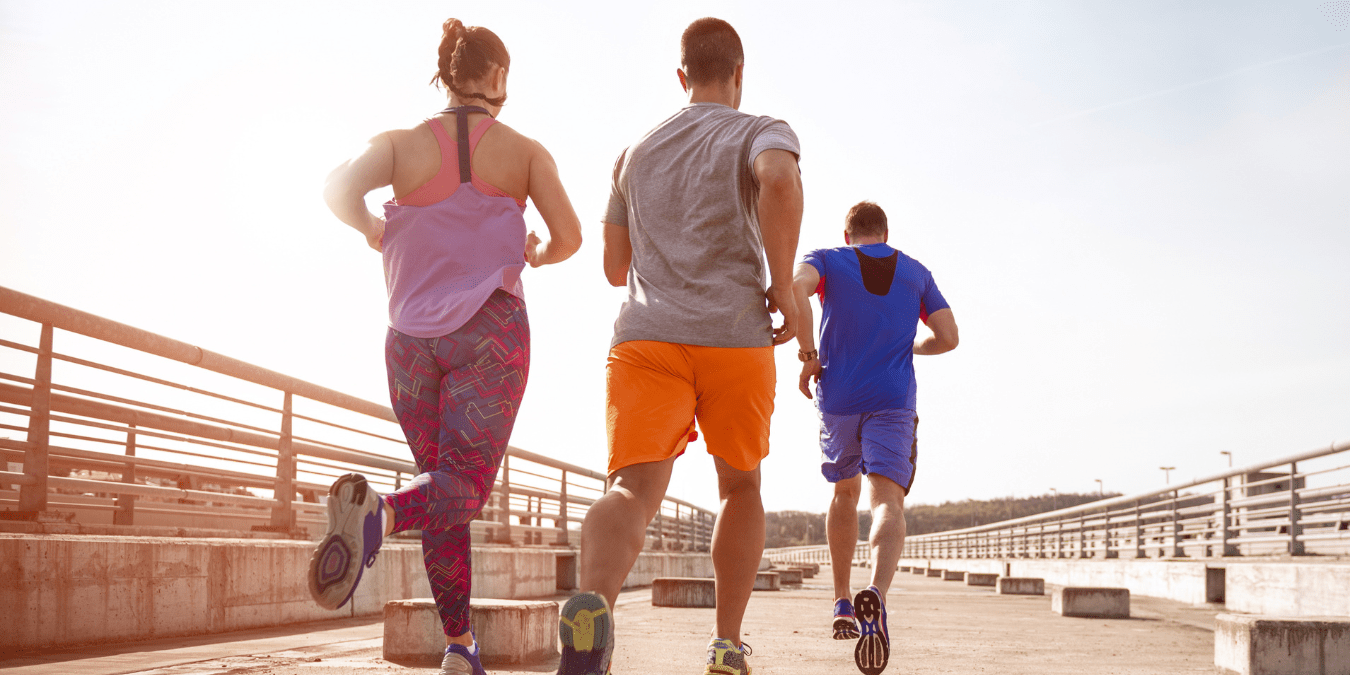
Zone 2 cardio is the foundation. Research consistently shows that 3–4 hours per week of low-to-moderate intensity aerobic exercise — the kind where you can hold a conversation but would not want to sing — is the most powerful cardiovascular adaptation stimulus available. This means long walks, easy cycling, swimming, or jogging at a genuinely easy pace. Most Americans who think they are doing “easy” cardio are actually going too hard, operating in a metabolic zone that produces fatigue without generating the mitochondrial adaptations that drive long-term cardiovascular health.
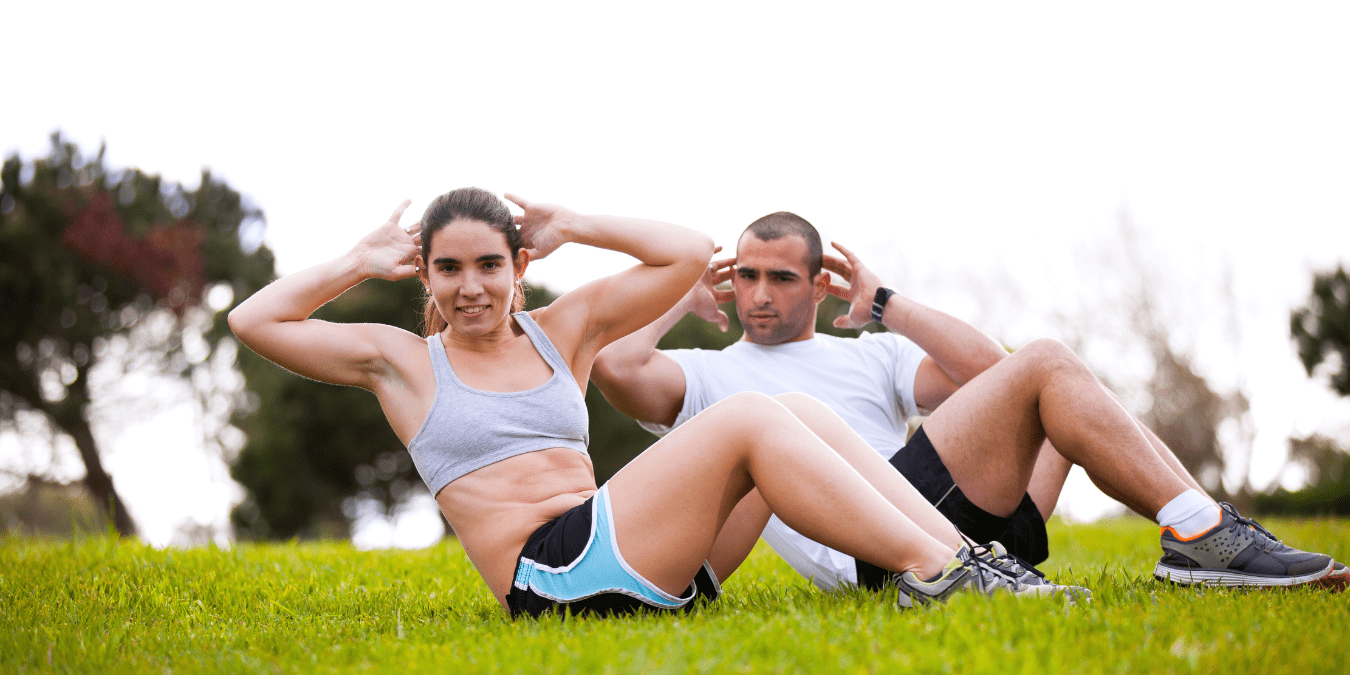
Resistance training, done consistently, is non-negotiable. Two to four sessions per week of progressive resistance training — prioritizing compound movements like squats, deadlifts, rows, presses, and carries — builds the muscle mass and connective tissue resilience that become increasingly critical after age 40. The goal is not bodybuilder aesthetics. The goal is being able to carry groceries, get up from the floor, climb stairs, and lift grandchildren without pain or limitation well into your 70s and 80s.
Mobility work earns its place. Daily mobility practice — 10 to 20 minutes of deliberate joint articulation, stretching, and soft tissue work — prevents the progressive stiffening that robs older adults of functional independence. Hip flexors, thoracic spine, ankles, and shoulder joints are priority areas for most sedentary or desk-bound Americans. Yoga, Pilates, and dedicated mobility programs are all excellent vehicles toward this goal.
Sleep and recovery are training. Longevity fitness culture treats sleep with a reverence that would have seemed eccentric in the “no days off” culture of early 2000s gym culture. Seven to nine hours of quality sleep per night is now understood to be one of the most powerful performance-enhancing, longevity-promoting behaviors available to humans — superior in many measurable ways to any supplement on the market. Recovery is not laziness. It is when adaptation happens.
One of the most significant nutritional shifts accompanying the longevity fitness movement is an aggressive upgrade in protein intake targets. While outdated RDA guidelines suggested 0.8 grams of protein per kilogram of body weight, longevity-focused researchers and clinicians now commonly recommend 1.6 to 2.2 grams per kilogram — particularly for adults over 40 who face accelerating muscle protein synthesis resistance. High-quality protein at every meal is no longer a bodybuilder’s concern. It is a longevity strategy available to everyone.
The Cultural Stakes: Why This Shift Matters for America’s Health Crisis
This is not merely an interesting consumer trend. The longevity fitness movement represents one of the most promising developments in American public health in decades, arriving at a moment of genuine crisis. Chronic disease currently accounts for approximately 90 percent of the nation’s $4.5 trillion in annual healthcare expenditures. Heart disease, type 2 diabetes, obesity-related conditions, and early-onset cognitive decline are devastating American families and buckling the healthcare system. Physical inactivity is a primary driver of virtually all of these conditions.
If the shift from appearance-focused to longevity-focused exercise is durable — and the evidence increasingly suggests it is — the downstream public health implications are profound. Studies modeling population-level increases in fitness levels show dramatic reductions in hospitalizations, prescription drug use, disability rates, and chronic disease incidence. Exercise is not a supplement to medicine. In a very real sense, it is medicine — and Americans are finally beginning to take the dosage seriously.
There is also a mental health dimension that deserves acknowledgment. The appearance-obsessed fitness culture of prior decades caused enormous harm — fueling eating disorders, body dysmorphia, and exercise addiction on a population scale. Training for capability rather than appearance shifts the psychological frame in ways that research suggests promote healthier relationships with both exercise and food. When your body is a vehicle rather than an object, the entire emotional calculus of fitness changes for the better.
Training for longevity is ultimately an act of radical self-respect — a declaration that your future self deserves the same investment of time, energy, and care that you give to your career, your finances, and your relationships.
The Bottom Line: A New American Fitness Contract
The evidence is now unambiguous, the cultural momentum unmistakable, and the personal stakes — for every American navigating a body that will carry them through the coming decades — deeply real. The old fitness contract, built on aesthetics and willpower and the promise of a better-looking body, has expired. A new contract is being written — one grounded in science, experience, and a genuine understanding of what it means to live well, not just live long.
Sixty percent of Americans have already signed it. The question is not whether longevity-focused fitness is the right approach — the research has answered that question comprehensively. The question is how quickly the remaining 40 percent discover what the movement’s early adopters already know: that training for the long game is not a sacrifice of ambition. It is the highest form of it.
The most important workout you will ever do is the one that ensures you can still move freely, think clearly, and live fully at 75, 80, and beyond. That workout starts today — not in the mirror, but in the science, in the data, in the long and non-negotiable arithmetic of a well-lived life.
- →60% of Americans now exercise primarily for healthspan improvement, not aesthetics — a landmark cultural shift confirmed by recent survey data.
- →VO2 max is one of the strongest predictors of longevity ever identified; Zone 2 cardio to build it is now a cornerstone of intelligent fitness programming.
- →Muscle mass is a “longevity organ” — building and preserving it through resistance training reduces risk of diabetes, heart disease, cognitive decline, and all-cause mortality.
- →The fitness industry is structurally reorganizing around longevity science, with new gym categories, testing protocols, and programming models emerging rapidly nationwide.
- →Wearable technology has democratized biometric feedback, fundamentally changing motivational dynamics and long-term exercise adherence for millions of Americans.
- →The shift from appearance to capability as the primary fitness goal may be one of the most significant preventive health developments of this decade.
Marcus Reid is a Certified Strength and Conditioning Specialist with a Master’s degree in Exercise Physiology from the University of Colorado Boulder. He has trained competitive athletes, executives, and everyday Americans for 14 years, specializing in longevity-focused programming for adults over 40. His work has been featured in Men’s Health, Runner’s World, and the Journal of Strength and Conditioning Research. He trains and writes out of Denver, Colorado.

Omisha is a health writer passionate about turning complex medical research into clear, actionable content readers can trust. She covers everything from nutrition and mental wellness to chronic disease management, always grounding her work in credible science and real-world relevance. When she's not writing, she's usually reading up on the latest health studies or exploring new wellness trends to write about next.