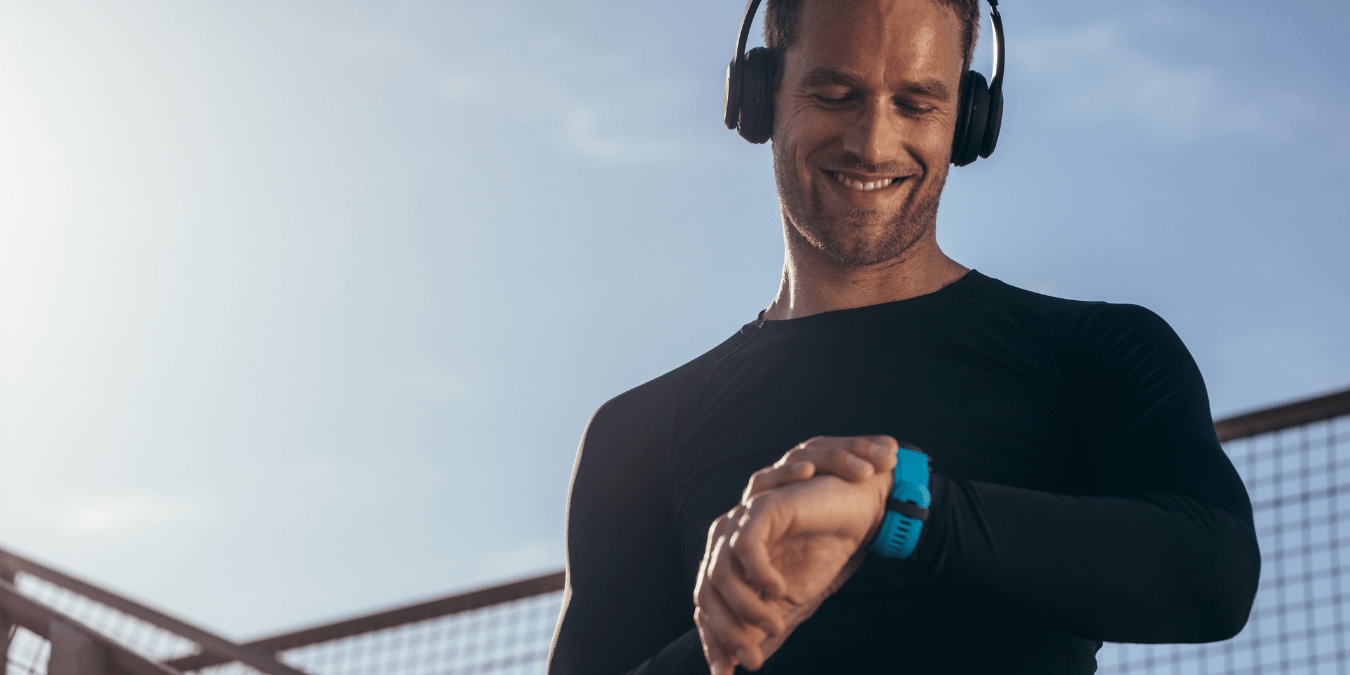
The year 2026 is not just another chapter in the evolution of wearable technology — it is a turning point. What was once a niche gadget category dominated by step counters and heart rate monitors has matured into a full-blown health intelligence ecosystem that is rewriting how Americans manage their bodies, their aging, and their chronic conditions. From AI-powered glasses that log your dinner to smartwatches catching hypertension before your doctor does, wearable health tech is no longer supplemental — it is becoming essential.
The numbers tell a compelling story. The global wearable medical devices market, valued at $117.41 billion in 2026, is projected to climb to $505.28 billion by 2034, at a compound annual growth rate of 20%. North America alone commands an estimated 37.7% share of the broader wearable technology market this year, driven by relentless consumer demand and best-in-class innovation. This is not a speculative bubble — it is a structural shift fueled by AI, miniaturized sensors, and a healthcare system hungry for real-time patient data.
Meta’s AI Glasses: A Camera Between You and Your Plate
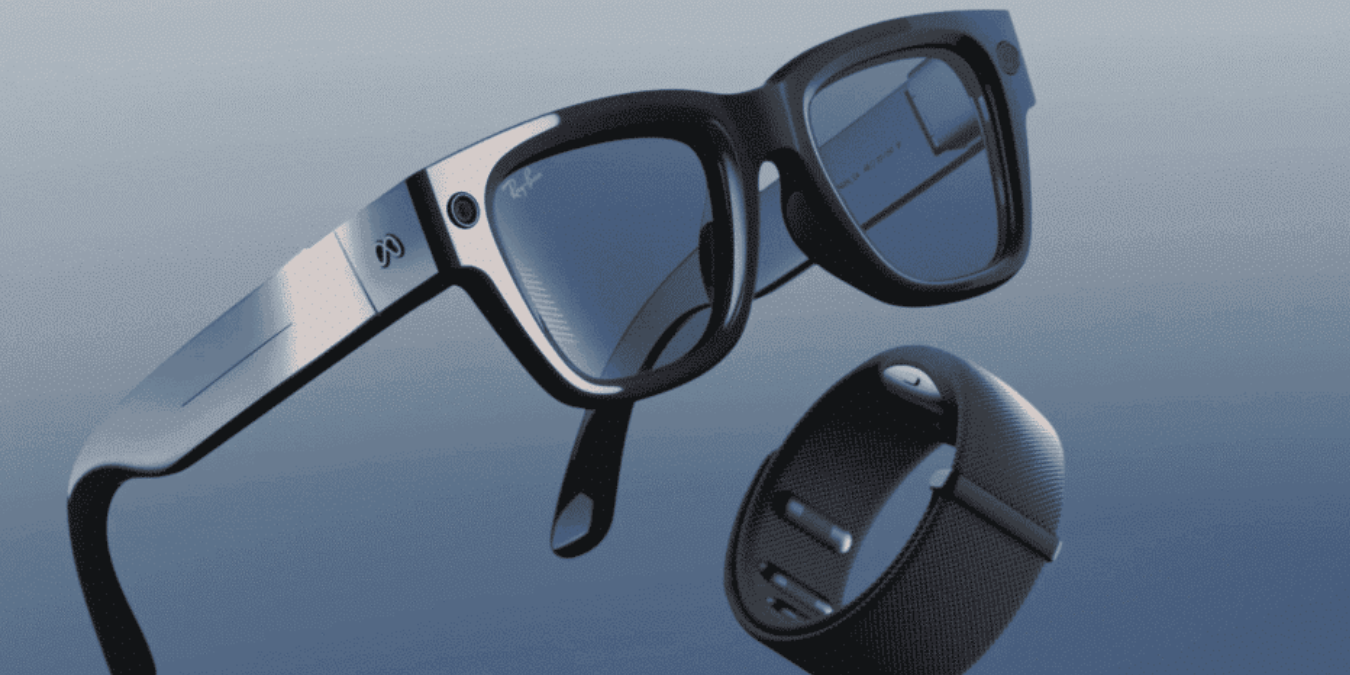
Perhaps no single 2026 development illustrates the leap forward more vividly than what Meta has done with its Ray-Ban and Oakley Meta smart glasses. On April 1, 2026, Meta announced a rolling update to its AI glasses that lets the onboard Meta AI visually identify food to assist with nutrition tracking. The feature is strikingly intuitive: instead of opening a calorie-tracking app and manually typing “grilled salmon with asparagus,” you simply prompt Meta AI verbally and the glasses photograph what is in front of you, extract key nutritional details, and log it automatically.
For now, the experience requires a user prompt, but Meta has confirmed that passive automatic food logging — where the glasses recognize and record meals without any manual input — is coming in a future update. Once fully deployed, this means your eyewear will build a continuous nutritional diary throughout the day, learning your eating patterns and offering personalized dietary suggestions. Ask the glasses what you should eat to boost your afternoon energy levels, and it will draw from your actual logged food history to give a contextual answer.
The broader health significance here is hard to overstate. Nutrition tracking has historically failed because it relies on human memory and effort — two notoriously unreliable tools. The American Diabetes Association estimates that poor dietary self-monitoring is one of the leading reasons glucose management programs underperform. Passive, vision-based AI logging has the potential to fix precisely that compliance gap. Meta says the feature is initially rolling out for U.S. users aged 18 and older on Ray-Ban Meta and Oakley Meta glasses, with the Ray-Ban Display version following in summer 2026.
Apple Watch: From Fitness Tracker to Clinical Sentinel
Apple’s wearable health story in 2026 is defined by one word: prevention. With watchOS 26, Apple introduced hypertension notifications — a genuinely landmark feature that uses optical heart sensor data to analyze how a user’s blood vessels respond to heartbeats over rolling 30-day periods, then notifies the wearer if consistent signs of hypertension are detected. The passive, background nature of the detection is critical: it requires nothing from the user except wearing the watch to bed and during daily life.
Hypertension affects approximately 1.3 billion adults globally, and a vast proportion remain undiagnosed for years — a period during which silent damage accumulates in arteries, kidneys, and the heart. A wrist-worn device that can surface these warning signs between annual physicals, at no additional cost beyond the watch itself, has genuine public health implications for the United States, where nearly half of all adults are estimated to have high blood pressure.
watchOS 26 also introduced a sleep score system that quantifies three core dimensions — duration, bedtime consistency, and interruption frequency — into a single, easy-to-read number out of 100, graded as Excellent, High, OK, or Low. This is a deliberate design move to translate raw biometric data into actionable insight, acknowledging that most users are overwhelmed by raw numbers and need clear guidance instead.
The Smartwatch Ecosystem Grows Up
Apple is not the only player raising the bar. The broader smartwatch and fitness tracker landscape in 2026 reflects a decisive pivot away from basic step counting toward what the industry is calling “clinical-grade consumer monitoring”. Devices across the market spectrum now track, at minimum, continuous heart rate and heart rate variability, SpO2, respiratory rate, skin temperature, sleep architecture, and stress recovery scores. More advanced platforms are adding blood pressure trend monitoring and AI-estimated glucose levels.
WHOOP and Oura Ring have further legitimized the subscription analytics model — the idea that the physical device is simply a data-collection node, while the real value lives in the AI-driven insights platform behind it. This business model shift has important health implications: it creates ongoing incentives for companies to keep improving their predictive algorithms long after a device ships, rather than waiting for consumers to buy new hardware.
The overall wearable technology market is forecast to grow by $114.42 billion between 2026 and 2030, expanding at a CAGR of 17.3%, driven specifically by advances in sensor miniaturization and AI integration. For American consumers, this means that the device on your wrist in 2028 will likely know more about your cardiovascular health trajectory than devices did in 2026 — and those 2026 devices already know considerably more than your annual physical.
Smart Rings, Patches, and the Form Factor Revolution
The wristwatch is no longer the only address for your health data. Smart rings — notably the Oura Ring and Samsung Galaxy Ring — have gained serious traction in 2026 as discreet, continuous trackers that can be worn around the clock with less social friction than a smartwatch. For users who find smartwatches uncomfortable during sleep or awkward in formal settings, rings offer an elegant alternative that sacrifices little in terms of core health monitoring capability.
Health patches and biosensing dots represent an even more dramatic shift. These adhesive devices sit directly on the skin and offer round-the-clock monitoring at the physiological layer, capturing data that a wrist-based optical sensor might miss during high-motion activities. Athletes, post-surgical patients, and people managing chronic conditions like atrial fibrillation are among the primary early adopters. In clinical settings, patches are increasingly being used to extend hospital-grade monitoring into the home, allowing physicians to observe patients’ cardiac rhythms and temperature trends in real-world environments between appointments.
The CES 2026 health tech showcase captured the breadth of this form factor revolution, with device categories including AI-powered longevity mirrors, smart toilets capable of urinalysis, and hearing aid-integrated biometric trackers. The underlying thread is consistent: health data collection is moving off the wrist and into every layer of daily life.
Wearables and Dementia Care: A Lifeline for 6.2 Million Americans
Perhaps no application of wearable health technology carries more human weight in 2026 than its role in dementia care. An estimated 6.2 million Americans over the age of 65 currently live with dementia, and wandering — a behavior where patients with cognitive decline leave safe environments unnoticed — is one of the leading causes of injury and death in this population. Wearable technology is providing caregivers, both family and professional, with tools that can meaningfully reduce that risk.
GPS trackers designed for dementia patients have become a distinct and sophisticated product category. Devices like the Family1st Senior GPS Tracker, AngelSense, and Theora Care Watch each offer a different combination of real-time location tracking, geofencing with exit alerts, two-way communication, and fall detection. The Tranquil Watch takes a particularly clever approach: it uses Bluetooth beacons placed around the home to detect when a wearer moves outside of a defined safe zone, triggering immediate alerts to caregivers via call, text, or email — without requiring cellular coverage or consistent GPS acquisition.
Beyond location safety, wearables are helping document cognitive and behavioral changes in dementia patients over time. A systematic review of ear-based wearables, including hearing aids and smart earphones, found they can effectively track physiological and behavioral data in dementia patients, including sleep-wake cycle fragmentation and reductions in daily activity — both early biomarkers of cognitive decline. The research notes that non-invasiveness, usability, and real-time data transmission are the critical success factors for this population, where device resistance and discomfort can limit compliance.
The clinical implications are significant. Digitally captured data from wearables has revealed that adults with dementia are measurably less active and demonstrate increased fragmentation of their sleep-wake cycle and loss of normal circadian rhythm variation compared to cognitively healthy adults — findings that open pathways for earlier, data-driven intervention. As AI analytics on these devices improve, the goal is to shift from reactive safety management to proactive cognitive health monitoring, catching deterioration weeks or months before a clinical appointment would.
The Rise of Remote Patient Monitoring in American Healthcare
Wearable health tech is not happening in a consumer vacuum — it is being pulled into the formal American healthcare system with increasing speed. Over 12,400 remote patient monitoring (RPM) programs in the U.S. now use consumer wearables, with approximately 8.3 million patients enrolled in wearable-based RPM programs as of 2026. Medicare RPM reimbursement is projected to reach $5.8 billion by 2027, creating powerful financial incentives for healthcare systems and insurers to integrate wearable data into standard care pathways.
The American Association of Nurse Practitioners has identified remote monitoring and wearables as one of the top five healthcare trends of 2026, noting that data from connected devices will enable earlier detection of health changes, allowing clinicians to intervene sooner and better manage chronic conditions — particularly for older adults with multiple comorbidities who need coordinated care outside traditional clinical settings. This is not a fringe opinion; it reflects a growing consensus across primary care, cardiology, and geriatrics that the patient’s home is the most important monitoring environment.
Insurance integration is a parallel force. Several major U.S. insurers are now offering premium reductions or wellness incentives for members who share compliant wearable data, creating economic motivations that go beyond health consciousness alone. The convergence of clinical utility, insurance incentives, and Medicare reimbursement creates a feedback loop that will accelerate wearable adoption well beyond tech-savvy early adopters into the general American patient population.
Privacy, Trust, and the Data Question
No discussion of wearable health tech in 2026 is complete without confronting the data privacy challenge head-on. These devices collect extraordinarily intimate information — your heart rhythms, sleep cycles, location, dietary habits, glucose trends, stress levels, and increasingly, what you look at and eat. The question of who owns that data, who can access it, and how it may be monetized is one that consumers, lawmakers, and ethicists are actively wrestling with.
A 2026 consumer sentiment analysis by Clutch found that Americans are “more aware and concerned than ever” about how their wearables collect and use data, describing this tension as the defining challenge of the industry: balancing innovation against trust. The concern is legitimate. Health data is among the most sensitive categories of personal information, and its exposure — whether through a breach, sale to a third party, or use in insurance underwriting — can carry real-world consequences for individuals.
The wearable dementia device segment faces its own specific data security concerns. A systematic review published in a peer-reviewed journal specifically called out gaps in “secure data transmission and clinical validation” as areas requiring urgent attention before devices can be considered fully safe and effective for this vulnerable population. These are not reasons to abandon the technology — but they are reasons to demand transparency from manufacturers, and for regulatory bodies like the FDA to develop clear standards for health data stewardship from consumer devices.
What This Means for You Right Now
The pace of change in wearable health tech can feel overwhelming, but for most Americans, the practical takeaways in 2026 are concrete and actionable. Here is where the field stands for everyday users:
- Nutrition tracking is entering a hands-free era with Meta’s AI glasses food logging. If you are managing weight, blood sugar, or a dietary condition, this technology is worth watching closely as passive logging rolls out later this year.
- Cardiovascular monitoring via Apple Watch’s hypertension notifications and continuous heart rate variability tracking now offers genuine early warning capability for conditions that have historically gone undetected for years.
- Sleep health is now quantifiable at a level of granularity that was previously available only in sleep labs, with smart rings and watches offering nightly scoring that your doctor can actually interpret.
- Dementia care has a robust and growing toolkit of GPS trackers, Bluetooth beacon systems, and behavioral monitoring devices that can meaningfully improve safety and quality of life for the 6.2 million affected Americans and their families.
- Remote patient monitoring is no longer experimental — if you or a family member manages a chronic condition, ask your primary care physician or specialist about RPM program eligibility, as insurance coverage is expanding rapidly.
The Road Ahead
The wearable health tech explosion of 2026 is not a peak — it is an inflection point. The global wearable technology market is forecast to reach $229.97 billion by 2033, driven by the relentless convergence of AI, clinical-grade sensors, and a healthcare system under pressure to reduce costs and improve outcomes. Non-invasive blood glucose monitoring, continuous blood pressure measurement without a cuff, and real-time mental health biomarker tracking are all in active development pipelines from Apple, Google, Samsung, and dozens of specialized health tech startups.
For Americans, the implications are profound. A future in which your morning run yields clinical-grade cardiovascular data, your glasses remember what you ate for lunch, your elderly parent’s watch alerts you the moment they leave the house, and your insurer rewards your healthy habits with meaningful discounts is no longer science fiction. It is, largely, the product roadmap being executed right now in 2026. The devices on wrists, fingers, faces, and skin today are early chapters of a story that will define how Americans age, manage disease, and understand their own bodies for decades to come.
The question is no longer whether wearable health technology will transform American healthcare. The question is how quickly you decide to let it transform yours.
This article draws on current market research, peer-reviewed clinical literature, manufacturer announcements, and healthcare industry reporting to provide an accurate and comprehensive overview of wearable health technology developments as of April 2026.

Omisha is a health writer passionate about turning complex medical research into clear, actionable content readers can trust. She covers everything from nutrition and mental wellness to chronic disease management, always grounding her work in credible science and real-world relevance. When she's not writing, she's usually reading up on the latest health studies or exploring new wellness trends to write about next.