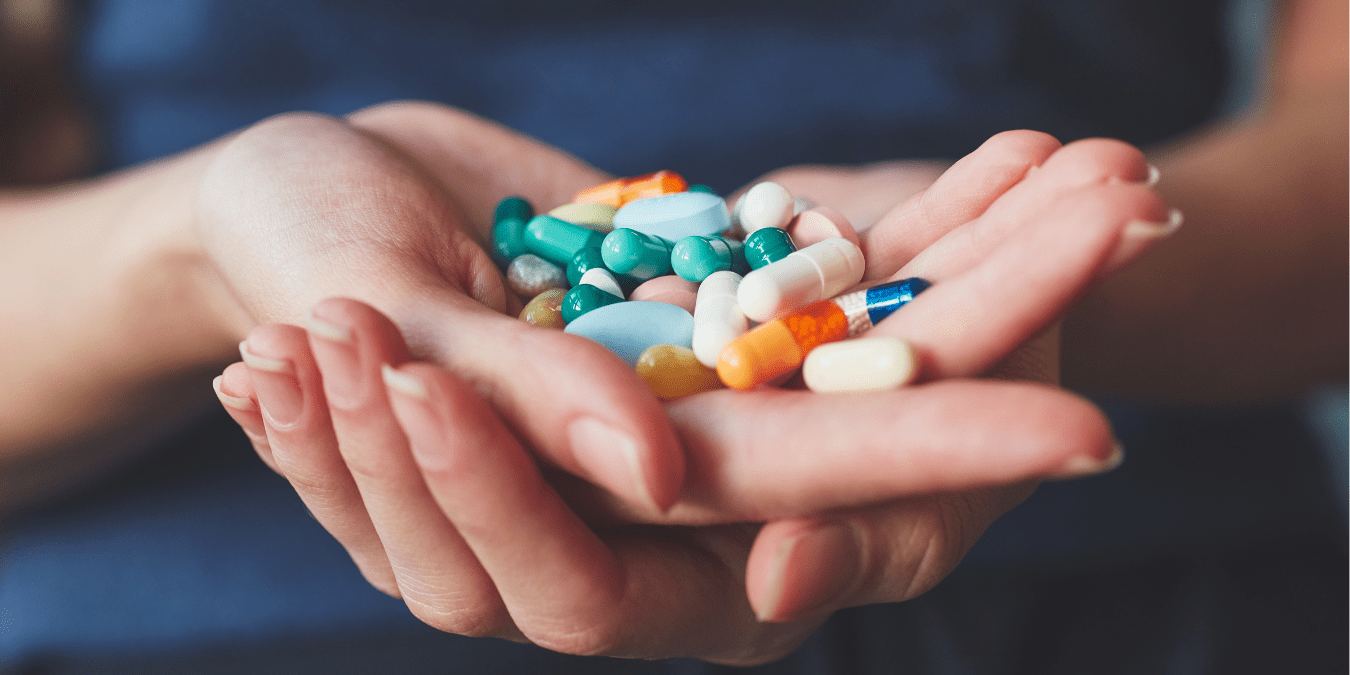
Why Doctors Are Telling Americans Over 40 to Stop Taking This Common Supplement Every Morning
Over 43% of American adults swallow it at breakfast every single day. Now Johns Hopkins, Mayo Clinic, and peer-reviewed research are urging a serious rethink.
Every morning, across kitchens in New York, Chicago, Houston, and Los Angeles, millions of Americans over 40 drop a chalky white tablet into a glass of water, watch it fizz, and dutifully drink it down. It feels responsible. It feels like self-care. For decades, this ritual has been marketed as one of the smartest things an aging adult can do for their bones. The supplement is calcium — and it has been a cornerstone of American health culture for over 40 years.
But in medical offices, cardiology clinics, and university research departments across the United States, the conversation about calcium supplements has changed dramatically. A growing body of peer-reviewed science, backed by institutions including Johns Hopkins Medicine, the Mayo Clinic, and the British Medical Journal, is raising urgent questions about whether this beloved morning ritual is actually doing more harm than good — particularly for Americans over 40 whose cardiovascular risk is already beginning to rise.
The Supplement That Conquered America
To understand how we got here, you need to understand how calcium supplements became embedded in American daily life. The story begins with a very real concern: osteoporosis. The National Osteoporosis Foundation estimates approximately 10 million Americans already have osteoporosis and another 44 million have low bone density. As people age past 40, bone remodeling gradually tips toward net bone loss, particularly after menopause in women.
In this context, calcium supplementation made intuitive sense. Bone is largely made of calcium. Aging people lose calcium. Therefore, give them calcium. This logic drove decades of medical recommendations, pharmaceutical marketing, and consumer behavior. By the early 2000s, taking a calcium supplement had become as routine for American women over 50 as wearing sunscreen or getting a flu shot.
📊 The Scale of America’s Calcium Supplement Habit
- According to the NIH, an estimated 43% of all American adults take a supplement containing calcium — one of the most consumed supplements in the country.
- Postmenopausal women are the largest consumer segment, often taking 1,000 to 1,200 mg per day based on long-standing clinical recommendations.
- The U.S. dietary supplement industry generates over $50 billion annually, with calcium and Vitamin D among the top-selling individual supplements.
- Many Americans self-prescribe calcium without any formal bone density screening (DEXA scan) or confirmed calcium deficiency, acting on general awareness rather than personal diagnosis.
- Vegans and dairy-free individuals frequently supplement calcium, often assuming their dietary restriction creates a significant deficit when it may not.
What Johns Hopkins and the BMJ Found That Shocked Researchers
The scientific case against calcium supplements did not emerge from one study. It accumulated gradually, then arrived with force. The earliest major signal came from the British Medical Journal in 2010, when Dr. Mark Bolland and colleagues published a landmark meta-analysis pooling results from 15 randomized controlled trials involving nearly 12,000 participants.
Attack Risk
The BMJ Meta-Analysis That Changed Everything
Among participants taking calcium supplements (without Vitamin D) compared to placebo groups, researchers found a statistically significant 30% increased risk of myocardial infarction (heart attack). The findings held across multiple independent trials. Researchers explicitly called for “a reassessment of the role of calcium supplements in the management of osteoporosis.”
Then in 2016, Johns Hopkins Medicine delivered a second critical blow. After analyzing 10 years of medical data on more than 2,700 people, Johns Hopkins researchers concluded that calcium supplement users showed a 22% increased likelihood of developing coronary artery calcification — a key marker of atherosclerosis and future heart disease — compared to non-users. The same risk was not observed for dietary calcium.
There is clearly something different in how the body uses supplements versus food-based calcium that makes it riskier. It could be from taking a large dose all at once that the body is unable to process efficiently.
❌ Summary of Cardiovascular Risk Evidence Against Calcium Supplements
- BMJ Meta-Analysis (2010, 12,000 participants, 15 RCTs): 30% increased myocardial infarction risk in supplement vs. placebo groups
- Johns Hopkins / JAHA Study (2016, 2,700 participants, 10 years): 22% increased coronary artery calcium score development in supplement users
- PMC Meta-Analysis (2021): 15% elevated CVD risk in healthy postmenopausal women on calcium supplements
- Li et al. Prospective Study: Calcium supplement-only users showed a 2.39x greater myocardial infarction risk compared to non-supplement users
- Mayo Clinic (2024): Confirmed “some evidence that calcium supplements can increase the risk of heart attack,” particularly in people with diabetes
The Biology: Why Supplements Harm When Food Does Not
The most important aspect of this controversy is that dietary calcium does not appear to carry the same cardiovascular risk as supplemental calcium. In fact, multiple studies suggest that consuming calcium through food is protective for both bones and cardiovascular health. So what is happening inside the body?
When calcium is consumed through food, it is absorbed slowly and incrementally as food is digested. Calcium supplements, particularly calcium carbonate, deliver a large concentrated hit all at once. This causes a sudden spike in blood calcium levels that the body’s regulatory systems struggle to manage quickly. The excess calcium that cannot be directed to bone may be deposited into arterial walls, contributing to plaque formation — the hallmark of atherosclerosis, the underlying cause of most heart attacks in America.
Calcium From Food
Absorbed gradually. Blood levels rise modestly. Body manages it efficiently. Associated with protective cardiovascular effects in studies.
Calcium From Supplements
Delivers a large bolus at once. Creates sudden blood calcium spike. Excess may deposit into arterial walls. Associated with increased heart attack risk.
What America’s Top Medical Institutions Are Now Saying
Mayo Clinic (Updated 2024)
Acknowledges “some evidence that calcium supplements can increase the risk of heart attack” and now recommends meeting calcium needs primarily through food sources where possible.
Johns Hopkins Medicine
After their landmark 10-year cardiovascular study, Hopkins researchers explicitly urged “a consultation with a knowledgeable physician before using calcium supplements” and confirmed the dietary-versus-supplement disparity.
Harvard Medical School
Harvard Health has consistently reported that “getting calcium through your diet is safer than supplements” and that a well-composed diet can meet calcium needs without supplementation risks.
U.S. Preventive Services Task Force
Issued a recommendation advising that generally healthy older adults should NOT take Vitamin D alone or combined with calcium to prevent falls or fractures, citing insufficient evidence of benefit and real signals of harm.
The Bone Health Question: Do You Actually Need the Supplement?
The fear that stopping calcium supplements will lead to brittle bones and fractures is the primary reason millions of Americans continue taking them. This concern is worth examining honestly — because the science is more nuanced and ultimately more reassuring than the supplement industry would have you believe.
✅ What Research Actually Shows About Calcium Supplements and Fracture Prevention
- Meta-analyses show calcium supplements produce only a 10% reduction in fracture incidence — a modest benefit that barely crosses statistical significance across most subgroups
- Dietary calcium from food provides equivalent bone protection without associated cardiovascular risks
- Weight-bearing exercise (walking, resistance training, dancing) produces measurable improvements in bone mineral density — often more reliably than supplementation
- Vitamin D deficiency is frequently a greater contributor to poor calcium absorption than actual calcium deficit; correcting a documented deficiency may be more targeted and effective
- For adults without diagnosed severe osteoporosis, a well-composed diet can meet the 1,000 to 1,200 mg daily calcium requirement without supplementation
The challenge is that people assume if a little is good, more must be better. With calcium, that logic may not hold. Healthy aging is not contingent upon any single factor — it requires a balanced, diverse, colorful diet and an active life.
Other Common Supplements Doctors Are Re-Evaluating for Over-40s
| Supplement | Why Americans Take It | Key Concern for Over-40s | Evidence | Doctor’s Advice |
|---|---|---|---|---|
| Calcium (Standalone) | Bone health, osteoporosis prevention | 22-30% increased coronary artery calcification and heart attack risk; especially dangerous for diabetics | Strong | Shift to dietary sources; supplement only if medically confirmed |
| High-Dose Vitamin E (400+ IU) | Antioxidant, heart protection | Doses above 400 IU/day linked to increased all-cause mortality and hemorrhagic stroke risk | Strong | Avoid doses above 400 IU; most adults do not need supplemental Vitamin E |
| High-Dose Zinc (50+ mg) | Immune support | Depletes copper, impairs immune function, can cause peripheral neuropathy with long-term use | Moderate | Limit to RDA levels (8-11 mg/day) |
| Vitamin B6 (above 100mg/day) | Energy, mood, PMS relief | Doses above 100 mg/day linked to progressive nerve damage in adults | Strong | Standard need is only 1.3-1.7 mg/day; avoid high-dose forms |
| St. John’s Wort | Mild depression, mood support | Dangerous interactions with blood thinners, statins, HIV medications | Strong | Adults over 40 on any prescriptions should avoid entirely |
| Standard Multivitamin | Nutritional insurance | Generally safe at label doses; 2026 research suggests modest cognitive benefit in older adults; limited proven disease-prevention benefit | Mixed | Likely harmless; discuss with doctor whether truly needed |
The Smarter Strategy: Getting Calcium Safely Through Food
Nature has already solved the calcium problem. Foods richest in bioavailable calcium deliver this essential mineral in a form your body handles beautifully — gradually, alongside Vitamin K2 and magnesium that help direct calcium to bones rather than arteries.
📝 Six Questions to Ask Your Doctor Before Your Next Calcium Supplement
- Have I had a DEXA scan recently? Do I have confirmed low bone density or diagnosed osteoporosis?
- What is my actual daily dietary calcium intake from food? Could food adjustments close my gap without pills?
- Have my Vitamin D levels been tested recently? Am I genuinely deficient?
- Do I have cardiovascular risk factors — hypertension, diabetes, high cholesterol, or family history of heart disease?
- Am I on any medications that interact with calcium supplements?
- If supplementation is truly necessary, what is the lowest effective dose and safest form for me?
Your Action Plan: What to Do This Week
- Audit your current supplement routine. Write down every supplement you take daily including dosage and bring this list to your next doctor’s appointment. Many Americans are taking duplicate calcium from multiple sources without realizing it.
- Calculate your dietary calcium for three days. Use a free tool like USDA FoodData Central or Cronometer. Many Americans eating a varied diet already reach 700 to 900 mg/day from food alone.
- Request a Vitamin D blood test at your next physical. Vitamin D deficiency is widespread in the U.S. and is often a far greater driver of poor calcium absorption than actual calcium deficit.
- Ask about a DEXA bone density scan. The National Osteoporosis Foundation recommends DEXA screening for women age 65 and older, and for younger postmenopausal women with risk factors. Know your actual bone density before self-prescribing.
- If you have cardiovascular risk factors, speak urgently with your doctor. If you have diabetes, hypertension, or a family history of heart disease and are taking calcium supplements daily, this conversation cannot wait.
- Add one calcium-rich food to your daily diet today. A serving of plain Greek yogurt, a handful of almonds, or a side of cooked kale can add 200 to 300 mg of safe, food-based calcium to your daily intake.
The Bigger Picture: America’s Supplement Culture
The calcium supplement story reflects a deeper tension in American health culture between our desire for simple solutions and the messy reality of evidence-based medicine. We spend over $50 billion per year on dietary supplements, driven by the entirely human desire to take control of our own health outcomes. The regulatory framework that governs supplements in the U.S. is fundamentally different from the one governing prescription drugs. The FDA does not review supplements before they reach store shelves. Manufacturers are not required to demonstrate efficacy or safety in clinical trials.
🌟 What Genuinely Protects Bone Health After 40 (Evidence-Based)
- Weight-bearing exercise: Walking, hiking, dancing, and resistance training are among the most reliably evidence-backed interventions for maintaining bone mineral density in adults over 40, with no cardiovascular downside.
- Adequate protein intake: Dietary protein supports the bone matrix and helps maintain muscle mass, which reduces fall risk — the primary cause of fractures.
- Vitamin D monitoring: Having a 25-hydroxyvitamin D blood test to confirm your level, then addressing any deficiency, is more targeted than blind daily calcium supplementation.
- Magnesium-rich diet: Magnesium works synergistically with calcium in bone metabolism and is widely under-consumed in the standard American diet. Nuts, seeds, legumes, and whole grains are excellent sources.
- Fall prevention strategies: For adults over 65, addressing balance, home safety, and muscle strength may prevent more fractures than any supplement regimen.
The Bottom Line for Americans Over 40
Calcium supplements are not categorically dangerous for everyone. But for the vast majority of healthy Americans over 40 who eat a reasonably varied diet and do not have confirmed severe osteoporosis, the evidence now strongly suggests that standalone calcium supplements offer modest bone benefit at a potentially significant cardiovascular cost.
Food-based calcium is safer, equally effective for bone health, and comes bundled with other nutrients your body needs. Before you reach for that fizzing tablet tomorrow morning, invest five minutes in adding a calcium-rich food to your breakfast instead — and book time with your doctor to review whether the supplement is genuinely serving your health.
Your bones and your heart both deserve a strategy built on current evidence, not decades-old marketing.

Omisha is a health writer passionate about turning complex medical research into clear, actionable content readers can trust. She covers everything from nutrition and mental wellness to chronic disease management, always grounding her work in credible science and real-world relevance. When she's not writing, she's usually reading up on the latest health studies or exploring new wellness trends to write about next.