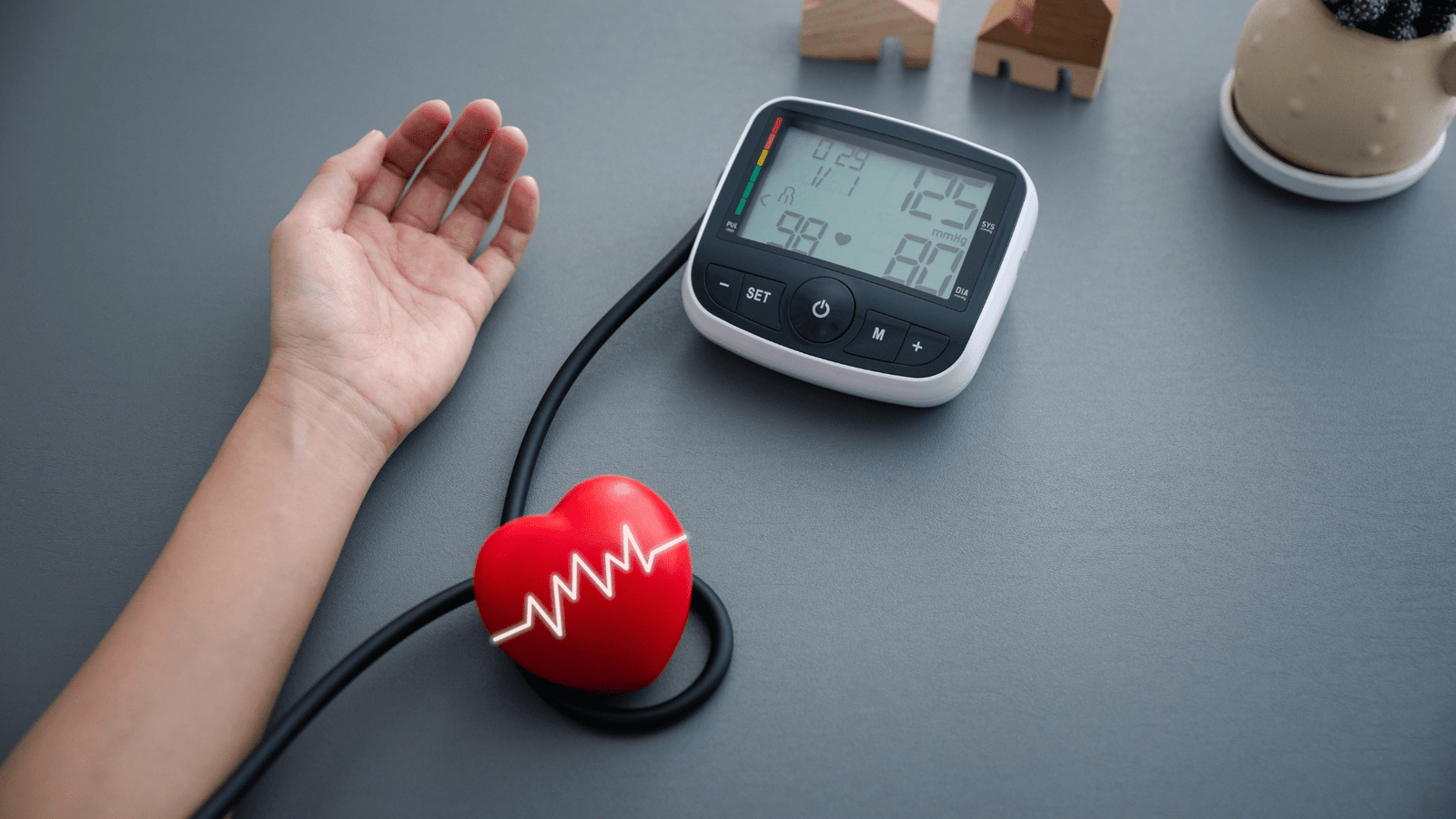
If you’ve been diagnosed with high blood pressure, your doctor has likely warned you about heart attacks and strokes. But there’s another silent crisis unfolding inside your body that doesn’t get nearly enough attention: the slow, systematic destruction of your kidneys. Right now, millions of Americans are living with uncontrolled hypertension — and their kidneys are paying the price every single day without sending so much as a whisper of pain or warning.
This isn’t a distant possibility. It’s a medical reality that U.S. nephrologists — physicians who specialize in kidney health — are confronting daily in their clinics. In 2026, the data is both undeniable and urgent.
The Scope of the Crisis
The numbers are staggering. According to the National Institute of Diabetes and Digestive and Kidney Diseases (NIDDK), chronic kidney disease (CKD) now affects more than 1 in 7 U.S. adults — an estimated 35.5 million Americans. High blood pressure is the second leading cause of kidney failure in the United States, right after diabetes. And here’s the kicker: approximately 1 in 5 adults with high blood pressure already have some degree of chronic kidney disease — most of them entirely unaware of it.
Perhaps most alarming is a landmark study presented at the American Heart Association’s Hypertension Scientific Sessions, led by Dr. Joiven Nyongbella of Wayne State University School of Medicine. After analyzing 25 years of national CDC data, the research found that hypertension-related kidney disease mortality in the United States rose by 48% between 1999 and 2023, with the age-adjusted mortality rate climbing from 3.3 per 100,000 people to 4.91 per 100,000 — resulting in 274,667 deaths over that period. Despite decades of medical advances, Americans are dying from this condition at an accelerating pace.
Why Kidneys Are So Vulnerable to High Blood Pressure
To understand why blood pressure destroys kidneys, you need to understand what kidneys actually do. These two fist-sized organs — sitting just below your rib cage on either side of your spine — filter your entire blood supply roughly 40 times per day. They eliminate waste, regulate fluid balance, control electrolytes, and even help manage your blood pressure itself through a complex hormonal feedback loop.
Inside each kidney are about one million tiny filtering units called nephrons, each containing a microscopic network of capillaries called the glomerulus. These capillaries are extraordinarily delicate. When blood rushes through them at persistently elevated pressures, it acts like a high-pressure hose aimed at tissue paper. Over time, the vessel walls stretch, weaken, and scar.
The medical term for this scarring is glomerulosclerosis — and once it takes hold, it is irreversible. Scar tissue doesn’t filter blood. It doesn’t respond to medication. It is simply dead weight in an organ that was already operating at its limits. As scarring accumulates, the kidneys lose their capacity to remove waste products and excess fluid. That extra fluid then circulates through the bloodstream, raising blood pressure even further — creating a vicious cycle that, if left unchecked, accelerates toward kidney failure.
A 2025 study from the Medical University of Vienna published in the journal Hypertension added an unsettling dimension to this picture: high blood pressure causes structural abnormalities in podocytes — specialized filtering cells — even in patients without diabetes or other pre-existing conditions. This means damage begins earlier than previously understood, and it begins silently.
The Dangerous Silence: No Symptoms Until It’s Too Late
One of the most dangerous features of hypertension-related kidney disease is how thoroughly it hides itself. Early kidney damage from high blood pressure typically causes no pain, no fever, and no obvious symptoms whatsoever. By the time patients notice something is wrong, significant and often irreversible damage has already been done.
When symptoms do eventually emerge, they tend to include:
- Swelling in the feet, ankles, or face — caused by fluid retention as the kidneys lose filtering efficiency
- Foamy or frothy urine — a sign of protein leaking through damaged glomeruli (proteinuria)
- Fatigue and weakness — as waste products accumulate in the bloodstream
- Frequent nighttime urination — the kidneys working overtime in a losing battle
- Poor appetite and nausea — indicating toxic buildup in the body
However, nephrologists consistently emphasize: waiting for these symptoms is waiting too long. By the time foamy urine appears or feet begin to swell noticeably, a patient may have already lost 50% or more of their kidney function. Because the kidneys have remarkable compensatory capacity, they can sustain extensive damage before function measurably degrades in daily life.
Who Is Most at Risk in America?
While hypertension-related kidney disease can affect anyone with uncontrolled blood pressure, research has identified specific populations who carry a disproportionately heavy burden. The Wayne State study found that Black and Hispanic men in Southern states — particularly Mississippi and Tennessee — face the highest mortality rates from hypertensive kidney disease. Structural disparities in healthcare access, diet, and chronic stress exposure contribute significantly to these outcomes.
Beyond race and geography, other major risk amplifiers include:
- Diabetes: Approximately 1 in 3 people with diabetes develop CKD, and when combined with hypertension, the risk multiplies dramatically
- Obesity: Excess body weight increases blood pressure and places additional mechanical strain on kidney filtration
- Age: As the population ages, CKD prevalence rises because kidney function naturally declines with age and the cumulative damage of decades of hypertension compounds
- Family history: Genetic predisposition to CKD or hypertension puts individuals at elevated baseline risk
- Resistant hypertension: A subset of patients whose blood pressure remains elevated despite being on three or more antihypertensive medications — this group is particularly vulnerable to accelerated kidney decline
Resistant hypertension is highly prevalent among individuals with CKD and is closely associated with both accelerated kidney function decline and increased cardiovascular morbidity. It represents one of the most challenging management problems in modern nephrology.
What U.S. Nephrologists Say About Blood Pressure Targets in 2026
One of the most significant shifts in recent years has been greater clarity around what blood pressure number actually protects the kidneys. This is not a settled, one-size-fits-all question — and leading nephrologists across the United States want patients to understand the nuance.
Current guidelines from major medical organizations generally recommend:
- Below 130/80 mmHg as the target for patients with CKD, albuminuria (protein in urine), diabetes, or high cardiovascular risk
- A systolic pressure below 120 mmHg is not recommended for most CKD patients, because pressure that is too low reduces blood flow to the kidneys (renal hypoperfusion), which can paradoxically worsen kidney function and trigger dangerous cardiovascular events
- A meta-analysis supporting the 2025 Japanese Society of Hypertension guidelines confirmed that targeting less than 130/80 mmHg reduces all-cause mortality and cardiovascular events in CKD patients without increasing the risk of serious kidney complications
The key takeaway from nephrologists is this: tighter control is better, but aggressive overtreatment carries its own risks. Each patient must be managed individually, factoring in their specific stage of CKD, medication tolerability, fall risk (especially in older adults), and overall cardiovascular profile.
The Tests That Can Catch Damage Before It’s Irreversible
Because kidney disease is largely asymptomatic in its early stages, nephrologists rely on two foundational tests that every American with high blood pressure should be receiving regularly:
1. eGFR (Estimated Glomerular Filtration Rate)
This blood test measures how well your kidneys are filtering waste. An eGFR above 90 is generally considered normal. Values between 60 and 89 signal mildly reduced function; below 60 indicates CKD; below 15 signals kidney failure. Your eGFR should be checked at least once per year if you have hypertension.
2. Urine Albumin-to-Creatinine Ratio (uACR)
This urine test detects protein leaking through damaged kidney filters. Even small elevations (microalbuminuria) are an early warning sign that kidney damage is beginning — often years before eGFR drops. A uACR above 30 mg/g warrants close monitoring and often triggers more aggressive treatment.
Together, these two tests can detect kidney damage at a stage when intervention is still highly effective. Unfortunately, studies continue to show that millions of Americans with hypertension are not being screened adequately, which means kidney disease is being caught late — or not at all.
Medications That Protect the Kidneys: What Nephrologists Prescribe
When it comes to treating hypertension in the context of kidney disease, not all blood pressure medications are created equal. U.S. nephrologists have specific preferences rooted in decades of clinical evidence.
ACE Inhibitors and ARBs: The Cornerstone of Kidney Protection
Angiotensin-converting enzyme (ACE) inhibitors and angiotensin receptor blockers (ARBs) are the preferred first-line medications for hypertensive patients with kidney disease. They work by relaxing blood vessels — including those inside the kidneys — reducing the intraglomerular pressure that causes progressive scarring. Their benefits include:
- Lowering blood pressure systemically
- Reducing protein leakage (albuminuria) through damaged glomeruli
- Slowing the progression of CKD
- Providing added protection against heart failure and cardiovascular disease
It is critically important to note: ACE inhibitors and ARBs should never be used together. Combining them increases the risk of serious harm — including dangerously high potassium levels and acute kidney injury — without providing additional cardiovascular or kidney benefit.
Mineralocorticoid Receptor Antagonists: Emerging as Key Players
Newer agents like finerenone, a selective mineralocorticoid receptor antagonist, have shown significant benefits in reducing both the progression of kidney disease and cardiovascular events in patients with CKD and type 2 diabetes when used alongside ACE inhibitors or ARBs. Expect nephrologists to increasingly incorporate this class of medication as evidence accumulates throughout 2026.
Other Medications
Calcium channel blockers and diuretics also have important roles in managing resistant hypertension within the CKD population, typically as part of a combination regimen tailored to each patient’s fluid status, kidney stage, and cardiovascular risk.
Lifestyle Changes That Make a Measurable Difference
Medication alone is rarely sufficient to protect the kidneys from hypertensive damage. U.S. nephrologists consistently emphasize a coordinated lifestyle approach alongside pharmacotherapy.
The DASH Diet: Clinically Proven to Protect Both Blood Pressure and Kidneys
The Dietary Approaches to Stop Hypertension (DASH) diet was originally developed to lower blood pressure, but landmark research from the Johns Hopkins Bloomberg School of Public Health followed 15,792 middle-aged adults for over 20 years and found that those with the lowest adherence to DASH were 16 times more likely to develop kidney disease than those with the highest adherence. The diet emphasizes:
- Fruits, vegetables, whole grains, and legumes
- Low-fat dairy products and lean proteins
- Drastically reduced sodium — the KDIGO guidelines recommend under 2 grams (about 90 mmol) of sodium per day for CKD patients
- Minimized consumption of red meat, processed meats, and sugar-sweetened beverages
Additional Lifestyle Pillars
Beyond diet, nephrologists recommend:
- Weight management: Obesity amplifies both hypertension severity and kidney strain
- Regular physical activity: Aerobic exercise at moderate intensity reduces blood pressure and improves vascular health
- Smoking cessation: Smoking accelerates kidney disease progression directly by damaging blood vessels; 80% of physicians surveyed in a major clinical study recommended smoking cessation as a core CKD intervention
- Alcohol moderation: Excess alcohol raises blood pressure and undermines medication effectiveness
- Consistent sleep: Poor sleep is an underappreciated driver of nocturnal blood pressure elevation, which is particularly damaging to the kidneys
The Racial and Geographic Disparities Demand Attention
No honest 2026 discussion of hypertension and kidney disease in America can avoid the stark inequities in who suffers most. The data is unambiguous: Black Americans develop hypertension earlier, experience more severe disease, and are disproportionately represented among those who reach end-stage kidney disease requiring dialysis. Hispanic men in Southern states face similarly elevated mortality burdens.
These disparities are not biological destiny — they reflect systemic failures in healthcare access, health literacy, socioeconomic stress, food environment, and the legacy of structural inequity. Nephrologists and public health experts are calling for equity-focused interventions, including community-based screening programs, culturally competent patient education, and expanded access to nephrology care in underserved regions. If you live in a high-risk community, advocating for yourself with consistent annual kidney screening is not just recommended — it is essential.
Practical Steps to Take Right Now
Here is a clear action plan that U.S. nephrologists would endorse for any American living with high blood pressure:
- Know your numbers: Check your blood pressure regularly, either at home with a validated cuff or at your provider’s office. Aim for below 130/80 mmHg if you have CKD, albuminuria, or diabetes.
- Ask for kidney function tests: Request both an eGFR blood test and a uACR urine test annually — or sooner if you have multiple risk factors.
- Discuss your medications with your nephrologist or internist: If you’re on ACE inhibitors or ARBs, make sure your kidney function and potassium levels are being monitored regularly.
- Adopt the DASH diet: Even partial adherence dramatically reduces CKD risk over decades.
- Eliminate tobacco and reduce alcohol: Both directly accelerate hypertensive kidney injury.
- Lose weight if necessary: Even a 5–10% reduction in body weight can meaningfully lower blood pressure and kidney strain.
- Stay consistent with follow-up appointments: Chronic disease management demands longitudinal care, not episodic visits when something feels wrong.
The Bottom Line
High blood pressure is not just a heart problem. It is a whole-body crisis that silently grinds down your kidneys over years and decades, often announcing itself only when damage is advanced and permanent. The 48% rise in hypertensive kidney disease mortality over 25 years in the United States is not an abstract statistic — it is a reflection of millions of missed screenings, undertreated blood pressure, and patients who didn’t know what they didn’t know.
In 2026, the tools to prevent this outcome exist. The medications work. The dietary interventions are proven. The screening tests are simple, inexpensive, and available. What American patients need now — and what nephrologists across this country are asking for — is awareness, urgency, and action. Your kidneys are doing extraordinary work every single day. They deserve to be protected with equal dedication.
This article is written for informational purposes and reflects current medical research and clinical guidelines as of 2026. It is not a substitute for personalized medical advice. Please consult your physician or a board-certified nephrologist for guidance specific to your health situation.

Omisha is a health writer passionate about turning complex medical research into clear, actionable content readers can trust. She covers everything from nutrition and mental wellness to chronic disease management, always grounding her work in credible science and real-world relevance. When she's not writing, she's usually reading up on the latest health studies or exploring new wellness trends to write about next.