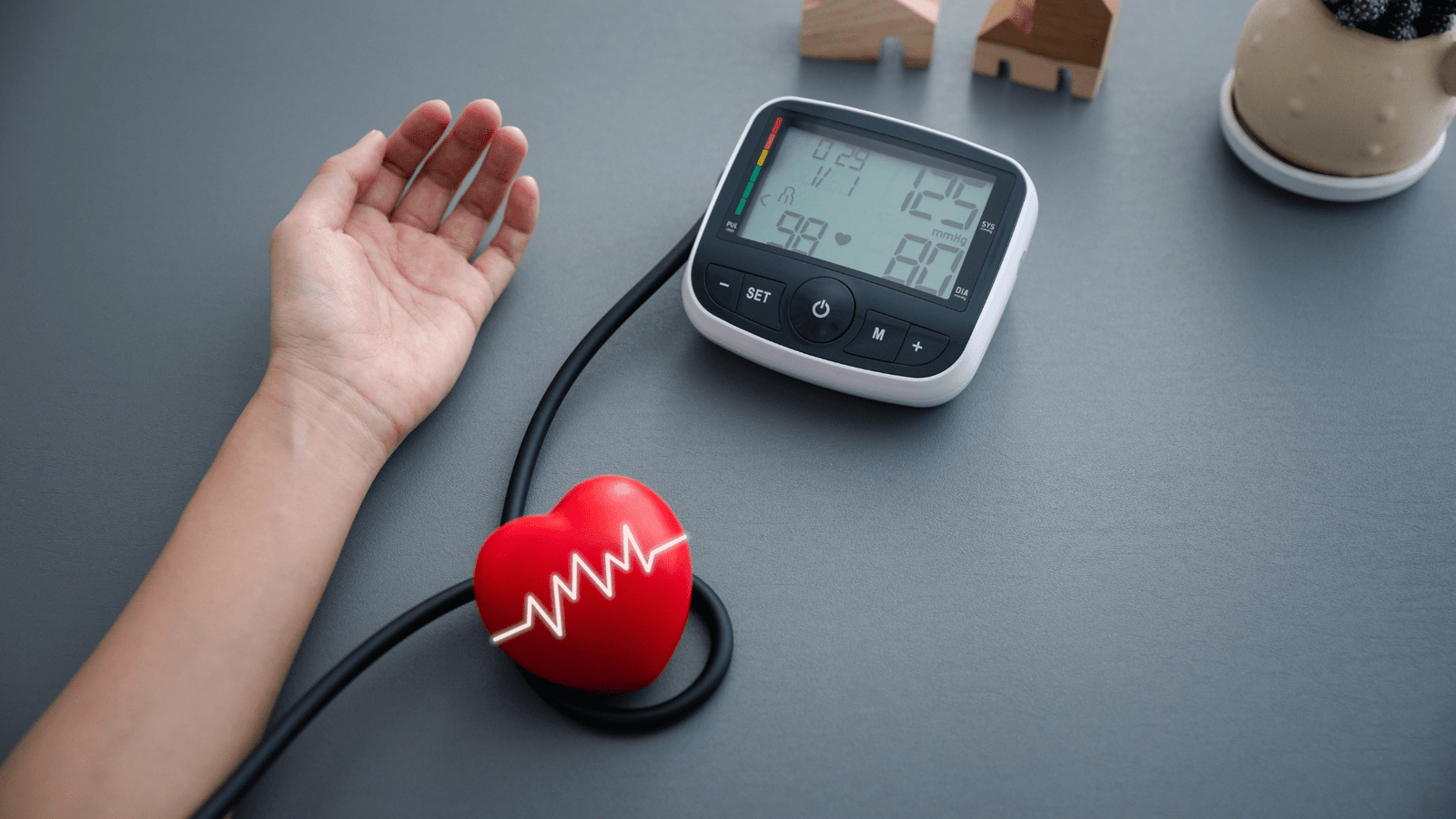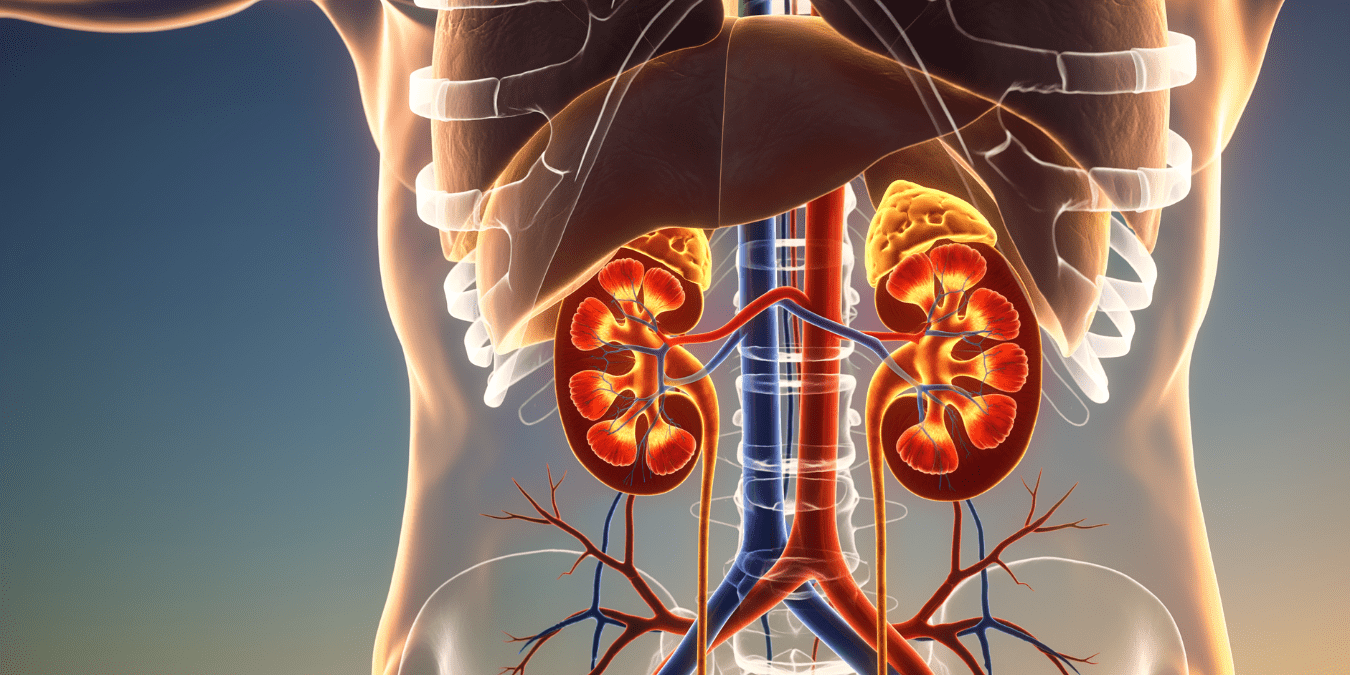
Most people don’t think about their kidneys until something goes terribly wrong. That’s exactly the problem. Chronic kidney disease — one of the most quietly devastating conditions in America — has been silently progressing in millions of people for years before a single symptom appears. But a shift is happening in the world of preventive medicine. Nephrologists, primary care physicians, and leading health organizations are now pointing patients toward a surprisingly simple at-home urine test that can detect the earliest warning signs of kidney damage — potentially years before it reaches a dangerous stage.
This isn’t science fiction, and it isn’t some fringe wellness trend. It’s a medically validated, FDA-cleared technology that is already changing the way doctors think about kidney health screening in the United States.
The Quiet Epidemic No One Is Talking About
Here’s a number that should stop you cold: an estimated 35.5 million Americans — that’s more than 1 in 7 adults — are currently living with chronic kidney disease (CKD). Even more alarming, as many as 9 out of 10 of them have no idea. They feel fine. They go about their days. Meanwhile, their kidneys are silently losing the ability to filter waste from the blood.
Kidney disease doesn’t announce itself with obvious pain or sudden symptoms in its early stages. By the time fatigue, swollen ankles, foamy urine, and shortness of breath begin to appear, the disease is often already in Stage 4 or Stage 5, where the damage becomes extremely difficult to reverse. At that point, dialysis or a kidney transplant may be the only options left.
The National Kidney Foundation estimates that approximately 80 million Americans are at elevated risk for CKD — and yet, despite current clinical guidelines recommending yearly kidney testing for adults with diabetes or high blood pressure, fewer than 10% of hypertensive patients and fewer than 40% of diabetic patients are getting fully screened. That testing gap is costing lives.
What Makes This Test Different
The test generating so much attention in medical circles is the urine albumin-to-creatinine ratio test, or uACR — and it can now be performed in the comfort of your own home using a smartphone-enabled kit.
Here’s the science behind it: your kidneys are supposed to keep large molecules like albumin (a blood protein) inside your bloodstream. When the tiny filtering units of the kidney — called nephrons — begin to sustain damage, they start leaking albumin into the urine. This protein “spill” can begin years before kidney function measurably declines on a standard blood test. A uACR test detects this early leakage, making it one of the most sensitive tools available for catching kidney damage in its infancy.
Normal uACR levels are below 30 mg/g. A reading between 30 and 300 mg/g signals early damage, and anything above 300 mg/g indicates significant and potentially urgent kidney injury. Detecting this leak early gives patients and physicians a critical window of time to intervene — through medication adjustments, blood pressure control, dietary changes, and other targeted therapies — before the disease progresses.
The At-Home Test Making Waves
The most talked-about at-home uACR test in the U.S. is Minuteful Kidney, developed by Healthy.io. It is the first and only FDA-cleared, smartphone-powered at-home uACR test on the market. Here’s how it works: a patient collects a first-morning urine sample on a provided test strip, then uses their smartphone camera to photograph and analyze the result through a dedicated app. The app uses validated color-analysis technology to deliver a result in minutes.
The clinical accuracy of this test is striking. A study conducted by Birdrock Laboratories in San Diego and published in late 2024 found that Minuteful Kidney demonstrated 96.4% sensitivity and 84.2% specificity for detecting albuminuria compared to gold-standard hospital laboratory analyzers. The study evaluated 615 urine samples from outpatient settings across economically diverse communities, all involving individuals with known CKD risk factors including diabetes, hypertension, cardiovascular disease, obesity, and family history of kidney failure.
Those numbers aren’t just impressive on paper — they exceed the guideline-recommended accuracy thresholds for CKD detection set by major nephrology bodies. According to the KDIGO 2024 CKD guidelines, semiquantitative home uACR tests are now formally recognized as a viable testing option for CKD screening.
What Doctors and Leading Organizations Are Saying
This isn’t a fringe recommendation. Major medical institutions and federally supported health programs are actively endorsing and deploying at-home kidney testing at scale.
The National Kidney Foundation (NKF) has worked in partnership with Affinia Healthcare — a Federally Qualified Health Center in St. Louis, Missouri — to run a comprehensive at-home CKD testing program. The results? Among 1,496 at-risk individuals who completed testing, 50% showed evidence of abnormal uACR or albuminuria, meaning half of a high-risk screened population had detectable early kidney damage they likely didn’t know about.
Dr. Kerry Willis, PhD, and Chief Scientific Officer of the NKF, put it plainly: “Albuminuria is often the earliest sign of kidney disease, and yet, in the majority of people at increased risk due to diabetes or hypertension, it is not tested. This new test has the potential to help millions of patients find out they have CKD while there is still time to prevent progression to kidney failure”.
Research backs up the patient-side benefits too. A clinical trial involving nearly 1,000 participants — conducted jointly by the NKF, Geisinger Health, and Healthy.io — found that 71% of patients adhered to home testing, 98% of those who attempted the test succeeded on their own, and 89% said they preferred home testing over going to a physician’s office. On a net promoter score scale, participants gave home urine testing an 8.9 out of 10. These are not the numbers of a test people find burdensome or confusing — they are the numbers of a test people actually want to use.
Who Should Be Testing Right Now
Not everyone needs to test immediately, but if you fall into any of the following categories, doctors strongly recommend discussing uACR testing — whether at home or in-office — with your physician:
- People with Type 2 diabetes: About 1 in 3 people with diabetes have kidney disease, and diabetic nephropathy is the leading cause of kidney failure in the U.S.
- People with high blood pressure: Hypertension is the second leading cause of CKD; roughly 1 in 5 people with high blood pressure have kidney disease
- Adults over 60: The risk for kidney function decline increases significantly with age
- People with a family history of kidney disease or kidney failure: Genetics play a meaningful role in CKD susceptibility
- People with heart disease or obesity: Both conditions are now formally recognized as independent CKD risk factors
- African Americans, Hispanic Americans, and Native Americans: These communities face disproportionately higher rates of kidney failure in the United States
If you have one or more of these risk factors and have never been tested for kidney disease, you may be among the estimated 9 in 10 Americans with CKD who are completely unaware of it.
The Science of Early Detection: Why Timing Is Everything
Kidney disease is staged on a scale from Stage 1 to Stage 5. Stages 1 and 2 show normal or mildly reduced kidney function, but uACR testing can detect protein leakage and confirm damage even at Stage 1, when the kidneys still function reasonably well. At this point, intervention is most powerful.
The uACR test can identify kidney damage 5 to 10 years before symptoms appear and before standard blood tests like eGFR (estimated glomerular filtration rate) begin showing abnormalities. This matters enormously because several proven treatments — including SGLT2 inhibitors, ACE inhibitors, and ARBs — can dramatically slow CKD progression when started early. The earlier they are initiated, the greater the protective benefit.
Research published in the BMJ Public Health journal in 2025 reinforced this further, finding that urine albumin test strips used as point-of-care tools demonstrated 92% accuracy in identifying early CKD among high-risk populations, with researchers concluding these tests “should be incorporated into health policy”.
How to Get Started Today
If you’re interested in taking control of your kidney health, here are your practical next steps:
- Talk to your doctor first. Before ordering any home test, let your primary care physician know your interest in uACR screening. They can advise you based on your specific medical history and help you interpret results.
- Order an FDA-cleared test. Healthy.io’s Minuteful Kidney test is available with a prescription or through participating health plans, and some major insurers now cover at-home uACR testing. LetsGetChecked and Labcorp OnDemand also offer kidney function panels that measure eGFR, creatinine, and BUN.
- Follow sample collection instructions carefully. Most at-home uACR tests require a first-morning urine sample for accuracy. Avoid high-protein meals or intense exercise 24 hours before testing, as these can temporarily elevate albumin levels.
- Use your smartphone as directed. For app-based tests like Minuteful Kidney, proper lighting and following the app instructions precisely are critical for accurate color analysis.
- Don’t self-diagnose. A positive or borderline result should prompt a follow-up with your doctor, not alarm. A single abnormal uACR reading may require confirmation with a repeat test before a diagnosis is made. CKD is officially diagnosed when kidney damage persists for three months or more.
- Test regularly if you’re at risk. Guidelines recommend annual uACR testing for patients with diabetes or hypertension. At-home tests make this kind of consistent monitoring far more achievable for most Americans.
The Access and Equity Angle
One of the most compelling arguments for at-home uACR testing is its potential to close a significant healthcare access gap. People in rural areas, low-income communities, or regions with physician shortages often go years without basic kidney screening. The smartphone-enabled test was specifically evaluated across economically diverse populations in the Birdrock Laboratories study, and its accuracy held firm across all demographics.
For Black Americans — who are nearly four times more likely to develop kidney failure than white Americans — early, accessible testing is not just a convenience. It is a matter of survival. Programs like the NKF’s at-home CKD testing initiative in St. Louis are demonstrating that bringing the test directly to patients, rather than expecting patients to navigate complex healthcare systems, produces dramatically better screening rates and earlier diagnoses.
Kidney Disease Is Beatable When Caught Early
Here is the crucial piece of hope that often gets lost in the statistics: CKD is not a death sentence when identified early. Stage 1 and Stage 2 CKD patients, when properly managed, can live for decades without progressing to kidney failure. Lifestyle changes — reducing sodium intake, maintaining a healthy weight, quitting smoking, and controlling blood sugar and blood pressure — combined with the right medications, can halt or significantly slow the disease in its tracks.
The National Institute of Diabetes and Digestive and Kidney Diseases (NIDDK) confirms that Medicare expenditures for CKD patients now exceed $130 billion annually — a staggering cost that reflects how late most diagnoses come. Earlier detection through accessible at-home testing doesn’t just save kidneys. It saves money, reduces hospitalizations, and preserves quality of life for millions of Americans who currently don’t know what is happening inside their bodies.
A Final Word From Experience
The medical community’s growing embrace of at-home uACR testing reflects a larger philosophical shift in American healthcare — from reactive treatment toward proactive prevention. For too long, kidney disease was something doctors discovered during a routine blood panel, often after years of undetected damage had already occurred. Now, for less than the cost of a copay, an American with diabetes can wake up on a Tuesday morning, collect a urine sample, photograph a test strip with their phone, and know within minutes whether their kidneys are sending out a warning signal.
That is a remarkable advancement. And it is one that — if embraced widely — has the potential to change the trajectory of one of the most underdiagnosed public health crises in this country. The uACR test is simple. The technology is validated. The evidence is compelling. The only thing left is awareness.
Now you have it. Talk to your doctor.
This article is intended for informational purposes only and does not constitute medical advice. Always consult a qualified healthcare professional before making decisions about your health or ordering diagnostic tests.

Omisha is a health writer passionate about turning complex medical research into clear, actionable content readers can trust. She covers everything from nutrition and mental wellness to chronic disease management, always grounding her work in credible science and real-world relevance. When she's not writing, she's usually reading up on the latest health studies or exploring new wellness trends to write about next.