Every few decades, a medical breakthrough comes along that genuinely reshapes how Americans approach their health. Penicillin. Statins. The COVID-19 vaccine. Now, a new class of drugs — GLP-1 receptor agonists — is triggering a seismic shift in how the United States battles obesity, Type 2 diabetes, and cardiovascular disease. But amid the headlines, the celebrity endorsements, and the staggering prescription numbers, a sobering truth is quietly emerging from the medical community: millions of Americans are doing this wrong, and the consequences could be far more serious than simply not losing enough weight.
This isn’t a scare story. It’s a call to informed action — because when something this powerful becomes this popular this fast, nuance tends to get lost in the noise.
What GLP-1 Drugs Actually Are
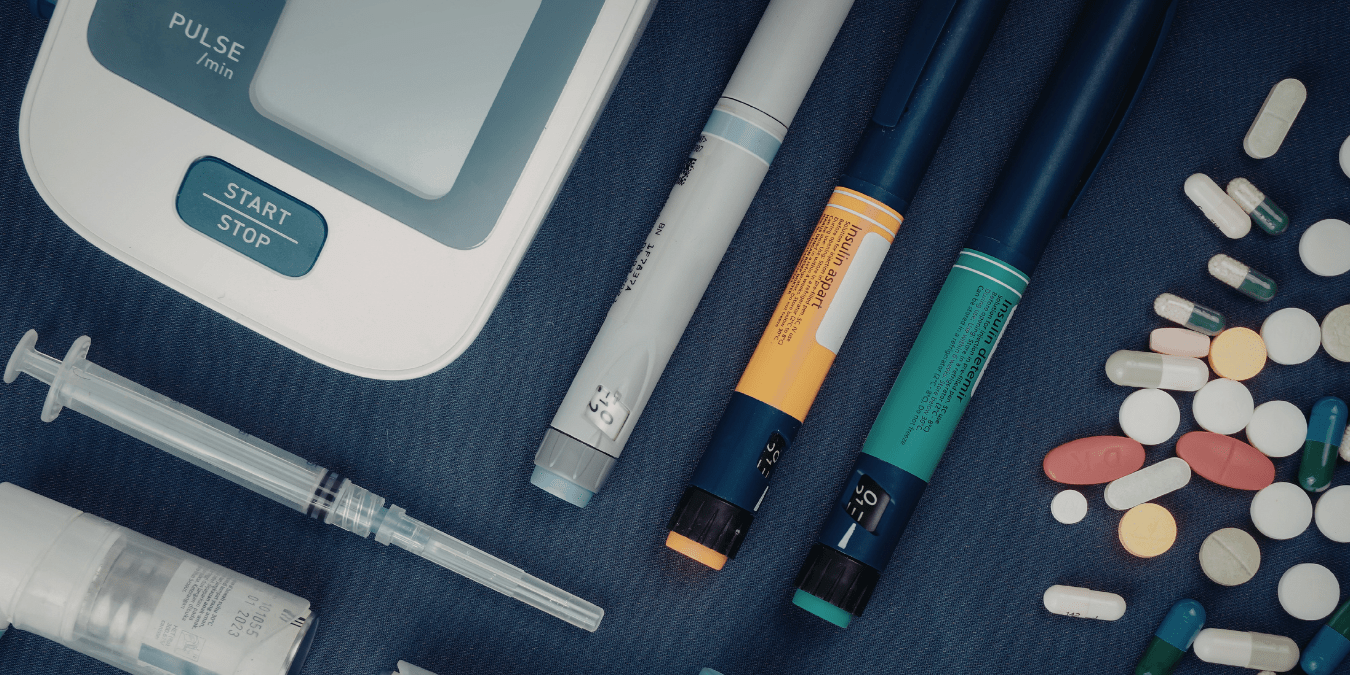
GLP-1 stands for Glucagon-Like Peptide-1, a hormone your body naturally produces in the gut after eating. It signals the brain to reduce hunger, slows digestion, and prompts the pancreas to release insulin. GLP-1 receptor agonists are medications that mimic this hormone’s effects with far greater potency and duration than your body can achieve on its own.
The most well-known names in this space — semaglutide (sold as Ozempic for diabetes and Wegovy for weight loss) and tirzepatide (Mounjaro and Zepbound) — are manufactured by pharmaceutical giants Novo Nordisk and Eli Lilly, respectively. These drugs don’t just help people feel less hungry. They fundamentally alter the biochemical signals driving appetite and metabolism, making them unlike any diet pill that came before.
The FDA has approved these medications for Type 2 diabetes management, chronic weight management in adults with obesity or overweight with a related health condition, and most recently, for cardiovascular risk reduction. The indications are expanding, the science is deepening, and the cultural momentum is undeniable.
The Numbers Are Staggering — and Growing
The scale of GLP-1 adoption in the United States has surpassed nearly every projection. According to a KFF Health Tracking Poll, approximately 1 in 8 U.S. adults — about 12% — are currently taking a GLP-1 medication, and 18% report having used one at some point. That translates to tens of millions of Americans whose bodies, habits, and health trajectories are being directly influenced by these drugs right now.
In the diabetes treatment space alone, the transformation has been historic. By May 2025, GLP-1s accounted for 52% of all diabetes prescription volume in the U.S., up from just 18% in 2020. By 2025, nearly 25% of all diabetes patients had started a GLP-1 therapy, compared to just 3% four years earlier. The American Diabetes Association updated its Standards of Care to recommend GLP-1 receptor agonists as a first-line therapy for Type 2 diabetes — a move that has displaced metformin, one of the most prescribed drugs in American medical history.
Financially, the numbers are just as eye-opening. U.S. spending on GLP-1 medications surged to $717 billion in 2024, a dramatic increase from $137 billion in 2019. GLP-1 drugs typically carry a list price exceeding $1,000 per dose, creating enormous barriers for uninsured and underinsured Americans even as demand skyrockets.
The Life-Changing Benefits — and They Are Real
Before diving into the critical warning, it’s essential to give credit where it is unambiguously due. GLP-1 drugs are producing real, life-altering results for millions of Americans.
Clinically documented benefits include:
- Significant weight loss, with trials showing 15% to 22% reductions in body weight for patients on semaglutide or tirzepatide
- Improved glycemic control, often reducing or eliminating the need for insulin in Type 2 diabetics
- Cardiovascular protection, with continuous GLP-1 users seeing an 18% reduction in major cardiovascular events compared to alternative drug users
- Potential benefits across conditions including sleep apnea, fatty liver disease, and chronic kidney disease
- Unexpected behavioral changes, with users reporting reduced cravings for alcohol, nicotine, and compulsive behaviors — a phenomenon researchers are still working to fully understand
The World Health Organization recognized the weight of this evidence in late 2025, issuing its first-ever global guideline conditionally recommending GLP-1 therapies for treating obesity as a chronic, relapsing disease. This was a landmark moment — the global health authority effectively saying: these drugs work, and the world needs a plan for using them responsibly.
The Critical Warning Experts Keep Sounding
Here is where the conversation must shift — and shift urgently.
“The biggest mistake people make with GLP-1 medications is thinking the prescription is the treatment,” said Dr. Katherine Saunders, an obesity medicine expert at Weill Cornell Medicine. That single sentence captures the core of what experts across endocrinology, cardiology, sports medicine, and physical therapy are warning about: GLP-1 drugs are extraordinarily powerful tools, but a tool used in isolation is rarely as effective — and sometimes dangerous — compared to one used as part of a complete strategy.
The critical step most Americans are missing? Structured lifestyle support — specifically resistance exercise and targeted nutrition — that preserves lean muscle mass while the drug drives fat loss.
This is not a minor footnote. It is, according to a growing body of research and clinical opinion, the linchpin that determines whether a patient achieves lasting, transformative health improvement or merely an expensive, temporary reduction in scale weight.
- Louisiana Vibrio Vulnificus Outbreak 2026 Explained: Who Faces the Greatest Risk in Gulf Coast Waters and How to Stay Safe

- 3 Midlife Habits Linked to Almost 13 More Dementia-Free Years, According to a 26-Year Study of 12,409 Adults

- Your Blood Pressure Reading Has a “Hidden Number” Doctors Say Most People Ignore
- AI Is Now Diagnosing Your Skin Before You Even Visit a Dermatologist — Here’s How the Beauty Industry Is Changing Everything in 2026

- The Side-Part Is Making the Most Unexpected Comeback in American Beauty History — And This Time, It’s Not Going Anywhere

- This Heat Protectant Spray From LolaVie Is Going Viral in the US — Stylists Say It Cuts Drying Time and Saves Your Blowout for Days
The Hidden Cost: Muscle Loss on GLP-1 Medications
When GLP-1 drugs suppress appetite and caloric intake, the body loses weight. But the body does not lose fat and fat alone. Clinical studies suggest that up to 39% of weight lost during GLP-1 treatment may come from lean mass, including muscle — particularly in users who are sedentary or who have a low baseline of physical activity.
Research from the New York Times-cited experts indicates that approximately 25% of weight lost on GLP-1 medications is lean mass, encompassing muscle, organs, water, and connective tissue. While that still means the majority of weight lost is fat — and body composition overall shifts toward a healthier state for most users — the lean mass loss is clinically significant and must not be ignored.
Here’s why this matters so deeply:
- Muscle drives metabolism. Losing muscle means a slower metabolic rate, which makes fat regain far more likely if the drug is discontinued or dosage is reduced.
- Sarcopenia risk escalates. For older adults especially, GLP-1-accelerated lean mass loss can contribute to sarcopenia — the progressive deterioration of muscle tissue and strength linked to falls, fractures, and loss of independence.
- Musculoskeletal risk compounds. Muscle loss increases the risk of joint pain, balance problems, and functional decline — conditions that then drive up healthcare utilization and costs.
- The muscle is hard to get back. Unlike fat, which the body can rebuild rapidly, lean muscle tissue is expensive for the body to rebuild, especially with age.
The New York Times noted that social media influencers and supplement companies have stoked fear around this issue in ways that aren’t always clinically balanced. That is a fair point. Panic is not the answer. But strategic, informed action is.
The Rebound Reality: What Happens When You Stop
Another layer of the story that is not making enough headlines: what happens when Americans stop taking GLP-1 drugs — and many do stop. Researchers at Washington University in St. Louis analyzed outcomes from 333,687 veterans and found that stopping GLP-1 therapy for as little as six months raises the risk of heart attack and stroke.
Participants who continuously used GLP-1s over a three-year period saw an 18% reduction in major cardiovascular events. But those who discontinued use for one to two years without resuming saw a 14% to 22% increased risk of a cardiovascular event compared to continuous users. Stopping GLP-1 drugs doesn’t just halt the benefits — it actively reverses them, sometimes worse than where the patient started.
Washington University’s Dr. Ziyad Al-Aly, who led the research, noted that about half of all GLP-1 users stop taking the medications shortly after starting, most often due to cost, side effects, or supply shortages. The most common reasons Americans abandon these life-changing drugs are systemic failures of the U.S. healthcare and insurance landscape — not a lack of desire or willpower.
The takeaway from this research is clear: GLP-1 therapy behaves more like a long-term risk-reduction treatment than a short-term fix. It is a chronic disease management tool, not a 90-day program. Americans who approach it as the latter are setting themselves up for a medically precarious rebound.
The Complete Framework: What the Evidence Actually Supports
A recent review of nearly three dozen studies found that the effects of GLP-1 drugs are larger and last longer when the medications are combined with meaningful lifestyle changes. This is not a pharmaceutical company disclaimer buried in fine print. This is the consensus of independent researchers across multiple peer-reviewed meta-analyses.
So what does “doing it right” actually look like? Based on expert recommendations and current evidence, the comprehensive GLP-1 treatment framework includes:
1. Resistance Training — Non-Negotiable
Strength training at least two to three times per week is the most effective intervention known to preserve lean muscle during caloric restriction. It directly counteracts the lean mass loss mechanism triggered by rapid weight reduction. This doesn’t require a gym membership — bodyweight exercises, resistance bands, and guided home programs all qualify.
2. Adequate Protein Intake
Experts recommend that GLP-1 users consume at least 1.2 to 1.6 grams of protein per kilogram of body weight daily. Because these drugs suppress appetite so effectively, many patients unintentionally under-eat protein, which accelerates muscle breakdown. Prioritizing protein at every meal is a deliberate, active strategy, not an afterthought.
3. Gradual Dose Escalation
Physicians should escalate GLP-1 dosages slowly and deliberately. Rapid weight loss places greater proportional stress on lean tissue. Gradual escalation keeps weight loss at a rate the body can manage with less lean mass collateral damage.
4. Sustained Medical Supervision
GLP-1 therapy requires ongoing physician-patient partnership. Monitoring for side effects — including gallbladder issues, pancreatitis risk, gastrointestinal distress, and, in rare cases, vision changes — is an active process, not a one-time conversation at the time of prescription.
5. Psychological and Behavioral Support
The behavioral relationship with food — emotional eating, stress triggers, habitual patterns — is not automatically resolved by a drug that reduces physical appetite. Behavioral counseling or structured support programs help patients build the cognitive skills that sustain healthy choices when medication is eventually reduced, paused, or discontinued.
Access, Equity, and the American Healthcare Gap
Any honest conversation about GLP-1 drugs in America must confront the reality that access is profoundly unequal. At over $1,000 per dose list price, these medications remain out of reach for tens of millions of Americans without robust insurance coverage. Medicare has historically excluded weight-loss drugs from coverage, though the landscape is slowly evolving. The FDA’s crackdown in early 2026 on compounded GLP-1 medications — unapproved versions that flooded the market during prescription shortages — closed off one of the few affordable access points for lower-income patients.
The former FDA commissioner wrote in 2025 that GLP-1 drugs are “revolutionary — and they’re exposing America’s healthcare crisis”. That framing is apt. These medications have become a lens through which every structural flaw in the U.S. health system — pricing opacity, insurance fragmentation, racial and socioeconomic health disparities — is being magnified. The people most burdened by obesity and Type 2 diabetes are often the same people least able to access the most effective treatments for them.
The ethical imperative for healthcare policymakers, insurers, and pharmaceutical companies is not abstract. It is urgent.
What Patients Should Do Right Now
If you are currently taking, considering, or have recently stopped a GLP-1 medication, here is a practical, evidence-based action checklist grounded in current expert consensus:
- Talk to your doctor about a comprehensive plan, not just a prescription. Ask specifically about muscle preservation strategies.
- Start resistance training immediately, even before or during GLP-1 initiation. Earlier is better.
- Track your protein intake — most GLP-1 users are eating far less protein than their body needs to protect lean mass.
- Don’t stop abruptly without a medical plan. If cost, side effects, or access issues arise, discuss a tapering strategy or bridge plan with your physician.
- Be skeptical of supplement marketing targeting GLP-1 users. Most products promising to “protect muscle” or “enhance GLP-1 results” have limited clinical evidence.
- Ask your insurer about coverage, and if denied, appeal. Coverage landscapes are shifting rapidly, and advocacy works.
The Bigger Picture for American Health
GLP-1 drugs represent something genuinely historic: the first pharmacological tool that addresses the neurological, hormonal, and metabolic roots of obesity — a disease that has stubbornly resisted every previous public health intervention the United States has attempted.
But medicine’s most important lesson, repeated across every major therapeutic revolution in history, is that context matters. Antibiotics don’t replace wound cleaning. Statins don’t replace dietary change. And GLP-1 drugs don’t replace the fundamental work of building a body — and a lifestyle — that can sustain health for decades.
About 1 in 8 American adults are currently on these medications. Millions more are on the waiting list, financially or logistically. The opportunity to get this right — to combine pharmacological power with informed, personalized, and supported lifestyle change — has never been larger. Neither has the cost of getting it wrong.
The prescription, as Dr. Saunders put it, is not the treatment. The treatment is what you do with the window of opportunity the prescription opens. Most Americans are not yet walking through that window fully equipped. The good news is that the blueprint exists, the evidence is clear, and the time to act on it is right now.
This article is intended for informational purposes only and does not constitute medical advice. Always consult a qualified healthcare provider before starting, stopping, or changing any medication or health regimen.

Omisha is a health writer passionate about turning complex medical research into clear, actionable content readers can trust. She covers everything from nutrition and mental wellness to chronic disease management, always grounding her work in credible science and real-world relevance. When she's not writing, she's usually reading up on the latest health studies or exploring new wellness trends to write about next.