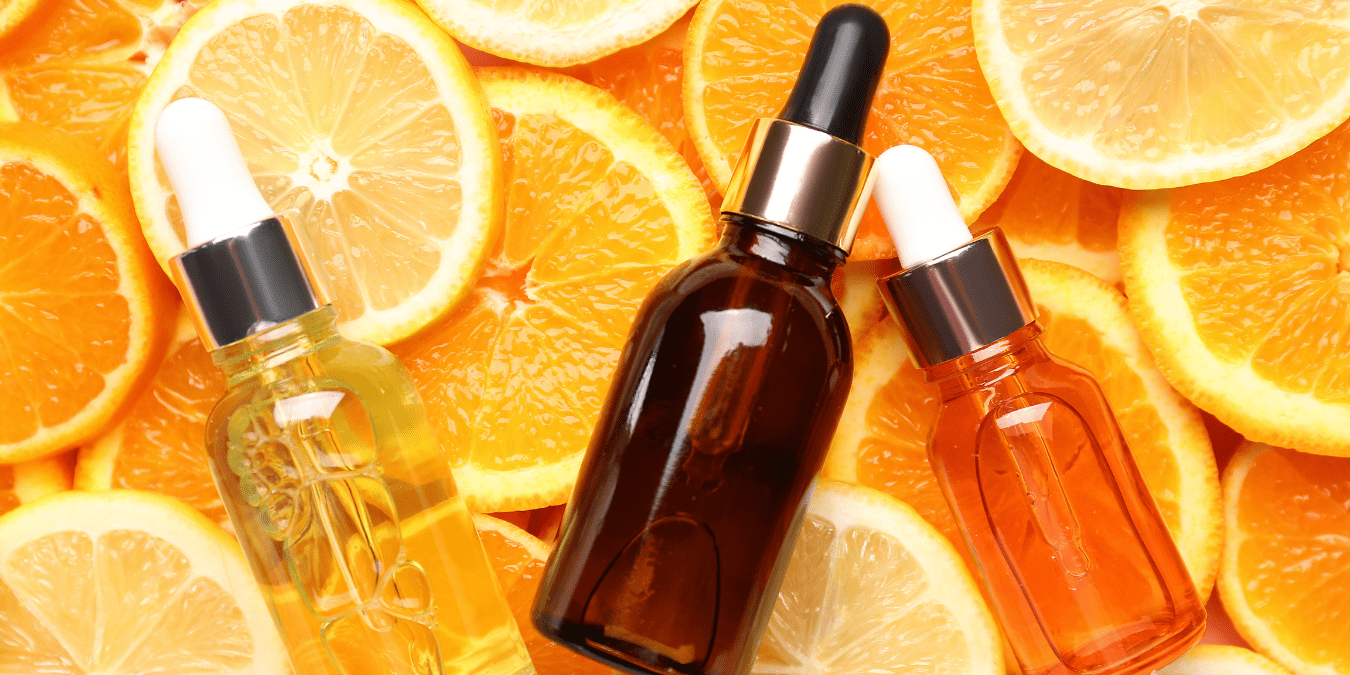
Walk into any Sephora in the United States right now and you will find an entire wall dedicated to one ingredient: vitamin C. Bright orange dropper bottles, luxe frosted glass vials, and minimalist white tubes all promise the same thing — a visibly brighter, more even complexion in weeks. But one price point, roughly around the $64 mark, keeps appearing again and again in conversations between beauty editors, board-certified dermatologists, and everyday Americans who have quietly watched years of sun damage, post-acne marks, and hormonal dark spots begin to fade. So what is actually going on here? Is there genuine science behind the hype, or is this one of the most cleverly marketed beauty myths of the decade?
As someone who has spent years researching skincare formulation science and speaking with dermatology professionals across the country, I want to give you an honest, clear-eyed answer — one that draws from clinical research, real user experience, and the ingredient science that separates products that actually deliver from those that just look good on a bathroom shelf.
What Hyperpigmentation Actually Is (and Why It Is So Stubborn)
Before you spend a dollar on any serum, it helps to understand what you are actually fighting. Hyperpigmentation is not a single condition. It is an umbrella term that covers several distinct skin concerns, including post-inflammatory hyperpigmentation (PIH) from acne or eczema, melasma triggered by hormonal shifts or sun exposure, and age spots caused by cumulative UV damage over years or decades.
The culprit behind all of these is an enzyme called tyrosinase. When your skin experiences trauma — whether from a breakout, a sunburn, or hormonal fluctuation — tyrosinase goes into overdrive, triggering an excess production of melanin, the pigment that gives your skin its color. The melanin clusters in patches, creating the dark spots that many Americans, particularly those with deeper skin tones, struggle to fade.
What makes hyperpigmentation so persistent is that melanin production is a deeply biological, protective process. Your skin is not malfunctioning — it is, in its own way, doing exactly what it evolved to do. Interrupting that process at the enzymatic level is the real challenge, and it is precisely where a well-formulated vitamin C serum can play a meaningful role.
The Science Behind Vitamin C and Skin Brightening
Vitamin C, or ascorbic acid in its purest form, works on pigmentation through a specific, well-documented mechanism. It directly inhibits tyrosinase activity at copper ion binding sites, which effectively slows or stops the conversion of tyrosine into melanin. Beyond that enzymatic interruption, vitamin C also functions as a potent antioxidant that neutralizes the free radicals generated by UV exposure before they can trigger inflammatory pigmentation responses in the first place.
Here is where the clinical evidence becomes genuinely compelling. A peer-reviewed study published in the National Institutes of Health’s database found that a topical formulation containing 25% vitamin C combined with a penetration enhancer led to a statistically significant decrease in melasma pigmentation after 16 weeks of consistent use. Separately, laboratory studies have demonstrated that a 10% topical vitamin C application reduced UV-induced erythema by 52% and significantly decreased cellular damage from sun exposure. These are not trivial numbers.
But here is the important caveat that most beauty marketing conveniently glosses over: vitamin C’s effectiveness is almost entirely dependent on its formulation stability. L-ascorbic acid, the biologically active form, is notoriously unstable in water-based formulas and begins to oxidize and degrade when exposed to air, light, and heat. A bottle of vitamin C serum that has turned orange or yellow-brown has already lost a significant portion of its active potency — and yet millions of Americans continue using these degraded products wondering why they see no results.
The $64 Price Point: What You Are Actually Paying For
When Americans spend $64 on a vitamin C serum from Sephora, what are they actually getting that justifies that price above a $15 drugstore alternative? The answer lies in three areas: concentration, formulation architecture, and delivery system.
The most talked-about and rigorously studied formulations in this category tend to combine L-ascorbic acid at concentrations between 10% and 20% with synergistic antioxidants like vitamin E (tocopherol) and ferulic acid. This specific combination is not accidental. Research has demonstrated that the combination of vitamin C and vitamin E provides an eight-fold increase in photoprotection compared to either antioxidant used alone, and ferulic acid further stabilizes both. Maintaining the pH of these formulas between 2.5 and 3.5 is essential for skin absorption, and achieving that requires sophisticated buffering chemistry that significantly raises the cost of production.
There is also the matter of the delivery mechanism. More recent formulations at this price tier are moving toward stabilized vitamin C derivatives such as 3-O-ethyl ascorbic acid and ascorbyl glucoside, which are dramatically more shelf-stable than pure L-ascorbic acid while maintaining comparable brightening benefits. One study specifically evaluating a serum with 10% 3-O-ethyl ascorbic acid found it reduced dark spots by 4.25%, improved skin firmness by 20.35%, and brightened skin tone measurably after just 28 days. That level of ingredient engineering commands a higher price.
What Sephora’s Vitamin C Landscape Looks Like in 2026
Sephora’s current vitamin C serum selection spans a wide spectrum, from entry-level options under $30 to luxury formulations exceeding $160. In the mid-range $55 to $70 bracket — the zone where that $64 price point lives — you will find several strong contenders that have built devoted followings among American shoppers.
The OLEHENRIKSEN Truth Serum, for instance, combines vitamin C with collagen and green tea extract, and a consumer study of 35 women found it smoothed skin and promoted visible radiance within eight weeks of use. Hyper Skin’s Brightening Dark Spot Vitamin C Serum, which gained significant traction among consumers with melanin-rich skin tones, specifically targets post-inflammatory hyperpigmentation with a formula that includes vitamin E for enhanced antioxidant activity. And Sephora Collection’s own Super Brightening Serum — made from 98% naturally derived ingredients — recorded a 59% improvement in radiance and a 43% improvement in skin evenness in a clinical study of 21 participants over 28 days.
The critical insight here is that this price tier represents the sweet spot where genuine formulation investment begins to show up in clinical results, without crossing into the $100-plus territory where you are increasingly paying for brand prestige as much as performance.
Real Americans, Real Results: What Users Are Actually Experiencing
Beyond the clinical data, there is a rich and honest body of real user experience in the American skincare community that helps paint a complete picture. A longtime beauty enthusiast writing for Into the Gloss described starting a vitamin C serum specifically to address post-hormonal-acne discoloration on her chin and jawline. Within the first week, she reported a visible glow. Weeks later, her scars had visibly lightened, and her skin texture had noticeably smoothed.
A reviewer at USA Today’s Reviewed tested a leading vitamin C serum over seven weeks and, comparing before and after photographs, observed that her darkest red hyperpigmentation marks had faded to a noticeably duller pink. Women’s Health editors who tested a high-concentration vitamin C serum over an extended period reported consistent lightening of hyperpigmentation with continued use, though they noted that addressing the root cause of new spots — particularly for acne-prone users — was equally important.
These experiences reflect a pattern that dermatologists and skincare researchers recognize: vitamin C serums are not overnight erasers of existing pigmentation, but with consistent daily use over six to twelve weeks, they demonstrably slow new melanin formation and gently accelerate the fading of existing marks. That is a distinction worth internalizing before you purchase.
The Honest Truth About What Vitamin C Cannot Do
One of the most important pieces of advice from dermatology professionals and skincare researchers is to approach vitamin C with calibrated expectations. As a New York Times Wirecutter investigation into dark spots and vitamin C concluded, a daily vitamin C serum is most effective at preventing new spots from appearing or keeping current ones from darkening further, rather than aggressively erasing deep-set, long-standing pigmentation. That finding is not a knock on vitamin C — it is a clarification that transforms how you use it.
If you have lived with significant melasma for years or have deeply set sun damage from decades of outdoor activity without SPF, a vitamin C serum alone will likely not be sufficient. Dermatologists often pair vitamin C with other proven brightening actives like niacinamide, tranexamic acid, or in clinical settings, azelaic acid, for more pronounced results. The combination approach, rather than a single-ingredient solution, tends to produce the most meaningful outcomes in peer-reviewed research.
For consumers with melanin-rich skin tones — including the many Americans of South Asian, Black, Latinx, and Middle Eastern heritage who are disproportionately affected by hyperpigmentation — this nuance is particularly important. These skin types are more reactive to post-inflammatory hyperpigmentation and may require targeted formulas specifically developed with their Fitzpatrick skin types in mind.
How to Use a Vitamin C Serum for Maximum Results
Getting the most out of a $64 vitamin C serum requires attention to application protocol, not just the formula itself. Here is what the science and dermatological guidance consistently recommends:
- Apply to clean, dry skin in the morning before moisturizer and sunscreen, since vitamin C’s antioxidant action is most valuable as daytime UV protection support
- Use 3 to 5 drops across the full face and allow 60 seconds of absorption before layering other products on top
- Store the bottle in a cool, dark location and keep the cap tightly sealed to prevent oxidation — the single most common way vitamin C serums lose effectiveness before you finish the bottle
- Introduce gradually if you have sensitive skin, starting with every other day use, since the low pH required for L-ascorbic acid efficacy can cause mild tingling or redness during the first week or two
- Always follow with a broad-spectrum SPF 30 or higher sunscreen — without this step, you are effectively undermining the entire purpose of using a brightening serum, since UV exposure continues to trigger the tyrosinase activity you are trying to suppress
- Give the product a minimum of eight to twelve weeks before evaluating results, as melanin turnover in the epidermis is a biological process that operates on a cellular timeline, not a cosmetic one
How to Choose the Right Formula for Your Skin
With so many options available at Sephora in the $64 range, matching the right formulation to your specific skin profile matters. Consider these practical guidelines:
- Oily or acne-prone skin: Look for lightweight, water-based serums with L-ascorbic acid at 10 to 15% concentration. Avoid formulas with heavy silicones or occlusive oils that can clog pores.
- Dry or mature skin: Formulas that combine vitamin C with hyaluronic acid or vitamin E offer dual brightening and hydration benefits, which address the dullness and loss of firmness that often accompany hyperpigmentation in older skin.
- Sensitive skin: Opt for stabilized vitamin C derivatives like ascorbyl glucoside or sodium ascorbyl phosphate at 5 to 10% concentration. These forms are gentler, more stable, and less likely to cause irritation than pure L-ascorbic acid.
- Deeper skin tones: Prioritize formulas that have been specifically tested on a diverse range of Fitzpatrick skin types. Ask Sephora’s beauty advisors about clinical study demographics before committing to a formula, as many studies are conducted primarily on lighter skin tones.
Is the Investment Worth It?
For the vast majority of Americans dealing with post-acne marks, early sun damage, or uneven skin tone, a well-formulated vitamin C serum in the $55 to $70 range represents one of the most scientifically credible, dermatologist-endorsed investments in a morning skincare routine. The combination of tyrosinase inhibition, antioxidant photoprotection, and collagen support makes vitamin C a genuinely multi-functional active — not a one-trick brightening ingredient.
The key word throughout all of this is consistency. No serum, regardless of price, performs miracles in a week. Clinical studies showing meaningful improvements in hyperpigmentation run for a minimum of 12 to 16 weeks for good reason. But Americans who commit to daily, properly applied use of a quality vitamin C serum — and who pair it with SPF every single morning — are not being fooled by clever marketing. They are participating in one of the most evidence-backed topical skincare practices available without a prescription.
So the next time you pick up that $64 bottle at Sephora and wonder whether it is worth it, ask yourself a simpler question: Is it the right formula for your skin type, stored correctly, applied consistently, and backed by clinical data? If the answer to all four is yes, then the real secret weapon is not the serum itself — it is your commitment to using it properly.
This article is for informational purposes only and is not a substitute for professional dermatological advice. Consult a board-certified dermatologist for personalized treatment recommendations, especially for persistent or severe hyperpigmentation.

Omisha is a health writer passionate about turning complex medical research into clear, actionable content readers can trust. She covers everything from nutrition and mental wellness to chronic disease management, always grounding her work in credible science and real-world relevance. When she's not writing, she's usually reading up on the latest health studies or exploring new wellness trends to write about next.