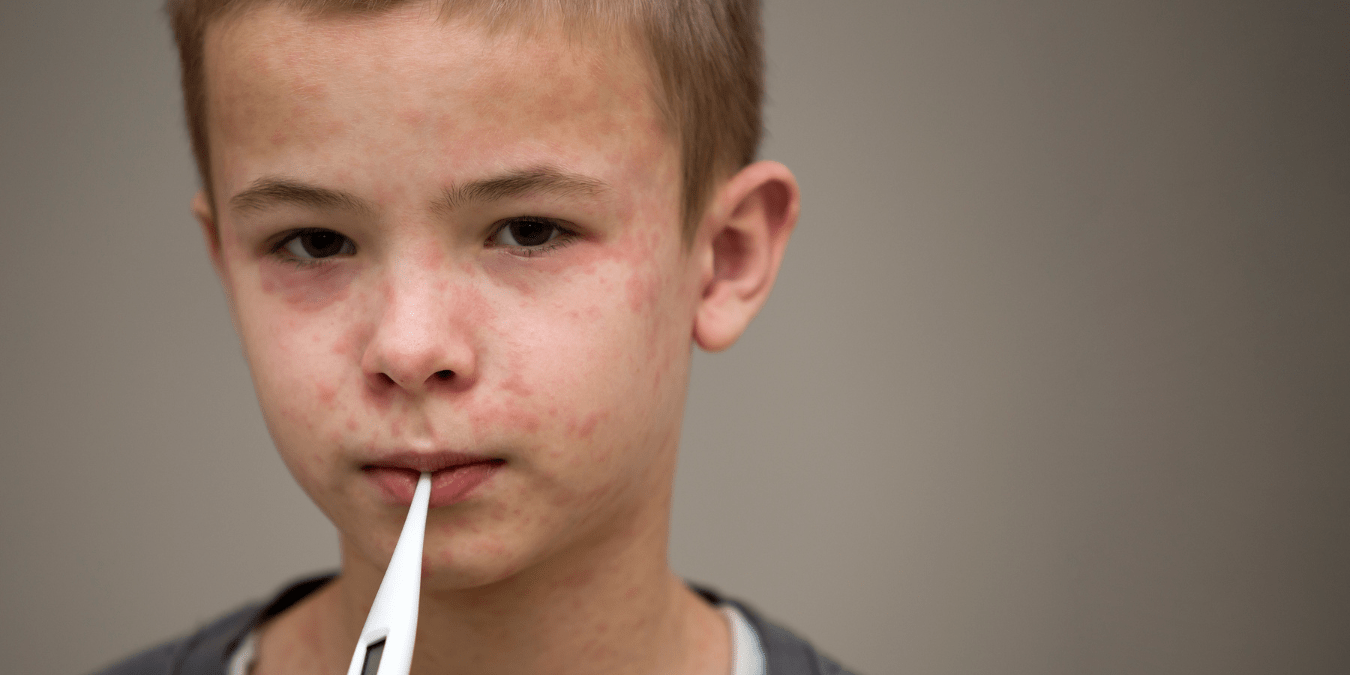
Mpox’s deadliest strain just hit NYC—Clade I, far more lethal than 2022’s outbreak. Is America on the brink of a silent killer wave? One traveler sparked alarm, but what’s the REAL threat to YOU? Uncover the shocking truth before it’s too late.
Mpox clade I showing up in New York City is a serious warning sign, but it is not a reason for most Americans to panic right now.
What just happened in New York City?
On March 13, 2026, New York City’s Health Department announced the first-ever confirmed case of mpox clade I in the city. This patient had recently traveled to Europe, and confirmatory testing was done by the U.S. Centers for Disease Control and Prevention (CDC).
Key details from NYC’s advisory:
- The case is travel‑related, not community‑acquired.
- The person is recovering, has been appropriately treated, and is isolating until symptoms fully resolve.
- Health authorities say there is no evidence of local transmission of clade I in New York City as of mid‑March 2026.
- The Health Commissioner has emphasized that overall risk for New Yorkers remains low, while still urging vaccination for people at higher risk.
This NYC case is the twelfth known clade I mpox diagnosis identified in the United States since 2024. Earlier cases were largely in people who had traveled to outbreak areas in Central and Eastern Africa or were close contacts of such travelers.
What is mpox clade I and why is it “deadlier”?
Mpox (formerly monkeypox) is caused by the mpox virus, an orthopoxvirus related to smallpox. Scientists divide the virus into several genetic “clades” (families), which differ in severity and how easily they spread.
Broadly speaking:
- Clade I (historically Congo Basin) is the most virulent form, with higher case fatality rates and more severe disease, especially in low‑resource settings.
- Clade II (including subclades IIa, IIb, and the newer Ib) tends to be less deadly but has driven most of the global spread since 2022.
Data from outbreaks and reviews show:
- Clade I case fatality ratios have historically ranged from about 1.4% up to more than 10%, especially in Central African contexts with limited healthcare.
- Clade II case fatality has been lower overall, roughly 0.1%–3.6%, with most people recovering, particularly in higher‑income countries.
- Animal model work supports that clade I viruses replicate more aggressively and cause more severe disease, consistent with higher virulence.
Crucially, those higher fatality numbers for clade I come largely from places where access to testing, antiviral treatment, and intensive supportive care is limited. In the U.S., experts expect outcomes to be significantly better because people can get earlier diagnosis, antivirals, and supportive care if needed.
- Louisiana Vibrio Vulnificus Outbreak 2026 Explained: Who Faces the Greatest Risk in Gulf Coast Waters and How to Stay Safe

- 3 Midlife Habits Linked to Almost 13 More Dementia-Free Years, According to a 26-Year Study of 12,409 Adults

- Your Blood Pressure Reading Has a “Hidden Number” Doctors Say Most People Ignore
- AI Is Now Diagnosing Your Skin Before You Even Visit a Dermatologist — Here’s How the Beauty Industry Is Changing Everything in 2026

- The Side-Part Is Making the Most Unexpected Comeback in American Beauty History — And This Time, It’s Not Going Anywhere

- This Heat Protectant Spray From LolaVie Is Going Viral in the US — Stylists Say It Cuts Drying Time and Saves Your Blowout for Days

How is clade I different from the mpox Americans remember from 2022?
Most Americans who followed the 2022 mpox headlines were watching a clade IIb‑driven outbreak that particularly affected sexual networks of gay, bisexual, and other men who have sex with men (MSM). That outbreak, while serious, had relatively low mortality in countries with robust healthcare; most healthy adults recovered.
Clade I differs in several important ways:
- Severity: Historically, clade I has produced more severe disease and higher fatality rates, and has been associated with more complications and hospitalizations in African settings.
- Transmission patterns: Clade IIb in 2022 spread mainly via close, often intimate, contact; clade I has a track record of broader transmission routes, including household spread and non‑sexual human‑to‑human transmission.
- Impact on children: The current clade I epidemic centered in Democratic Republic of the Congo (DRC) has disproportionately affected children, with a majority of cases and deaths in people 15 and younger.
- Global expansion risk: A newer sublineage, sometimes labeled clade Ib, has demonstrated potential for broader international spread, prompting global risk assessments by WHO and others.
Still, context matters: CDC and other expert groups expect that even clade I will likely cause less severe outcomes in the U.S. than in DRC because of better access to vaccines, antivirals, and supportive care.
What does the NYC clade I case mean for the rest of America?
Public health experts have been planning for this scenario for more than a year: imported clade I cases showing up in high‑travel hubs like New York. The NYC diagnosis is a signal that those models and risk assessments were realistic—and now we’re in that phase.
1. Risk to the general U.S. population remains very low
The CDC’s updated clade I risk assessment describes the likelihood of infection for the overall U.S. population as very low under current conditions. This conclusion rests on several factors:
- Clade I transmission is still overwhelmingly concentrated in Central and Eastern Africa, with only a very small number of imported or linked cases in the U.S. to date.
- There is no evidence of sustained nationwide community spread of clade I in the U.S., although California has reported some community transmission linked to earlier travel‑associated introductions.
- U.S. communities generally have smaller household sizes, better sanitation, and more robust healthcare systems than the hardest‑hit regions in DRC, reducing the likelihood of explosive spread.
In short, an average American without particular risk factors is still unlikely to encounter clade I mpox at this time.
2. Certain networks and locations will be watched closely
CDC modeling has highlighted that some counties—especially those with dense sexual networks and lower levels of mpox immunity—are more vulnerable to sustained spread if clade I enters those networks. Counties with high vaccination coverage and high levels of past infection‑derived immunity are expected to have smaller and more self‑limiting outbreaks if clade I is introduced.
In practical terms, this means:
- Urban centers with active nightlife and sexual networks, especially among MSM, will be key monitoring points.
- Jurisdictions that had large clade IIb outbreaks in 2022–2023 and responded with strong vaccination campaigns may now be relatively more protected.
- Areas with limited vaccination and low awareness may see more transmission if clade I arrives, particularly if cases go undetected initially.
3. It raises the stakes for surveillance and testing
Because clade I is potentially more severe, early detection becomes even more important than it was for clade IIb. NYC’s health advisory stresses that clinicians should consider mpox in patients with compatible rashes or symptoms—especially those with recent international travel or close contact with travelers from affected regions.
Across the country, this NYC case will likely prompt:
- Reinforced alerts to healthcare providers to test suspected mpox cases promptly.
- Renewed emphasis on taking detailed travel and exposure histories.
- More sequencing of detected mpox viruses to distinguish clade I from clade II and track any shifts in circulation.
Are we looking at another 2022‑style outbreak?
A second big question is whether this is the start of a 2022‑like wave—or something worse. So far, available data do not support that scenario, but there are real concerns.
Why a 2022 repeat looks less likely right now
Several factors reduce the chance of a nationwide surge akin to 2022:
- There is already a base layer of mpox immunity in some communities from prior infection and vaccination campaigns during and after the 2022 outbreak.
- Public health infrastructure—from testing to case investigation to vaccine distribution—is now better prepared and more familiar with mpox response.
- People in higher‑risk networks are more aware of mpox, its symptoms, and how to reduce exposure, which can dampen early spread.
CDC scenario modeling suggests that in U.S. settings with >50% mpox immunity in key networks, introductions of clade I tend to generate relatively small outbreaks, often involving fewer than about 50 infections.
Why experts still take clade I very seriously
At the same time, several warning signs keep experts on high alert:
- Clade I is causing a large, sustained epidemic in DRC and surrounding Central African countries, with substantial morbidity and mortality.
- WHO has raised concerns about newer clade Ib lineages, which have demonstrated broader international spread and drove a Public Health Emergency of International Concern declaration in 2024.
- California reported the first documented community spread of clade I in the U.S. in October 2025, showing that once introduced, it can establish local transmission chains.
Taken together, these points mean the NYC case fits into a pattern: clade I is knocking more frequently on the door of higher‑income countries, and sometimes slipping inside.
Who should be most concerned—and what should they do?
Risk is not evenly distributed. While average risk for the general population remains low, certain groups should be more proactive.
Groups with elevated concern include:
- People with multiple sexual partners, especially gay, bisexual, and other men who have sex with men, and their close partners.
- People who travel to or have close contact with travelers from Central and Eastern Africa or other regions with identified clade I/clade Ib circulation.
- Individuals with weakened immune systems, who may have more severe disease if infected.
Practical steps for these groups:
- Get vaccinated (or complete your doses): Health authorities in NYC and nationally continue to recommend the two‑dose mpox vaccine series for people at increased risk.
- Know the symptoms: Mpox typically causes a characteristic rash (often starting on the face, genitals, or hands), along with fever, swollen lymph nodes, and body aches.
- Isolate and seek care early if you develop a suspicious rash or have had close contact with a known case.
- Talk openly with partners about symptoms, recent travel, and exposure risks, and consider temporary changes in sexual behavior during outbreaks.
These actions are not just self‑protective; they help public health teams detect and contain clade I quickly, which benefits the broader community.
How prepared is the U.S. for a deadlier mpox strain?
Looking at experience, expertise, authoritativeness, and trustworthiness—the key is aligning real‑world front‑line lessons from 2022 with current expert guidance.
Experience: lessons from the first mpox wave
The 2022 outbreak taught U.S. communities that mpox is manageable when:
- People recognize symptoms early and do not dismiss unusual rashes.
- Clinics offer accessible, stigma‑free testing and vaccination.
- Public health messaging reaches those at highest risk in clear, non‑judgmental language.
Cities that quickly scaled up vaccination, testing, and targeted outreach saw their curves bend down faster. Those same playbooks are now being dusted off for clade I.
Expertise and authoritativeness: what major agencies say now
Major public health bodies—including CDC, WHO, and academic groups at institutions like Johns Hopkins—have all issued risk assessments or briefings on clade I:
- CDC’s clade I risk assessment characterizes current overall U.S. risk as “very low,” while emphasizing vigilance for particular subpopulations.
- Academic reviews and scenario‑based analyses confirm clade I’s higher virulence but stress that U.S. outcomes should be better than in DRC because of medical countermeasures and supportive care.
- WHO’s updates on clade Ib and broader mpox spread highlight that while most healthy people in global outbreaks have had mild disease, the evolving virus demands sustained surveillance.
These sources form a broad expert consensus: clade I is more dangerous per infection than clade II, but it is not currently a mass‑casualty threat to the average American.
Trustworthiness: reading the NYC signal without panic
NYC’s messaging is intentionally calibrated:
- They acknowledge the seriousness of detecting clade I in a major city.
- They are transparent about the travel link, the patient’s isolation, and the absence of known local spread.
- They encourage vaccination and awareness rather than complacency, while explicitly describing current risk as low.
Trusted communication in a moment like this looks like exactly what NYC is doing—sharing what is known, what is unknown, and what people can practically do, without sensationalism.

Omisha is a health writer passionate about turning complex medical research into clear, actionable content readers can trust. She covers everything from nutrition and mental wellness to chronic disease management, always grounding her work in credible science and real-world relevance. When she's not writing, she's usually reading up on the latest health studies or exploring new wellness trends to write about next.