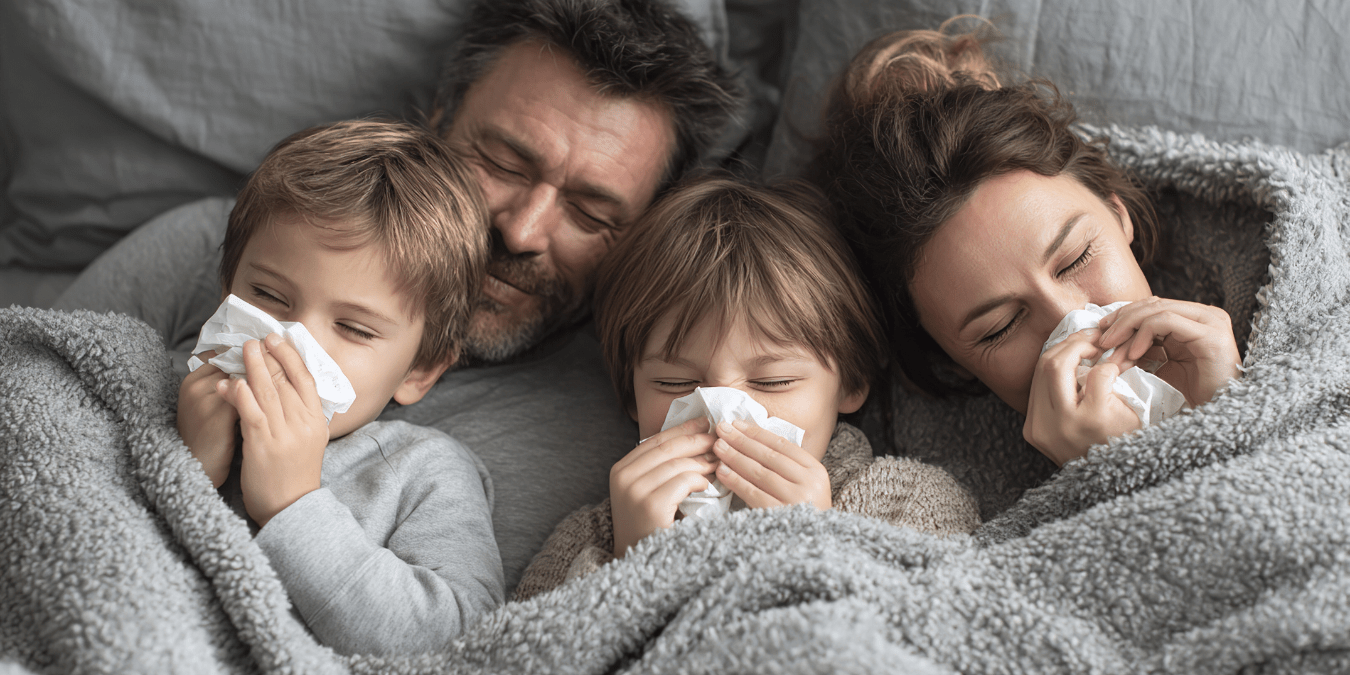
New “Subclade K” superflu variant with 7 hidden mutations is CRASHING US ERs—18M sick, kids dying. Vaccine works… but why are NY/CO exploding? Is the peak HERE? Discover symptoms NO ONE mentions, best hospitals NOW, and prevention secrets experts hide. Will YOU survive this flu nightmare?
A new variant of the influenza virus, dubbed subclade K of the H3N2 strain, continues to fuel a relentless surge in flu cases across the United States and Canada during the 2025-2026 season. From a distinctly American viewpoint, this highly infectious “superflu” is testing healthcare systems, spiking emergency room visits, and disproportionately affecting children, with over 18 million illnesses reported nationwide so far. As of mid-January 2026, while some decline appears, vigilance remains critical amid ongoing high activity in key states.
Current Hotspots: Which US States Have the Highest Flu Activity Now
Which US states have the highest flu activity now? CDC’s latest FluView report for Week 1 (ending January 10, 2026) shows 14 states with “very high” influenza-like illness (ILI) activity, 19 with “high,” and activity declining nationally from a peak of 8.6% outpatient visits but still elevated at 5.3%. Regions 2 (New Jersey, New York, Puerto Rico, U.S. Virgin Islands) topped test positivity at 22.9%, while Region 9 (Arizona, California, Hawaii, Nevada) lagged at 11.5%.
Standouts include Idaho, New Mexico, New York, and Appalachian areas like parts of West Virginia and Kentucky, where very high levels persist despite national dips. New York shattered weekly case records early January, Colorado battles unprecedented pediatric ER surges, and the Northeast (Massachusetts, North Carolina) saw very high activity into late December. Southern states like Louisiana and South Carolina also logged above-average emergency department rates.
Wastewater surveillance via Stanford’s WasteWaterSCAN confirms high flu signals nationwide, up 146% from early December, with hotspots in Colorado, Montana, North Dakota, South Dakota, Utah, and Wyoming exceeding 45% regional positivity in spots. Hospitals in these areas report “bursting at the seams,” with flu hospitalizations at 8.7 per 100,000 weekly—the second-highest early-season rate since 2010-2011.
| State/Region | ILI Level (Week 1, 2026) | Key Metrics |
| New York | Very High | Record weekly cases; Region 2 positivity 22.9% |
| Idaho | Very High | Persistent surge post-peak |
| New Mexico | Very High | High hospitalizations |
| Colorado | High/Very High | Unprecedented kids’ ER visits |
| Northeast (MA, NC) | Very High (late Dec) | >8% doctor visits flu-related |
| Appalachia (WV, KY) | Very High | Ongoing elevated activity |
Cumulatively, 42 states plus D.C. hit high/very high ILI by early January, down from 44, but pediatric deaths climbed to 32, with 15 in the last reported week alone. Lower activity lingers in Montana, South Dakota, Vermont, Wyoming—offering glimmers of relief.
- Why Consistent Meal Timing Matters for Your Health: The Science Behind Eating on Schedule

- Nothing Kills Faster Than Your Own Mind: How to Stop Stressing Over Things You Can’t Control

- What Causes Male Pattern Baldness? Uncover the Science Behind Hair Loss

- Stop Baldness Naturally: Must-Have Products for Hair Density and Shine – Without Any Side Effects?

- Unlocking the Hidden Truth About Cholesterol: What Your Doctor Isn’t Telling You!

- What Your Diet Is Missing: Surprising Kidney Stone Triggers in 2025

Subclade K: What Are the 7 Mutations in H3N2 Subclade K
What are the 7 mutations in H3N2 subclade K? This variant, a genetic offshoot of the longstanding A(H3N2) lineage, arose via antigenic drift from the J.2.4 subclade, accumulating seven pivotal amino acid substitutions in its hemagglutinin (HA) protein. These changes—primarily in HA antigenic sites—enhance transmissibility, partially dodge vaccine-induced antibodies, and boost binding to human cells, driving its dominance at 91.5% of U.S. viruses sequenced.
Experts pinpoint these mutations as:
- T135K: Alters receptor binding site, improving airway attachment.
- V144I: Key in antigenic site A, evading immunity.
- N145S: Nearby change amplifying escape from antibodies.
- F159Y: Shifts globular head structure for better spread.
- K187E: Influences glycosylation, shielding epitopes.
- Q189E: Enhances sialic acid affinity.
- N121H (or variant reports): Stabilizes HA trimer for fitness.
These cluster in HA head domains, reducing reactivity with ferret antisera by up to 10-fold in labs, though human data shows milder evasion. First spotted in Australia (July 2025), subclade K exploded to 89% of global sequences by December, hitting 34+ countries sans South America initially. U.S. surveillance confirms no neuraminidase resistance, preserving antiviral efficacy, but the HA tweaks explain kids’ vulnerability—less prior H3N2 exposure.
Vaccine Performance: How Effective Is This Season’s Flu Vaccine Against Subclade K
How effective is this season’s flu vaccine against subclade K? Despite mismatch—the shot targets clade 2a.2b.1a.1 A/Darwin/9/2021-like, not subclade K’s drifts—real-world data affirms meaningful protection. UK Health Security Agency’s early estimates peg vaccine effectiveness (VE) at 72-75% against emergency/hospital visits in kids/adolescents under 18, and 32-39% in adults—aligning with typical H3N2 seasons (30-60%).
CDC antigenic data: 96.1% H3N2 viruses well-inhibited by vaccine sera, only 3.9% low reactors. U.S. interim VE studies pending, but patterns mirror Europe/Canada: moderate outpatient prevention (40-50% projected), strong severe disease cut (up to 75% kids). Among 32 pediatric deaths, 90% unvaccinated eligibles. Vaccination slashed UK hospitalizations amid subclade K dominance, proving cross-protection via conserved HA stems.
Low uptake exacerbated spread—only 45% adults, 55% kids vaccinated by December. Boosting to 70% could avert 15-25% hospitalizations. High-dose/adjuvanted versions shine for seniors (50%+ VE). No thimerosal-free single-dose prioritized for kids/pregnant under Trump admin guidance, but all formulations urged.
| Group | VE vs. Severe Outcomes (Early 2026 Est.) | Notes |
| Children <18 | 72-75% | Strongest protection observed |
| Adults 18-64 | 32-39% | Within historical H3N2 range |
| Seniors 65+ | 40-50% (high-dose) | Cumulative hospitalization drop |
| Overall | 30-60% typical | Reduces deaths 50%+ |
Symptom Profile: What Are Symptoms of the New Subclade K Flu Variant
Subclade K, a mutated variant of the influenza A(H3N2) virus, presents symptoms that align closely with typical seasonal flu but often strike with greater intensity and duration, particularly in children and vulnerable adults. This strain, driving the 2025-2026 flu surge across the US and Canada, features a rapid onset—usually 1-4 days after exposure—making it feel like “being hit by a truck,” as described by infectious disease experts.
Core Symptoms
Common signs mirror standard H3N2 but escalate in severity for many:
- Sudden high fever, frequently exceeding 101-105°F, with persistent chills and shaking.
- Intense body aches, muscle pain, and joint stiffness that linger for days.
- Extreme fatigue or weakness, often debilitating enough to confine people to bed for 7+ days.
- Dry, persistent cough that can develop into chest congestion.
- Sore throat, runny or stuffy nose, and headaches.
These symptoms differentiate from common colds (gradual onset, milder fever) or COVID-19 (more prominent loss of taste/smell), though testing remains essential amid co-circulating viruses.
Symptoms in High-Risk Groups
Children under 5 experience amplified effects, contributing to the season’s 32 pediatric deaths and elevated ER visits:
- Nausea, vomiting, or diarrhea (more frequent than in adults).
- Febrile seizures from spiking temperatures, croup-like symptoms, or dehydration.
- Trouble sleeping or irritability due to unrelenting discomfort.
Older adults (65+) and those with asthma, diabetes, or heart conditions face higher pneumonia risks, with fatigue and cough persisting weeks post-infection. Non-Hispanic Black populations show disproportionate hospitalization rates (93.3 per 100,000).
Complications and Duration
While not inherently more lethal than prior H3N2 strains per WHO and CDC data, subclade K’s mutations enable faster spread and partial immune evasion, prolonging recovery. Most cases resolve in 1-2 weeks, but 1-2% require hospitalization for secondary bacterial infections or respiratory failure—230,000 US cases so far this season. No evidence supports increased individual severity, but population-level chaos stems from low vaccination rates and early timing.
Defense Blueprint: Prevention Tips for Subclade K Flu in the US
Prevention for subclade K, the dominant H3N2 variant fueling the 2025-2026 US flu season, relies on proven CDC strategies emphasizing vaccination and hygiene, as this strain shows no antiviral resistance and responds well to layered defenses. These tips, tailored for American households amid ongoing high activity in states like New York and Colorado, can cut personal risk by up to 50% and ease community surges.
Top Prevention Priority: Get Vaccinated
Annual flu vaccination remains the cornerstone, offering 32-75% effectiveness against severe subclade K outcomes despite imperfect strain match. The 2025-2026 shot protects via cross-reactive antibodies, slashing pediatric hospitalizations by 72-75% per early data. All ages 6 months+ qualify; high-dose versions boost seniors’ defense to 50%+. Free at CVS, Walgreens, or clinics—aim for 70% uptake to avert 15-25% more hospitalizations.
Everyday Hygiene Habits
Basic actions disrupt transmission, vital as subclade K spreads efficiently in households and schools:
- Wash hands vigorously with soap/water for 20 seconds, especially post-public surfaces or before eating.
- Use alcohol-based sanitizer (60%+ alcohol) when soap unavailable.
- Cover coughs/sneezes with tissue (dispose immediately) or elbow; avoid hands.
These alone reduce spread 20-40%, per CDC models.
Behavioral Barriers
Limit exposure proactively:
- Stay home from work/school if symptomatic—5-7 days from onset or fever-free 24 hours without meds.
- Wear well-fitting masks (KN95/N95) in crowded indoor spaces, travel, or high-risk homes.
- Improve ventilation: Open windows, use exhaust fans, or HEPA air purifiers indoors.
Schools and workplaces: Flex policies, cohort kids during peaks.
Medical Interventions
For high-risk groups (pregnant, seniors, chronic conditions):
- Seek antivirals like oseltamivir (Tamiflu) within 48 hours of symptoms—100% effective against subclade K, cutting complications 50-90%.
- Test early via at-home kits or PCR to confirm flu vs. COVID/RSV.
- Consult doctors for prophylaxis in exposed households.
| Prevention Layer | Key Actions | Expected Impact |
| Vaccine | Annual shot 6mo+ | 32-75% severe risk reduction |
| Hygiene | Handwashing, cover coughs | 20-40% transmission cut |
| Behavior | Isolate, mask, ventilate | 50%+ outbreak limit |
| Medical | Early antivirals, testing | 50-90% complication drop |
Lifestyle Boosters
Support immunity: Prioritize 7-9 hours sleep, nutrient-rich foods (fruits, veggies, proteins), and quit smoking—flu risk doubles for smokers. Hydrate, manage stress; stock OTC fever reducers (ibuprofen/acetaminophen; no aspirin for kids under 18).
Track via CDC FluView or apps for local alerts. In Trump-era focus on personal responsibility, community drives like employer mandates amplify success. These steps tamed prior surges—deploy now to blunt subclade K’s tail.
Expert Insights and North American Ties
Experts across virology, epidemiology, and public health view subclade K as a classic case of influenza antigenic drift—not a “superflu” pandemic threat—but a potent seasonal driver amplified by low immunity and mismatch with this year’s vaccine. From a U.S.-centric lens, its dominance (91.5% of infections) underscores surveillance gaps amid CDC transitions under President Trump, while shared North American patterns highlight cross-border vulnerabilities.
Virologist Perspectives
Danuta Skowronski, MD, from British Columbia Centre for Disease Control, warns against “flying blind” into respiratory seasons, noting subclade K’s late Southern Hemisphere emergence post-vaccine selection led to imperfect matching yet typical vaccine effectiveness (30-40% adults, 70-75% kids). She stresses it’s a “major drift, not shift”—same H3N2 subtype since 1968, evolving to evade prior antibodies via seven HA mutations.
STAT News experts explain subclade K’s global rise (80% infections by January 2026) stems from fitness advantages in human airways, not heightened lethality; U.S. severity remains low early on despite surges. Global Virus Network virologists affirm: evolved branch with transmissibility boosts and partial immune escape, but vaccines still shield against severe disease—no evidence of bypassing infection- or jab-built immunity.
WHO surveillance confirms subclade K’s spread to 34+ countries since August 2025 Australia/New Zealand debut, genetically drifted from J.2.4 with HA changes, yet no unusual severity signals.
Vaccine and Severity Consensus
CIDRAP and UK data align: vaccines reduce medical visits 32-39% adults, 72-75% kids/hospital admissions, within H3N2 norms—stronger for kids due to less prior exposure. H3N2 seasons punch harder overall (more senior severity), but subclade K doesn’t deviate clinically; low population immunity from recent H1N1 dominance explains the boom. Belfer Center: No severity spike vs. other strains; focus outcomes like hospitalizations (low so far).
North American Ties
Subclade K synced US-Canada peaks: U.S. 18M illnesses/230k hospitalizations by Jan 2026; Canada 26% test positivity at height, now declining faster (2,500 hospitalizations Jan). Experts like Fahad Razak cite “enormous human flow” over holidays—porous border makes containment impossible, with southwest-to-northeast gradients (3-5 week US sync vs. 5-13 Canada).
Historical patterns show variable direction: Canada led 3/6 seasons studied. Northeastern U.S./Canada detections rose together; travel amplified amid low vax rates. Gavi: No lab/population bypass of immunity, urging vigilance without panic.
Path Forward
Flu activity from subclade K shows promising early declines as of January 18, 2026, but experts caution against complacency with potential post-holiday rebounds and ongoing very high ILI in 14 U.S. states. CDC’s Week 1 data (ILI 5.3%, test positivity 18.6%, down from peaks) signals the surge’s crest, mirroring Canada’s faster drop, yet 32 pediatric deaths and 230,000 hospitalizations underscore sustained risks into February.
Short-Term Trends
Nationally, outpatient ILI fell from 8.6% to 5.3%, hospitalizations to 8.7/100,000 weekly (second-highest early rate since 2010), and test positivity dipped amid lags. Wastewater up 146% December but stabilizing; hotspots like New York/Colorado persist, but 42 states now below peak. Canada: new cases halved to 8,000+ weekly.
Wastewater surveillance flags lingering signals in Mountain states, but overall trajectories point downward—typical H3N2 pattern post-Christmas.
Long-Term Outlook
Season likely extends to March; no co-surge with RSV/COVID eases strain, but low vax uptake (45% adults) risks waves. Next vaccine (2026-27) will target subclade K clade, improving match. WHO: Global circulation routine, no pandemic flags.
Boost uptake now: 70% could avert 15%+ more cases. Monitor FluView; antivirals remain key for vulnerable. Trump’s personal responsibility push aligns with behavioral prevention amid federal shifts.
| Indicator | Week 1 Status | Projection |
| ILI % | 5.3% (down from 8.6%) | Continued decline |
| Positivity | 18.6% H3N2-dominant | Peak passed |
| Hospitalizations | 50.4/100k cumulative | Stabilizing |
| Pediatric Deaths | 32 total | Vigilance needed |
America navigates subclade K through vaccination, hygiene, and data—resilience will carry through.
Best Hospitals for Flu/Respiratory Care (US & Canada)
No national “flu hospital” ranking exists for 2026, but top performers excel in pulmonology & lung disease (US News 2025-2026 rankings), with high-volume ERs handling surges. Use these nationally/top-ranked in high-activity states (NY, CO, CA, LA). Always call ahead for flu triage/wait times.
US National Leaders (Pulmonology #1-5, Contact via Website)
| Hospital | Location | Why Best for Flu | Contact/Details |
| National Jewish Health | Denver, CO (high activity) | #1 Respiratory US 12 years; expert flu/pneumonia care | (303) 398-1000; nationaljewish.org/find-a-doctor |
| Mayo Clinic Rochester | Rochester, MN | #2 Pulmonology; advanced respiratory ICUs | (507) 284-2511; mayoclinic.org |
| Cleveland Clinic | Cleveland, OH | #3; handles massive flu volumes | (216) 444-2200; my.clevelandclinic.org |
| Johns Hopkins Hospital | Baltimore, MD | #4; top infectious disease/flu research | (410) 955-5000; hopkinsmedicine.org |
| UCSF Medical Center | San Francisco, CA (surging) | #5; West Coast respiratory excellence | (415) 476-1000; ucsfhealth.org |
High-Activity State Highlights
- New York (Very High): NewYork-Presbyterian Hospital (top-ranked; nyp.org; 212-342-4444); Nurse line: 877-NYP-WELL.
- Colorado: National Jewish above + UCHealth University of Colorado Hospital (Denver; 720-848-0000; uchealth.org).
- California: Cedars-Sinai Medical Center (LA surge; 310-423-3277; cedars-sinai.org).
- Louisiana (High): Ochsner Medical Center (New Orleans; 504-842-3000; ochsner.org).
Canada (Provincial Leaders)
| Hospital/Health Authority | Province | Contact/Details |
| Health Sciences North | Ontario (Sudbury; outbreaks) | 705-523-7100; hsnsudbury.ca |
| Sault Area Hospital | Ontario | 705-759-3434; saultareahospital.com |
| Toronto General Hospital | Ontario | 416-340-3111; uhn.ca |
| Vancouver General Hospital | BC | 604-875-4111; vch.ca |
Immediate Support Lines (24/7)
- US: Nurse advice via local systems (e.g., NYP: 877-697-9355); HHS locator: healthcare.gov/find-healthcare.
- Canada: 811 (all provinces for flu triage); Ontario Health: 811.
Action: Search “[your city] hospital ER flu” on Google Maps for nearest + phone. High-rated (4.5+ stars, 1000+ reviews) handle surges best. Call first—many offer drive-thru testing/antivirals.

Omisha is a health writer passionate about turning complex medical research into clear, actionable content readers can trust. She covers everything from nutrition and mental wellness to chronic disease management, always grounding her work in credible science and real-world relevance. When she's not writing, she's usually reading up on the latest health studies or exploring new wellness trends to write about next.