There’s a quiet revolution happening at makeup counters and skincare shelves across America, and it doesn’t involve a single contour stick. The beauty world has collectively exhaled from years of heavy sculpting, baking, and strobing — and in its place, a new obsession has taken root: expensive skin. Not a product. Not a filter effect. An actual, achievable skin quality that makes you look like you spend a lot of money on yourself, even if you don’t.
If you’ve been scrolling through beauty content lately and noticed that the most-shared faces look dewy, plump, and effortlessly luminous — no harsh lines, no obvious blush placement, no visible contouring — you’re already seeing this trend in action. And according to top US estheticians, dermatologists, and makeup artists, this isn’t just a passing aesthetic moment. It’s a fundamental shift in how Americans are thinking about beauty, skincare, and what “looking good” actually means.
This guide breaks down everything you need to know: what expensive skin really is, why it’s replacing contouring, and the exact steps and products beauty professionals say you need in your routine right now.
What “Expensive Skin” Actually Means
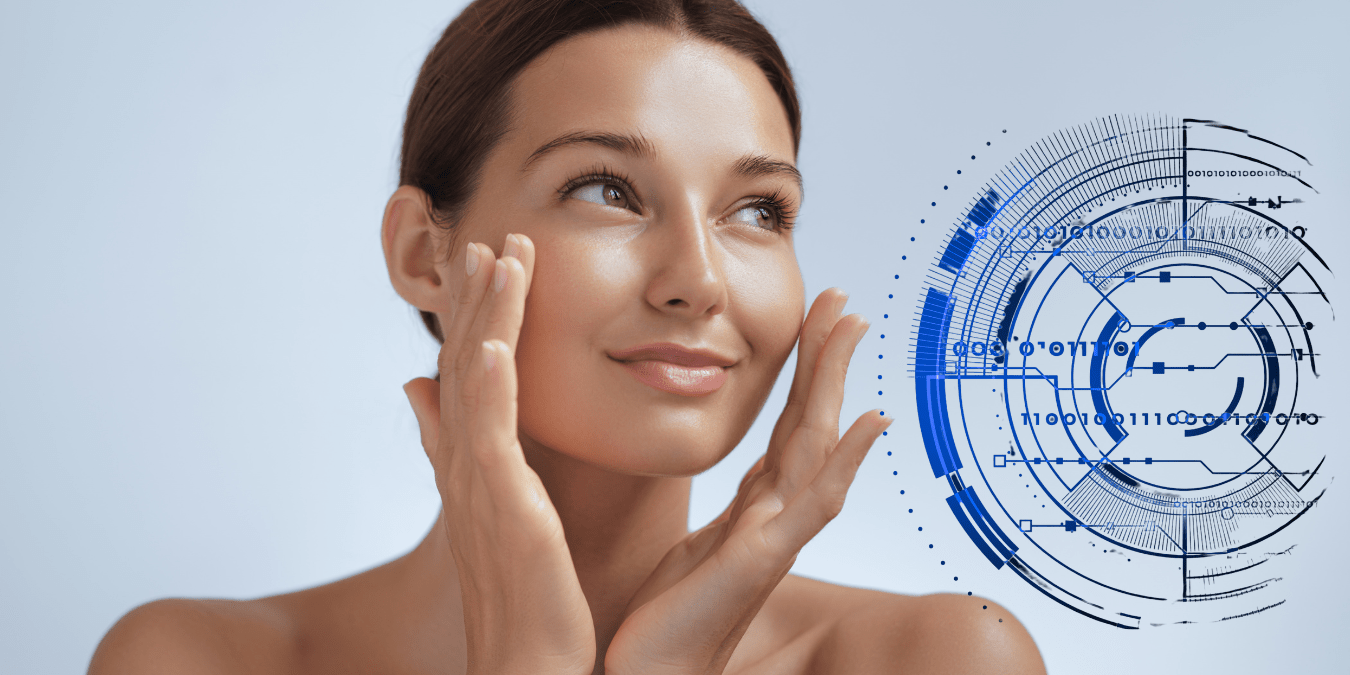
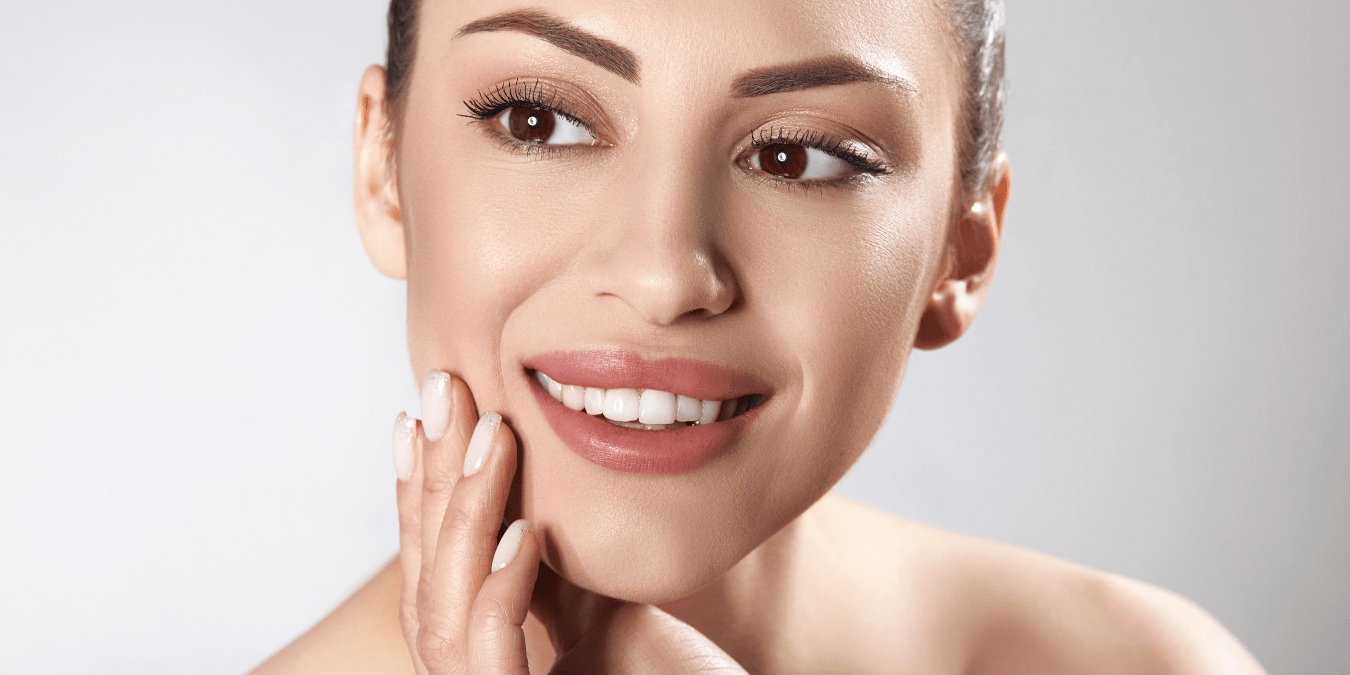
The term “expensive skin” doesn’t refer to spending thousands of dollars on luxury serums (though that’s one route). It refers to a specific visual quality — skin that appears hydrated, smooth, and naturally lit from within. It’s the kind of complexion that looks like it’s been cared for deeply and consistently over time.
New York-based celebrity makeup artist and licensed esthetician Mia Farrow-Ellis (not the actress) describes it this way: “Expensive skin has this almost glass-like quality where light bounces off it rather than getting absorbed. It looks healthy, fed, and rested. There’s a translucency to it — you can almost see the layers beneath.”
The key characteristics beauty pros identify include:
- A natural, semi-dewy finish that isn’t greasy or oily
- Plumpness in the cheeks and under the eyes — a sign of good hydration and collagen density
- Even skin tone without heavy coverage — slight variations are fine and even desirable
- Minimal visible pores, not from blur products, but from genuine skin texture refinement
- A natural glow that reads as internal, not topical
What it is NOT is shiny, filtered-looking, or achieved purely through makeup. That distinction is critical. The expensive skin trend is fundamentally a skin-first philosophy, and that’s exactly why it’s displacing contouring.
Why Contouring Is Stepping Back
Contouring had its moment — a long, dominant one. From Kim Kardashian’s iconic tutorials to the YouTube beauty explosion of the early 2010s, heavy sculpting became the standard for “done” makeup. But several converging forces have shifted the cultural tide.
1. Skin health went mainstream. The pandemic forced millions of Americans to go bare-faced for extended periods, and many discovered — sometimes for the first time — that they actually liked their natural skin. Skincare exploded as a category, and people began investing in their actual complexion rather than covering it up.
2. The “clean girl” and “quiet luxury” aesthetics took hold. From TikTok to Pinterest to red carpets, the visual language of desirability shifted toward restraint. The woman who looks expensive now wears less, not more. Her skin does the work.
3. Gen Z rejected the Instagram face. Younger American consumers actively pushed back against the hyper-contoured, filter-heavy look that dominated the late 2010s. Authenticity became aspirational. Real skin — with texture, slight redness, visible pores — became beautiful.
4. Dermatology and skincare science became accessible. With the rise of platforms like Reddit’s r/SkincareAddiction and the democratization of dermatology content on social media, average Americans became genuinely educated about ingredients, skin barriers, and long-term skin health.
Los Angeles-based board-certified dermatologist Dr. Priya Nambiar puts it plainly: “My patients used to ask how to cover their skin. Now they ask how to improve it. That mental shift is enormous, and it’s why the expensive skin look has become so culturally dominant.”
The Foundation of Expensive Skin: What Pros Say Comes First
Before a single product touches your face, US beauty professionals agree that expensive skin starts with understanding your skin barrier. The barrier — the outermost layer of your skin — controls moisture retention, protects against environmental damage, and largely determines whether your skin looks dull, tight, or luminous.
“Most Americans are unknowingly damaging their skin barriers with over-exfoliation, harsh cleansers, and inconsistent hydration,” says Jasmine Cole, a licensed esthetician and founder of a skincare studio in Austin, Texas. “When the barrier is compromised, no product in the world will give you expensive skin. You’ll just look irritated and dry.”
The non-negotiable foundation steps pros recommend:
- A gentle, pH-balanced cleanser — Nothing stripping. Look for sulfate-free formulas. CeraVe Hydrating Cleanser and La Roche-Posay Toleriane are consistently recommended by dermatologists for their barrier-supporting formulas.
- A quality moisturizer with ceramides and hyaluronic acid — These two ingredients work synergistically. Hyaluronic acid pulls moisture into the skin; ceramides lock it in. This combination is the backbone of expensive skin.
- Daily SPF, without exception — Sun damage is the number one cause of premature skin aging in the US. Every dermatologist interviewed for this piece named SPF as the single most important product for achieving long-term skin quality. EltaMD UV Clear and Supergoop! Unseen Sunscreen are current favorites among US pros.
These aren’t glamorous steps. They won’t go viral. But they are the unglamorous infrastructure that makes everything else work.
The Core Routine US Beauty Pros Are Recommending Right Now
Once the barrier is in good shape, building expensive skin becomes about layering strategically and choosing products that add genuine quality rather than just coverage.
Morning Routine
Step 1: Gentle Cleanse or Water Rinse
Many pros now recommend skipping morning cleanser entirely unless you have oily or acne-prone skin. Over-cleansing strips the natural oils your skin replenishes overnight.
Step 2: Vitamin C Serum
This is the single most consistently recommended active ingredient for expensive skin among US dermatologists. Vitamin C brightens uneven tone, stimulates collagen synthesis, and protects against environmental oxidative stress. “A good L-ascorbic acid serum applied consistently over three to six months genuinely transforms skin quality,” says Dr. Nambiar. “You start to see a luminosity that’s hard to replicate with makeup.” SkinCeuticals C E Ferulic remains the gold standard, though Timeless 20% Vitamin C is widely recommended as a more accessible alternative.
Step 3: Hyaluronic Acid Serum (applied to damp skin)
The key technique here — apply to slightly damp skin, then immediately layer your moisturizer on top. This traps the water the HA has drawn to the surface and creates that plump, bouncy look that reads as “expensive.”
Step 4: Moisturizer
Rich enough to create a protective seal, but not so heavy it pills under makeup. For daytime, many pros recommend a lighter formula like Neutrogena Hydro Boost or First Aid Beauty Ultra Repair Cream.
Step 5: SPF
Always the last skincare step before makeup. Allow it to fully absorb before continuing.
Step 6: Minimal, skin-enhancing makeup
This is where the expensive skin approach diverges most sharply from contouring. Instead of foundation and a contour palette, pros are recommending:
- A skin tint or tinted moisturizer with light, buildable coverage (Armani Luminous Silk Foundation in a lighter layer, NARS Tinted Moisturizer, or Charlotte Tilbury Flawless Filter)
- A cream blush applied to the cheeks and lightly blended upward — this is one of the most important moves in the expensive skin look, creating a healthy flush rather than sculpted definition
- A single illuminating product placed strategically on the high points — inner corner of the eye, tops of the cheekbones, cupid’s bow — not all over
- Mascara, brow grooming, and a glossy lip complete the look without adding heaviness
“The goal is that someone looks at you and thinks ‘wow, her skin looks incredible,’ not ‘wow, great contouring,'” says makeup artist Mia Farrow-Ellis. “The makeup should be invisible as technique. It should just look like you have extraordinary skin.”
Evening Routine
The evening routine is where you actually build the expensive skin over time.
Step 1: Double Cleanse
If you wore SPF or makeup, oil cleanse first to fully dissolve product residue, then follow with your gentle cleanser. This is a practice widely adopted from Korean skincare that US pros now universally endorse.
Step 2: Exfoliation (2-3x per week, not nightly)
Chemical exfoliants — AHAs like glycolic or lactic acid, or BHAs like salicylic acid — refine texture, fade hyperpigmentation, and keep pores clear. The emphasis on not over-exfoliating is consistent. Paula’s Choice 2% BHA Liquid Exfoliant and The Ordinary Glycolic Acid 7% Toning Solution are among the most recommended accessible options.
Step 3: Treatment Serums
This is where you target your specific concerns. Niacinamide for pore size and oil control. Peptides for collagen support and firmness. Retinol or retinoids for accelerated cell turnover and long-term anti-aging. Many US dermatologists are now prescribing tretinoin — a prescription-strength retinoid — as one of the most evidence-backed tools for genuine skin transformation.
Step 4: Rich Night Moisturizer or Facial Oil
Nighttime is when skin repairs itself, and a richer moisturizer or facial oil supports that process. Tatcha Water Cream, Laneige Water Sleeping Mask, and rosehip oil are all consistently mentioned by US estheticians.
Step 5: Eye Cream
The undereye area is often the first place skin starts to show fatigue, and consistently using a quality eye cream with peptides or caffeine helps maintain that well-rested, plump look central to the expensive skin aesthetic.
The In-Office Treatments That Are Actually Worth It
For Americans who want to accelerate their expensive skin results, US dermatologists and medical estheticians point to several professional treatments that deliver genuine, visible improvements — not just temporary glow.
Hydrafacial remains one of the most popular treatments in the US for good reason. The three-step treatment cleanses, extracts, and infuses the skin with hydrating serums in a single session. Results — particularly the immediate glow and hydration — are consistent and visible. Many clients report that their skin looks “expensive” for weeks after.
Microneedling stimulates the skin’s natural collagen production by creating controlled micro-injuries. Over a series of treatments, it can visibly reduce pore size, improve skin texture, and increase firmness — all core components of expensive skin. “This is probably the most transformative in-office treatment for skin quality that I offer,” says Dr. Nambiar. “Patients who do a series of three to four sessions see changes that skincare alone can’t replicate.”
LED Light Therapy — particularly red and near-infrared wavelengths — has accumulated significant clinical evidence for its ability to stimulate collagen and reduce inflammation. At-home devices like the Omnilux Contour Face have brought this treatment into reach for average American consumers, and many US estheticians now recommend them as a legitimate complement to a quality routine.
Chemical Peels ranging from light glycolic peels to medium-depth TCA peels refine texture, fade pigmentation, and reveal fresher skin over a recovery period. The depth and frequency depend on skin type and concern, and should always be performed or supervised by a licensed professional.
The Ingredient Investments Worth Making
US beauty professionals consistently recommend prioritizing quality in a few specific product categories rather than building an overwhelming 12-step routine.
The ingredients with the strongest evidence base and the most professional endorsement for achieving expensive skin:
- Retinoids (retinol OTC, tretinoin by prescription) — the most studied anti-aging category in dermatology, period
- Vitamin C (L-ascorbic acid) — brightening, antioxidant, collagen-stimulating
- Niacinamide — reduces pore appearance, strengthens barrier, controls sebum
- Peptides — signal skin to produce more collagen; increasingly prominent in premium serums
- Ceramides — essential for barrier repair and moisture retention
- SPF 30+ — the single most preventive investment for long-term skin quality
What you don’t need: an endless rotation of trendy actives, seven different serums, or the latest viral ingredient of the week. “The people with the most beautiful skin I see are usually doing a consistent, simple routine with proven ingredients,” says Jasmine Cole. “It’s the consistency over time that creates expensive skin, not the complexity.”
What This Means for Your Makeup Bag
Embracing the expensive skin philosophy doesn’t mean throwing out your makeup — it means restructuring your relationship with it. Makeup becomes enhancement rather than transformation. Coverage becomes strategic rather than total.
The items US beauty pros say are thriving in this new landscape:
- Cream products across the board — blush, bronzer, highlight — because they melt into skin and look like part of it rather than sitting on top
- Skin tints and serum foundations that let natural texture show while evening tone
- Glossy lip products as a finishing touch that reads as hydrated and healthy
- Brow products that groom without drawing harsh lines — fluffy, brushed-up brows signal the same “effortless care” message as expensive skin itself
What’s declining in US professional makeup kits: heavy powder setting sprays as a primary finishing technique, intense contour palettes used as the focal point of a look, and full-coverage matte foundations worn daily.
“My kit looks completely different than it did five years ago,” says Farrow-Ellis. “It’s so much more about skin prep and skin-like products now. The focus has shifted to making skin look alive.”
The Long Game: Why Expensive Skin Is Here to Stay
Beauty trends come and go, but the expensive skin movement has structural staying power because it’s rooted in genuine health rather than pure aesthetics. The Americans who invest in their skin through consistent routine, professional guidance, and patience aren’t chasing a look — they’re building an asset.
There’s also a generational dimension here. As Millennials move deeper into their 30s and 40s, the conversation has shifted naturally from coverage to preservation. And as Gen Z defines its beauty identity in deliberate contrast to the hyper-constructed Instagram face, the appetite for authentic, healthy skin as the ultimate beauty status symbol will only grow.
The dermatology community has welcomed this shift enthusiastically. When beauty culture and skin health align — when looking good means being healthy, not covering up — the professionals who have spent careers educating patients about barrier care, sun protection, and smart ingredient use find themselves suddenly, powerfully in step with mainstream beauty culture.
Expensive skin isn’t about having perfect genetics. It isn’t reserved for people who can afford La Mer or monthly facials. It’s the accumulated result of caring for your skin intelligently, consistently, and patiently. And that, as any good US dermatologist will tell you, is accessible to almost anyone willing to commit to the process.
The contour stick had a great run. But the era of the serum — and the skin it builds — is just getting started.
This article reflects insights from licensed estheticians, board-certified dermatologists, and professional makeup artists practicing in the United States. Individual skin concerns vary; consult a licensed dermatologist or skincare professional for personalized recommendations.

Omisha is a health writer passionate about turning complex medical research into clear, actionable content readers can trust. She covers everything from nutrition and mental wellness to chronic disease management, always grounding her work in credible science and real-world relevance. When she's not writing, she's usually reading up on the latest health studies or exploring new wellness trends to write about next.