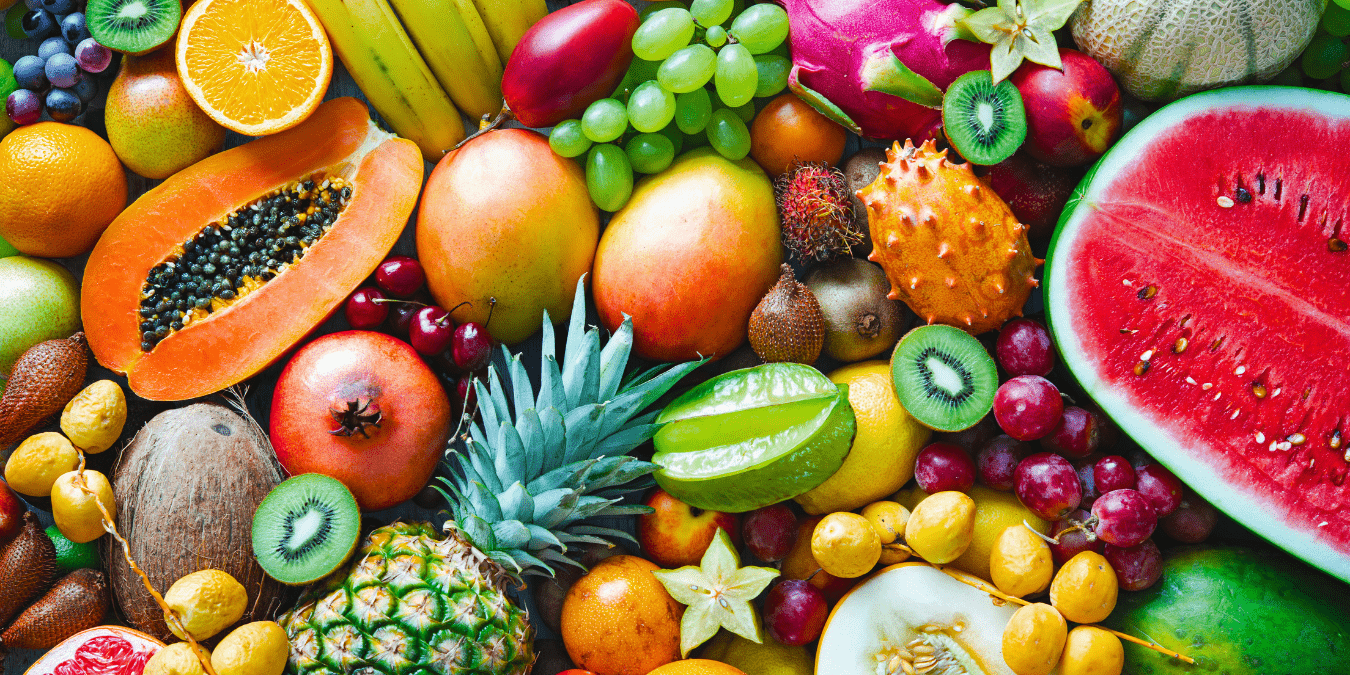
That daily apple may not be keeping the doctor away. In fact, it could be the worst thing for your specific health goals. A top doctor reveals the shocking truth about “random” fruit consumption. Learn to use fruits like a pharmacy for sleep, focus, and fat loss before you eat another bite.
You’ve been told since childhood that an apple a day keeps the doctor away. But what if that apple is actually stalling your progress? In 2025, with personalized nutrition dominating the wellness landscape, leading gastroenterologists have uncovered a startling truth: most Americans are eating fruit entirely wrong. It’s not about the quantity of fruit you consume, but the strategic selection tailored to your body’s immediate biological demands. Eating the wrong fruit at the wrong time isn’t just a missed opportunity—it can be the hidden cause of your bloating, afternoon energy crashes, and stubborn skin issues. Before you reach for that generic fruit cup, you need to understand the new rules of “Prescriptive Fruit Consumption” that are quietly revolutionizing gut health clinics from New Delhi to New York.
The “Ozempic Era” Gut: Why Papaya and Kiwi Are the New Superfoods
In 2025, the conversation around gut health in the United States has shifted dramatically, largely driven by the widespread use of GLP-1 agonists for weight management. A major, often unspoken side effect of these metabolic treatments is “digestive sluggishness” or severe constipation. This is where Dr. Shubham Vatsya’s insight becomes critical for the modern American patient. He explicitly advises against random consumption, highlighting Papaya and Kiwi as non-negotiable tools for anyone battling motility issues.
Unlike fiber supplements that can cause bloating, these fruits contain unique enzymes—papain in papaya and actinidain in kiwi—that naturally break down proteins and stimulate peristalsis without irritation. For the millions of Americans navigating the “slow gut” side effects of modern weight therapies, swapping a morning banana for a kiwi isn’t just a dietary preference; it’s a functional necessity to maintain comfort and compliance with their health protocols. This aligns with 2025 trends where food is viewed not just as fuel, but as a biological lever to counteract medication side effects.
- Louisiana Vibrio Vulnificus Outbreak 2026 Explained: Who Faces the Greatest Risk in Gulf Coast Waters and How to Stay Safe

- 3 Midlife Habits Linked to Almost 13 More Dementia-Free Years, According to a 26-Year Study of 12,409 Adults

- Your Blood Pressure Reading Has a “Hidden Number” Doctors Say Most People Ignore

- AI Is Now Diagnosing Your Skin Before You Even Visit a Dermatologist — Here’s How the Beauty Industry Is Changing Everything in 2026

- The Side-Part Is Making the Most Unexpected Comeback in American Beauty History — And This Time, It’s Not Going Anywhere

The Energy Crisis: Bananas as the Ultimate Bio-Hack
Fatigue remains the primary complaint for the American workforce, exacerbated by digital burnout and “always-on” culture. While caffeine is the default fix, it often leads to a crash that disrupts sleep architecture. Dr. Vatsya identifies the humble Banana as the superior alternative for “clean” energy. But here is the “hidden” detail most people miss: the ripeness matters immensely.
For the 2025 bio-hacker, the Green Banana is the real secret weapon. Rich in resistant starch, green bananas function as a prebiotic, feeding good gut bacteria and blunting insulin spikes, making them perfect for those managing pre-diabetes—a condition affecting over 1 in 3 Americans. Conversely, the yellow, spotted banana provides the rapid glucose spike needed for immediate athletic recovery or mental fatigue. Understanding this “ripeness spectrum” allows you to use a single fruit for two completely different physiological goals: one for gut repair and blood sugar control (green), and one for instant performance (yellow). This nuance turns a 30-cent fruit into a tailored metabolic tool.
The “Glass Skin” Diet: Berries and The Guava Secret
The U.S. skincare market is obsessed with “glass skin” and barrier repair, but topical treatments can only do so much if internal oxidative stress is high. For acne-prone and aging skin, the prescription is specific: Berries and Papaya. These are packed with antioxidants that directly combat the systemic inflammation caused by pollution and processed foods. However, the real shocker for the American audience is Guava.
Often overlooked in the aisle for imported exotics, Guava is being hailed as the “Vitamin C King,” containing nearly four times the Vitamin C of oranges. In 2025, where immunity and collagen production are top priorities, Guava offers a more potent, lower-sugar alternative to the traditional morning orange juice. Dr. Vatsya notes that if Guava received the marketing budget of avocados, we would see a drastic reduction in Vitamin C deficiencies and better metabolic health, including improved insulin sensitivity. For the budget-conscious American consumer facing high grocery inflation, switching to high-impact fruits like Guava and Amla (Indian Gooseberry) offers a higher nutritional ROI than expensive “superfood” powders.
The Metabolic Shield: Watermelon and Oranges for Hypertension
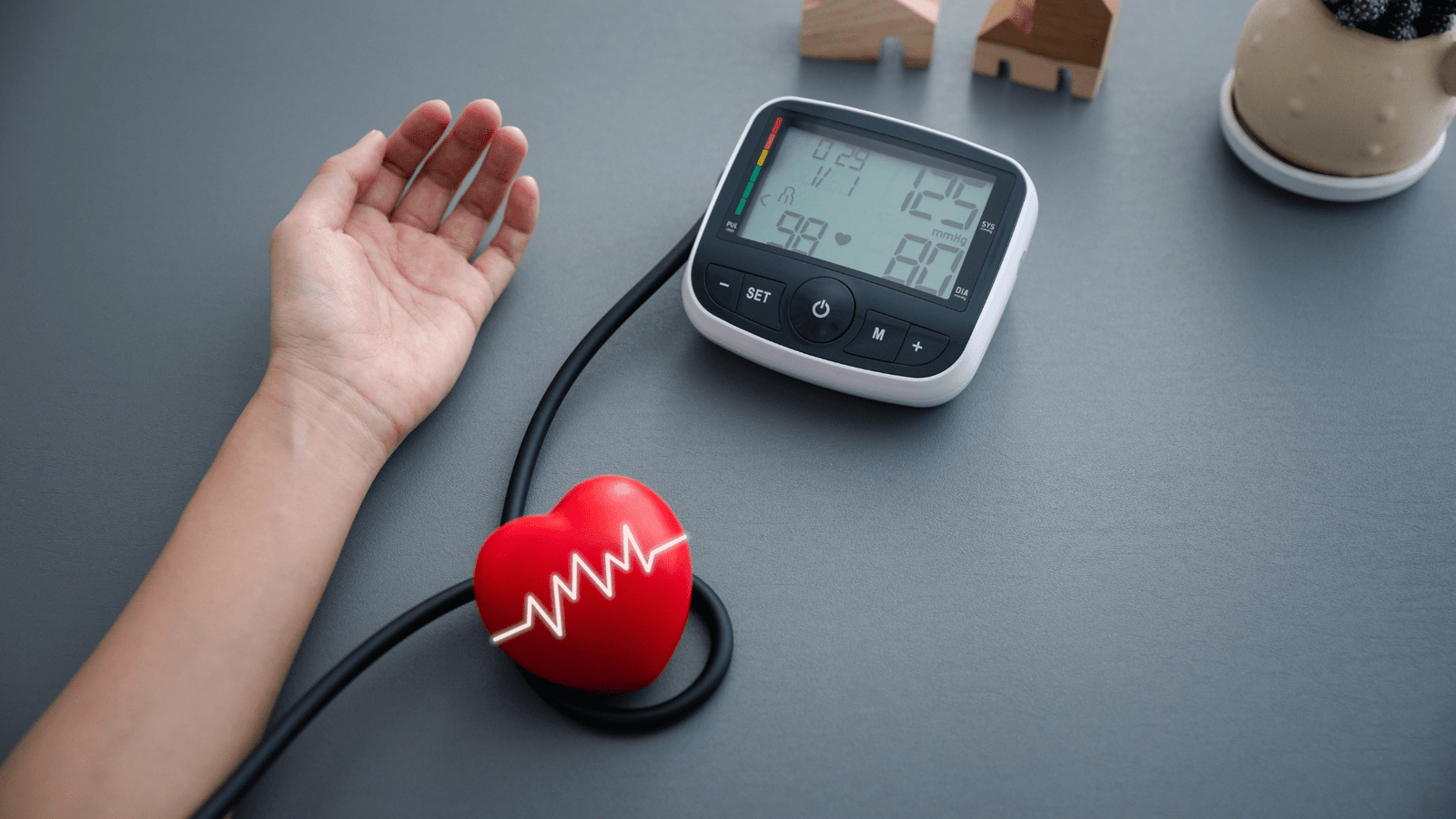
With hypertension affecting nearly half of U.S. adults, dietary interventions are crucial. The advice here is seasonally rhythmic: Watermelon in the summer and Oranges in the winter. This isn’t just folklore; it’s chrononutrition. Watermelon is rich in citrulline, an amino acid that helps relax blood vessels and manage blood pressure during heat-induced stress. Conversely, the potassium and bioflavonoids in oranges support cardiovascular stiffness during colder months.
This seasonal cycling aligns with the body’s changing needs, preventing the “random” consumption of imported, off-season fruits that may have lower nutrient density due to long transport times. By syncing your fruit intake with the seasons, you aren’t just eating fresh; you are actively managing your cardiovascular risk factors with food. It’s a return to intuitive eating backed by hard cardiovascular science.
How to Choose Fruits Based on Specific Health Goals
In 2025, the era of the “generic fruit bowl” is officially over. Leading gastroenterologists and nutritionists are now advocating for a “functional” approach where fruits are selected not by habit, but by their specific physiological impact—essentially treating the produce aisle like a pharmacy.
Here is the 2025 guide to auditing your biological needs and choosing the exact fruit prescription to match.
1. The Goal: Deep, Restorative Sleep
The Prescription: Tart Cherries or Kiwi
The Protocol: Consume 1 hour before bed.
If you struggle with insomnia or poor sleep quality, your fruit choice should act as a natural sedative.
- Tart Cherries: These are one of the few natural sources of melatonin, the hormone that regulates your sleep-wake cycle. In 2025, tart cherry juice has become a staple “nightcap” for biohackers because it also contains anthocyanins that reduce sleep-stealing inflammation.
- Kiwi: A study highlighted in recent sleep protocols suggests that eating two kiwis one hour before bed can significantly improve sleep onset and duration. They are rich in serotonin, a precursor to melatonin, which helps “power down” the brain.
2. The Goal: Rapid Muscle Recovery
The Prescription: Watermelon or Pineapple
The Protocol: Eat immediately post-workout.
After a gym session, your body needs to flush out lactic acid and reduce inflammation.
- Watermelon: This is nature’s vasodilator. It is rich in L-citrulline, an amino acid that relaxes blood vessels and improves blood flow to sore muscles, speeding up nutrient delivery and waste removal. It also rehydrates you faster than water alone.
- Pineapple: It contains bromelain, a potent enzyme that digests protein and dramatically reduces tissue inflammation and swelling. It’s essentially an edible ice pack for micro-tears in your muscles.
3. The Goal: “Glass Skin” & Hydration
The Prescription: Guava or Avocado
The Protocol: Eat in the morning to protect against daily pollutants.
Skincare isn’t just topical; it’s systemic. You want fruits that reinforce the skin barrier and fight oxidation.
- Guava: Often overlooked, Guava is the 2025 “Vitamin C King,” containing 4x the amount found in oranges. Vitamin C is the necessary cofactor for collagen production, making Guava a powerful tool for skin elasticity and brightness.
- Avocado: While technically a fruit, its healthy monounsaturated fats are critical for maintaining the skin’s lipid barrier, locking in moisture from the inside out. It also provides Vitamin E, which protects skin cells from UV damage.
4. The Goal: Laser Focus & Brain Health
The Prescription: Blueberries or Oranges
The Protocol: Eat as a mid-morning snack (around 11 AM) to beat the slump.
When mental fog hits, you need increased blood flow to the brain and protection from oxidative stress.
- Blueberries: The “Brain Berry.” High levels of flavonoids, specifically anthocyanins, have been shown to cross the blood-brain barrier and improve cell-to-cell communication. 2025 research reinforces their role in boosting executive function and memory under stress.
- Oranges: Beyond immunity, the Vitamin C in oranges prevents the decline of cognitive function. They provide a steady glucose supply for the brain without the crash of a caffeine hit.
5. The Goal: Weight Management & Blood Sugar Control
The Prescription: Green Bananas or Grapefruit
The Protocol: Eat before a meal to curb appetite.
If your goal is to stay lean or manage insulin, you need fruits that blunt hunger rather than spike sugar.
- Green Bananas: As mentioned by Dr. Vatsya, unripe bananas are packed with resistant starch. This acts like a fiber, bypassing digestion to feed healthy gut bacteria and keeping you full for hours while stabilizing blood sugar levels.
- Grapefruit: A classic that remains scientifically solid. It has a low Glycemic Index (25) and high water content, which promotes satiety. Compounds in grapefruit can also lower insulin levels, making your body more efficient at processing food.
Summary Checklist: “Audition Your Fruit”
Before you eat, ask: “What job am I hiring this fruit to do?”
| Your Need | Hire This Fruit | Key Active Agent |
| Can’t Sleep | Tart Cherry / Kiwi | Melatonin / Serotonin |
| Sore Muscles | Watermelon / Pineapple | L-Citrulline / Bromelain |
| Dull Skin | Guava / Avocado | Vitamin C / Healthy Fats |
| Brain Fog | Blueberries | Anthocyanins |
| Hunger/Dieting | Green Banana / Grapefruit | Resistant Starch / Low GI |
| Constipation | Papaya / Ripe Pear | Papain / Pectin |
Final Thought: The Future of Fruit is Intentional
The days of the mindless fruit salad are over. The actionable takeaway for 2025 is simple: Audition your fruit. Before you eat, ask what job you are hiring that fruit to do.
- Need to poop? Hire the Papaya or Kiwi.
- Need to focus? Hire the Yellow Banana.
- Need to glow? Hire the Berries or Guava.
- Need to stabilize blood sugar? Hire the Green Banana.
By shifting from “eating healthy” to “eating intentionally,” you unlock the hidden pharmacology of nature. The most exciting development on the horizon? “Precision produce”—fruits bred not just for sweetness, but for specific medical outcomes. Until then, your grocery list is your prescription. Don’t waste it.

Omisha is a health writer passionate about turning complex medical research into clear, actionable content readers can trust. She covers everything from nutrition and mental wellness to chronic disease management, always grounding her work in credible science and real-world relevance. When she's not writing, she's usually reading up on the latest health studies or exploring new wellness trends to write about next.