Can you stand up from the floor without hands? This simple “parlor trick” is actually a powerful predictor of cardiac longevity. Discover the 7 hidden home tests that reveal the true age of your heart—and why your “recovery rate” matters more than your mile time in 2025.
You might be able to run a 5K or hold a plank for two minutes, but can you stand up from the floor without using your hands? In late 2025, a shift is occurring in American cardiology. While we’ve been obsessed with “cosmetic fitness”—how we look in a mirror—we’ve largely ignored “cardiac resilience.” A new wave of preventative medicine suggests that your lipid panel tells only half the story. The other half is written in small, subtle physical capabilities you probably ignore every day. If you can breezily check off these seven specific boxes, your heart isn’t just surviving; it’s thriving. But failing just one—specifically #6—could be a silent alarm bell ringing years before a clinical diagnosis.
- Louisiana Vibrio Vulnificus Outbreak 2026 Explained: Who Faces the Greatest Risk in Gulf Coast Waters and How to Stay Safe

- 3 Midlife Habits Linked to Almost 13 More Dementia-Free Years, According to a 26-Year Study of 12,409 Adults

- Your Blood Pressure Reading Has a “Hidden Number” Doctors Say Most People Ignore
- AI Is Now Diagnosing Your Skin Before You Even Visit a Dermatologist — Here’s How the Beauty Industry Is Changing Everything in 2026

- The Side-Part Is Making the Most Unexpected Comeback in American Beauty History — And This Time, It’s Not Going Anywhere

1. The “Engine Idle” Test: Why 60-80 is the Golden Window
We obsess over high-intensity interval training, but your heart’s true efficiency is proven when you are doing absolutely nothing.
- The Check: Sit quietly for 5 minutes. Check your pulse.
- The 2025 Insight: A resting heart rate (RHR) between 60 and 80 beats per minute is the standard, but the real flex in 2025 is Heart Rate Variability (HRV). If your RHR is consistently creeping above 80 despite being sedentary, your autonomic nervous system might be stuck in “fight or flight,” silently eroding your arterial walls.
- Surprising Fact: Elite athletes often clock in under 50, but for the average American, a sudden, unexplained rise in RHR over a month is often the first “whisper” of an infection or cardiac stress, appearing days before other symptoms.
2. The “Staircase Stress” Audit
It’s the simplest stress test in existence, yet we avoid it for the elevator.
- The Check: Climb one flight of stairs at a normal pace.
- The 2025 Insight: You shouldn’t just “make it” to the top; you should arrive without gasping. The “1-Minute Stair Test” (climbing 4 flights in under a minute) has become a validated proxy for mortality risk in 2025 clinical guidelines.
- The Hidden Signal: If you feel a specific type of “heaviness” in your chest—not pain, just pressure—or if your recovery takes longer than a minute, this is a direct metric of your VO2 Max, the single strongest predictor of future lifespan. Gasping after one flight isn’t “being out of shape”; it’s a supply-chain failure of oxygen to your heart.
3. The “Recovery Rate” (The Number You Ignore)
Most wearables track your peak heart rate, but 2025 research confirms that how fast you slow down matters more than how fast you speed up.
- The Check: Exercise for 10 minutes to get your heart rate up, then stop. Measure your pulse immediately, then again one minute later.
- The 2025 Insight: A healthy heart acts like high-performance brakes. Your heart rate should drop by at least 20 beats in that first minute. If it stays elevated, your “vagal tone” (the brake pedal of your nervous system) is weak, a known precursor to sudden cardiac events.
- Actionable Takeaway: If you fail this, prioritize breathwork and cooling down post-workout. You can literally train your heart to relax faster.
4. The “Waist-to-Height” Ratio (The BMI Killer)
Throw away your BMI calculator. It’s obsolete. In 2025, the “Shape Index” is the only metric that counts for cardiac risk.
- The Check: Measure your waist (at the belly button) and divide it by your height in inches.
- The 2025 Insight: Your waist should be less than half your height (a ratio of 0.5 or lower). New research published in The Lancet Regional Health confirms that visceral fat—the hard fat stored deep inside your abdomen—is metabolically active tissue that pumps inflammatory cytokines directly into your liver and heart.
- Shocking Detail: A “skinny” person with a small potbelly (ratio > 0.5) often has higher heart disease risk than an obese person with evenly distributed weight.
5. The “Sitting-Rising” Predictor
This is the one that surprises everyone. It looks like a parlor trick, but it’s a longevity crystal ball.
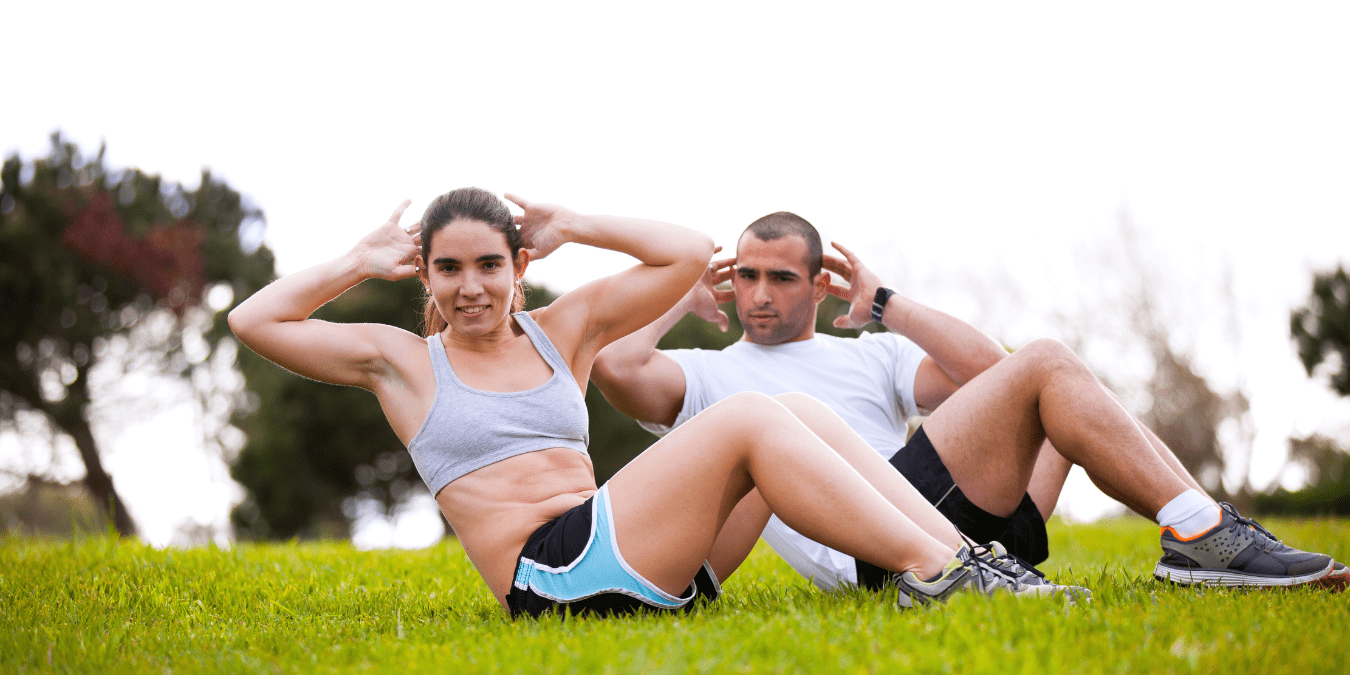
- The Check: Sit on the floor cross-legged and stand up without using your hands, knees, or arms for support.
- The 2025 Insight: This test measures musculoskeletal fitness, which correlates shockingly well with arterial health. A 2025 study reinforced that those who need to use both hands to get up have a significantly higher risk of all-cause mortality over the next 6 years.
- The “Why”: It tests balance, coordination, and core strength simultaneously. A heart that supports a body capable of this movement is generally a heart with robust vascular support.
6. The “Toe Touch” Flexibility Link
- The Check: Sit with legs straight and reach for your toes.
- The 2025 Insight: If you can’t touch your toes, your arteries might be as stiff as your hamstrings.
- The Connection: While not a perfect causal link, physiological stiffness often runs system-wide. Arterial stiffness (hardening of the arteries) increases blood pressure and workload on the heart. Maintaining flexibility through yoga or stretching has been shown to improve arterial elasticity.
7. The “Deep Sleep” Audit
- The Check: Do you wake up refreshed without an alarm?
- The 2025 Insight: Sleep is when your heart “cleans” itself. During deep sleep, blood pressure naturally dips (a phenomenon called “dipping”). Non-dippers—those whose BP stays high at night—are at massive risk for stroke. If you snore loudly or wake up gasping (signs of apnea), your heart is running a marathon every single night.
Final Thought : The Future is “Biometric Awareness”
In 2025, the era of passive healthcare is ending. The most powerful tool for cardiac survival isn’t a hospital machine—it’s Biometric Awareness. We are moving toward a future where “health” isn’t just the absence of disease, but the presence of measurable resilience. The tests outlined here—from the “Sitting-Rising” challenge to the “Recovery Rate” audit—are your daily dashboard. They empower you to detect subtle physiological drifts before they become clinical disasters.
The American heart is under unprecedented stress from sedentary lifestyles and metabolic inflammation, but the solution is becoming radically accessible. By mastering these simple self-checks, you reclaim agency over your biology. You stop guessing and start knowing. As wearable tech evolves to track “soft plaque” and arterial stiffness in real-time, your ability to interpret your own body’s signals will define your longevity. Don’t wait for a diagnosis; become the expert on your own physiology today.

Omisha is a health writer passionate about turning complex medical research into clear, actionable content readers can trust. She covers everything from nutrition and mental wellness to chronic disease management, always grounding her work in credible science and real-world relevance. When she's not writing, she's usually reading up on the latest health studies or exploring new wellness trends to write about next.