By the Food & Nutrition DeskNutrition estimated from USDA FoodData Central valuesUpdated November 9, 2026Scope: U.S. adults, 4-serving recipes
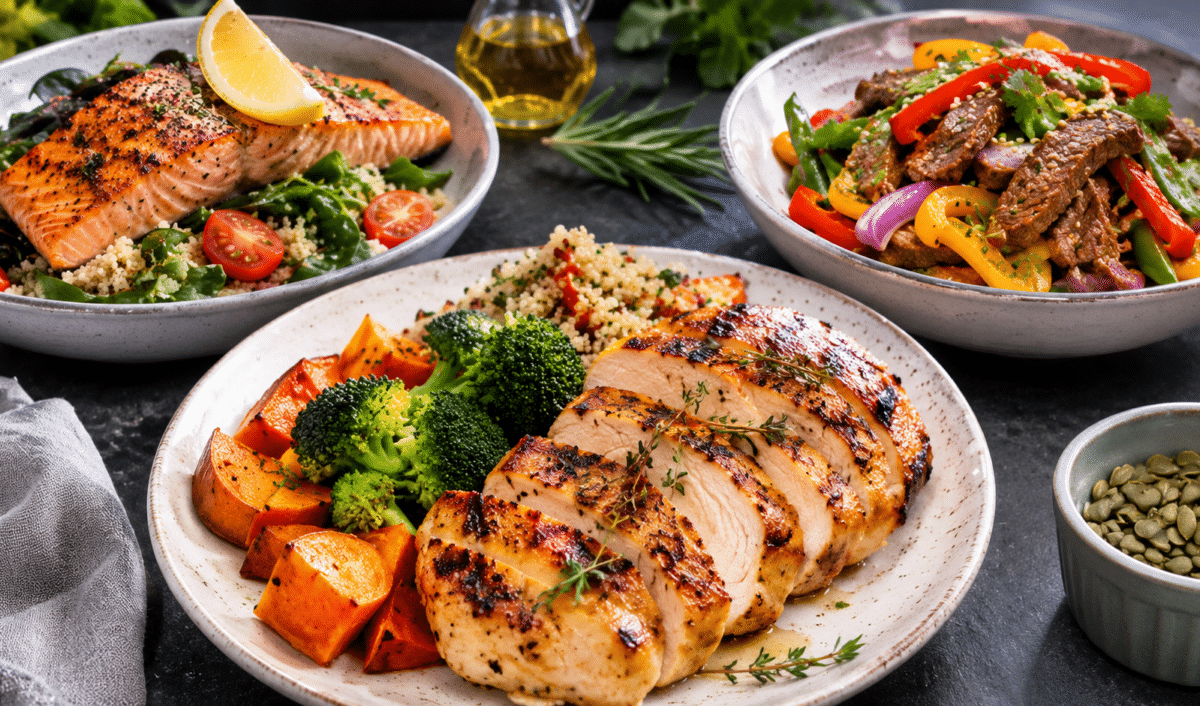
It is 6:15 p.m. You are hungry, the fridge holds a pack of chicken and half a bag of broccoli, and the protein target your app keeps nagging about feels far away. That is where most good intentions die: not in the grocery store, but at dinnertime, when the easiest option is a bowl of pasta with roughly a third of the protein you were aiming for.
The bar moved this year. The 2025 to 2030 Dietary Guidelines for Americans, released in January 2026, suggest 1.2 to 1.6 grams of protein per kilogram of body weight a day, which Harvard’s Nutrition Source notes is 50% to 100% above the long-standing minimum of 0.8 grams. Meanwhile, the International Food Information Council found that 71% of Americans are trying to eat more protein, but only 20% think they know how much they need. Three reliable dinners, rotated through the week, close much of that gap without turning cooking into a project.
What We Know
- The 2025 to 2030 Dietary Guidelines, released in January 2026, suggest 1.2 to 1.6 g of protein per kg of body weight daily.
- The guidelines keep the saturated fat limit at 10% of daily calories, about 22 grams on a 2,000-calorie diet.
- IFIC’s 2025 survey found 71% of Americans trying to consume protein, and its spotlight survey found 20% believe they know their target.
- USDA says poultry should reach 165°F and fish 145°F, and cooked leftovers keep 3 to 4 days refrigerated.
What Is Still Unclear
- Whether the higher target benefits everyone, or mainly older adults and active people, is debated by nutrition researchers.
- The ideal amount of protein per meal has not been firmly established.
- The guidelines do not say which protein sources to choose more often.
- Nutrition numbers in this article are estimates; brands and portions vary.
The Protein Push, in Numbers
Protein has become the nutrient Americans chase most. In IFIC’s 2025 Food and Health Survey of 3,000 adults, 71% said they were trying to consume protein. But IFIC’s spotlight survey of 1,000 adults, fielded in May 2025, found that 53% were unaware of how much protein they need and another 26% were unsure. Most people reach first for meat and poultry, eggs, and fish.
How Americans Think About Protein
What 1.2 to 1.6 Grams per Kilogram Means for You
The new range is based on body weight. To find yours, divide your weight in pounds by 2.2 to get kilograms, then multiply by 1.2 and 1.6. The table compares that range with the older 0.8 g/kg minimum. Harvard nutrition experts caution that needs vary widely and that a registered dietitian can tailor a number, especially for people with kidney disease.
| Body weight | Old minimum, 0.8 g/kg | New low end, 1.2 g/kg | New high end, 1.6 g/kg | One dinner here covers |
|---|---|---|---|---|
| 130 lb (59 kg) | 47 g | 71 g | 94 g | 58% to 69% of 1.2 g/kg |
| 160 lb (73 kg) | 58 g | 87 g | 116 g | 47% to 56% of 1.2 g/kg |
| 190 lb (86 kg) | 69 g | 103 g | 138 g | 40% to 48% of 1.2 g/kg |
| 220 lb (100 kg) | 80 g | 120 g | 160 g | 34% to 41% of 1.2 g/kg |
| 250 lb (113 kg) | 91 g | 136 g | 182 g | 30% to 36% of 1.2 g/kg |
Dinner 1: The Sheet Pan That Does Everything
A single hot pan, high heat and one bowl of sauce. Chicken breast supplies most of the protein, chickpeas add plant protein and fiber, and a lemony Greek yogurt sauce sneaks in a few more grams while replacing heavier dressings.
Serves 4 · 40 minutes · one pan
Sheet-Pan Lemon-Herb Chicken with Crispy Chickpeas and Broccoli
- About 49 g protein
- About 430 calories
- About 7 g fiber
Ingredients
- 1 1/2 lb boneless, skinless chicken breasts, cut into 1 1/2-inch pieces
- 1 can (15 oz) chickpeas, rinsed and patted very dry
- 4 cups broccoli florets
- 2 tbsp olive oil
- 1 tsp each garlic powder, dried oregano and smoked paprika
- 3/4 tsp salt, plus black pepper
- 1 cup plain nonfat Greek yogurt
- Zest and juice of 1 lemon; 2 tbsp chopped dill or parsley
Method
- Heat the oven to 425°F and line a large rimmed sheet pan.
- Toss chicken, chickpeas and broccoli with oil, spices, salt and pepper. Spread in one layer; use two pans if crowded.
- Roast 20 to 25 minutes, stirring once, until chickpeas crisp and chicken reaches 165°F in the thickest piece.
- Stir yogurt with lemon zest, half the juice, herbs and a pinch of salt.
- Squeeze the remaining lemon over the pan and serve with the sauce.
Why it repeats well: swap broccoli for green beans or cauliflower, and the spice blend for taco seasoning or za’atar. The yogurt sauce keeps 4 days refrigerated.
Dinner 2: A Salmon Bowl Faster Than Takeout
Salmon cooks in about 12 minutes, and a sweet-salty miso glaze makes it taste like restaurant food. Edamame adds plant protein, and quinoa provides a little more protein than rice. Harvard’s Frank Hu notes that evidence continues to associate fish and plant proteins with more favorable health outcomes than diets heavy in red meat.
Serves 4 · 35 minutes · one pot plus one pan
Miso-Maple Salmon Bowls with Edamame and Quinoa
- About 41 g protein
- About 540 calories
- About 7 g fiber
Ingredients
- 4 salmon fillets, about 5 oz each raw
- 1 cup dry quinoa, rinsed
- 2 cups frozen shelled edamame
- 2 tbsp white miso paste
- 1 tbsp maple syrup, 1 tbsp rice vinegar, 1 tsp reduced-sodium soy sauce
- 1 tsp grated fresh ginger
- 1 cucumber, sliced; 2 scallions, sliced
- 1 tsp toasted sesame seeds
Method
- Simmer quinoa in 2 cups water, covered, for 15 minutes; add edamame for the last 4 minutes, then rest 5 minutes.
- Heat the oven to 425°F. Whisk miso, maple, vinegar, soy and ginger.
- Place salmon on a lined pan and brush with most of the glaze.
- Roast 10 to 12 minutes, until the fish flakes and reaches 145°F.
- Divide quinoa and edamame into bowls, top with salmon, cucumber, scallions, sesame and remaining glaze.
Why it repeats well: swap salmon for shrimp, about 27 g protein per 4 oz cooked, or extra-firm tofu. Quinoa and edamame can be cooked ahead for 3 to 4 days of lunches.
Dinner 3: The Chili That Gets Better by Thursday
Lean ground turkey, lentils and black beans stack three protein sources in one pot. Lentils matter here: according to Harvard’s Nutrition Source, a cup of cooked lentils has about 18 grams of protein, 15 grams of fiber and virtually no saturated fat. A 4-ounce sirloin has about 33 grams of protein but also 5 grams of saturated fat.
Serves 4 generously · 45 minutes · one pot
Smoky Turkey and Lentil Chili
- About 45 g protein
- About 520 calories
- About 15 g fiber
Ingredients
- 1 lb 93% lean ground turkey
- 1 cup dry green or brown lentils, rinsed
- 1 can (15 oz) black beans, rinsed
- 1 can (28 oz) crushed or diced fire-roasted tomatoes
- 1 onion and 1 red bell pepper, diced; 3 garlic cloves, minced
- 2 tbsp chili powder, 2 tsp cumin, 1 tsp smoked paprika
- 3 cups low-sodium chicken broth; 1 tsp olive oil
- 1/2 cup plain Greek yogurt for topping
Method
- Brown turkey in oil over medium-high heat, breaking it up, 6 to 8 minutes.
- Add onion, pepper and garlic; cook 4 minutes. Stir in spices for 1 minute.
- Add lentils, tomatoes and broth. Simmer, partly covered, 25 to 30 minutes until lentils are tender.
- Stir in beans and heat through; the turkey should have reached 165°F.
- Season and serve topped with Greek yogurt.
Why it repeats well: it freezes for 2 to 3 months for best quality. For a plant-based version, swap turkey for a second cup of lentils plus 8 oz crumbled extra-firm tofu.
How the Three Dinners Stack Up
Protein figures below are estimates calculated from USDA FoodData Central values for each ingredient and portion. For comparison, the chart includes a common default dinner of 2 cups of whole-wheat pasta with marinara.
Protein per Serving
Protein in the Building Blocks
A Week That Runs Itself
The trick to dinners you will actually repeat is a predictable rotation that uses leftovers on purpose. This plan cooks three nights and lets leftovers cover two more, staying inside USDA’s 3-to-4-day window.
- SunPrep 45 minCook quinoa, chop vegetables, mix yogurt sauce.
- MonChickenSheet pan; save 2 portions.
- TueLeftoversChicken over greens with sauce.
- WedSalmonBowls in 15 min with prepped quinoa.
- ThuChiliDouble batch; freeze half.
- FriLeftoversChili topped with yogurt.
- SatFlexEat out or use frozen chili.
Swap Table for Every Diet and Budget
| Need | Sheet-pan chicken | Salmon bowls | Turkey-lentil chili |
|---|---|---|---|
| Vegetarian | Extra-firm tofu cubes plus a second can of chickpeas | Tofu or tempeh with the same glaze | Double lentils plus crumbled tofu |
| Dairy-free | Tahini-lemon sauce | Already dairy-free | Avocado instead of yogurt |
| Lower budget | Chicken thighs, trimmed | Canned salmon or frozen fillets | Skip turkey; use 2 cups lentils |
| Lower sodium | Cut salt to 1/2 tsp; more lemon | Halve miso; use more ginger | No-salt-added tomatoes and beans |
| Gluten-free | Already gluten-free | Use tamari instead of soy sauce | Check broth and spice labels |
| More protein | Add 1/2 cup more yogurt sauce | Add 1 cup more edamame | Top with shredded cheese |
Six Habits That Make High-Protein Dinners Stick
- Buy the same core groceries weeklyChicken, salmon, ground turkey, lentils, edamame and Greek yogurt cover all three recipes.
- Use a thermometer, not a guess165°F for poultry and 145°F for fish removes doubt and prevents overcooking.
- Cook grains and legumes onceA Sunday pot of quinoa or lentils shortens two weeknight dinners.
- Fill half the plate with vegetablesThey add fiber and volume without crowding out protein.
- Freeze in single portionsChili keeps best for 2 to 3 months frozen.
- Check with a professional if neededPeople with kidney disease should get a personal protein target.
- Instant-read thermometerAbout 10 seconds per check.
- Large rimmed sheet panHalf-sheet size, 18 by 13 inches.
- Heavy pot, 5 to 6 quartsFor chili and doubling batches.
- Glass storage containers4 or more, labeled with dates.
- Fridge at 40°F or belowUSDA’s recommended setting.
- Freezer at 0°FKeeps food safe indefinitely; quality fades with time.
Frequently Asked Questions
How much protein should I eat per day under the new guidelines?
The 2025 to 2030 Dietary Guidelines suggest 1.2 to 1.6 grams of protein per kilogram of body weight daily. For a 160-pound adult, that is about 87 to 116 grams. Needs vary, so a dietitian can help set a personal target.
How much protein should be in a high-protein dinner?
There is no official per-meal number. Many people aim for roughly 30 to 50 grams at dinner when spreading their daily target across meals. The three dinners here provide about 41 to 49 grams each.
What is the easiest high-protein dinner?
A sheet-pan meal with chicken breast, chickpeas and vegetables is among the easiest: one pan, about 40 minutes and roughly 49 grams of protein per serving.
What are good plant-based high-protein dinner foods?
Lentils, edamame, chickpeas, black beans, tofu and tempeh. One cup of cooked lentils or shelled edamame has about 18 grams of protein.
Is salmon or chicken higher in protein?
Chicken breast has more protein per ounce: about 35 grams in 4 cooked ounces versus about 25 grams for salmon. Salmon adds omega-3 fats, so rotating both is a good approach.
What temperature should chicken and salmon be cooked to?
USDA recommends 165°F for poultry, including ground turkey, and 145°F for fish. Use a food thermometer in the thickest part.
How long do high-protein leftovers last in the fridge?
Cooked leftovers keep 3 to 4 days at 40°F or below, according to USDA. Refrigerate within 2 hours of cooking and reheat to 165°F.
Can you eat too much protein?
Harvard nutrition experts note that excess protein can be stored as fat and that protein foods can bring saturated fat with them. People with kidney disease should follow medical advice on protein limits.
The Short Version
The 2025 to 2030 Dietary Guidelines raised the suggested protein range to 1.2 to 1.6 grams per kilogram, and most Americans want more protein but are unsure how much they need. Three repeatable dinners help: sheet-pan lemon chicken with chickpeas (about 49 grams per serving), miso salmon bowls with edamame and quinoa (about 41 grams) and turkey-lentil chili (about 45 grams). Rotating poultry, fish and legumes keeps fiber up and saturated fat down. Cook poultry to 165°F and fish to 145°F, and eat leftovers within 3 to 4 days.

Omisha is a health writer passionate about turning complex medical research into clear, actionable content readers can trust. She covers everything from nutrition and mental wellness to chronic disease management, always grounding her work in credible science and real-world relevance. When she's not writing, she's usually reading up on the latest health studies or exploring new wellness trends to write about next.