Heart HealthAHA Scientific Sessions 2026
Energy Drinks Tied to 11 Times More Cardiac Arrest Reports in New AHA Study: What It Does and Does Not Prove
University of Virginia researchers reviewed 28,345 FDA adverse event reports from 2017 to 2025. Reports involving caffeine and stimulant products were far more likely to mention cardiac arrest or heart attack, and young adults dominated them.
By the Heart Health DeskFact-checked against AHA releases, the 2026 AHA caffeine statement and named news reportsUpdated November 9, 2026Scope U.S. teens and adults
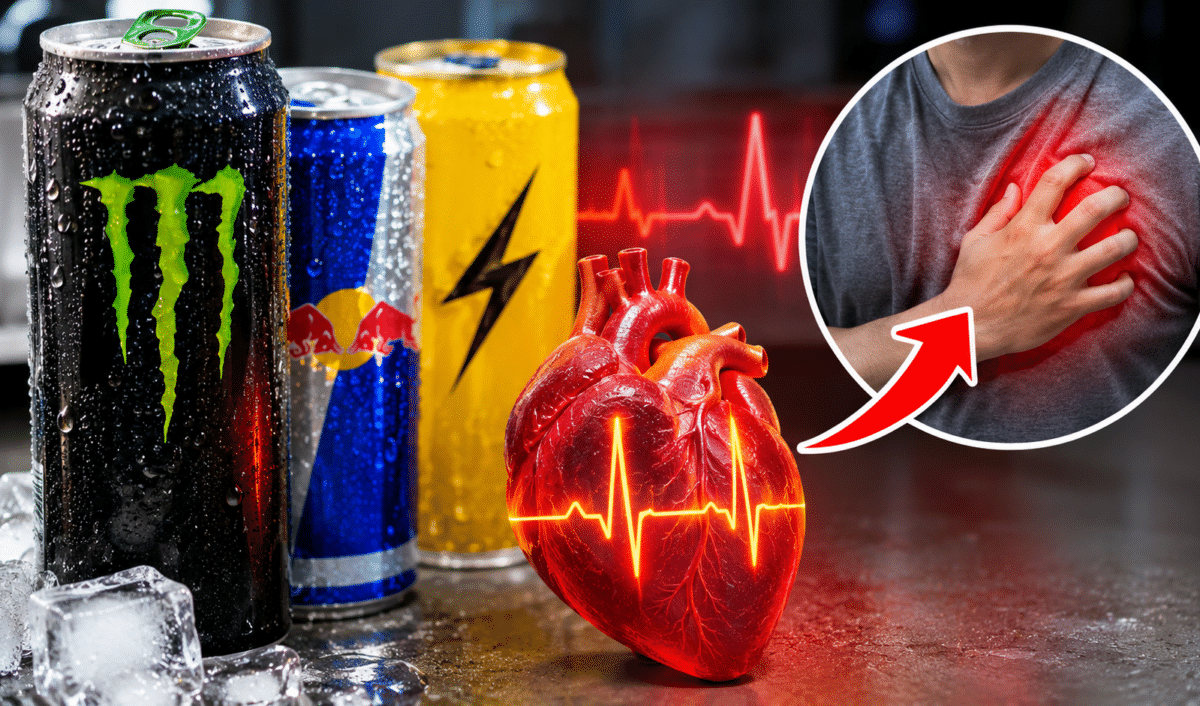
A can on the desk at 2 p.m. A pre-workout scoop before the gym. Another can for the drive home. For millions of Americans, especially those in their 20s and early 30s, high-caffeine products are a daily habit that rarely feels risky. A study presented this week at the American Heart Association’s Scientific Sessions 2026 in Chicago is a reminder that these products are not the same as a cup of coffee.
Researchers at the University of Virginia School of Medicine analyzed more than 28,000 safety reports filed with the U.S. Food and Drug Administration. When people reported a problem after using a caffeinated energy drink or stimulant supplement, the report was about 11 times more likely to describe cardiac arrest than reports tied to non-stimulant products such as protein bars or vitamins. Heart attacks appeared about 4.5 times as often. Nearly half of the heart-related reports involved adults aged 18 to 34. The findings are preliminary, and they show a pattern in reports, not proof that the drinks caused the events.
What We Know
- The study, abstract MDP0323, was presented at AHA Scientific Sessions, Nov. 6 to 9, 2026, in Chicago.
- Researchers compared 854 reports involving caffeine or stimulant products with 27,491 reports involving non-stimulant products.
- Stimulant-product reports were linked to higher reporting of cardiac arrest, heart attack, arrhythmias, rapid heart rate, chest pain and fainting.
- Patterns were similar in men and women.
- The FDA regulates these products as foods or dietary supplements, which do not undergo drug-style premarket safety testing.
What Is Still Unclear
- The research is a preliminary abstract and has not been published in a peer-reviewed journal.
- Because reports are voluntary, the study cannot say how many people used these products with no problems.
- It is unknown how many events involved alcohol, other drugs, intense exercise or undiagnosed heart conditions.
- Results were grouped by ingredient, not brand, so no single product can be singled out.
Inside the Numbers: Which Heart Problems Showed Up Most
The study’s lead author, Sai Samayamanthula, a fourth-year medical student at the University of Virginia, and colleagues used a statistical method called a reporting odds ratio. It compares how often a specific problem appears among reports for one group of products versus another. Here, the comparison was between caffeine or stimulant products and everything else in the database, such as soft drinks, meal replacement shakes, smoothies and vitamins.
How Much More Often Heart Problems Appeared in Stimulant-Product Reports
The products were grouped by ingredient rather than brand. The researchers looked at three categories: caffeine itself; methylxanthines, a family that includes theobromine, guarana, yerba mate and green tea or coffee extracts; and sympathomimetics, stimulants such as synephrine, yohimbine, ephedra, DMAA and higenamine that mimic adrenaline. Some of these appear on labels under unfamiliar names, which is one reason people can take in more stimulant than they realize.
What a Reporting Odds Ratio Can and Cannot Tell You
A reporting odds ratio is a tool safety regulators use to spot signals worth investigating. If a certain problem shows up unusually often in reports about one type of product, that is a flag. It is not the same as a risk ratio from a clinical trial, which compares what happens to people who use a product with people who do not. Here, everyone in the database had already filed a report about something. A product that is widely used, heavily publicized or more likely to send someone to an emergency room can generate more reports, and the study has no way to correct for how many people drank energy drinks without incident.
How the 28,345 Reports Break Down
Why Young Adults Stood Out
About 45% of reports linking these products to cardiovascular events involved people aged 18 to 34. That is striking because this age group generally has low rates of heart attack and cardiac arrest. The researchers did not determine why. They suggested consumption patterns may matter, such as drinking energy drinks before intense exercise or mixing them with alcohol or other drugs, along with heart conditions that had never been diagnosed.
Earlier research supports both possibilities. A 2024 study identified sudden cardiac arrests occurring shortly after energy drink use, particularly among people with inherited heart rhythm conditions, many of whom did not know they had one. A 2025 review found that drinking large volumes of energy drinks can prolong the QTc interval, a measure of how long the heart takes to recharge between beats, and raise blood pressure and heart rate.
Why Oversight Is Part of the Story
Energy drinks and stimulant supplements are regulated by the FDA as foods or dietary supplements, not as medicines. That means they do not go through the premarket safety testing required for drugs, and much of what regulators learn about problems comes from voluntary reports after products are already on shelves. The study authors said their findings support the case for more systematic safety monitoring of caffeine- and stimulant-containing products, rather than relying on whoever chooses to file a report.
Gregory M. Marcus, a cardiologist at the University of California, San Francisco, who chaired the AHA’s 2026 caffeine statement and was not involved in this research, said the study raises concerns that products with very high amounts of caffeine may be harmful to the cardiovascular system. He was equally clear that it “does not prove that caffeine products cause these events,” and that more research is needed.
Coffee Is Not an Energy Drink: The Caffeine Math
The AHA scientific statement “Caffeine and Cardiovascular Disease,” published July 20, 2026, in Circulation, was largely reassuring about coffee. It said up to 400 mg of caffeine a day is generally safe for most adults, roughly five 8-ounce cups of brewed coffee, and linked 1 to 3 cups a day with lower risk of heart disease, heart failure and stroke. It also said those findings should not be applied to energy drinks, and that the higher doses in energy drinks and shots “may have harmful effects on the heart and should be avoided.”
Concentration is the difference. According to the statement, brewed coffee contains about 9.4 to 20.6 mg of caffeine per fluid ounce, while energy shots contain about 40 to 69 mg, roughly 3 to 4 times as much. The AHA’s news release on the new study adds that some pre-workout supplements contain more than 12 times as much caffeine per fluid ounce as brewed coffee.
Caffeine Per Serving vs the 400 mg Daily Guideline
Who Should Be More Careful
The AHA statement stresses that there is “no one-size-fits-all strategy” for caffeine. Sensitivity varies with genetics, body size, medications and health. Cardiologist Cheng-Han Chen of MemorialCare, who was not involved in the study, said he particularly recommends that people with underlying cardiovascular conditions avoid energy drinks.
| Group | Concern level | Why | Practical guidance |
|---|---|---|---|
| Healthy adult, occasional use | Lower | Study author calls risk probably small | Track total daily caffeine; stay under 400 mg |
| Daily or multiple-can users | Moderate | Easy to exceed limits | Count every source; cut back gradually |
| Adults 18 to 34 | Watch | 45% of heart-related reports | Avoid mixing with alcohol or intense exercise |
| Teens 13 to 17 | Higher | Included in reports; smaller bodies | Pediatric groups advise against energy drinks |
| Known heart condition or arrhythmia | Higher | Experts advise avoidance | Ask your cardiologist before any stimulant |
| Family history of sudden death | Higher | Possible inherited rhythm disorder | Consider screening; avoid stimulant products |
| Pregnant | Limit | ACOG advises under 200 mg a day | Discuss caffeine with your clinician |
| Using stimulant medicines | Check | Effects may add up | Ask a pharmacist about interactions |
How This Study Fits a Year of Caffeine Headlines
- 2017 to 2025Data windowNine years of FDA adverse event reports from people 13 and older.
- 2024Sales milestoneCaffeinated energy drink sales top $20 billion, more than double a decade earlier.
- July 20, 2026AHA caffeine statementUp to 400 mg a day generally safe; high-dose energy products should be avoided.
- Nov. 2, 2026News releaseAHA announces the University of Virginia findings ahead of the meeting.
- Nov. 6 to 9, 2026Scientific SessionsAbstract MDP0323 presented in Chicago.
- NextPeer reviewFindings remain preliminary until published as a full manuscript.
Warning Signs and What to Do About Them
Experts quoted in coverage of the study pointed to palpitations, chest pain and lightheadedness as signs of too much stimulant. Chest pain, especially with shortness of breath or fainting, warrants emergency care.
| Symptom after a stimulant product | Seen in the study | What it may signal | What to do |
|---|---|---|---|
| Collapse, unresponsive | Cardiac arrest, about 11x | Life-threatening rhythm problem | Call 911, start CPR, use an AED |
| Chest pain or pressure | Chest pain 2.71x; heart attack 4.5x | Possible heart attack or strain | Call 911 |
| Fainting or near-fainting | About 2x | Rhythm or blood pressure problem | Seek emergency care |
| Pounding or irregular heartbeat | Arrhythmia or palpitations, about 4x | Extra or irregular beats | Stop stimulants; see a doctor promptly |
| Racing heart at rest | Rapid heart rate, nearly 3x | Stimulant overload | Stop use; get care if it persists |
| Jitters, anxiety, insomnia | Not measured | Too much caffeine | Cut back; avoid after midday |
- Add up a full day of caffeineCoffee, tea, soda, energy drinks, pre-workouts and supplements all count toward 400 mg.
- Read the supplement panelLook for guarana, yerba mate, synephrine, yohimbine and other stimulants.
- Skip stimulants before hard workoutsIntense exercise was one suspected factor in the study.
- Never mix with alcoholCombining them was another pattern researchers flagged.
- Taper rather than quit abruptlyCutting back gradually limits headaches and fatigue.
- Tell your doctor about useEspecially if you have palpitations, chest pain or fainting episodes.
- Under 400 mg a dayThe AHA guideline for most healthy adults.
- Under 200 mg if pregnantPer ACOG guidance.
- 1 can is often 80 to 300 mgCheck the label every time.
- 3 to 4 times coffee’s strengthEnergy shots per fluid ounce.
- 12 times or moreSome pre-workouts per fluid ounce vs coffee.
- Report problemsFile adverse events with FDA MedWatch at 1-800-FDA-1088.
Frequently Asked Questions
What did the American Heart Association energy drink study find?
University of Virginia researchers reviewed 28,345 FDA adverse event reports from 2017 to 2025. Reports involving caffeine or stimulant products mentioned cardiac arrest about 11 times and heart attack about 4.5 times as often as reports for non-stimulant products. About 45% of heart-related reports involved adults 18 to 34.
Do energy drinks cause heart attacks?
The study does not prove that. It shows an association in voluntary safety reports. Experts say very high caffeine doses can strain the heart, and people with heart conditions should avoid energy drinks, but more research is needed to establish cause and effect.
How much caffeine is safe per day?
The AHA’s July 2026 statement says up to 400 mg a day is generally safe for most adults, roughly five 8-ounce cups of brewed coffee. Individual sensitivity varies, and pregnant people are generally advised to stay under 200 mg.
How much caffeine is in an energy drink?
A single energy drink can contain about 80 to 300 mg of caffeine. Energy shots contain about 40 to 69 mg per fluid ounce, roughly 3 to 4 times as much as brewed coffee.
Are energy drinks safe for teenagers?
The study included reports from people as young as 13. Pediatric experts generally advise against energy drinks for children and teens. Parents should check labels and talk with a pediatrician about caffeine.
What are signs of too much caffeine for your heart?
Palpitations, a racing heartbeat, chest pain, lightheadedness and fainting. Chest pain with shortness of breath or fainting needs emergency care.
Is coffee safer than energy drinks?
The AHA statement found moderate coffee intake, 1 to 3 cups a day, linked to lower risk of heart disease, heart failure and stroke, and said those findings should not be applied to energy drinks, which deliver more concentrated caffeine and other stimulants.
Is the AHA energy drink study peer-reviewed?
Not yet. It was presented as a preliminary abstract at Scientific Sessions 2026 and should be considered preliminary until it is published as a full peer-reviewed paper.
The Short Version
A University of Virginia study presented at the American Heart Association’s 2026 Scientific Sessions found that FDA safety reports involving energy drinks and stimulant supplements mentioned cardiac arrest about 11 times and heart attack about 4.5 times as often as reports for other foods and supplements, with 45% of heart-related reports from adults 18 to 34. It cannot prove causation or measure individual risk. Keep total caffeine under 400 mg a day, read labels for hidden stimulants, avoid mixing with alcohol or hard exercise, and seek care for chest pain or fainting.

Omisha is a health writer passionate about turning complex medical research into clear, actionable content readers can trust. She covers everything from nutrition and mental wellness to chronic disease management, always grounding her work in credible science and real-world relevance. When she's not writing, she's usually reading up on the latest health studies or exploring new wellness trends to write about next.