Your hands hold shocking secrets about your liver—red palms that scream silent damage, nails turning ghostly white, tiny spider veins plotting invasion. U.S. doctors warn: these subtle clues predict fatty liver or worse before jaundice strikes. Spot them now or risk irreversible harm. What’s hiding in YOUR palms?
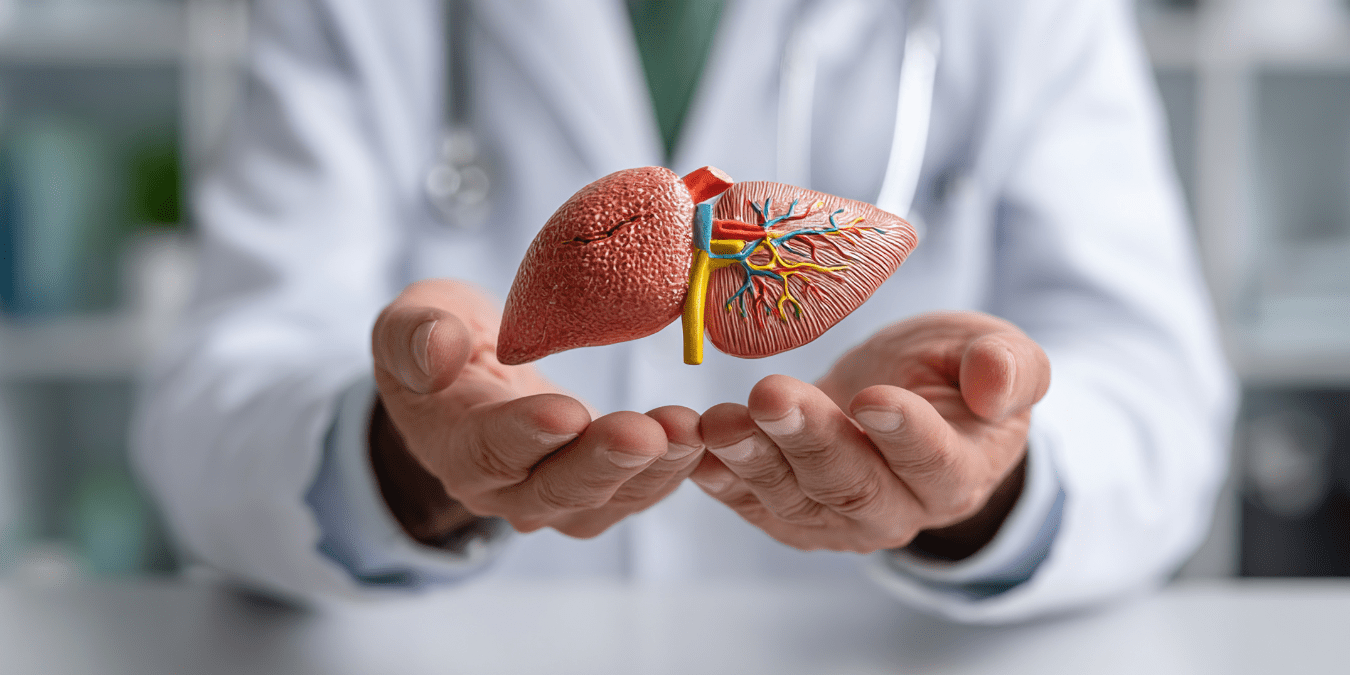
Your hands can act like an early-warning dashboard for your liver, long before you ever feel pain in your abdomen or see obvious jaundice on your skin. Doctors in the U.S. say subtle changes in your palms, nails, skin, and even the way your fingers move can hint at silent liver problems such as fatty liver disease, hepatitis, or early cirrhosis.
Why your hands and liver are connected
The liver is your body’s main detox and processing center, handling everything from medications and alcohol to hormones and cholesterol. When it starts struggling, those internal changes can show up in the tiniest blood vessels, tissues, and nerves in your hands.
Key reasons hand changes appear with liver damage:
- Altered blood flow and pressure in small vessels, which can cause redness, tiny visible veins, or swelling.
- Hormone and protein imbalance, which affects skin color, nail growth, and fluid retention.
- Toxin buildup when the liver cannot clear waste properly, which can irritate nerves and skin, causing itching or tremors.
For many Americans living with undiagnosed fatty liver disease or early cirrhosis, these subtle “hand clues” may be the first visible sign that something is wrong.
- Why Consistent Meal Timing Matters for Your Health: The Science Behind Eating on Schedule

- Nothing Kills Faster Than Your Own Mind: How to Stop Stressing Over Things You Can’t Control

- What Causes Male Pattern Baldness? Uncover the Science Behind Hair Loss

- Stop Baldness Naturally: Must-Have Products for Hair Density and Shine – Without Any Side Effects?

- Unlocking the Hidden Truth About Cholesterol: What Your Doctor Isn’t Telling You!

- What Your Diet Is Missing: Surprising Kidney Stone Triggers in 2025

Subtle liver warning signs in your hands
Doctors warn that the following hand changes should never be brushed off—especially if you have U.S. risk factors like obesity, type 2 diabetes, high cholesterol, or regular alcohol use.
1. Red palms (palmar erythema)
If your palms look unusually red—particularly in the fleshy areas under your thumb and little finger—it may be more than just “hot hands.”
What it looks like:
- Symmetrical redness on both palms, often warm but usually not painful.
- The redness may fade when you press on it, then quickly return.
Why it matters:
- Palmar erythema is linked to chronic liver disease, including cirrhosis and advanced fatty liver, due to changes in hormones and blood vessel dilation.
- It can also appear in pregnancy or autoimmune conditions, which is why medical evaluation is essential instead of self-diagnosing.
2. Itchy, dry, or fragile hand skin
Persistent itching on the hands—or dry, thin, easily irritated skin—may be a sign of cholestasis, where bile doesn’t flow properly from the liver.
Typical features:
- Itching with little or no visible rash.
- Scratches, scabs, or broken skin from frequent rubbing.
- Hands that feel more sensitive or fragile than usual.
Why it matters:
- When bile acids and other substances build up in the blood, they can deposit in the skin and drive intense itching.
- Itching that’s worse at night or on palms and soles is a classic red flag for bile-related liver problems.
3. Nail changes: Terry’s nails, pale nails, or brittle nails
Your nails can quietly reflect your liver’s health, too.
Common liver-related nail changes include:
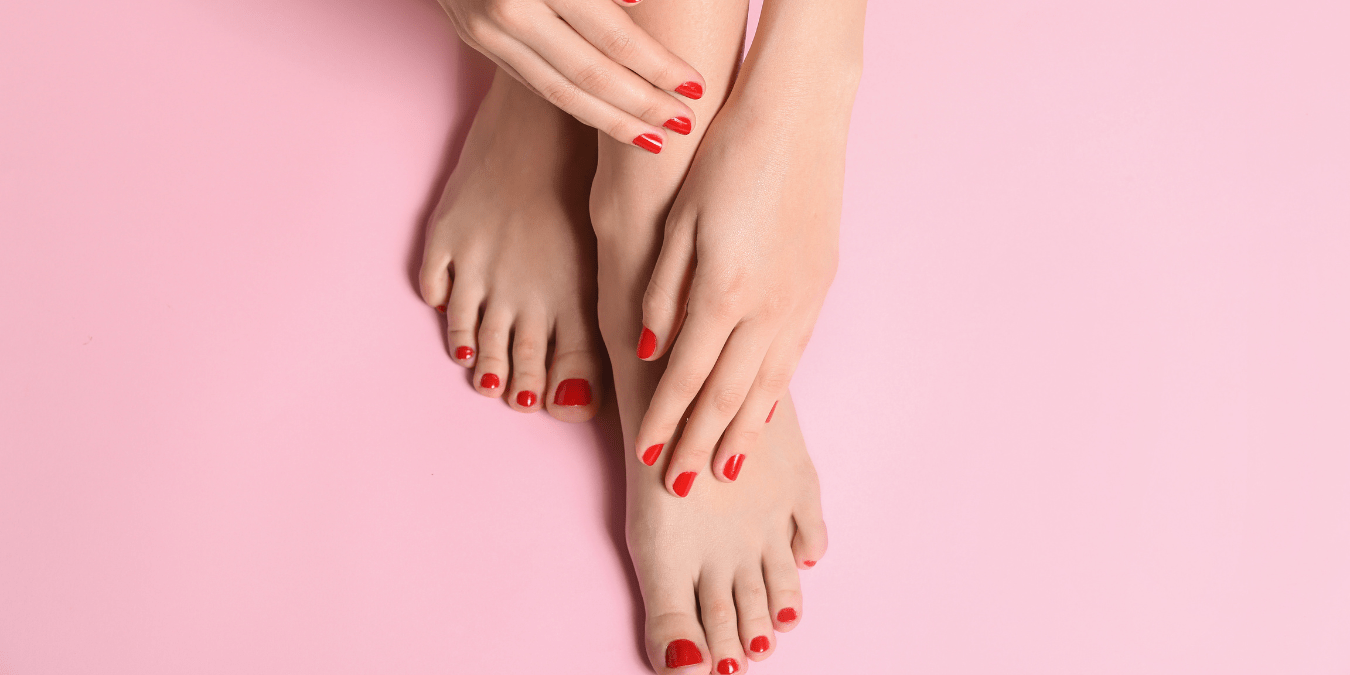
- Terry’s nails: Nails that look mostly white with a narrow pink, red, or darker band only at the tip.
- Very pale or “washed-out” nails, suggesting low protein levels or chronic illness.
- Brittle, breaking nails with slower-than-usual growth.
Why it matters:
- Terry’s nails have been associated with cirrhosis and chronic liver disease, likely due to changes in blood flow and protein levels.
- While heart failure, diabetes, and aging can cause similar appearances, nail changes combined with other hand or body symptoms should prompt liver evaluation.
4. Finger clubbing and swelling
Finger clubbing is a gradual change in finger shape that can indicate chronic liver problems among other serious diseases.
What you may notice:
- Fingertips become more bulbous or rounded.
- Nails curve more over the fingertip, sometimes with a “drumstick” appearance.
- The angle between the nail and skin at the base becomes more open than usual.
Why it matters:
- Clubbing is linked with long‑standing liver disease, especially cirrhosis and certain liver-related lung and heart complications.
- It usually develops slowly, which means it may appear years into chronic illness that has gone undiagnosed.
5. Tiny “spider” blood vessels on hands and wrists
Spider angiomas—small, red, spider-like blood vessels—can show up on the backs of your hands, arms, chest, or face.
Typical features:
- A central red dot with tiny capillaries radiating outward, like a spider or star.
- When you press the center, the red color fades and returns when you release.
Why it matters:
- Multiple spider angiomas are common in people with chronic liver disease and cirrhosis, often due to hormone and vascular changes.
- Single lesions can be harmless, but clusters—especially together with other symptoms—are a warning to get checked.
6. Swollen hands and fingers (edema)
If your rings suddenly feel tight or your hands look puffy, it may be more than salt or summer heat.
What it looks like:
- Puffy fingers or hands that leave an indentation when pressed gently with a fingertip.
- Swelling that’s worse in the evening or after long periods of sitting or standing.
Why it matters:
- Advanced liver disease can lower protein levels and disrupt circulation, leading to fluid leaks into tissues—especially in feet and hands.
- Edema often appears along with leg or ankle swelling and sometimes abdominal distension from fluid (ascites).
7. Hand tremors or “flapping” movements
One of the more serious signs is asterixis, often called “flapping tremor.”
What you may notice:
- When you stretch your arms out and extend your wrists, your hands make sudden, jerky, flapping movements.
- You may also feel general shakiness, trouble concentrating, or unusual sleepiness.
Why it matters:
- Asterixis can signal hepatic encephalopathy—a condition where toxins not cleared by a damaged liver affect brain function.
- This is a medical emergency and needs immediate evaluation in an ER or urgent care setting in the U.S.
When to see a doctor in the U.S.
Not every red palm or brittle nail means liver failure—but doctors stress that ignoring persistent changes is risky.
You should contact a primary care physician or hepatologist (liver specialist) in the U.S. if:
- You notice red palms, unusual spider-like vessels, or new nail changes that last more than a few weeks.
- You have hand itching that won’t go away, especially if it’s worse at night.
- Your fingers seem more swollen, clubbed, or your hands are frequently puffy.
- You experience tremors, shakiness, confusion, or trouble concentrating.
Seek urgent or emergency care if you notice hand signs plus:
- Yellowing of the eyes or skin (jaundice).
- Dark urine or pale, clay‑colored stools.
- Sudden abdominal swelling, vomiting blood, or black, tarry stools.
- Marked confusion, drowsiness, or behavior changes.
In the U.S., your doctor may order blood tests (liver function tests, viral hepatitis panel), imaging (ultrasound, FibroScan, CT), and sometimes a liver biopsy depending on severity and risk factors. Early diagnosis significantly improves treatment options and long‑term outcomes.
Major U.S. risk factors that make these signs more serious
From a U.S. perspective, several lifestyle and health trends make these subtle hand clues especially important to pay attention to.
You should take hand changes very seriously if you also have:
- Metabolic syndrome: Obesity, high blood pressure, high triglycerides, or prediabetes/type 2 diabetes—strongly linked to metabolic dysfunction–associated steatotic liver disease (MASLD, previously NAFLD).
- Regular alcohol use: Heavy or binge drinking, or daily consumption above recommended limits, increases the risk of alcoholic liver disease and cirrhosis.
- Chronic viral hepatitis: Hepatitis B or C infections remain major causes of liver damage, even if you feel well.
- Autoimmune or genetic conditions: Autoimmune hepatitis, hemochromatosis, Wilson’s disease, and certain bile duct disorders can all damage the liver over time.
- Long-term medication or supplement use: Certain prescription drugs, over‑the‑counter pain relievers, bodybuilding or weight‑loss supplements can injure the liver, especially when combined or misused.
For many Americans, liver disease progresses “silently” for years. That’s why your hands—visible and easy to check—are such a valuable early detection tool.
How to protect your liver if you notice these signs
If you’re seeing any of these hand changes, don’t panic—but do act. Early lifestyle changes, plus medical guidance, can often halt or even reverse early liver damage in many U.S. patients.
Practical steps to discuss with your doctor:
- Get baseline labs: Ask for liver function tests, blood sugar, cholesterol, and viral hepatitis screening based on your risk.
- Review medications and supplements: Go over everything you take—including herbal products and workout supplements—to identify anything that may stress the liver.
- Adjust your diet: Move toward a Mediterranean‑style pattern rich in vegetables, fruits, whole grains, beans, nuts, olive oil, and fish, while cutting back on ultra‑processed foods, added sugars, and excess saturated fat.
- Limit or avoid alcohol: For those with any liver concerns, many specialists recommend minimizing or fully avoiding alcohol rather than staying at “moderate” intake.
- Aim for gradual, sustainable weight loss if you are overweight or have fatty liver, targeting about 1–2 pounds per week with a combination of diet changes and regular physical activity.
- Stay up to date on vaccines, particularly for hepatitis A and B when recommended, to prevent additional liver strain.
Example: An American in their 40s with obesity, borderline diabetes, and new red palms plus brittle nails might be in the early stages of fatty liver disease; with weight loss, dietary change, and medical follow‑up, their liver tests and hand signs can often improve dramatically.
Final word: Don’t ignore what your hands are telling you
Your hands are often in front of your face more than any other body part—typing, driving, scrolling, holding a coffee. That makes them a powerful place to spot early warning signs of liver stress before it progresses into life‑threatening disease.
Red palms, itchy or fragile skin, nail changes, tiny spider veins, swelling, or tremors are not “just aging” or “dry skin” until a medical professional rules out deeper causes. In the U.S., where fatty liver and alcohol‑related liver disease are rising, paying attention to these subtle clues and seeking timely care can literally change the course of your health for decades.
Use your hands as a daily check‑in: if something looks or feels off and stays that way, it’s time to get your liver—and your overall health—professionally evaluated.

Omisha is a health writer passionate about turning complex medical research into clear, actionable content readers can trust. She covers everything from nutrition and mental wellness to chronic disease management, always grounding her work in credible science and real-world relevance. When she's not writing, she's usually reading up on the latest health studies or exploring new wellness trends to write about next.