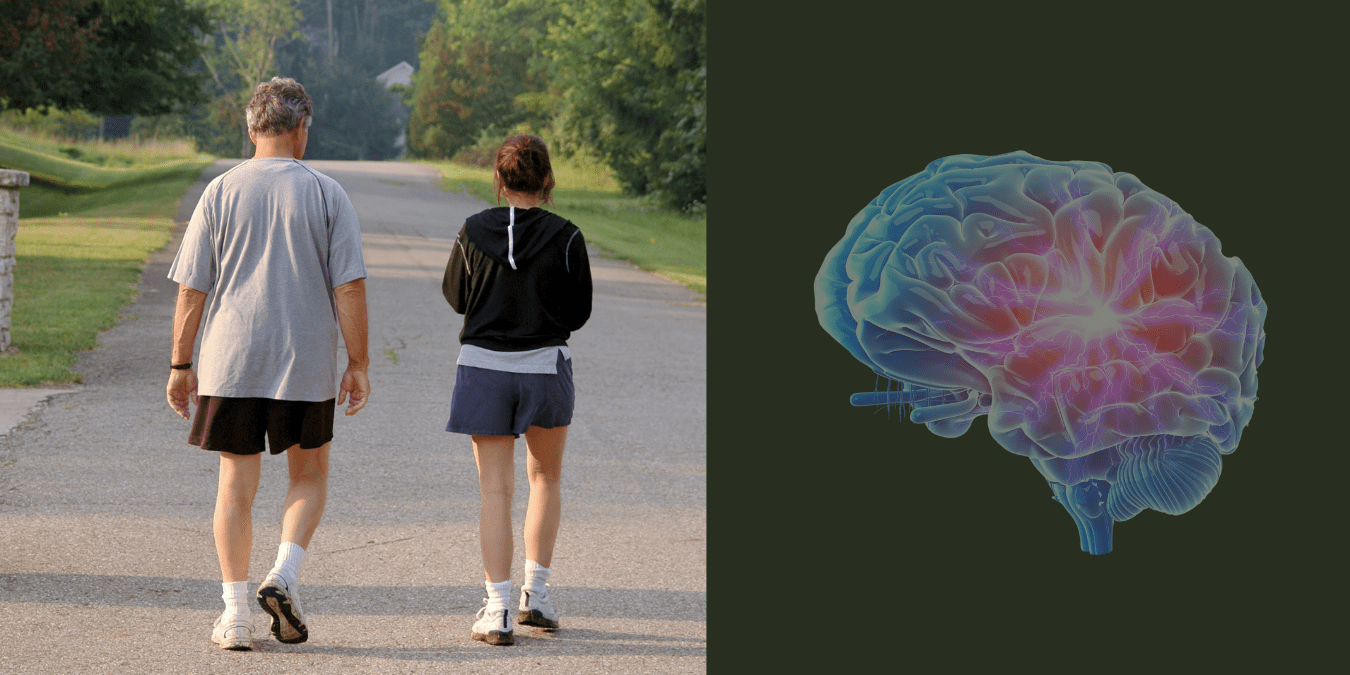
Dementia doesn’t start in your brain? Shocking neurologist claim: It begins in your legs—with slower steps warning of Alzheimer’s years ahead. As U.S. cases set to double by 2060, weak muscles spell disaster. Discover the leg-brain secret millions ignore… and simple fixes that could save your mind.
Dementia may not start where you think. A growing body of research—and a striking warning from leading neurologists—suggests that dementia could quietly begin in your legs, years before memory problems show up. For Americans living longer, sitting more, and walking less, this “leg–brain” connection is a wake-up call, not a headline to ignore.
What Doctors Mean by “Dementia Could Begin in Your Legs”
When neurologists say dementia may “start in your legs,” they are not claiming the disease literally originates in leg muscles. They mean:
- Subtle changes in how fast and how steadily you walk often appear years before noticeable memory decline.
- Weak leg muscles and slower gait are strong early clues that your brain may be in trouble.
A 15-year study following community-dwelling older adults found that slowing gait speed could emerge up to nine years before measurable cognitive decline, and was linked to Alzheimer’s-related brain changes. Another large JAMA Network Open study showed that people who declined in both gait speed and memory had the highest risk of developing dementia, more than those who declined in only one area.
In plain language: your legs often “tell the story” of your brain’s future long before your memory does.
The Science: How Leg Health and Brain Health Connect
Several mechanisms help explain why neurologists take gait and leg strength so seriously.
- Shared vascular risk factors: Conditions common in the U.S.—hypertension, diabetes, obesity, and inactivity—damage blood vessels that supply both leg muscles and brain tissue.
- Neurotrophic factors: Active muscles release proteins like brain-derived neurotrophic factor (BDNF), which support neuron health and connections in brain areas critical for memory.
- Motor–cognitive circuits: Walking is a complex task involving balance, coordination, planning, and attention, all relying on wide brain networks that can be affected early in dementia.
An NIA-funded analysis of nearly 17,000 older adults confirmed that combined decline in walking speed and cognition predicted greater dementia risk than either factor alone. In parallel, research has linked reduced muscle strength and shorter limb length with higher dementia risk, underscoring that the body’s structure and function can reflect lifelong brain exposures.
- Your Smartwatch Already Knows Something Is Wrong — Why AI-Powered Wearables in 2026 Are Catching Diseases Before Your Doctor Even Schedules Your Appointment

- Your Light Bulb Could Be Making Your Anxiety Worse — or Better: Here’s the Science Behind Colour Therapy

- Your Gut Health Obsession Just Got Scientific Backup — Here’s What Doctors Actually Say Works in 2026

- Your Child’s School Could Be Ground Zero: The Hidden Measles Outbreaks Spreading Across 33 States That Most American Parents Have No Idea About

- Your Blood Pressure Reading Has a “Hidden Number” Doctors Say Most People Ignore
- Your Blood Pressure Is Perfect — But These 7 Silent Clues in Your Blood Work Say Your Arteries May Already Be Clogging

Dementia in the United States: Why This Matters Now
The U.S. is heading into what many experts call a dementia wave.
- About 6.9 million Americans age 65 and older are living with Alzheimer’s dementia today.
- A recent NYU Langone analysis estimates that the lifetime risk of dementia after age 55 is roughly 42%—about 35% for men and 48% for women.
- Without breakthroughs, Alzheimer’s cases could roughly double by 2060, with around a million new cases per year.
At the same time, many Americans spend long hours sitting, drive instead of walk, and work desk jobs—conditions that accelerate leg deconditioning and weight gain. The same lifestyle that weakens your legs also drives up the very risk factors—high blood pressure, diabetes, obesity—that raise your dementia risk.
From a U.S. public-health perspective, paying attention to gait and leg strength is one of the most practical early warning systems we have.
Early Warning Signs in Your Legs (Before Your Memory Slips)
You do not need advanced equipment to spot some of the early motor signals linked with higher dementia risk.
Watch for:
- Noticeably slower walking speed over a year or two, especially if others your age move faster.
- Shorter steps, shuffling, or feeling “less sure” on your feet.
- New difficulty keeping up on walks, crossing the street in time, or climbing stairs.
- More frequent stumbles or minor falls without clear cause.
Research shows that an accelerated decline in normal walking speed is often seen when conversion into detectable cognitive impairment is imminent. When that slowing is coupled with declining performance on memory tests, the odds of future dementia rise sharply.
If you or a loved one notice these changes—especially after age 60—it is worth discussing them with a primary-care physician or neurologist, even if memory seems “fine.”
How U.S. Neurologists Use Gait in Dementia Risk Assessment
Clinicians in the U.S. are increasingly integrating gait assessment into cognitive screening.
Typical approaches may include:
- Timed walking tests (for example, how long it takes to walk a set distance at usual pace).
- Balance and chair-stand tests to gauge leg strength and stability.
- Cognitive screening tools (like the Mini-Mental State Exam or MoCA) alongside gait measures to identify “dual decliners.”
A JAMA Network Open study concluded that including serial gait speed measures improved models for predicting who would develop dementia, compared with relying on baseline scores alone. Federal resources such as Alzheimers.gov now highlight combined decline in gait and cognition as an important risk signal.
This does not replace brain imaging or lab tests, but it offers an inexpensive, low-tech window into early brain changes—especially valuable in primary-care settings across the U.S.
What This Means for You: Practical Steps to Protect Legs and Brain
The encouraging news: many of the leg-focused changes linked with dementia risk are modifiable. Starting even in midlife—or later—can still provide meaningful benefit.
1. Move More, Sit Less
- Aim for at least 150 minutes a week of moderate aerobic activity (like brisk walking) or 75 minutes of vigorous activity, as recommended in U.S. guidelines.
- Break up long sitting periods with brief walking or standing intervals throughout your workday.
Large observational studies link higher physical activity with lower dementia risk, and walking is one of the most accessible options for most Americans.
2. Strength-Train Your Legs
Lower-body strength training supports both mobility and cognition.
- Include exercises like bodyweight squats, lunges, step-ups, and leg presses 2–3 times per week.
- Focus on form and safety; consider working with a physical therapist or certified trainer, especially if you have arthritis, balance issues, or heart disease.
Studies have found that greater muscle strength is associated with reduced risk of Alzheimer’s disease and slower rate of cognitive decline. Building leg power is not just about aesthetics; it is about long-term brain resilience.
3. Monitor and Manage Vascular Risk Factors
Strong legs cannot fully protect a brain exposed to uncontrolled vascular risks.
- Keep blood pressure, blood sugar, and cholesterol in healthy ranges; these are strongly linked to dementia risk in U.S. cohorts.
- Follow up regularly with your clinician if you have hypertension, diabetes, or obesity.
Because these conditions damage both brain microvasculature and peripheral circulation, improving them is a two-for-one win for leg and brain health.
4. Protect Balance and Prevent Falls
Falls after age 65 can trigger hospitalizations, reduced mobility, and accelerated decline.
- Incorporate balance exercises (single-leg stands near a support, heel-to-toe walking, tai chi, or yoga).
- Make home environments safer: remove loose rugs, improve lighting, and use grab bars or railings where needed.
- Have your vision and hearing checked regularly; both influence gait and stability.
Strong, stable legs reduce fall risk, and fewer falls often mean more sustained activity—feeding a positive cycle for cognitive health.
A U.S. Lifestyle: Small Daily Changes That Add Up
The American environment is not always friendly to walking and movement, but small adjustments can help.
- Park farther away and walk extra blocks.
- Choose stairs over elevators when possible.
- Schedule “walking meetings” by phone or in person.
- Use wearables or smartphone step counters to track progress and set realistic daily step goals.
Even modest increases in activity have been associated with better cognitive trajectories in aging cohorts. Think of every extra flight of stairs or neighborhood loop as an investment in both your legs and your brain.
When to Talk to a Doctor—and What to Ask
Consider scheduling an evaluation if you notice:
- A meaningful slowdown or change in your walk over a few years.
- New unsteadiness, frequent trips, or reduced confidence on uneven surfaces.
- Memory lapses that interfere with work, finances, or daily life, especially when combined with gait changes.
Useful questions for your clinician:
- “Can you check my gait speed and balance?”
- “Should I have cognitive screening based on these changes?”
- “Would physical therapy or supervised exercise be appropriate for me?”
- “How are my blood pressure, blood sugar, and cholesterol affecting my brain risk?”
Pointing out both leg and memory changes may encourage a more comprehensive assessment, aligning with newer research emphasizing dual decline.
The Bottom Line
For people in the United States, where dementia cases are projected to double and nearly half of adults may face cognitive difficulties after 55, early detection and prevention are not optional—they are essential. The emerging message from neurologists and large cohort studies is clear: do not wait for memory loss to care about your brain.
Pay attention to your legs:
- How fast you walk.
- How strong you feel when you climb stairs.
- How steady you are on different surfaces.
These may be some of the earliest—and most actionable—signals your body gives you about your long-term brain health. Strengthening your legs, staying active, and managing cardiovascular risks will not guarantee you never develop dementia, but they can shift the odds in your favor in a way that is practical, evidence-based, and very much in your control.

Omisha is a health writer passionate about turning complex medical research into clear, actionable content readers can trust. She covers everything from nutrition and mental wellness to chronic disease management, always grounding her work in credible science and real-world relevance. When she's not writing, she's usually reading up on the latest health studies or exploring new wellness trends to write about next.