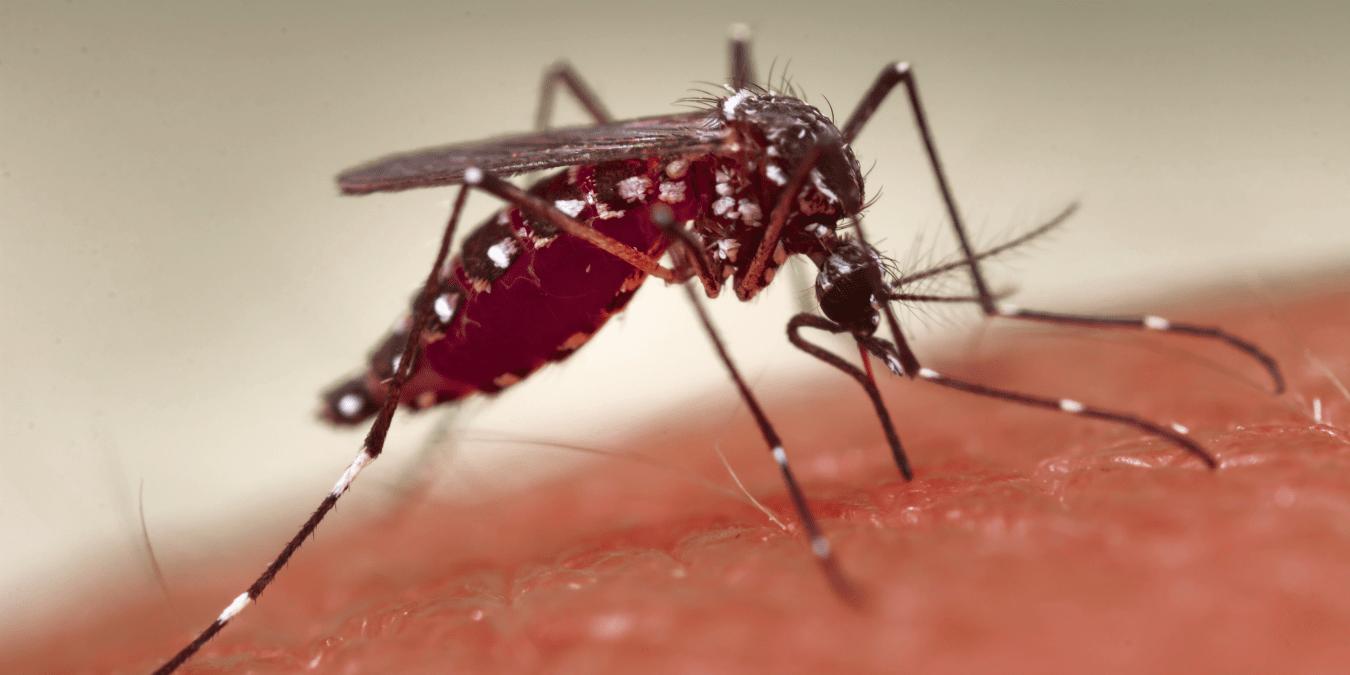
The mosquito that nearly ruined thousands of American vacations this spring isn’t lurking in jungles — it’s in resort gardens, hotel pools, and beachside cafes. The CDC just flagged these popular destinations, and most travelers have no idea. Is your next trip on the danger list? Find out now.
You booked the flights. You packed the sunscreen. You even downloaded the offline maps. But there is one thing millions of American travelers forget to research before their spring getaway — and it could turn a dream vacation into a medical emergency. The Aedes mosquito, the primary vector of dengue fever, is no longer confined to the remote jungle villages of Southeast Asia or the rural outskirts of Latin America. It is moving. Fast. And the CDC is paying close attention.
This spring, health officials across the United States are sounding alarms about dengue fever reaching levels not seen in decades. The Americas reported a record-shattering 9.7 million dengue cases in 2024, and 2026 is already showing troubling signs of another dangerous surge. For American travelers planning spring and summer getaways — whether to the Caribbean, Central America, Southeast Asia, or even popular European tourist hubs — understanding where the Aedes mosquito is thriving is no longer optional. It is essential.
This guide breaks down exactly which vacation destinations are now on the CDC’s dengue danger radar, why the Aedes mosquito is expanding its range at an alarming pace, and what every American traveler must do before boarding that next flight.
What Is Dengue Fever — and Why Should Americans Care?
Dengue fever is a viral illness transmitted primarily by the Aedes aegypti and Aedes albopictus mosquitoes. Unlike the Anopheles mosquito that spreads malaria, Aedes mosquitoes are aggressive daytime biters, thriving in urban environments — hotel gardens, resort pools, city streets — not just rural jungles. This is precisely why dengue has become such a threat to modern travelers.
The disease causes a sudden onset of high fever, severe headaches, pain behind the eyes, muscle and joint pain (earning it the nickname “breakbone fever”), nausea, and rash. While most cases are manageable, severe dengue — also called dengue hemorrhagic fever — can cause internal bleeding, organ failure, and death. There is no specific antiviral treatment approved for dengue. Management is supportive care only.
For Americans, the risk is compounding on two fronts. First, the Aedes mosquito’s geographic range is expanding northward into the continental United States due to warming temperatures. Second, travel to dengue-endemic regions has surged post-pandemic, dramatically increasing the number of imported cases being reported in US states. In 2024, the CDC tracked over 6,800 dengue cases in the US — a staggering number by historical standards — with locally acquired cases confirmed in California, Florida, and Texas. That trend is not slowing down in 2026.
Why the Aedes Mosquito Is Expanding Its Territory
Understanding the why behind this expansion is critical for every traveler. Several converging forces are at play.
Climate Change Is Opening New Doors
The Aedes aegypti mosquito requires warm, humid conditions to survive and reproduce. Historically, temperatures below 50 degrees Fahrenheit would kill or suppress mosquito populations. But rising global temperatures are extending the warm-season window in regions that were previously inhospitable to the species. Areas of southern Europe, parts of the American Southeast, and even mountain resort destinations in Latin America are now experiencing conditions favorable to Aedes year-round.
According to climate and health researchers, the geographic range of Aedes aegypti has expanded by over 20 percent globally in the past two decades. The mosquito has now established permanent populations in parts of Spain, Italy, southern France, and Portugal — countries that attract tens of millions of American tourists annually.
Urbanization Creates Perfect Breeding Grounds
The Aedes mosquito breeds in small, stagnant water sources — a discarded bottle cap, a flower pot, a clogged hotel balcony drain. The rapid urbanization of tropical and subtropical tourist destinations has inadvertently created ideal Aedes habitats. Bustling resort towns, crowded beachside cities, and popular island destinations often have the exact environmental conditions this mosquito needs to thrive: warmth, moisture, and an abundance of standing water in developed infrastructure.
Global Travel Itself Spreads the Virus
Here is a fact that surprises many travelers: dengue does not just spread because mosquitoes carry it from one person to another locally. Global air travel accelerates the spread in a different way. When an infected traveler returns home and is bitten by a local Aedes mosquito, that mosquito can then transmit the virus to other people in the area. This is precisely how locally acquired dengue cases appeared in Florida, California, and Texas — not because local mosquitoes traveled far, but because the virus arrived via infected returning travelers.
- Louisiana Vibrio Vulnificus Outbreak 2026 Explained: Who Faces the Greatest Risk in Gulf Coast Waters and How to Stay Safe

- 3 Midlife Habits Linked to Almost 13 More Dementia-Free Years, According to a 26-Year Study of 12,409 Adults

- Your Blood Pressure Reading Has a “Hidden Number” Doctors Say Most People Ignore

- AI Is Now Diagnosing Your Skin Before You Even Visit a Dermatologist — Here’s How the Beauty Industry Is Changing Everything in 2026

- The Side-Part Is Making the Most Unexpected Comeback in American Beauty History — And This Time, It’s Not Going Anywhere

- This Heat Protectant Spray From LolaVie Is Going Viral in the US — Stylists Say It Cuts Drying Time and Saves Your Blowout for Days

The CDC’s Dengue Danger Radar: Destinations to Watch This Spring
The CDC currently maintains active dengue travel notices and Level 1 or Level 2 alerts for dozens of countries. Here is a destination-by-destination breakdown of the regions on the CDC’s radar that are most relevant to American spring and summer travelers in 2026.
The Caribbean: A Perennial Hotspot Now More Dangerous Than Ever
The Caribbean has long been the most popular international destination for Americans. In 2024 and into 2026, dengue transmission is considered endemic across virtually every island in the region, including destinations that appear on millions of spring break and honeymoon itineraries.
Puerto Rico remains the most significant concern for mainland Americans. Because Puerto Rico is a US territory, travel data is tracked differently — the CDC has maintained enhanced dengue surveillance here for years. Puerto Rico regularly reports thousands of dengue cases annually, and because American travelers often do not think of Puerto Rico as a “foreign” health risk, they frequently arrive unprepared.
The Dominican Republic, one of the most visited Caribbean destinations by Americans, is on the CDC’s active monitoring list. With its bustling resort cities and urban tourist zones, dengue transmission is a year-round risk that intensifies during the spring rainy season.
Jamaica, Barbados, Trinidad and Tobago, and Cuba all carry active dengue transmission. Even high-end all-inclusive resorts in these destinations cannot fully protect guests from the Aedes mosquito, which thrives in the manicured garden settings that surround resort pools.
Central America: The Gateway Destinations Americans Love — and Overlook
Central America has seen explosive dengue growth in the past 18 months. For Americans who love adventure travel, eco-tourism, and budget-friendly getaways, these are high-stakes destinations.
Mexico is the number one international destination for Americans, and it carries significant dengue risk across multiple popular regions. The Yucatan Peninsula — home to Cancun, Playa del Carmen, Tulum, and the Riviera Maya — has seen consistent dengue transmission. Oaxaca, Puerto Vallarta, and Mexico City’s surrounding regions have also been flagged in recent CDC health notices. The surge in dengue cases across Mexico in 2024 was significant enough to prompt formal CDC guidance updates.
Costa Rica, beloved by American eco-travelers and adventure tourists, has seen dengue surges in its lowland coastal regions. Popular destinations like Tamarindo, Manuel Antonio, and the Caribbean coast near Puerto Viejo carry meaningful transmission risk during the spring and rainy seasons.
Belize, Guatemala, Honduras, and Nicaragua all sit within the dengue-endemic belt and are frequented by American travelers exploring Mayan ruins, island retreats, and adventure sports destinations. These countries have limited public health infrastructure compared to the United States, meaning that accessing dengue-related medical care during a trip could be challenging.
South America: Record-Breaking Outbreaks That Demand Attention
South America shattered dengue records in 2024, and the reverberations are still being felt in 2026.
Brazil experienced the single largest dengue outbreak in its recorded history in 2024, with millions of cases reported and a national public health emergency declared. While American tourism to Brazil is smaller in volume than Caribbean destinations, travelers heading to Rio de Janeiro, Sao Paulo, or Salvador for cultural or sports tourism are entering one of the most active dengue zones on earth.
Colombia — increasingly popular with American travelers for its vibrant cities, coffee region tours, and Caribbean coast — has dengue transmission across its lowland and coastal regions. Cartagena, Santa Marta, and the Magdalena Valley all carry active risk.
Peru is a top destination for American travelers visiting Machu Picchu and the Amazon basin. While Machu Picchu itself sits at high altitude (reducing mosquito risk), travel through the jungle regions, including Iquitos and the Amazon River tributaries, carries high dengue exposure. Many travelers combine Machu Picchu with Amazon rainforest experiences, unknowingly moving through high-risk zones.
Bolivia, Ecuador, Paraguay, and Venezuela have also reported significant dengue transmission, with the CDC flagging Bolivia and Suriname in recent 2026 advisories as areas of particularly elevated concern.
Southeast Asia: The Classic High-Risk Corridor
Southeast Asia has been a dengue hotspot for decades, and it remains the highest-risk region globally for American travelers visiting the area.
Thailand is one of the most popular Southeast Asian destinations for Americans, and dengue transmission occurs year-round, peaking during the monsoon season (May through September). Popular destinations including Bangkok, Chiang Mai, Phuket, and Koh Samui all carry risk. Aedes mosquitoes in Thailand bite predominantly during the day — meaning even a quick outdoor breakfast on a hotel terrace carries exposure risk.
Indonesia, including Bali — the crown jewel of American traveler wish lists in the region — has consistent, year-round dengue transmission. Bali’s rice terraces, jungle retreats, and outdoor dining experiences are beautiful, but they exist in exactly the kind of warm, humid, vegetation-rich environment where Aedes mosquitoes thrive.
The Philippines, Vietnam, Cambodia, Laos, and Malaysia all maintain active dengue transmission throughout the year. Americans doing multi-country Southeast Asia itineraries — a very popular travel format — are moving through sustained dengue exposure for the full duration of their trip.
A Surprising Entry: Southern Europe
This one catches most American travelers completely off guard. Southern Europe — the continent Americans associate with safety, world-class healthcare, and low tropical disease risk — is now on the dengue radar.
Spain, Italy, France, and Portugal have all confirmed local dengue transmission events in recent years, driven by the established Aedes albopictus (tiger mosquito) population that has settled across the Mediterranean basin. While transmission risk in Europe remains far lower than in the Americas or Southeast Asia, the CDC has acknowledged this emerging threat as a trend worth monitoring. For Americans visiting Barcelona, Rome, the French Riviera, or Lisbon, awareness — even at a low-risk level — is now appropriate.
Who Is Most at Risk Among American Travelers?
Not all American travelers face equal dengue risk. Certain profiles significantly elevate exposure.
- Adventure and eco-travelers who spend extended time outdoors in tropical settings, particularly during dawn and dusk hours
- Backpackers and budget travelers staying in hostels, guesthouses, or open-air accommodations without air conditioning or window screens
- Travelers visiting friends and relatives (VFR travelers), particularly those with family in Latin America, the Caribbean, or Southeast Asia — this group consistently has the highest rates of travel-acquired dengue
- Pregnant women, for whom dengue carries heightened risks including preterm birth and vertical transmission to the fetus
- People with previous dengue infection, who face a higher risk of severe dengue upon a second infection with a different dengue serotype
- Older adults and immunocompromised individuals, who are more likely to experience severe clinical outcomes
What Every American Traveler Must Do Before Departure
The good news is that dengue is a preventable disease. The tools available to American travelers are effective — they just require deliberate action before and during the trip.
Step 1: Visit a Travel Health Clinic Before You Go
The CDC strongly recommends that all international travelers visit a travel health clinic or their primary care physician at least 4 to 6 weeks before departure. Travel medicine specialists can assess your specific destination risk, update any relevant vaccinations, and provide personalized guidance for dengue prevention.
A dengue vaccine — Dengvaxia — is FDA-approved in the United States, but it is only indicated for individuals aged 9 to 45 who live in endemic areas and have laboratory-confirmed prior dengue infection. It is not routinely recommended for most American travelers. A newer vaccine, TAK-003 (Qdenga), is approved in several countries and may be discussed with your travel health provider depending on your specific risk profile. Ask your doctor explicitly about your options.
Step 2: Use EPA-Registered Insect Repellents
The single most effective preventive tool against dengue for travelers is an EPA-registered insect repellent containing DEET, picaridin, IR3535, or oil of lemon eucalyptus. The CDC recommends at least 20 to 30 percent DEET concentration for high-risk tropical destinations. Apply repellent to all exposed skin every time you go outdoors — not just in the morning.
Critically, remember that Aedes mosquitoes bite during the day, not just at dawn and dusk like malaria-carrying mosquitoes. Do not let your guard down during midday sightseeing, outdoor lunches, or poolside relaxation.
Step 3: Wear Protective Clothing
Wearing long-sleeved shirts and long pants treated with permethrin significantly reduces mosquito bite exposure. This is especially important for travelers in jungle, eco-tourism, or outdoor adventure settings. Permethrin-treated clothing remains effective through multiple washes.
Step 4: Choose Accommodations With Mosquito Barriers
When booking, prioritize accommodations with air conditioning or window and door screens. Request rooms on higher floors, where mosquito density is typically lower. Avoid rooms near standing water features, dense vegetation, or open-air ground-floor areas. If staying in budget accommodations, sleep under a permethrin-treated bed net.
Step 5: Know the Symptoms — and Act Fast
If you develop a sudden high fever, severe headache, pain behind the eyes, muscle and joint pain, or a rash within two weeks of returning from a dengue-risk destination, seek medical care immediately. Tell your healthcare provider where you traveled. Early supportive treatment — hydration, rest, fever management with acetaminophen (never ibuprofen or aspirin, which can worsen bleeding) — improves outcomes significantly.
Step 6: Prevent Local Transmission After You Return
This step is one that most travelers never think about, but the CDC explicitly recommends it: for three weeks after returning from a dengue-risk area, take steps to prevent mosquito bites at home. This prevents the theoretical scenario where a local Aedes mosquito bites you, picks up the dengue virus, and then transmits it to someone else in your community. Use repellent, avoid outdoor exposure during peak mosquito hours, and eliminate standing water around your home.
The Bigger Picture: Why This Matters for America
The expansion of Aedes mosquito territory is not a distant, abstract public health concern. It is a present-day reality unfolding in American backyards and vacation itineraries simultaneously. Climate projections suggest that by 2050, over 2.25 billion additional people globally will live within the Aedes aegypti range — including populations across the American South and Southeast.
For Americans, this means that travel health awareness for dengue is transitioning from a niche concern for tropical adventure seekers into a mainstream public health issue affecting anyone who travels internationally, or even domestically to certain warm-climate regions. The CDC, the World Health Organization, and travel medicine specialists are unanimous in their call for greater awareness, better pre-travel preparation, and more proactive use of the prevention tools that are already available.
Your spring trip does not need to be cancelled. It does not need to be feared. But it does need to be planned with the knowledge that the Aedes mosquito has quietly expanded its reach into places that were once considered safe — and that your best protection is information, preparation, and action taken before you ever leave home.
This article is for informational purposes only and does not constitute medical advice. Please consult a licensed healthcare provider or travel medicine specialist for personalized guidance before international travel.

Omisha is a health writer passionate about turning complex medical research into clear, actionable content readers can trust. She covers everything from nutrition and mental wellness to chronic disease management, always grounding her work in credible science and real-world relevance. When she's not writing, she's usually reading up on the latest health studies or exploring new wellness trends to write about next.