Drunk on an empty stomach? Think again—shocking foods that secretly SPIKE your buzz & trigger brutal hangovers. Discover the U.S. nutritionist’s forbidden list + genius meals that let you sip ALL night without regret. Your wild Friday’s game-changer awaits…
Why What You Eat Before Drinking Really Matters
It’s Friday night in America. The workweek’s over, your friends are texting, and that much-deserved happy hour or dinner gathering awaits. But before you reach for your first margarita, beer, or glass of wine, here’s a fact most people ignore: what you eat before you start drinking dramatically affects how you feel later that night—and the next morning.
From your liver’s workload to your hydration levels and blood sugar stability, pre-drinking nutrition plays a surprisingly powerful role in how your body handles alcohol. The right foods can slow down alcohol absorption, support metabolism, and reduce hangover severity. The wrong foods—or skipping meals altogether—can make you dizzy, dehydrated, and exhausted.
In this guide, we’ll explore the best foods to eat before drinking alcohol, backed by nutrition science, and geared toward the U.S. lifestyle—think barbecues, tailgates, game nights, brunches, and rooftop nights out. You’ll also learn meal ideas, hydration strategies, and the dos and don’ts according to dietitians and real-world experience.
Understanding Alcohol Metabolism: Why Food Makes Such a Big Difference
When you sip alcohol, it doesn’t stay in your stomach long. Most of it passes into your small intestine, where it’s absorbed into your bloodstream. From there, it travels to your liver—the body’s detox center—where enzymes like alcohol dehydrogenase (ADH) and aldehyde dehydrogenase (ALDH) begin processing and breaking it down.
If your stomach is empty, this process happens fast, leading to a rapid rise in blood alcohol concentration (BAC). That’s why people often feel tipsy more quickly when they drink on an empty stomach. Food acts like a natural speed bump—it slows the absorption rate, giving your liver more time to process alcohol and reducing peak BAC levels.
Research published in the Journal of Clinical Pharmacology shows that eating before drinking can lower BAC by up to 40%. That means less intoxication, fewer side effects, and less strain on your body.
- Why Consistent Meal Timing Matters for Your Health: The Science Behind Eating on Schedule
- Nothing Kills Faster Than Your Own Mind: How to Stop Stressing Over Things You Can’t Control

- What Causes Male Pattern Baldness? Uncover the Science Behind Hair Loss

- Stop Baldness Naturally: Must-Have Products for Hair Density and Shine – Without Any Side Effects?

- Unlocking the Hidden Truth About Cholesterol: What Your Doctor Isn’t Telling You!
- What Your Diet Is Missing: Surprising Kidney Stone Triggers in 2025
What You Should Eat Before Drinking: The Key Nutritional Elements
The “best” pre-drinking foods aren’t a one-size-fits-all formula—they depend on your tolerance, health, and the type of evening you’re planning. But most experts agree that these three nutrients are essential:
1. Protein
Protein slows digestion and stabilizes blood sugar. It also helps buffer alcohol’s quick entry into your bloodstream. Great protein options include eggs, chicken, turkey, Greek yogurt, salmon, or tofu.
2. Healthy Fats
Good fats form a protective layer in your stomach, further slowing alcohol absorption. Think of them as “time-release” nutrients that moderate the speed at which alcohol hits your system. Choose avocado, nuts, seeds, olive oil, or fatty fish like salmon.
3. Complex Carbohydrates
Fiber-rich carbs (whole grains, brown rice, oats, sweet potatoes) help sustain energy levels and replenish glycogen—your body’s stored glucose. Alcohol impairs your liver’s ability to maintain blood sugar, so carbs prevent that mid-drink crash or “hangry” feeling.
The 10 Best Foods to Eat Before Drinking Alcohol
Let’s dive into specific U.S.-friendly foods that nutritionists recommend eating before a night out. Each has a unique benefit for your body and contributes to smoother drinking and easier recovery.
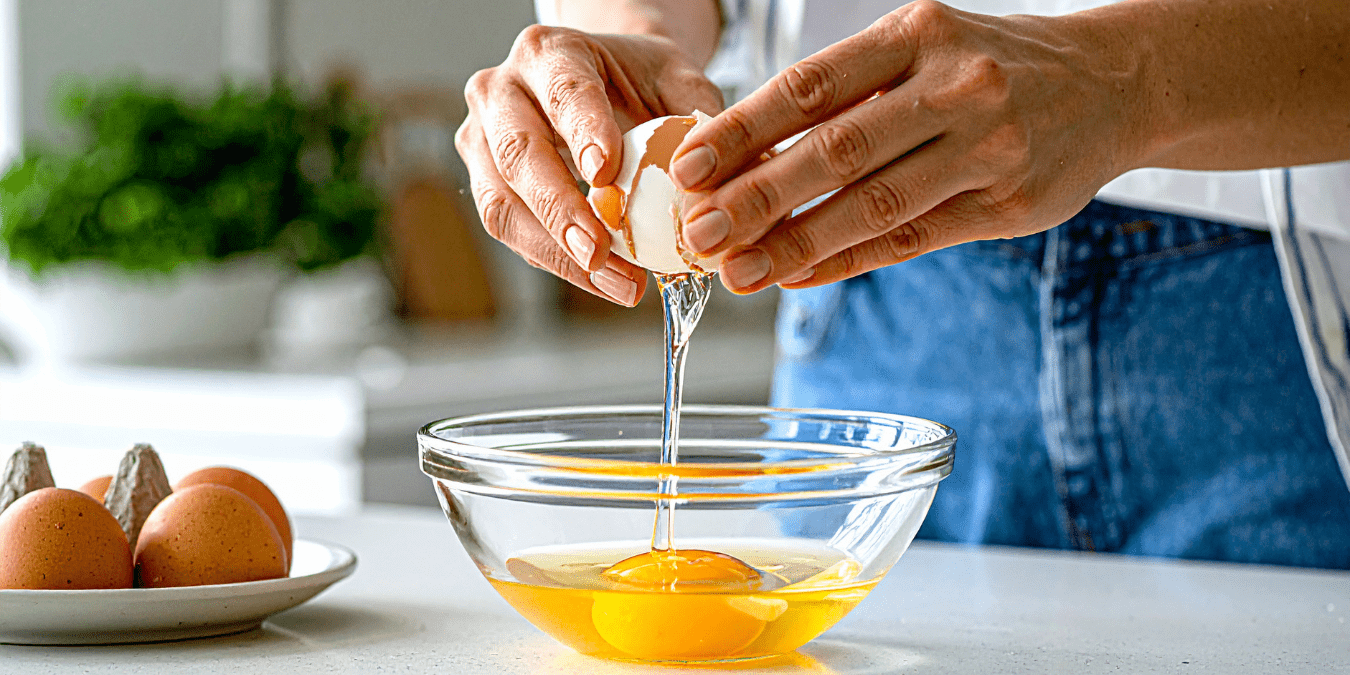
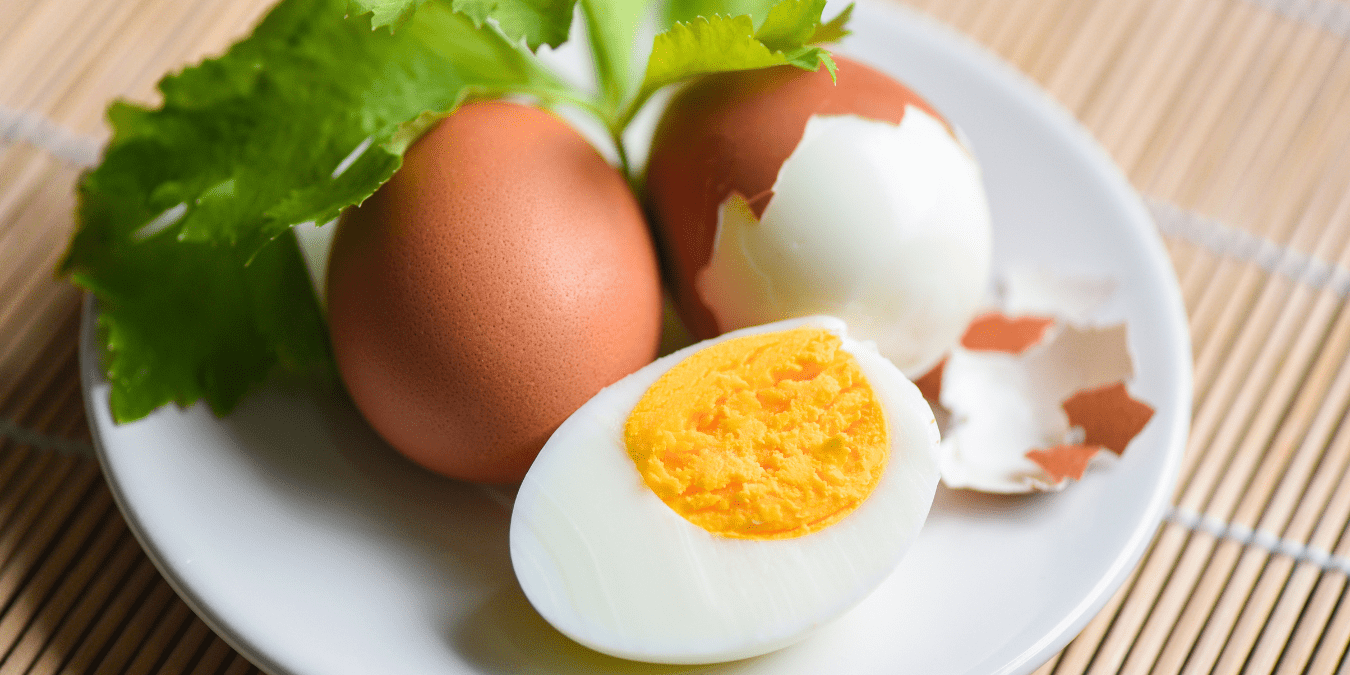
1. Eggs
Eggs are rich in complete protein and choline—a nutrient that supports liver function. A scrambled egg sandwich or veggie-stuffed omelet is an ideal pre-drinking meal.
2. Avocado Toast
A modern American favorite—and perfect pre-game food—avocado toast on whole-grain bread provides healthy fats, fiber, and complex carbs for sustained energy. Sprinkle chia seeds or add an egg on top for extra staying power.
3. Greek Yogurt with Fruit
Protein-packed and probiotic-rich, Greek yogurt delivers lasting nutrition without feeling heavy. Add some berries or sliced banana for natural sweetness and electrolytes.
4. Salmon Bowl
Salmon is high in omega-3 fats and B vitamins that support liver health and brain function. Pair with quinoa, avocado, and veggies for a balanced pre-drinking dinner.
5. Whole-Grain Pasta or Brown Rice Bowl
Think chicken and veggie stir-fry, or a light pasta with olive oil, spinach, and grilled shrimp. This combo balances complex carbs, lean protein, and fat—ideal for steady metabolism.
6. Hummus and Veggies or Pita
Chickpeas provide plant protein, fiber, and slow-release energy. Add some olive oil and veggies for a Mediterranean-inspired snack that supports hydration and digestion.
7. Sweet Potatoes
Loaded with complex carbs, potassium, and vitamin A, sweet potatoes stabilize your energy while supplying electrolytes. Great baked or mashed, with a drizzle of olive oil.
8. Bananas
A quick pre-bar option. Bananas supply potassium and magnesium—two electrolytes that alcohol tends to deplete. Eat one with peanut butter for extra fat and protein.
9. Nuts and Seeds
If you’re rushing out the door, grab a small handful of almonds, walnuts, or pumpkin seeds. These fats and proteins reduce blood alcohol spikes.
10. Lean Meats or Protein Wraps
Grilled chicken or turkey wraps (add avocado or hummus) are balanced, portable, and satisfying. They won’t overload your stomach, but they’ll protect it from alcohol’s hit.
Foods to Avoid Before Drinking
Not all meals are created equal before a night of drinking. Certain foods can amplify alcohol’s side effects like dehydration, bloating, acid reflux, and blood sugar crashes, turning a fun evening into misery.
- Salty Snacks (Chips, Fries, Popcorn, Pretzels)
High-sodium treats like potato chips or french fries kickstart dehydration before alcohol even enters the picture. Alcohol is a diuretic, so extra salt worsens fluid loss, bloating, and next-day headaches. Skip them for water-rich alternatives like cucumber. - Spicy Foods (Hot Wings, Chili, Curries)
Spicy dishes irritate your stomach lining, and alcohol relaxes the esophageal sphincter, inviting heartburn or acid reflux. If you have GERD, this combo is a recipe for discomfort—opt for mild flavors instead. - Sugary Treats and Refined Carbs (Candy, Soda, White Bread, Pastries)
These cause rapid blood sugar spikes and crashes, making you feel shaky mid-drink and prone to overeating later. They digest too quickly, speeding alcohol absorption for a harder hit. Choose complex carbs like oats. - Greasy or Fried Fast Food (Pizza, Burgers, Greasy Fries)
Myth says grease “lines the stomach,” but it burdens digestion, promotes nausea, and pairs poorly with alcohol’s slowdown of stomach emptying. Fatty pizza with marinara sauce exacerbates reflux. Go lean instead. - Carbonated Drinks and Caffeine (Soda, Energy Drinks, Coffee)
Fizz accelerates alcohol into your bloodstream, while caffeine dehydrates further. Both lead to bloating and intensified effects—stick to still water. - Other Offenders: Chocolate, Dairy, Sushi with Soy
Chocolate and tomatoes trigger reflux; creamy dairy slows alcohol processing uncomfortably; soy sauce adds hidden salt.
Steer clear of these to feel better tomorrow—focus on protein, fats, and hydration for a smoother night.
Hydration: The Silent Player in Drinking Smart
Even the best pre-drinking meal won’t save you if you’re dehydrated. Alcohol acts as a diuretic by suppressing vasopressin (antidiuretic hormone), which normally signals your kidneys to retain water. This leads to increased urine production, frequent bathroom trips, electrolyte imbalances like low sodium and potassium, and heightened hangover symptoms such as headaches and fatigue.
Before drinking, hydrate strategically to counteract these effects and maintain steady blood alcohol levels.
Key Hydration Strategies
- Pre-Load with Water: Drink 16–24 ounces (about 0.5–0.7 liters) of water 1–2 hours before your first drink. This replenishes fluids and dilutes alcohol in your stomach for slower absorption.
- Boost Electrolytes: Add electrolytes via coconut water, sports drinks (like Gatorade), or tabs/powders. These restore sodium, potassium, and magnesium that alcohol depletes, preventing cramps and dizziness.
- Alternate Beverages: Sip a full glass of water between every alcoholic drink at the bar or party. This simple habit can cut dehydration by half and reduce next-day misery.
- Timing Matters: Start hydrating mid-afternoon for evening plans—don’t chug right before, as it may cause discomfort.
What to Avoid
Skip caffeinated drinks like coffee, energy drinks (Red Bull), or excessive soda. Caffeine is another diuretic that compounds alcohol’s effects, worsening dehydration and jitteriness.
Pro Tips for U.S. Nights Out
At tailgates or happy hours, carry a reusable bottle. For brunches, pair mimosas with electrolyte-infused sparkling water. Studies show proper hydration lowers blood alcohol concentration peaks by up to 20%, helping you stay sharp.
Master this, and you’ll drink smarter—feeling energized tomorrow instead of wrecked
Meal Timing: When to Eat Before You Drink
Timing matters almost as much as what you eat before drinking. The right schedule allows partial digestion, creating a protective stomach lining that slows alcohol absorption into your bloodstream. This gives your liver more time to metabolize it safely, reducing peak intoxication and side effects like dizziness or rapid BAC spikes.
Optimal Pre-Drinking Schedule
- 1–2 Hours Before: Balanced Meal
Eat a full meal with protein (chicken, eggs), healthy fats (avocado, nuts), and complex carbs (quinoa, sweet potatoes). This combo stabilizes blood sugar and forms a gastric buffer. Studies show it can lower peak BAC by 20–40%, preventing quick tipsiness. Example: Salmon bowl or turkey wrap. - 30–60 Minutes Before: Light Snack
If dinner was hours ago or you’re short on time, grab nuts, a banana with peanut butter, Greek yogurt, or cheese. These provide quick protein and fats without heaviness, bridging to your drinks. Avoid overeating here to prevent bloating. - During Drinking: Smart Nibbles
Stay hydrated with water between drinks, skip sugary mixers (soda, juice bombs), and munch on tapas, appetizers, or bar nuts. Light bites like olives or veggie sticks maintain energy without overloading digestion.
Skipping meals entirely speeds alcohol emptying from the stomach—leading to faster intoxication, blood sugar crashes, and next-day grogginess from glycogen depletion. Empty-stomach drinking raises hangover risk by impairing electrolyte balance.
For U.S. nights out like happy hours or tailgates, plan ahead: brunch at noon for evening beers, or a 5 PM snack before 7 PM cocktails. Consistency turns potential regret into a smoother, enjoyable evening—your body processes alcohol 30% more efficiently with proper timing.
Sample Pre-Drinking Meal Plans (U.S. Edition)
These meal ideas draw from familiar American eating habits and cultural favorites like happy hours, brunches, tailgates, and quick bar runs. Each combines protein, healthy fats, and complex carbs for optimal alcohol buffering, while emphasizing hydration. Tailor them to your schedule for smoother evenings.
1. Friday Happy Hour Combo
- Grilled chicken bowl with brown rice, black beans, veggies, and avocado.
Protein from chicken stabilizes blood sugar; avocado fats slow absorption; rice and beans add fiber-rich carbs. - Sparkling water or light smoothie to pre-hydrate without calories.
- Optional 30-min snack: Banana or almonds for potassium and extra fats.
Perfect for after-work drinks in cities like NYC or Chicago—eat by 5 PM for 7 PM happy hour.
2. Weekend Brunch Prep
- Scrambled eggs with spinach and whole-wheat toast.
Eggs provide choline for liver support; spinach offers electrolytes; toast delivers steady carbs. - Side of fruit (berries or orange slices) for antioxidants and vitamin C.
- Hydrate with a tall glass of water or coconut water.
Ideal for mimosa-fueled Sundays in LA or Miami—brunch at noon sets you up for afternoon sipping.
3. Game Day Spread
- Turkey and hummus wraps with whole-grain tortillas.
Lean turkey for protein; hummus adds plant fats and fiber. - Veggie platter with hummus dip (carrots, celery, cucumbers).
- Roasted sweet potato wedges on the side for potassium-packed carbs.
Tailgate-ready for NFL Sundays or college football—fuel up pre-kickoff to enjoy beers responsibly.
4. “Running Late Before the Bar” Snack
- Greek yogurt with a drizzle of honey and walnuts.
High-protein yogurt sustains energy; walnuts supply omega-3 fats. - Banana for quick electrolytes.
- 1 glass of water to kickstart hydration.
A 10-minute fix for spontaneous nights out anywhere from Texas bars to Seattle pubs.
These plans (under 600 calories each) promote balance, reducing BAC spikes by up to 30%. Experiment to find your favorites.
The Science of Alcohol and Food Pairing
Your pre-drink nutrition doesn’t just affect how you feel—it can enhance or dampen alcohol’s flavor experience. Fats and proteins coat the tongue and palate, altering taste bud perception and reducing bitterness while amplifying sweetness and body in drinks like IPAs or red wines. Studies from Cornell University’s Food Science Department confirm that these macronutrients modulate how we sense alcohol’s astringency and mouthfeel.
How Food Shapes Taste
Protein binds to bitter compounds in alcohol (like polyphenols in wine), making sips smoother. Healthy fats create a creamy texture contrast, enhancing fruity notes in cocktails. Complex carbs provide a neutral base, preventing overwhelming flavors that clash with beer hops or spirit sharpness. This synergy elevates enjoyment without rapid intoxication.
American Drinking Culture Pairings
U.S. favorites thrive on smart matches:
- Wine and cheese: Soft cheeses’ fats mellow tannins in Cabernet; hard cheeses add umami to Chardonnay.
- Beer and nachos: Pretzels or nuts cut malt sweetness; avoid heavy grease to preserve crispness.
- Cocktails and charcuterie: Salami’s salt balances Old Fashioned bitters; olives complement gin’s botanicals.
Before the main event, prioritize functional foods—avocado toast or salmon—over flashy appetizers. These protect your stomach first, letting you savor pairings consciously later. Research shows pre-eating stabilizes gastric emptying, so flavors hit receptors evenly.
Pre-Drinking vs. Pairing Strategy
Start with balanced meals (protein + fat + carbs) 1–2 hours prior. Once protected, transition to tasting: fatty apps temper high-proof spirits, while carbs refresh the palate between beers. Poor choices like sugar overload bitterness; science favors moderation for peak sensory pleasure.
The dreaded hangover stems from dehydration, inflammation, low blood sugar, and the toxic buildup of acetaldehyde—a byproduct of alcohol metabolism. Eating beforehand doesn’t eliminate hangovers, but it can make them much milder by buffering alcohol’s impact and supporting recovery processes.
Mechanisms at Work
- Protein improves blood sugar regulation. Lean meats, eggs, or yogurt prevent hypoglycemia crashes that cause headaches and shakiness. Alcohol inhibits gluconeogenesis in the liver, so steady protein intake maintains stable glucose levels overnight.
- Fats slow down alcohol absorption. Avocado, nuts, or olive oil create a gastric barrier, reducing peak blood alcohol concentration (BAC) by 20–40%. This eases the liver’s workload and limits acetaldehyde spikes.
- Complex carbs restore glycogen. Oats, sweet potatoes, or quinoa replenish liver stores depleted by alcohol, averting fatigue and brain fog. Empty glycogen leads to that “wrecked” feeling.
- Electrolytes ensure hydration balance. Bananas, spinach, or coconut water supply potassium, sodium, and magnesium—countering alcohol’s diuretic effects for fewer cramps and less dizziness.
- Antioxidants reduce inflammation. Fruits, veggies, and omega-3s (like in salmon) neutralize free radicals from ethanol breakdown, curbing nausea and oxidative stress.
That’s why a salmon-and-quinoa bowl with a side of fruit outperforms fries or plain toast: it hits all markers for metabolic support and anti-inflammatory protection. Fries add empty calories and salt, worsening dehydration; toast lacks fats and electrolytes.
Pro Tips from U.S. Nutrition Experts
Registered dietitians emphasize balance and hydration above all else. Here’s advice drawn from American nutrition professionals to optimize your pre-drinking routine.
Lauren Harris-Pincus, RDN
“Think Mediterranean-style before you drink—lean proteins, olive oil, and vegetables do your liver a favor.”
This approach prioritizes anti-inflammatory foods like grilled fish, salads with olive oil, and nuts, which support detoxification and slow alcohol uptake for fewer side effects.
Maya Feller, MS, RD
“Avoid fasting or keto-style eating before alcohol. You’ll hit harder and faster when your glycogen is low.”
Low-carb states deplete energy reserves, accelerating intoxication and crashes. Opt for balanced carbs like sweet potatoes to maintain steady blood sugar during drinks.
Harvard Health Publishing
“Alcohol tolerance isn’t about practice—it’s about preparation. Eating beforehand reduces alcohol’s toxic impact by moderating absorption.”
Strategic meals cut peak blood alcohol levels significantly, easing liver strain and hangover risks through timed protein-fat-carb combos.
Additional Expert Insights
- Amy Shapiro, MS, RD (NYC Nutritionist): “Pair water with every drink—electrolytes from bananas or coconut water prevent the dehydration spiral.”
- Toby Amidor, MS, RD (Author, Food Network Contributor): “Focus on fatty fish like salmon; omega-3s combat inflammation from acetaldehyde buildup.”
These tips align with U.S. lifestyles—from East Coast brunches to West Coast happy hours—proving preparation beats recovery every time. Integrate them for smarter sipping and energized mornings.
Bonus Section: Pre-Drinking Nutrition for Specific Scenarios
Tailor your pre-drinking meals to your diet or evening plans for maximum protection against alcohol’s effects. These strategies ensure balanced nutrition—protein, fats, and carbs—while fitting U.S. lifestyles like quick dinners or late nights out.
If You’re on a Low-Carb or Keto Diet
Focus on proteins and fats: grilled fish like salmon, avocado slices, eggs, or cheese plates with olives.
These create a strong gastric barrier, slowing alcohol absorption despite low glycogen stores.
Caution: Alcohol may hit harder due to depleted carbs—hydrate extra and eat 1–2 hours early. Example: Keto salmon-avocado roll-up for tailgates.
If You’re Vegan or Vegetarian
Opt for lentil bowls, tofu stir-fry with veggies, or chia pudding topped with nuts.
Plant-based proteins (lentils, tofu) pair with fiber-rich carbs and fats for steady energy and digestion. Antioxidants from greens combat inflammation.
U.S. twist: Chipotle-style tofu bowl or hummus-veggie wrap—perfect for LA vegan brunches.
If You Plan a Long Night Out
Eat a balanced meal early (e.g., chicken-quinoa salad by 6 PM), then snack later (nuts, pretzels, or fruit) to refuel between drinks and prevent sugar crashes.
Midnight bites maintain blood sugar without bloating; alternate with water.
Game plan: Start with game-day turkey wrap, nibble almonds at the bar—ideal for NYC rooftops or Vegas clubs.
These adaptations keep you steady through extended happy hours or parties. Low-carb folks: add electrolytes; vegans: prioritize beans; long-haul: time snacks every 2 hours. Smart prep means enjoying the night fully, hangover-free.
The Bottom Line: Eat Smart, Sip Responsibly
At the end of the day, drinking smarter starts before you even pour the first glass. The best foods to eat before drinking alcohol combine protein, healthy fats, and complex carbs—providing sustained energy, liver support, and a smoother ride through your evening.
This trifecta slows alcohol absorption, stabilizes blood sugar, and equips your body to handle ethanol metabolism without extreme peaks or crashes.
Simple Mantra for Success
Think of it this way:
Eat first, drink slow, hydrate always.
- Eat first: A balanced meal 1–2 hours prior buffers your stomach.
- Drink slow: Savor sips to match your liver’s processing pace.
- Hydrate always: Water between drinks counters dehydration.
You’ll feel better, think clearer, and wake up more refreshed—ready for work, workouts, or weekend plans.
U.S. Nights Out, Done Right
Next time you’re heading out in Denver (craft beer trails), Miami (rooftop cocktails), Chicago (deep-dish happy hours), or LA (brunch-to-bar hops), make your pre-drinking meal as intentional as your drink choice. Swap fries for avocado toast; chug water before wine. Your body—and your next morning—will thank you.
From tailgates to tastings, this approach turns potential regrets into enjoyable evenings. Prep like a pro, sip responsibly, thrive tomorrow.

Omisha is a health writer passionate about turning complex medical research into clear, actionable content readers can trust. She covers everything from nutrition and mental wellness to chronic disease management, always grounding her work in credible science and real-world relevance. When she's not writing, she's usually reading up on the latest health studies or exploring new wellness trends to write about next.