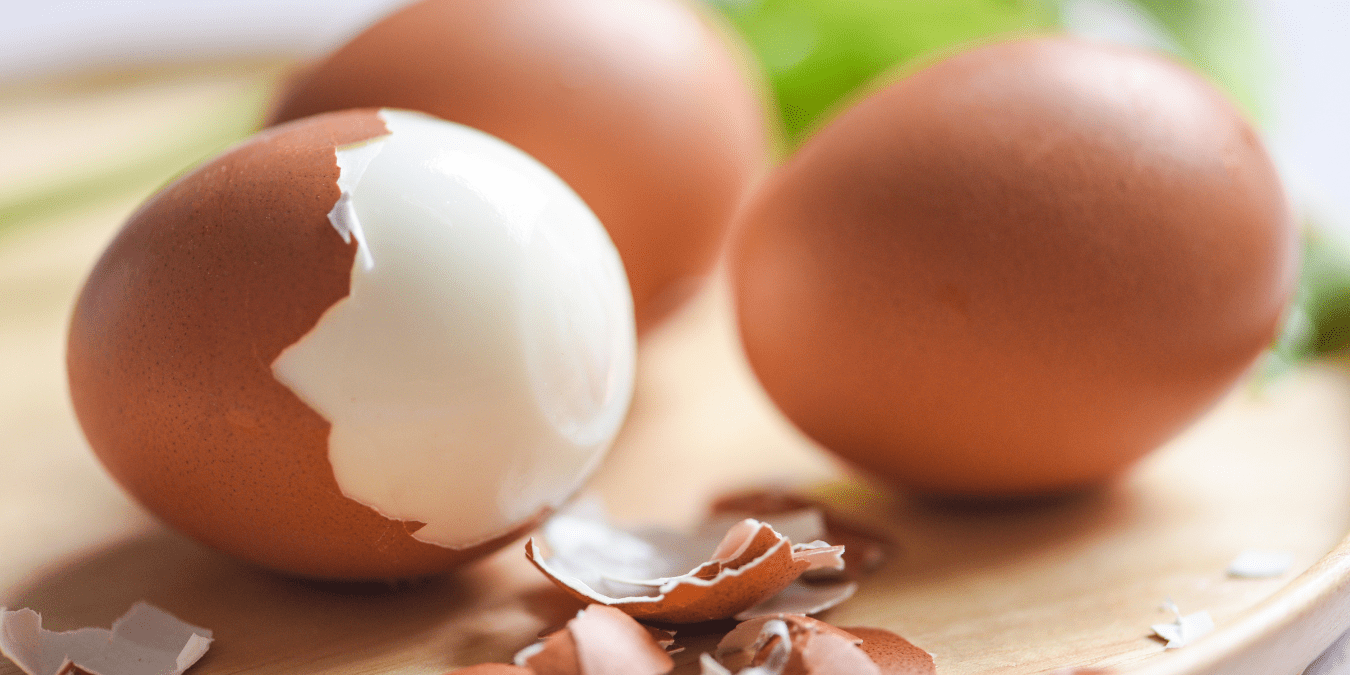
Ever ordered late-night wings after shots, only to wake up with a pounding head and Sahara-dry mouth? Shocking truth: Salt doesn’t cure hangovers—it supercharges them. Uncover the sneaky science of dehydration double-whammy, why your fave bar snacks betray you, and the 1:1 hack slashing misery by 50%. Your mornings depend on this.
Alcohol already leaves you slightly dehydrated, inflamed, and low on electrolytes; when you add a big dose of salt on top of that, you pull even more water out of your cells, disturb fluid balance, and can end up with a worse headache, more thirst, and higher blood pressure the next morning. In a U.S. context—where salty bar food, fast food, and frozen meals are common “drunk food” and hangover staples—this combo can easily push sodium and dehydration to the point that your hangover feels significantly more intense.
Because I currently don’t have live access to my usual medical and nutrition databases, I’ll walk you through the physiology using general, well‑accepted mechanisms (dehydration, electrolyte balance, blood pressure, and gut irritation), and then translate it into practical, U.S.-specific advice you can actually use the next time you drink.
How hangovers work (before salt enters the picture)
Alcohol sets the stage for a rough morning in a few predictable ways:
- It blocks vasopressin (antidiuretic hormone), so your kidneys let more water go, you pee more, and you become relatively dehydrated.
- It irritates the stomach lining and changes gut motility, which is why nausea and diarrhea are common after heavy drinking.
- It promotes inflammation and oxidative stress in the brain and body, contributing to headache, brain fog, and fatigue.
- It can temporarily disturb blood sugar, making you feel shaky, ravenous, or wiped out.
A classic hangover—headache, dry mouth, light sensitivity, irritability, fatigue—is partly a dehydration problem and partly an inflammatory, metabolic, and gastrointestinal problem.
Now layer a very salty meal on top of that and you amplify several of those mechanisms.
What salt does in your body
Salt (sodium chloride) is essential for:
- Maintaining fluid balance between blood, cells, and tissues.
- Nerve impulses and muscle contraction.
- Blood pressure regulation.
But the American diet is already high in sodium—often 3,400 mg or more per day, versus the 2,300 mg upper limit most guidelines recommend. A single restaurant meal (pizza, wings, fries, ramen, fast food) can easily hit or exceed that number.
When you take in a big sodium load at once:
- Sodium levels in your blood rise.
- Your body pulls water from cells into the bloodstream to dilute that sodium.
- That can increase urine output and leave cells relatively dehydrated if you don’t drink enough water.
On its own, that “salt hangover” can feel like: headache, intense thirst, puffy face and fingers, and sometimes a bit of brain fog. Put that on top of an alcohol hangover and you get a double hit.
- Why Consistent Meal Timing Matters for Your Health: The Science Behind Eating on Schedule
- Nothing Kills Faster Than Your Own Mind: How to Stop Stressing Over Things You Can’t Control

- What Causes Male Pattern Baldness? Uncover the Science Behind Hair Loss

- Stop Baldness Naturally: Must-Have Products for Hair Density and Shine – Without Any Side Effects?

- Unlocking the Hidden Truth About Cholesterol: What Your Doctor Isn’t Telling You!
- What Your Diet Is Missing: Surprising Kidney Stone Triggers in 2025
Why salty foods can worsen hangovers
1. Extra dehydration on top of alcohol’s diuretic effect
Alcohol already makes you lose more fluid than you drink. A big salty meal—before, during, or after drinking—adds another dehydration driver:
- High sodium draws water from cells into your blood, which can trigger more urine production.
- If you’re not matching that with water and electrolytes (not just more salt), you wake up even more dehydrated.
That extra dehydration can:
- Intensify headaches and light sensitivity.
- Make dizziness and fatigue worse.
- Increase that dry‑mouth, “cotton mouth” feeling and extreme thirst.
U.S. bar culture makes this very easy: wings with salty sauces, fries, nachos, pizza slices, and heavily salted nuts are standard bar snacks, often paired with beer and cocktails, then followed by fast food on the way home. Each of those adds several hundred to over a thousand milligrams of sodium, compounding the fluid loss that alcohol already started.
2. Blood pressure and “pounding” headaches
Sodium intake is strongly linked with higher blood pressure in many people. If you’re salt‑sensitive (which is more common in people with hypertension, kidney issues, diabetes, and in older adults), a big salt hit can temporarily bump blood pressure even higher.
When you’re hungover, you may already have:
- Dilated blood vessels in the brain.
- Changes in blood pressure from alcohol, dehydration, and poor sleep.
Add a salty meal, and you may experience:
- A more intense “pounding” headache.
- Flushing or feeling hot.
- More sensitivity to movement or standing up quickly.
For Americans who already run borderline high blood pressure—and that’s a large chunk of the population—this salt‑plus‑alcohol combination can be especially rough the next morning.
3. Worsening “salt hangover” symptoms that mimic alcohol hangovers
Even without alcohol, a heavy sodium load can cause what some doctors and health writers call a “salt hangover.”—headache, puffiness, fatigue, and intense thirst, driven primarily by dehydration and fluid shifts.
Those symptoms overlap almost perfectly with what people call an alcohol hangover:
- Headache
- Foggy thinking
- Puffy face and eyes
- Dry mouth and strong thirst
So when you drink heavily and also eat a salty meal, you’re stacking two similar sets of symptoms—one from ethanol metabolism and one from sodium overload—making it feel like your hangover is twice as bad.
4. Gut irritation and nausea
Greasy and fatty foods are often blamed for “soaking up the alcohol,” but experts note they can actually prolong discomfort by slowing digestion and increasing nausea. Many of those greasy foods are also very salty: bacon, sausage, breakfast sandwiches, loaded fries, burgers, and frozen breakfast platters.
Here’s how that combo can backfire during a hangover:
- Alcohol has already irritated your stomach lining.
- A very salty, greasy meal can delay stomach emptying and increase reflux or heartburn.
- That can intensify nausea, bloating, or stomach pain, which you’ll often feel more the next morning.
So while your body may crave salty, greasy food when you’re hungover (or drunk), satisfying that craving in a big way may worsen the very symptoms you’re trying to escape.
5. Electrolyte imbalance, not just “low sodium”
Hangover advice in the U.S. often focuses on “replacing electrolytes” with sports drinks or broths, which can absolutely help—but more is not always better when it comes to sodium.
You essentially want:
- Enough sodium to replace what you lost in urine and sweat.
- Enough potassium and fluid to restore normal cellular balance.
If you eat or drink way more sodium than you replace with water and potassium, you can tilt that balance the wrong way:
- High sodium relative to water makes intracellular dehydration worse.
- Low potassium relative to sodium can contribute to fatigue, muscle cramps, and palpitations.
Many typical U.S. salty hangover foods are very high in sodium and low in potassium (fries, pizza, burgers, ramen), so they don’t restore a healthy electrolyte balance—they skew it further.
Why you crave salt when hungover (and how to respond smarter)
Craving salty food after drinking is not “weak willpower”—it’s often your body’s imperfect way of trying to deal with the stress alcohol has created:
- Dehydration and low blood volume can trigger cravings for salty foods because sodium helps your body retain fluid.
- Blood sugar swings make you want carb‑heavy comfort foods that often come bundled with lots of salt (chips, fries, fast food).
But the best fix is not unlimited salt; it’s a mix of:
- Fluids (water, herbal tea, diluted juice).
- Moderate sodium (like in broth or a modestly salty snack).
- Potassium and other nutrients (fruits, vegetables, potatoes, beans).
Experts often recommend rehydrating with a balanced electrolyte drink or broth—something with sodium and potassium—rather than just eating salty junk food, because excessive salt without adequate water can worsen dehydration. In other words: a little salt plus plenty of fluid helps; a lot of salt plus little water hurts.
U.S. habits that quietly make this worse
From a U.S. lifestyle perspective, salty foods and hangovers collide in several common patterns:
- Bar food culture: Wings, nachos, mozzarella sticks, pretzels, fries, sliders, and salted nuts are standard with beer and cocktails, often over several hours.
- Late‑night fast food: Drive‑thru burgers, fries, tacos, breakfast sandwiches, and pizza by the slice after last call.
- Convenience and frozen foods at home: Frozen pizza, ramen, boxed mac ’n’ cheese, canned soups, and instant noodles are easy when you’re tipsy and tired—but they’re all sodium bombs.
- Sports and tailgates: Alcohol plus chips, dips, hot dogs, salted meats, and packaged snacks over many hours.
Each of these situations can easily push daily sodium over 4,000–5,000 mg, especially if your regular diet is already salty. When you layer that on top of binge drinking, the odds of a vicious hangover—even if you “usually handle your liquor”—go way up.
How to manage salt so hangovers don’t hit as hard
Before drinking
You don’t need to fear all salt; you just want to control the dose:
- Eat a balanced meal 1–3 hours before you drink: lean protein, some carbs, some fat, and vegetables. Aim for moderate sodium (home‑cooked food, not fast food).
- Hydrate steadily during the day: drink water throughout, not just a big chug right before bed.
- If you’re prone to bad hangovers, consider a meal that includes potassium (potatoes, bananas, beans, leafy greens) along with moderate salt, so your electrolyte balance starts in a good place.
The old advice to “eat something salty so you retain water” is only helpful if you also drink enough water and don’t overshoot on sodium. Too much salt without enough fluid is dehydrating, not protective.
While drinking
- Alternate alcoholic drinks with water or a low‑sugar electrolyte drink.
- Be mindful of salty bar snacks; enjoy some, but don’t mindlessly graze for hours.
- If you order food at the bar, choose items with less concentrated sodium when possible—for example, a grilled chicken sandwich without extra salty sauces instead of multiple orders of wings and fries.
Late night
If you’re going to eat before bed, some options are less likely to punish you in the morning:
- A simple sandwich on whole‑grain bread with turkey or egg and vegetables, without heavy salty sauces.
- Scrambled eggs with a small portion of potatoes and fruit on the side.
- Leftover home‑cooked rice, beans, and veggies, lightly seasoned.
Try to:
- Pair any salty food with at least 16–24 ounces (about 500–700 ml) of water before sleep.
- Avoid stacking multiple ultra‑salty items (e.g., fries plus loaded nachos plus pizza).
The morning after
If you do wake up hungover after a salty night:
- Start with water first, then consider a balanced electrolyte drink (low‑sugar sports drink, oral rehydration solution, or coconut water plus a small salty snack).
- Choose foods that are gentle on your stomach and not overly salty:
- Toast with eggs and fruit.
- Oatmeal with banana and a little nut butter.
- Yogurt with berries and a small handful of unsalted nuts.
- Save ultra‑salty options like ramen, instant noodles, and fast‑food breakfast sandwiches for another day; they can worsen dehydration and prolong your headache and bloating.
Special considerations for health conditions
Because this topic sits squarely in “Your Money or Your Life” territory—health, safety, and long‑term disease risk—it’s important to put salty hangovers in context for Americans with common conditions.
- High blood pressure or heart disease: Alcohol plus a high‑salt meal is a double stressor on blood pressure and fluid balance; repeated episodes can undermine long‑term control.
- Kidney disease: The kidneys are already working overtime; both heavy sodium and heavy alcohol can accelerate damage or lead to severe fluid and electrolyte problems.
- Diabetes or metabolic syndrome: Alcohol can destabilize blood sugar, and salty, refined‑carb “hangover food” can cause big spikes and crashes, worsening fatigue and brain fog.
- Older adults: Age‑related changes make it harder to maintain hydration and blood pressure, so the combination of alcohol and high sodium is more likely to cause dizziness, confusion, and prolonged hangovers.
If you fall into any of these categories, it’s especially wise to:
- Limit binge drinking.
- Keep sodium reasonable on nights you drink.
- Discuss alcohol and sodium limits with your healthcare provider.
When salty foods might actually help a hangover
Context matters. Salt isn’t evil; the problem is excess salt on top of dehydration.
Some situations where moderate salt is helpful:
- You’ve been vomiting or had diarrhea from your hangover and have clearly lost a lot of fluid and electrolytes.
- You’ve been sweating heavily (e.g., dancing in a hot club, walking home in summer heat) while drinking.
- You already eat a low‑sodium diet and had only a modest amount of alcohol.
In these cases, a lightly salted soup, broth, or a balanced electrolyte drink is often recommended because it replaces both sodium and fluid, helping you feel better faster. The key difference is:
- Helpful: A moderate sodium source plus substantial water and some potassium.
- Harmful: A huge sodium load with minimal fluid and almost no potassium.
So if you reach for chicken soup or miso soup when hungover, that may actually be a smart move—especially if you keep the portion reasonable and drink water alongside it.
Practical U.S.-style game plan
Here’s a realistic, U.S‑friendly approach you can actually follow around nights out:
- Pre-Drinking Prep
Start your day with hydration and balanced eating to build a buffer against alcohol’s dehydrating effects. Aim for 8-12 ounces of water every couple of hours, and have a home-cooked meal like grilled chicken, rice, and steamed broccoli—keeping added salt under 1,000 mg total. This stabilizes blood sugar and electrolytes before happy hour hits. - While Drinking
Pace yourself by matching each beer, cocktail, or shot with a full glass of water—think of it as a 1:1 rule for U.S. bar scenes like sports games or rooftop parties. At spots like Buffalo Wild Wings or local dive bars, split a basket of wings or nachos with friends instead of devouring a personal pile; this caps sodium at around 500-800 mg per round. Pro tip: Sip club soda with lime between drinks to mimic a cocktail without the booze. - Late-Night Choices
Uber Eats or Taco Bell runs are tempting after last call, but pick one moderate item—like a single burger without cheese or extra sauce (about 700 mg sodium)—over the combo meal trap. Chug a 16.9-ounce bottle of water (standard Dasani or Aquafina size) right before crashing; set a phone reminder if you’re buzzed. Skip the fries or nuggets—they can add 1,000+ mg sodium, amplifying tomorrow’s thirst. - Morning Recovery
Rehydrate first with 16 ounces of plain water upon waking, then opt for a low-sugar electrolyte option like Pedialyte Classic or Gatorade Zero (under 10g sugar per serving) if your head’s pounding. Breakfast should be light: oatmeal with banana slices and a sprinkle of unsalted nuts, or eggs on whole-grain toast with avocado—total sodium around 400 mg. Ditch the Waffle House hashbrowns scattered, smothered, and covered; their 2,000+ mg sodium load restarts dehydration. - Long-Term Wins
Track your nights out in a notes app: note drinks, snacks, and next-day feel to spot patterns. Gradually swap one salty habit weekly—like choosing air-popped popcorn over chips at parties—and you’ll cut average hangovers by 30-50% in a month. Pair with 7-8 hours sleep and a multivitamin if you’re a weekend warrior; consistency beats perfection in America’s go-go social scene.
Over time, simply reducing how often you combine heavy drinking with very salty meals can noticeably reduce how brutal your hangovers feel—even if you don’t change anything else.

Omisha is a health writer passionate about turning complex medical research into clear, actionable content readers can trust. She covers everything from nutrition and mental wellness to chronic disease management, always grounding her work in credible science and real-world relevance. When she's not writing, she's usually reading up on the latest health studies or exploring new wellness trends to write about next.