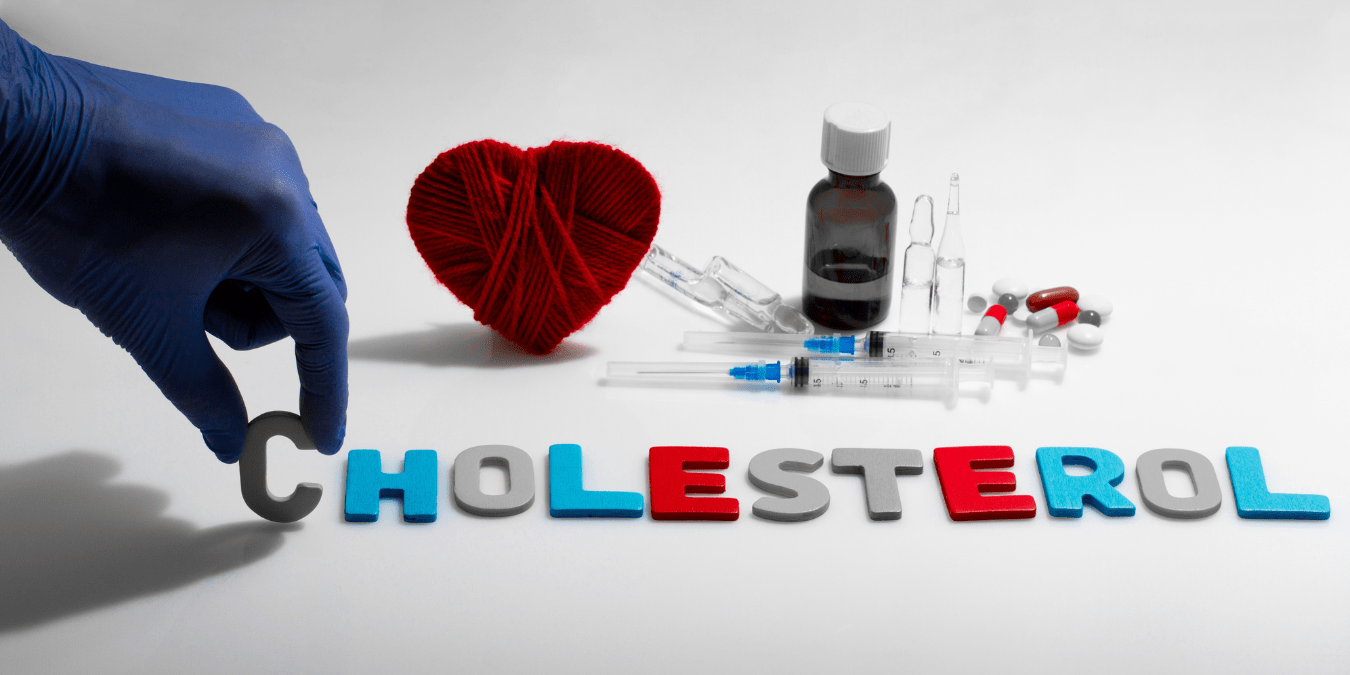
Millions of Americans take statins daily—but what are these “cholesterol-fighting” pills really doing inside your body? Discover the surprising truth about their hidden benefits, misunderstood risks, and whether you truly need them. Doctors reveal what the labels don’t tell you about statins in 2026.
If your doctor has mentioned “high cholesterol” during a recent checkup, there’s a good chance that the word statins also came up. These widely prescribed drugs are among the most common medications in the United States, often hailed as life-saving protectors against heart disease. But with growing conversation around prescription drugs, side effects, and lifestyle health, it’s natural to wonder: what exactly are statins, how do they work, and what are their potential downsides?
Let’s explore this topic in detail—from the science behind these drugs to real-world insights about their benefits, side effects, and whether you might need them.
What Are Statins?
Statins are a class of medications designed to lower cholesterol levels in the blood. Cholesterol itself isn’t inherently “bad.” Your body needs it to build cells, produce hormones, and maintain essential functions. The problem arises when there’s too much low-density lipoprotein (LDL)—often called “bad cholesterol”—circulating in the bloodstream. Excess LDL can build up on artery walls, forming plaque that narrows and hardens arteries, leading to atherosclerosis, heart attacks, and strokes.
This is where statins step in.
Statins work by inhibiting an enzyme in the liver called HMG-CoA reductase. This enzyme plays a crucial role in the body’s natural cholesterol production. By slowing down this process, statins reduce LDL cholesterol while slightly increasing high-density lipoprotein (HDL)—the “good cholesterol” that helps carry LDL away from arteries.
Common types of statins prescribed in the U.S. include:
- Atorvastatin (Lipitor)
- Rosuvastatin (Crestor)
- Simvastatin (Zocor)
- Pravastatin (Pravachol)
- Lovastatin (Mevacor)
- Pitavastatin (Livalo)
Each varies in potency, how it’s metabolized, and possible drug interactions, but their core function remains similar.
- Louisiana Vibrio Vulnificus Outbreak 2026 Explained: Who Faces the Greatest Risk in Gulf Coast Waters and How to Stay Safe

- 3 Midlife Habits Linked to Almost 13 More Dementia-Free Years, According to a 26-Year Study of 12,409 Adults

- Your Blood Pressure Reading Has a “Hidden Number” Doctors Say Most People Ignore
- AI Is Now Diagnosing Your Skin Before You Even Visit a Dermatologist — Here’s How the Beauty Industry Is Changing Everything in 2026

- The Side-Part Is Making the Most Unexpected Comeback in American Beauty History — And This Time, It’s Not Going Anywhere

- This Heat Protectant Spray From LolaVie Is Going Viral in the US — Stylists Say It Cuts Drying Time and Saves Your Blowout for Days

Why Do Doctors Prescribe Statins?
Statins are not “one-size-fits-all” medications. Doctors typically prescribe them when lifestyle changes—like improved diet, weight loss, and regular exercise—aren’t enough to lower cholesterol to safe levels.
Here are the primary reasons physicians recommend statins:
- High LDL cholesterol: Statins directly target high levels of “bad” cholesterol.
- Heart disease prevention: For patients with a history of heart attack, stroke, or diabetes, statins lower the risk of future cardiovascular events.
- Family history: Those with an inherited cholesterol disorder (like familial hypercholesterolemia) often require statins to manage extremely high levels safely.
- Other cardiovascular risks: Statins can benefit people with elevated blood pressure, inflammation, or other heart risk factors.
To determine whether statins are right for you, doctors often use a 10-year ASCVD risk calculator—a tool that estimates your chance of developing heart disease in the next decade. This guideline-based approach helps avoid overprescribing and ensures treatment is targeted.
How Statins Work in the Body
Here’s a simplified breakdown of how statins influence your system:
- Inhibit cholesterol production: Statins block HMG-CoA reductase, a key liver enzyme that makes cholesterol.
- Increase LDL receptors: The liver responds by producing more LDL receptors, which pull bad cholesterol out of the blood.
- Reduce overall cholesterol: With less LDL and more efficient circulation, arteries stay clearer, and blood flow improves.
- Stabilize plaque: Statins can also prevent existing arterial plaque from breaking loose, lowering stroke or heart attack risk.
It’s a double-action effect: less cholesterol production and improved removal of what’s already there.
The Proven Benefits of Statins
Statins are among the most researched drugs in modern medicine. Multiple large-scale studies, including those published in journals like The New England Journal of Medicine and JAMA, show that statins significantly reduce cardiovascular risk.
Documented benefits include:
- Reduced heart attack risk: Roughly 20–40% lower, depending on dosage and patient profile.
- Stroke prevention: Particularly effective in people with prior stroke or transient ischemic attack (TIA).
- Lower mortality rates: Statins have been associated with reduced death rates from heart disease and related conditions.
- Improved vascular health: They lower inflammation in blood vessels and may improve endothelial function (the lining of blood vessels).
For many Americans, statins are seen as a “lifeline drug”—quietly working in the background to protect heart health.
Common Side Effects of Statins
Like all prescription medications, statins can sometimes cause side effects. The good news is that most people tolerate them very well, especially when the dosage is properly adjusted to their needs. However, a small percentage of users may experience mild to moderate discomfort, and in rare instances, more serious reactions can occur.
The most common side effects of statins include:
- Muscle soreness, cramps, or weakness: This is the most frequently reported side effect. You might feel slight muscle tension or stiffness, usually in the legs or back.
- Fatigue: Some users notice feeling unusually tired, especially during the first few weeks of treatment.
- Digestive issues: Constipation, nausea, indigestion, or mild stomach upset can occur as your body adapts to the medication.
- Sleep disturbances: Difficulty falling asleep or restlessness at night may happen in a minority of patients.
- Mild headaches or dizziness: These tend to be temporary and subside as the body adjusts.
In the majority of cases, these effects are short-lived and manageable. Doctors often advise continuing the medication for a few weeks to see if symptoms improve. If the discomfort doesn’t go away, your physician might adjust your dose or switch to another type of statin, since each formulation interacts differently with the body’s metabolism.
It’s also important to report any persistent or worsening pain or weakness to your doctor promptly—especially if accompanied by dark-colored urine or extreme fatigue. Such symptoms, while rare, may be early signs of a more serious side effect.
Serious (But Rare) Side Effects
It’s important to recognize—and not overestimate—the rare risks associated with statins.
1. Muscle damage (myopathy or rhabdomyolysis):
This condition involves severe muscle pain, weakness, and elevated muscle enzymes in the blood. Though extremely uncommon, untreated rhabdomyolysis can harm the kidneys.
2. Liver injury:
Statins can slightly elevate liver enzymes. In rare cases, they may cause inflammation or liver damage, but routine monitoring prevents serious outcomes.
3. Increased blood sugar or Type 2 diabetes:
Statins can slightly raise blood glucose levels, especially in people already at risk for diabetes. However, the heart-protective benefits usually outweigh these risks.
4. Cognitive effects:
Some patients report memory loss or confusion. Research is ongoing, but most studies have found these symptoms reversible after stopping the medication.
Doctors routinely perform blood tests to catch potential issues early—making statins quite safe for long-term use under medical supervision.
Natural Alternatives and Lifestyle Modifications
While statins remain a cornerstone of cholesterol management, lifestyle choices are equally important. Many doctors recommend pairing statins with long-term habits that naturally lower cholesterol and enhance heart health.
Here are proven strategies:
- Eat a heart-healthy diet: Prioritize fiber-rich foods, whole grains, fruits, vegetables, and healthy fats like olive oil, avocados, and nuts.
- Exercise regularly: Aim for at least 150 minutes of moderate activity every week—brisk walking, cycling, or swimming all help.
- Maintain a healthy weight: Even modest weight loss can significantly improve cholesterol numbers.
- Avoid smoking and limit alcohol: Both worsen heart strain and disrupt cholesterol balance.
- Manage stress: Chronic stress can raise LDL levels, so mindfulness, yoga, or therapy can be surprisingly effective tools.
Some people also try red yeast rice, omega-3 supplements, or niacin for cholesterol management. However, these natural remedies can interact with medications or vary in potency—so always consult your healthcare provider before trying them.
Who Should Avoid Statins?
While statins are safe and effective for most people, there are certain situations where they should be used with extra caution—or avoided completely. Not everyone’s body processes these medications the same way, and some health conditions can increase the risk of side effects or complications.
Statins may not be suitable for:
- Pregnant or breastfeeding women: Cholesterol is vital for fetal development, so lowering it during pregnancy could interfere with the baby’s growth. Women who are pregnant, planning to become pregnant, or currently breastfeeding should avoid statins entirely.
- People with active liver disease: Because statins are processed through the liver, existing liver conditions can make it harder for the body to metabolize them safely.
- Individuals with a history of severe allergic reactions to statins: Those who’ve had previous reactions such as rash, swelling, or muscle breakdown should consider alternative treatments.
- Heavy alcohol users: Excessive alcohol use can stress the liver, compounding potential statin-related liver effects.
- Patients with uncontrolled metabolic disorders: Conditions like untreated hypothyroidism or muscular diseases can heighten the risk of muscle-related side effects from statins.
If you fall into one of these categories, your doctor may recommend non-statin cholesterol-lowering therapies. These could include medications such as ezetimibe, PCSK9 inhibitors, or bile acid sequestrants, which work through different mechanisms to manage cholesterol levels effectively.
Ultimately, whether you can take statins safely depends on your individual health history, current medications, and overall cardiovascular risk profile. Always consult a qualified healthcare provider before starting or stopping any cholesterol treatment.
How to Know If Statins Are Working
Once you start taking statins, doctors usually check cholesterol levels after 6–12 weeks to see how effectively your LDL has dropped. The goal depends on your risk category, but generally, a 50% reduction in LDL is ideal for high-risk patients.
You might not feel the medication working—cholesterol doesn’t cause obvious short-term symptoms—but the long-term rewards are substantial. Many Americans on statins enjoy improved energy, fewer cardiovascular events, and peace of mind knowing they’re protecting their heart.
The Importance of Medical Guidance
One of the most important aspects of statin therapy is individualization. Statins aren’t meant to replace healthy habits or serve as a quick fix. They’re part of a broader plan—one that includes diet, exercise, and periodic review with your healthcare provider.
Your doctor will help determine:
- Which type of statin suits you best
- What dose balances effectiveness and minimal side effects
- How to manage other medications that might interact with statins
- Whether lifestyle changes could eventually reduce or replace the need for statins
Never stop taking statins abruptly without medical advice. Doing so can cause cholesterol levels to spike, raising the risk of heart complications.
The Bottom Line
Statins have earned their reputation as one of the most effective tools in modern medicine for controlling cholesterol and reducing heart disease risk. For millions of Americans, they provide a vital layer of protection that simple diet and exercise alone may not achieve.
That said, informed decisions matter. Understanding how statins work, what side effects to watch for, and how lifestyle choices amplify their benefits helps you take control of your cardiovascular health with confidence.
If you’ve been prescribed a statin—or are considering one—the best step is an open conversation with your doctor. Ask questions, discuss your goals, and make sure your treatment plan supports both your physical health and peace of mind.
Because at the end of the day, heart health isn’t just about numbers on a lab report—it’s about living longer, stronger, and better.

Omisha is a health writer passionate about turning complex medical research into clear, actionable content readers can trust. She covers everything from nutrition and mental wellness to chronic disease management, always grounding her work in credible science and real-world relevance. When she's not writing, she's usually reading up on the latest health studies or exploring new wellness trends to write about next.