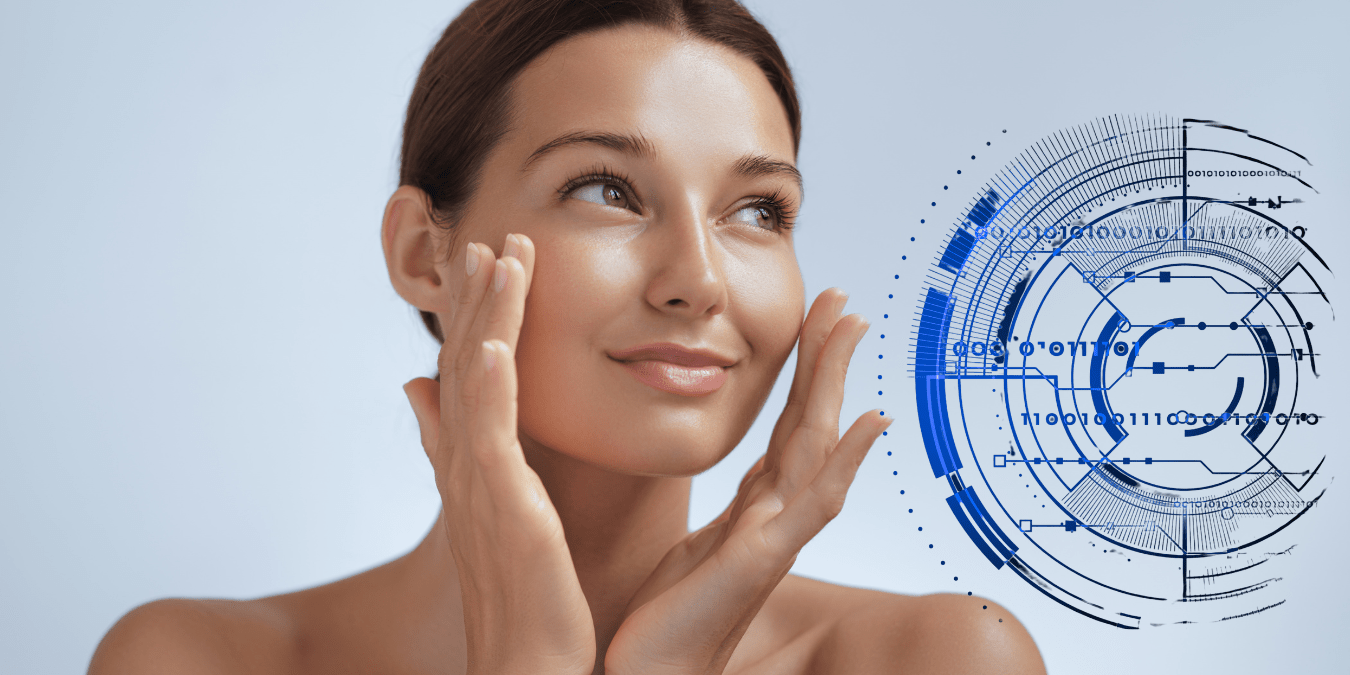
There’s a quiet revolution happening in dermatology offices from New York to Los Angeles, and it has a striking, unmistakable color: deep, luminous blue. Dermatologists who once swore exclusively by retinol, SPF, and vitamin C are now adding something new to their prescriptions — a category called “Blue Longevity” skincare, and it’s reshaping how Americans think about aging, protection, and the future of their complexion.
This isn’t a passing trend born from a viral TikTok filter. It’s a convergence of hard science, environmental reckoning, and a generation of skin-conscious Americans who want more than surface-level results. Blue Longevity sits at the intersection of anti-aging biology, blue light defense, and blue-pigmented botanical and algae-derived actives — and when you understand what it actually does at the cellular level, the obsession makes complete sense.
What Is “Blue Longevity” Skincare?
Blue Longevity is not a single product or ingredient. It’s a philosophy — one that combines protection from blue light (high-energy visible, or HEV, light), the use of naturally blue-pigmented bio-actives, and a long-horizon approach to skin health that prioritizes cellular repair over cosmetic concealment.
The term “longevity” in skincare has been gaining serious traction in 2026. As Forbes reported in April 2026, longevity beauty is fundamentally redefining skincare by shifting focus from correcting surface damage to maintaining healthy, resilient skin over the long term. Blue Longevity is the most scientifically nuanced expression of this shift — one that tackles aging at its root causes: oxidative stress, inflammation, collagen breakdown, and disrupted circadian skin biology.
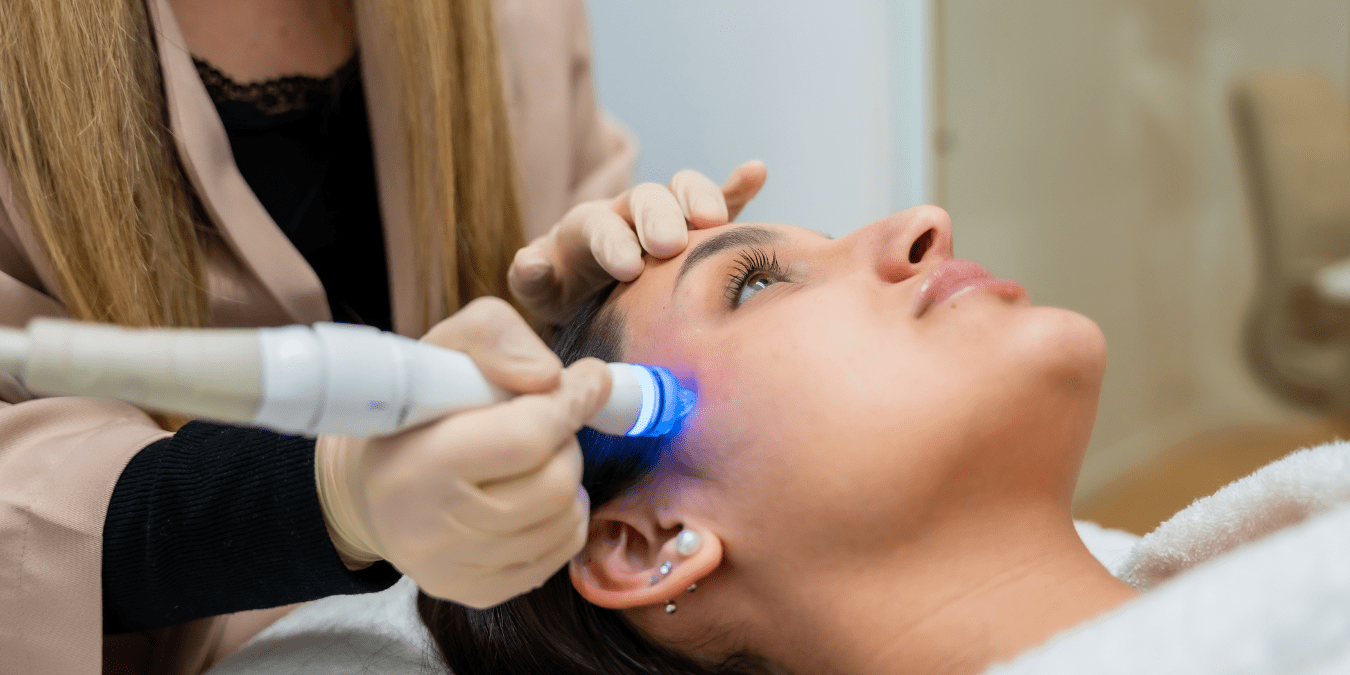
The “blue” dimension works on two fronts. First, it refers to the real and growing threat of blue light from screens and LED environments, which dermatologists now recognize as an independent accelerant of skin aging. Second, it draws on a powerful class of blue and blue-green natural ingredients — including phycocyanin from spirulina algae, blue tansy oil, and butterfly pea flower — that happen to possess some of the strongest antioxidant and anti-inflammatory profiles in modern cosmetic chemistry.
The Blue Light Problem Nobody Warned You About
Americans now spend an average of seven-plus hours a day in front of screens. And while sunscreen has been drilled into our daily routines for decades, very few people are protecting their skin from the blue light radiating two feet from their face.
Blue light, or high-energy visible (HEV) light, has a shorter wavelength than UV rays — and research shows it can actually penetrate deeper into the skin than UVB radiation, generating reactive oxygen species (ROS) that trigger oxidative stress. These unstable molecules attack your collagen and elastin, accelerating the very aging processes you’re trying to prevent. A 2020 study published in Oxidative Medicine and Cellular Longevity specifically found that blue light increases free radical damage, directly speeding up skin aging.
What makes this threat even more insidious is timing. Dermatologists now describe a phenomenon called “Digital Aging” — when blue light exposure late at night tricks skin cells into thinking it’s still midday. Your skin has its own circadian rhythm: a daytime defense mode and a nighttime repair mode, the latter of which triggers critical cell mitosis and DNA restoration. Blue light disrupts this cycle, keeping your skin in permanent defense mode and preventing it from ever fully repairing. The result is what clinicians are calling “sallow skin” — dull, uneven, persistently tired-looking complexion — even in patients with otherwise excellent routines.
There’s more. Blue light exposure is also linked to melanin overproduction, causing hyperpigmentation and uneven skin tone — a concern particularly significant for women of color, whose skin may be more susceptible to post-inflammatory pigmentation.
The Science Behind the Blue Ingredients
This is where Blue Longevity skincare becomes genuinely extraordinary. The most scientifically validated blue-pigmented ingredient making waves in American dermatology is phycocyanin — a brilliant aqua protein complex extracted from Spirulina platensis, a type of blue-green algae.
Phycocyanin is not a cosmetic gimmick. It’s one of the most extensively researched natural antioxidants in existence. Studies show that C-phycocyanin demonstrates antioxidant potency up to 16 times greater than vitamin E and 20 times greater than vitamin C in laboratory assays . For context: vitamin C serums are considered gold-standard antioxidant protection in dermatology. Phycocyanin makes vitamin C look mild by comparison.
Its anti-inflammatory capacity is equally compelling. Phycocyanin has been shown to inhibit the release of pro-inflammatory mediators and enzymes, effectively reducing the cascade of inflammation that breaks down collagen and accelerates visible aging . Research has also found that spirulina extracts rich in phycocyanin accelerate wound healing and encourage cellular turnover — meaning it doesn’t just protect, it actively regenerates .
Crucially, phycocyanin is water-soluble, non-toxic, and non-sensitizing at typical concentrations — a significant advantage over many botanical actives that can trigger irritation in sensitive skin . It’s so safe, in fact, that it’s one of the only natural blue colorants approved for use in foods by regulatory agencies in the United States .
Blue Tansy: The Moroccan Anti-Ager Getting a Scientific Second Look
If phycocyanin is the new star of Blue Longevity, blue tansy (Tanacetum annuum) is the seasoned veteran that dermatologists are looking at with fresh eyes. Distilled from a Moroccan chamomile relative, blue tansy gets its iconic azure color from chamazulene, a compound that forms during steam extraction and carries potent anti-inflammatory and antioxidant properties.
Blue tansy is rich in sabinene and camphor, compounds shown to effectively reduce inflammation — and since inflammation is one of the primary drivers of skin aging, its role in longevity skincare is well-placed. Its azulene content supports cellular nourishment and skin regeneration, promoting what researchers describe as a more youthful, resilient complexion. For Americans dealing with redness, rosacea flares, or post-procedure sensitivity, blue tansy has become a clinical go-to.
One important caveat: quality matters enormously with blue tansy. The Tanacetum annuum plant is rare and seasonally limited — conditions that have made the market susceptible to adulteration . Dermatologists recommend looking for the correct botanical name on the label and sourcing from brands with verified supply chains. When diluted properly in a formula, blue tansy is exceptional; undiluted or mislabeled, it can cause sensitization .
Butterfly Pea Flower, Indigo, and the Broader Blue Family
Blue Longevity draws on a wider botanical ecosystem than just phycocyanin and blue tansy. Two other ingredients are gaining rapid clinical and consumer traction across American skincare:
Butterfly pea flower (Clitoria ternatea) is loaded with anthocyanin antioxidants — the same pigments responsible for the deep health benefits of blueberries and purple vegetables . In skincare applications, studies show butterfly pea flower can increase skin moisture retention, slow visible aging, and help treat skin irritation and allergic responses . Its natural deep-indigo color makes it a visual signal of antioxidant density, and it’s showing up in Blue Longevity serums designed for daily environmental defense.
Indigo Naturalis (Qing Dai) carries one of the longest evidence trails of any blue ingredient. Used in Chinese traditional medicine for centuries, modern clinical trials have confirmed indigo’s effectiveness in reducing inflammation in conditions like atopic dermatitis and eczema, thanks to active molecules indirubin and tryptanthrin . For American patients with chronically inflamed or reactive skin, indigo-infused formulas represent a bridge between ancient botanical wisdom and peer-reviewed dermatological science .
What Dermatologists Are Actually Recommending
The 2026 skincare landscape is defined by what dermatologists and aestheticians call “evidence-based simplicity” — fewer products, greater precision, and ingredients that do multiple jobs. Blue Longevity fits this framework almost perfectly.
Board-certified dermatologists are beginning to recommend Blue Longevity protocols because they address several skin-aging mechanisms simultaneously:
- Antioxidant defense against ROS generated by blue light, UV, and environmental pollution (phycocyanin, butterfly pea anthocyanins)
- Anti-inflammatory action to prevent the chronic low-grade inflammation — “inflammaging” — that silently degrades collagen over years (blue tansy chamazulene, phycocyanin, indigo naturalis)
- Barrier repair to maintain the skin’s first line of defense against environmental insults (adaptogenic botanicals, peptides, biotech actives now commonly paired with blue ingredients)
- Circadian support — using antioxidant-dense blue actives in PM routines to counter the melatonin suppression caused by nighttime screen exposure
- HEV light blocking through broad-spectrum physical sunscreens enhanced with antioxidant partners that neutralize residual ROS
The shift is significant. Dermatologists are no longer treating skin aging as a UV-only problem. The digital environment has created a new threat matrix, and Blue Longevity skincare addresses it comprehensively.
The Sustainability Factor Americans Are Paying Attention To
Blue Longevity is also winning on ethics, which matters enormously to the American consumer in 2026. Spirulina-derived phycocyanin can be cultivated year-round in controlled aquatic environments with a fraction of the land, water, and resource use required for traditional botanical farming . Spirulina grows rapidly, requires no pesticides, and — being a natural carbon sink — actually reduces atmospheric CO2 during cultivation .
This stands in contrast to other premium skincare ingredients that carry heavy environmental costs. Blue tansy, for example, is a rare, seasonally limited crop that faced near over-harvesting in Morocco at the peak of its initial beauty trend . Responsible brands now source it from certified farms with verified sustainability practices.
The blue beauty movement is being embraced by American consumers who want their skincare to align with their values — and the algae-forward segment of Blue Longevity offers a compelling proposition: world-class efficacy from one of the earth’s most sustainable biological systems.
How Blue Longevity Fits Into Your Daily Routine
Dermatologists incorporating Blue Longevity protocols typically structure them around two daily pillars: morning defense and nighttime regeneration.
Morning routine:
- A broad-spectrum SPF that offers HEV protection alongside UV defense
- A phycocyanin or vitamin C + blue algae antioxidant serum applied beneath sunscreen to neutralize ROS generated throughout the day
- A lightweight barrier moisturizer containing peptides or adaptogenic botanicals to reinforce skin resilience
Evening routine:
- A blue tansy or indigo-infused oil or serum to calm daytime inflammation and support the skin’s natural nighttime repair cycle
- A regenerative treatment — PDRN, peptides, or a phycocyanin-rich overnight mask — to support collagen synthesis while the skin is in repair mode
- Deliberate reduction in screen time in the hour before sleep to allow natural melatonin production, which supports antioxidant neutralization of ROS overnight
The overall principle: treat your skin as a biological system with its own daily rhythm, not just a surface to moisturize.
Bottom Line: What the Science Actually Confirms
It’s important to distinguish what is well-evidenced from what is still emerging. The following claims about Blue Longevity ingredients are supported by peer-reviewed research:
- Phycocyanin demonstrates measurable antioxidant activity exceeding vitamin C and E in laboratory settings
- Blue light from screens generates ROS and oxidative stress in skin cells, accelerating collagen degradation
- Blue light exposure disrupts skin circadian rhythms and delays cellular repair
- Blue tansy’s chamazulene reduces inflammation and supports cellular regeneration
- Indigo Naturalis has demonstrated clinical efficacy in reducing inflammatory skin conditions in peer-reviewed trials
- Butterfly pea flower anthocyanins improve skin hydration and reduce irritation in tested formulations
What’s still emerging: long-term clinical trials on phycocyanin-specific anti-aging outcomes in human skin, standardized protocols for combining blue actives, and the precise wavelength ranges at which topical antioxidants meaningfully intercept HEV-generated ROS in vivo. Dermatology is a field that evolves with evidence, and the most credible practitioners will always distinguish between strong preliminary data and fully validated clinical outcomes.
Why This Isn’t Going Away
American dermatology is not prone to trend-chasing. What’s driving the Blue Longevity obsession isn’t aesthetics — it’s biology catching up to reality. The average American’s skin is now aging under conditions that no previous generation faced: ten-plus hours daily of artificial HEV light exposure, chronic environmental oxidative stress, disrupted circadian biology, and a beauty industry that spent decades ignoring the digital environment entirely.
Blue Longevity skincare is the field’s answer. It pulls together the most potent natural antioxidants on earth — drawn, fittingly, from some of the planet’s oldest living organisms — and applies them to the newest aging challenges humans face. The ingredients are real. The science is solid and growing. The dermatologists are paying attention for good reason.
This is not skincare as decoration. It’s skincare as cellular defense — and for American skin navigating a hyper-digital, high-exposure world, it may be the most important shift in the category in a generation.

Omisha is a health writer passionate about turning complex medical research into clear, actionable content readers can trust. She covers everything from nutrition and mental wellness to chronic disease management, always grounding her work in credible science and real-world relevance. When she's not writing, she's usually reading up on the latest health studies or exploring new wellness trends to write about next.