Nutrition Protein and Fiber
Which Foods Give You Both Protein and Fiber in One Serving — and How Much Do They Really Deliver?
Most Americans get plenty of protein but too little fiber. Five food groups highlighted by nutrition researchers cover both at once. Here are the per-serving numbers and how to build meals around them.
- 019 g PPuPulses: lentils, beans, peas
- 0222 g PSoSoy: tofu, edamame, soy milk
- 037.5 g PNuNuts: peanuts, almonds
- 0410 g FSeSeeds: chia, pumpkin, flax
- 055 g FWgWhole grains: oats, quinoa
By The Health DeskFact-checked against the Dietary Guidelines for Americans 2025 to 2030, USDA and NHANES data, and university nutrition expertsUpdated November 16, 2026Scope U.S. adults, everyday foods
In American grocery aisles, “protein” is on cereal boxes, snack bars, even coffee. Fiber has been the quieter nutrient. Yet the gap Americans actually need to close is not protein. It is fiber, and most people are missing it by a wide margin.
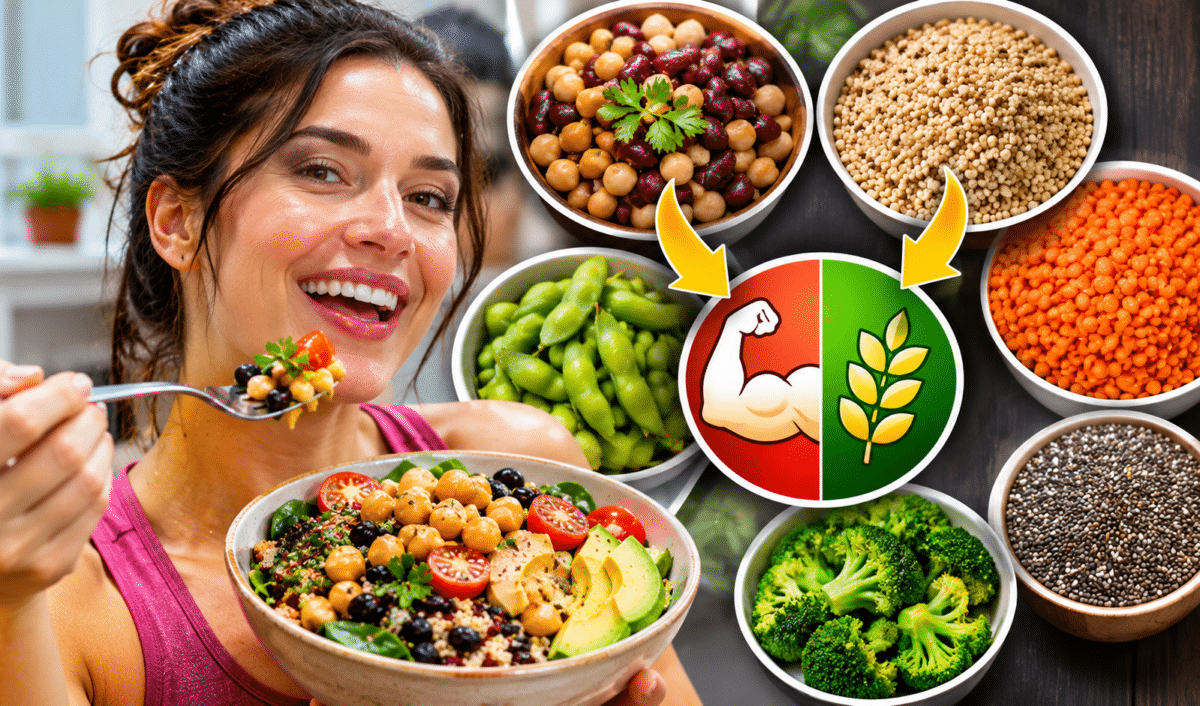
In June 2026, The New York Times asked nutrition researchers which foods supply both nutrients in a single serving. Harvard T.H. Chan School of Public Health highlighted the piece a day later. Their answer was not a supplement or a fortified bar. It was five ordinary food groups: pulses, soy foods, nuts, seeds and whole grains. This guide sets out what each delivers per serving, how that compares with federal targets and how to combine them without overthinking it.
What We Know
- Most Americans meet protein needs but not fiber targets.
- Pulses, soy, nuts, seeds and whole grains supply both nutrients.
- Animal proteins such as meat, eggs and dairy contain no fiber.
- Fiber is linked to better gut health and lower heart disease risk.
What Is Still Unclear
- The ideal protein intake for most adults remains debated.
- Whether added fibers in bars work like whole-food fiber.
- Exact nutrient values vary by brand and preparation.
- How best to combine high protein with high fiber on GLP-1 drugs.
The Nutrient Americans Are Actually Missing
Protein gets the headlines, but the federal data point the other way. Researchers at Harvard Chan and the experts quoted by the Times agree that most Americans already eat enough protein yet fall short on fiber. According to the U.S. Department of Agriculture’s Economic Research Service, American adults average about 15 grams of dietary fiber a day, far below the 25 grams recommended for women and 38 grams for men.
The shortfall is broad. An analysis of more than 14,600 adults in the National Health and Nutrition Examination Survey from 2013 to 2018, presented by the American Society for Nutrition, found that just 7.4% met the recommended intake of 14 grams of fiber for every 1,000 calories. Women averaged 9.9 grams per 1,000 calories and men 8.7 grams. Even people with diabetes, who ate somewhat more fiber, still fell short.
The U.S. Fiber Gap: Targets Versus Typical Intake
Why does it matter? Fiber feeds gut bacteria, slows the absorption of sugar, helps lower LDL cholesterol and supports regular digestion. The American Society for Nutrition study authors linked low fiber intake to higher risk of heart disease and diabetes, two of the most common diseases in the country.
Why Most Foods Give You One or the Other
The “sweet spot” idea rests on a simple observation from the Times article: high-protein foods such as meat, fish, eggs and dairy contain no fiber, while high-fiber foods such as fruits and vegetables typically offer little protein. Cheryl Anderson, dean of public health at the University of California, San Diego, told the paper that foods containing both offer a nice one-two punch of benefits.
The reason is biology. Fiber is the structural carbohydrate in plant cell walls, which humans cannot fully digest. Animals do not make it. Protein, meanwhile, is concentrated where living things store it, in muscle, eggs, milk and plant seeds. That last category is the overlap: seeds, beans and grains are packages built to feed a growing plant, so they hold both protein and fiber.
The Protein Bar Is Not the Same Thing
Food companies have noticed the shift. Whole Foods named fiber a top trend for 2026, writing that “protein continues to be king, but fiber is gaining traction.” Many new bars and snacks combine protein isolates with added fibers such as chicory root inulin. Those can raise the numbers on a label, but they lack the vitamins, minerals and plant compounds that come packaged in whole foods, and some added fibers cause bloating in sensitive people. Whether they deliver the same long-term benefits as whole-food fiber is not well established.
Protein Versus Fiber, Side by Side
The Five Sweet-Spot Food Groups, One by One
Beans, Lentils and Other Pulses
Pulses lead the list because they are close to balanced: a half-cup of cooked lentils supplies about 9 grams of protein and 8 grams of fiber, and black beans about 7.5 grams of each. By the cup, the Mayo Clinic lists split peas at 16 grams of fiber, lentils at 15 to 16 grams and black beans at 15 grams. They are also among the cheapest protein sources in the store.
- Lentils 9 g P 8 g F
- Black beans 7.5 g P 7.5 g F
- Serving 1/2 cup cooked
Tofu, Edamame and Soy Milk
Soy is the protein heavyweight. A half-cup of raw tofu holds about 22 grams of protein and 3 grams of fiber, while shelled edamame gives about 9 grams of protein and 4 grams of fiber. Harvard’s Walter Willett described soy’s nutritional value as nearly perfect, according to Harvard Chan’s summary, because soybeans combine protein, healthy fats and fiber. A cup of soy milk adds about 8 grams of protein but only 1.5 grams of fiber.
- Tofu 22 g P 3 g F
- Edamame 9 g P 4 g F
- Soy milk 8 g P 1.5 g F
Peanuts, Almonds and Other Nuts
Nuts are the portable option. An ounce of peanuts, technically a legume, offers about 7.5 grams of protein and 2.5 grams of fiber; an ounce of almonds about 6 grams of protein and 3.5 grams of fiber. Nuts are calorie-dense, so portion size matters more here than with beans.
- Peanuts 7.5 g P 2.5 g F
- Almonds 6 g P 3.5 g F
- Serving 1 oz
Chia, Pumpkin and Flax Seeds
Seeds split into two personalities. Chia is a fiber specialist, with nearly 5 grams of protein and 10 grams of fiber in one ounce, the highest fiber per serving on this list. Pumpkin seeds lean the other way, with about 8.5 grams of protein but only 2 grams of fiber per ounce. Flax, which Harvard Chan’s summary also names, sits in the same family and works well ground into oatmeal or yogurt.
- Chia 5 g P 10 g F
- Pumpkin seeds 8.5 g P 2 g F
- Serving 1 oz
Oats, Quinoa and Other Whole Grains
Whole grains are the quiet contributors. Oatmeal made from a half-cup of rolled oats has about 6 grams of protein and 5 grams of fiber; a cup of cooked quinoa about 8 grams of protein and 5 grams of fiber. Brown rice and foods made from whole-grain flour count too. Refining strips out the bran, where much of the fiber lives, which is why white bread and white rice do not make the list.
- Oats 6 g P 5 g F
- Quinoa 8 g P 5 g F
- Whole grains, not refined
Fiber Champions: Grams Per Cooked Cup
How Much Protein Do You Really Need Now?
The protein target itself has moved. The Dietary Guidelines for Americans, 2025 to 2030, released on January 7, 2026, by the USDA and the Department of Health and Human Services, recommend 1.2 to 1.6 grams of protein per kilogram of body weight per day. That is up from the long-standing recommended daily allowance of 0.8 grams, a 50% to 100% increase.
Not every expert agrees with the change. Harvard Chan’s Nutrition Source noted concerns that raising overall protein intake without distinguishing between sources could have unintended long-term effects, and Harvard Chan has also published coverage arguing that Americans may already be eating too much protein. The sweet-spot foods sidestep that debate. Whichever target you follow, choosing protein that arrives with fiber improves the overall quality of your diet.
Protein Per Serving Across the Five Groups
The Sweet-Spot Scorecard
The table below puts every food from the five groups on one grid, with each serving’s share of the daily fiber targets. It shows why pulses and chia stand out on fiber, while tofu and pumpkin seeds are better thought of as protein foods with a fiber bonus.
| Food and serving | Protein | Fiber | Combined | Share of 25 g fiber | Share of 38 g fiber |
|---|---|---|---|---|---|
| Chia seeds, 1 oz | 5 g | 10 g | 15 g | 40% | 26% |
| Lentils, 1/2 cup cooked | 9 g | 8 g | 17 g | 32% | 21% |
| Black beans, 1/2 cup cooked | 7.5 g | 7.5 g | 15 g | 30% | 20% |
| Rolled oats, 1/2 cup dry | 6 g | 5 g | 11 g | 20% | 13% |
| Quinoa, 1 cup cooked | 8 g | 5 g | 13 g | 20% | 13% |
| Edamame, 1/2 cup shelled | 9 g | 4 g | 13 g | 16% | 11% |
| Almonds, 1 oz | 6 g | 3.5 g | 9.5 g | 14% | 9% |
| Raw tofu, 1/2 cup | 22 g | 3 g | 25 g | 12% | 8% |
| Peanuts, 1 oz | 7.5 g | 2.5 g | 10 g | 10% | 7% |
| Pumpkin seeds, 1 oz | 8.5 g | 2 g | 10.5 g | 8% | 5% |
| Soy milk, 1 cup | 8 g | 1.5 g | 9.5 g | 6% | 4% |
Per-serving figures as reported by The New York Times; combined totals and percentage shares calculated by this desk and rounded to the nearest whole percent.
How Fiber Caught Up With Protein
- June 2021Nutrition study finds just 7.4% of U.S. adults meet fiber targets
- Oct 2025PepsiCo’s chief executive tells analysts fiber “will be the next protein”
- Dec 2025Whole Foods names fiber a top food trend for 2026
- Jan 7, 2026New dietary guidelines set protein at 1.2 to 1.6 g/kg
- June 22, 2026The Times highlights five protein-fiber sweet-spot food groups
Social media has amplified the trend under the label “fibermaxxing,” which simply means adding fiber-rich foods to every meal. Columbia University dietitian Jamie Leskowitz has said fiber deserves equal attention with protein for its role in gut health, heart health, blood sugar control and weight management. Her suggestions include choosing bread with at least 3 grams of fiber per serving, swapping white rice for quinoa or farro, and having a weekly plant-based protein night built around beans, chickpeas or lentils.
Why GLP-1 Users Are Paying Attention
The rise of GLP-1 weight-loss medications such as semaglutide adds another reason. People on these drugs often eat much less, so each bite has to work harder. The lentil industry’s consumer site, Lentils.org, has argued that pulses suit GLP-1 users because they deliver protein to help preserve muscle and fiber to support digestion in small portions. Specific dietary advice for GLP-1 users should come from the prescribing clinician or a registered dietitian.
Building a Sweet-Spot Day Without Counting Every Gram
You do not need to track every gram to benefit. Cheryl Anderson’s point to the Times was that incorporating fiber- and protein-rich foods can help people meet nutrient needs without exceeding calorie goals. The steps below use the five groups to close the typical fiber gap.
- Start breakfast with oats or chiaA half-cup of oats plus an ounce of chia covers about 15 grams of fiber.
- Add a pulse to lunchA half-cup of lentils or black beans on a salad or in soup adds 7.5 to 9 grams of each nutrient.
- Snack on an ounce of nutsAlmonds or peanuts add 6 to 7.5 grams of protein and 2.5 to 3.5 grams of fiber.
- Swap one dinner protein for soyTofu or edamame in a stir-fry keeps protein high while adding fiber.
- Choose whole grains as your baseQuinoa, brown rice or farro instead of white rice adds fiber with no extra effort.
- Increase slowly and drink waterAdd a few grams of fiber at a time over several weeks to limit bloating.
- 25 g fiber a dayTarget for adult women
- 38 g fiber a dayTarget for adult men
- 14 g per 1,000 caloriesFiber rule of thumb
- 1.2 to 1.6 g/kg protein2025 to 2030 guidelines range
- 3 g fiber per sliceMinimum to look for in bread
- 1/2 cup pulsesAdds 7.5 to 9 g of fiber
Frequently Asked Questions
What foods are high in both protein and fiber?
Pulses such as lentils and black beans, soy foods such as tofu and edamame, nuts, seeds such as chia and pumpkin, and whole grains such as oats and quinoa.
How much fiber should I eat per day?
About 25 grams a day for adult women and 38 grams for adult men, or 14 grams per 1,000 calories. Most American adults average about 15 grams.
Which food has the most fiber and protein together?
Cooked lentils are among the most balanced, with about 9 grams of protein and 8 grams of fiber per half-cup. Chia seeds have the most fiber per ounce.
Do meat and eggs contain fiber?
No. Meat, fish, eggs and dairy provide protein but no dietary fiber, which is found only in plant foods.
How much protein do I need per day?
The 2025 to 2030 Dietary Guidelines recommend 1.2 to 1.6 grams per kilogram of body weight, up from the earlier 0.8 grams per kilogram allowance.
Is tofu a good source of fiber?
Tofu is mainly a protein food, with about 22 grams of protein and 3 grams of fiber per half-cup. Edamame offers more fiber relative to protein.
Can eating too much fiber cause bloating?
Yes, especially if intake rises quickly. Increase fiber gradually over several weeks and drink more water.
What is fibermaxxing?
A social media term for adding fiber-rich foods to every meal and snack to meet or exceed daily fiber recommendations.
The Short Version
Most Americans get enough protein but only about 15 grams of fiber a day, well below the 25 grams recommended for women and 38 grams for men. Five food groups deliver both nutrients at once: beans and lentils, soy foods, nuts, seeds and whole grains. Lentils and black beans are the most balanced, chia leads on fiber and tofu leads on protein. A simple day built from oats with chia, a pulse at lunch, a handful of nuts and a whole-grain dinner base can close most of the fiber gap. Increase fiber gradually and drink water.

Omisha is a health writer passionate about turning complex medical research into clear, actionable content readers can trust. She covers everything from nutrition and mental wellness to chronic disease management, always grounding her work in credible science and real-world relevance. When she's not writing, she's usually reading up on the latest health studies or exploring new wellness trends to write about next.