Health Research Diet and Diabetes Risk
Can a Green Mediterranean Diet Really Clear Fat From the Pancreas — and Does That Lower Your Diabetes Risk?
A new MRI analysis of the 18-month DIRECT-PLUS trial found a polyphenol-rich “green” Mediterranean diet cut pancreatic fat by 14%, compared with 0.8% under standard dietary advice. The findings are promising but early.
By The Health DeskFact-checked against the American Journal of Clinical Nutrition paper, Ben-Gurion University’s release and CDC dataUpdated November 16, 2026Scope U.S. adults, diet research
Most people know fat can build up around the waist and in the liver. Far fewer know it can also collect inside the pancreas, the organ that makes insulin and keeps blood sugar in check. That hidden fat has been linked to insulin resistance and type 2 diabetes, but there has been little evidence on whether everyday food choices can remove it.
A study published online on October 29, 2026, in The American Journal of Clinical Nutrition adds new evidence. Researchers led by Ben-Gurion University of the Negev in Israel, working with the University of Leipzig and Harvard, used MRI scans to track pancreatic fat over 18 months in adults following three different diets. The “green” Mediterranean version, built around walnuts, green tea and a protein-rich aquatic plant called Mankai, came out on top.
What We Know
- The green Mediterranean diet cut pancreatic fat 14% over 18 months.
- Functional pancreatic volume did not shrink.
- More walnuts and Mankai were linked to greater fat loss.
- Insulin resistance improved alongside pancreatic fat loss.
What Is Still Unclear
- Whether the diet prevents or reverses type 2 diabetes.
- Which single food, if any, drives the effect.
- Results in women, younger adults and other populations.
- What level of pancreatic fat is clinically unhealthy.
Why Fat in the Pancreas Matters
The pancreas releases insulin, the hormone that moves sugar from the blood into cells. “The pancreas is the main engine of blood-sugar regulation in the body,” Iris Shai, the study’s principal investigator, said in Ben-Gurion University’s release. When fat infiltrates the organ, researchers suspect it may interfere with insulin-producing cells and contribute to insulin resistance, a step on the path to type 2 diabetes.
That matters for millions of Americans. According to the CDC’s National Diabetes Statistics Report, 38.4 million people, or 11.6% of the U.S. population, have diabetes, and 8.7 million adults with the condition are undiagnosed. Another 97.6 million adults, or 38.0%, have prediabetes, including 48.8% of adults 65 and older. Most do not know it.
Diabetes and Prediabetes in the United States
Pancreatic fat is not routinely measured in clinics, and there is no agreed threshold separating healthy from unhealthy levels, as Sustain Health Magazine noted in its coverage of the study. Measuring it requires specialized MRI techniques, which is why long trials with repeated scans like this one are rare.
What the Green Mediterranean Diet Actually Is
DIRECT-PLUS began in 2017 at the Nuclear Research Center Negev in Dimona, Israel, enrolling 294 workers in their fifties with abdominal obesity, according to Ben-Gurion University. They were randomly assigned to one of three diets: healthy dietary guidelines, a traditional Mediterranean diet, or a green Mediterranean diet. All groups received exercise support, including a free gym membership, and lunches at the workplace were supervised.
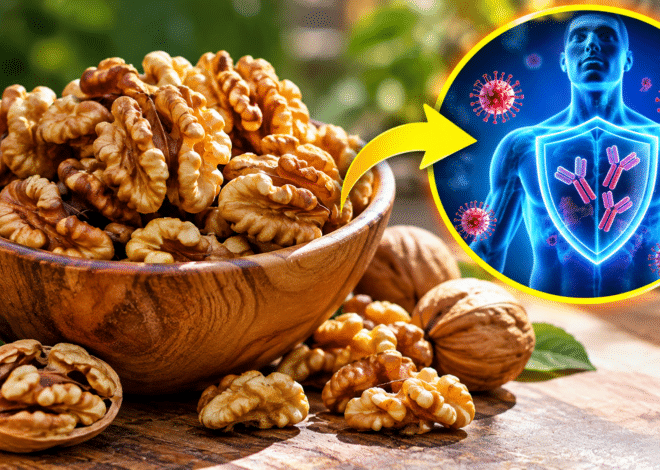
Both Mediterranean groups ate 28 grams of walnuts a day, adding about 440 milligrams of polyphenols, according to the original trial paper in Gut. The green group added three to four cups of green tea a day and a shake made with 100 grams of frozen Mankai cubes, bringing total added polyphenols to about 1,240 milligrams a day. The green diet also further restricted red and processed meat.
- Walnuts28 g a dayAbout a small handful, adding 440 mg of polyphenols. Both Mediterranean groups ate them.
- Green tea3 to 4 cups a dayRich in catechins such as EGCG. Green group only.
- Mankai shake100 g a dayAn aquatic plant, also called duckweed, high in protein, iron and polyphenols. Green group only.
The Mankai Question
Mankai is a cultivated strain of Wolffia globosa, a tiny aquatic plant sometimes called water lentils or duckweed. Researchers describe it as high in bioavailable protein, iron, vitamin B12 and polyphenols, according to a News-Medical summary of earlier DIRECT-PLUS results. It is not a common grocery item in the United States, which makes the full green diet harder to copy at home. No study has tested whether other greens can substitute for it.
Inside the New Pancreas Analysis
For the new paper, lead author Liav Alufer and colleagues analyzed abdominal MRI scans taken at the start and end of the trial. According to Sustain Health Magazine’s summary of the published data, 290 participants had eligible baseline scans and 233 completed follow-up imaging. Participants were predominantly men, about 88%, with an average age of about 51.
- Enrolled in DIRECT-PLUS294
- Eligible baseline MRI scans290
- Retained in trial at 18 months89%
- Completed follow-up pancreas imaging233
The green Mediterranean group saw a 14% relative reduction in pancreatic fat, compared with 6.7% for the traditional Mediterranean group and 0.8% for the healthy dietary guidelines group. Pancreatic volume did not change significantly in any group, which Shai described as evidence that “the toxic fat can be drawn out while the functional tissue stays intact.”
Pancreatic Fat Change After 18 Months, by Diet
Food intake mattered. Eating Mankai more than 3 times a week, or walnuts more than 5.5 times a week, was associated with significantly greater pancreatic fat reduction, according to the university. Refined carbohydrates such as bread, cereal and pasta were linked to slower fat clearance. Improvements in blood sugar measures and insulin resistance held after statistically adjusting for weight loss and the drop in abdominal fat.
A Pattern Seen in Other Organs Too
The pancreas results fit a pattern from earlier DIRECT-PLUS papers. In 2021, researchers reported in Gut that the green Mediterranean diet reduced liver fat by 39%, compared with 20% for the traditional Mediterranean diet, according to News-Medical. Liver fat of 5% or higher is considered a marker of fatty liver disease. Later analyses found the green diet cut visceral belly fat by about 14%, roughly double the 7% seen with the traditional Mediterranean diet.
Green Versus Traditional Mediterranean Diet: Fat Loss by Location
In July 2026, the same research group published 5- and 10-year follow-up data in Circulation examining how visceral fat loss in its lifestyle trials related to longer-term cardiometabolic health. Taken together, the DIRECT-PLUS papers suggest the green Mediterranean pattern consistently targets fat stored in and around organs.
- 2017DIRECT-PLUS begins with 294 workers in Dimona, Israel
- 2021Liver fat paper in Gut: 39% reduction with the green diet
- 2022Visceral fat results show about 14% versus 7% reduction
- Jul 2026Circulation publishes 5- and 10-year follow-up
- Oct 29Pancreas analysis published online in AJCN
- Nov 12Ben-Gurion University announces the findings
An Earlier Trial Pointed the Same Way
This is not the first hint that diet can shift pancreatic fat. In CENTRAL, an earlier 18-month trial from the same Israeli research group, a combined Mediterranean and low-carbohydrate diet produced a greater decrease in pancreatic fat than a low-fat diet, a difference that reached statistical significance (p = 0.043), according to the published abstract. DIRECT-PLUS goes further by testing a polyphenol-boosted version against two comparison diets and pairing the scans with insulin measures. Two consistent signals from separate trials make the finding more credible, though both studied similar workplace populations in Israel, which limits how far the results can be generalized to Americans.
What the Study Does Not Prove
The findings come with important limits. This was a secondary, exploratory analysis of an existing trial, not a study designed to test whether reducing pancreatic fat prevents diabetes, Sustain Health Magazine noted. Because participants changed several foods at once, the separate effects of walnuts, green tea or Mankai cannot be isolated. Evidence for changes in long-term blood sugar, measured by HbA1c, was less conclusive than for insulin resistance.
The participants were mostly middle-aged men with abdominal obesity or abnormal blood fats, so the results may not apply to women, younger adults or people without metabolic risk. About 20% of participants with baseline scans lacked follow-up imaging. And stable pancreatic volume does not by itself show that insulin-producing cells were protected.
| Diet component | Trial amount | Practical U.S. version | Tested in trial? | Caution |
|---|---|---|---|---|
| Walnuts | 28 g a day | About a small handful, or 1 ounce | Yes | About 185 calories per ounce; nut allergy |
| Green tea | 3 to 4 cups a day | Brewed, unsweetened | Yes, green group | Caffeine; avoid sweetened bottled teas |
| Mankai shake | 100 g frozen cubes a day | Limited availability in U.S. stores | Yes, green group | Substitutes not tested |
| Red and processed meat | Further restricted | Swap for poultry, fish or legumes | Yes | Part of a whole pattern |
| Refined carbohydrates | Higher intake slowed fat loss | Choose whole grains over white bread and pasta | Observed association | Not proof of harm on its own |
| Exercise | Gym membership for all groups | Regular activity most days | Yes, all groups | Effects not separated from diet |
Practical versions and calorie figures are this desk’s guidance, drawn from common nutrition references, and are indicative. People with diabetes, especially those taking insulin or sulfonylureas, should talk with their care team before major diet changes, since lower blood sugar can require medication adjustments.
How to Borrow the Pattern at Home
You do not need to replicate the trial exactly to move toward its pattern. The core ideas, more plants and polyphenols, fewer refined carbohydrates and less red and processed meat, align with long-standing Mediterranean diet advice. “A diet built on polyphenols and low in empty carbohydrates is the most precise way” to target pancreatic fat, lead author Liav Alufer said in the university release.
- Add a daily ounce of walnutsOn oatmeal, salads or as a snack; aim for at least 5 to 6 servings a week.
- Switch one drink to green teaBuild toward 3 cups a day if caffeine suits you.
- Fill half the plate with vegetablesLeafy greens, legumes and colorful produce add fiber and polyphenols.
- Trade refined grains for whole grainsChoose whole-grain bread, brown rice and oats.
- Cut back red and processed meatReplace with fish, poultry, beans or lentils several times a week.
- Move most daysAll trial groups exercised; activity supports insulin sensitivity.
- 28 g walnutsDaily amount used in the trial
- 3 to 4 cups green teaGreen diet target
- 5.5 walnut servings a weekLinked to more pancreatic fat loss
- More than 3 Mankai servings a weekLinked to more fat loss
- 18 monthsTime frame of the results
- Talk to your doctorEspecially if on diabetes medicines
Frequently Asked Questions
Can diet reduce fat in the pancreas?
In the DIRECT-PLUS trial, a green Mediterranean diet reduced pancreatic fat by 14% over 18 months, compared with 0.8% on standard dietary guidelines.
What is the green Mediterranean diet?
A Mediterranean diet with extra polyphenols from 28 grams of walnuts, 3 to 4 cups of green tea and a 100-gram Mankai shake daily, with less red and processed meat.
What is Mankai?
A cultivated strain of the tiny aquatic plant Wolffia globosa, also called duckweed or water lentils, high in protein, iron and polyphenols.
Does fatty pancreas cause diabetes?
Fat in the pancreas is linked to insulin resistance and type 2 diabetes risk, but this study did not show that reducing it prevents diabetes.
How long did it take to see results?
The trial measured changes after 18 months of following the diet with exercise support.
Is the Mediterranean diet good for prediabetes?
Mediterranean-style eating is widely recommended for metabolic health. This trial adds evidence that a green version may reduce pancreatic fat and improve insulin resistance.
How many walnuts should I eat a day?
The trial used 28 grams, about 1 ounce, daily. More than 5.5 servings a week was linked to greater pancreatic fat loss.
Who was in the study?
294 adults, mostly men around age 51, with abdominal obesity or abnormal blood fats, at a workplace in Israel.
The Short Version
A secondary MRI analysis of the 18-month DIRECT-PLUS trial found that a green Mediterranean diet, with daily walnuts, green tea and a Mankai shake, cut pancreatic fat by 14%, versus 6.7% on a traditional Mediterranean diet and 0.8% on standard guidelines. The pancreas kept its functional volume, and insulin resistance improved. The study did not test diabetes prevention, and participants were mostly middle-aged men. Borrowing the pattern means more plants and polyphenols, fewer refined carbohydrates and regular exercise.

Omisha is a health writer passionate about turning complex medical research into clear, actionable content readers can trust. She covers everything from nutrition and mental wellness to chronic disease management, always grounding her work in credible science and real-world relevance. When she's not writing, she's usually reading up on the latest health studies or exploring new wellness trends to write about next.