Heart Health Healthy Fats
Which High-Fat Foods Do Cardiologists Keep on Their Plates — and How Much Does the Research Support Each One?
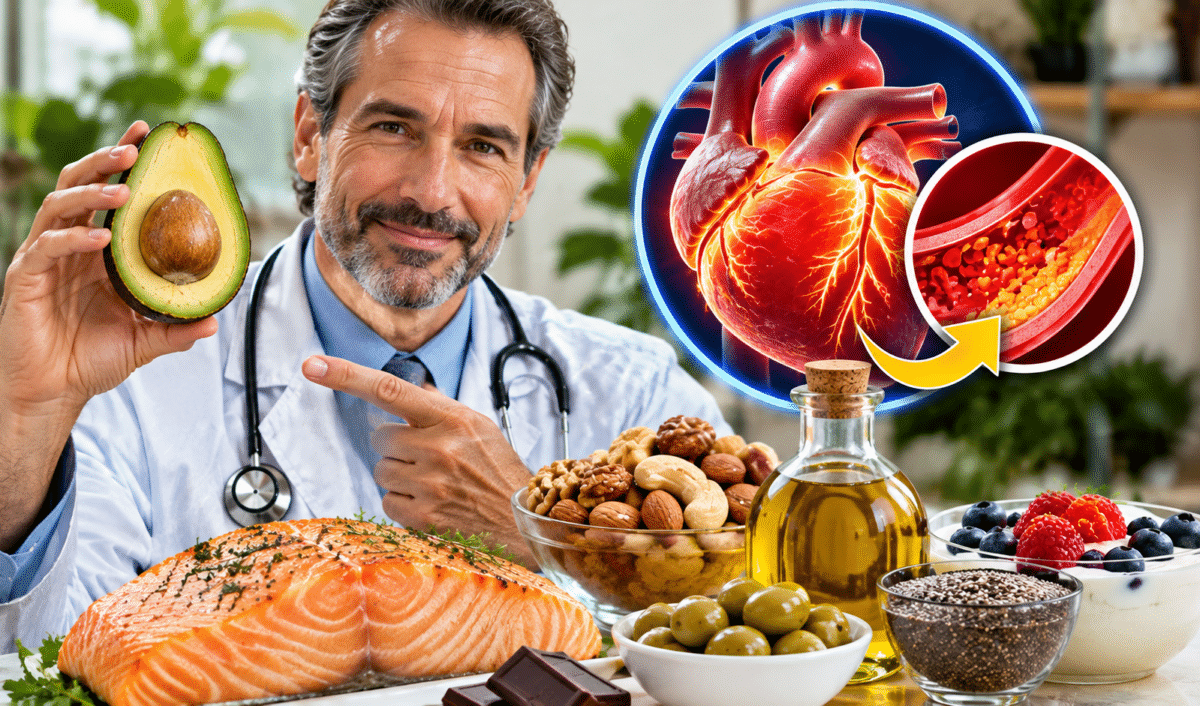
Heart doctors routinely eat olive oil, avocados, nuts, fatty fish, seeds and a little dark chocolate. Here is the evidence behind each, the serving sizes studied and the fats they still limit.
- 7 gOlive oil a day
- 1Avocado a week
- 5xNuts a week
- 2xFatty fish a week
- 1 ozSeeds
- 500 mgCocoa flavanols
By The Health DeskFact-checked against studies in NEJM, JACC and JAHA, American Heart Association guidance and CDC dataUpdated November 16, 2026Scope U.S. adults, heart-healthy eating
For decades, Americans were told that fat was the enemy of a healthy heart. Low-fat cookies and fat-free salad dressings filled grocery shelves. Yet when cardiologists describe their own meals, many of their staples are rich in fat: olive oil drizzled on vegetables, a handful of nuts as a snack, salmon for dinner, avocado on toast.
That is not a contradiction. Cardiologists distinguish between the type of fat and the amount. The fats they eat are mostly unsaturated, and large studies tie them to lower rates of heart disease, which killed 680,981 Americans in 2023, according to the American Heart Association’s 2026 statistics update. Here are six high-fat foods heart specialists commonly name, what the research found for each and how much was studied.
What We Know
- Unsaturated fats from plants and fish are linked to lower heart risk.
- A randomized trial showed benefits from olive oil and nuts.
- The AHA recommends two servings of fatty fish a week.
- Swapping butter and processed meat for these foods is linked to lower risk.
What Is Still Unclear
- How much of each benefit comes from the food or from overall diet.
- Whether chocolate itself, rather than cocoa extract, protects the heart.
- The ideal daily amount of each food for different people.
- Whether results from mostly white U.S. health professionals apply to everyone.
The Scale of the Problem on America’s Plates
Heart disease has been the leading cause of death in the United States for more than a century, according to the American Heart Association. Its 2026 statistics update, covering 2023 data, reported 915,973 deaths from all cardiovascular disease, including stroke and heart failure. That works out to one death every 34 seconds. Heart disease alone accounted for 22% of U.S. deaths.
There is some good news. Total cardiovascular deaths fell from 941,652 in 2022 to 915,973 in 2023, the first decline in five years. Coronary heart disease deaths fell from 371,506 to 349,470. Diet is one of the most powerful levers individuals control, which is why cardiologists pay close attention to what they eat.
U.S. Deaths From Heart Disease and Related Causes
Good Fat, Bad Fat: The Distinction That Matters
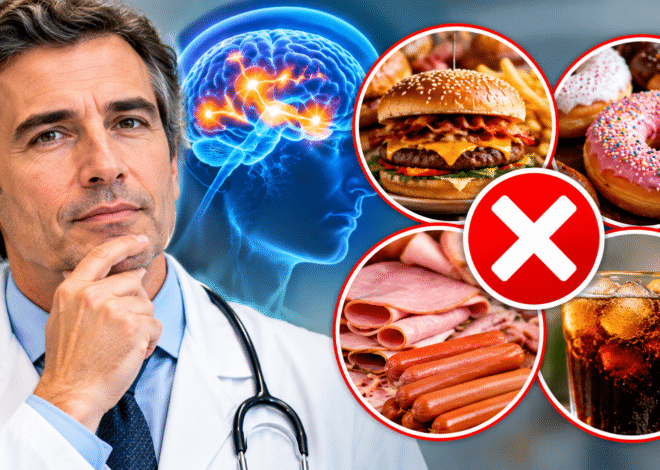
Not all fat behaves the same way in the body. Unsaturated fats, found in plant oils, nuts, seeds, avocados and fish, tend to lower LDL cholesterol when they replace saturated fat. Saturated fat, found mostly in butter, fatty meat, full-fat dairy and tropical oils such as coconut oil, tends to raise it. Industrial trans fat, now largely banned in the United States, is the most harmful of all.
- Eat oftenMonounsaturated and polyunsaturatedOlive oil, avocado, nuts, seeds, salmon, sardines, mackerel. Linked to lower LDL cholesterol and heart risk.
- LimitSaturatedButter, cheese, fatty red meat, coconut oil. The AHA advises keeping it to about 6% of calories, about 13 grams on 2,000 calories.
- AvoidIndustrial transPartially hydrogenated oils, banned from U.S. foods since 2018. Raises LDL and lowers HDL cholesterol.
Cardiologists’ enthusiasm for these foods is about substitution as much as addition. In the Harvard avocado study, swapping half a daily serving of margarine, butter, egg, yogurt, cheese or processed meat for avocado was linked to a 16% to 22% lower risk of cardiovascular disease. Adding avocado on top of a diet already heavy in saturated fat is not the same thing.
The Six Foods, One by One
Each panel below lists the serving size used in the research, the headline finding and the study behind it.
Extra Virgin Olive Oil, the Mediterranean Anchor
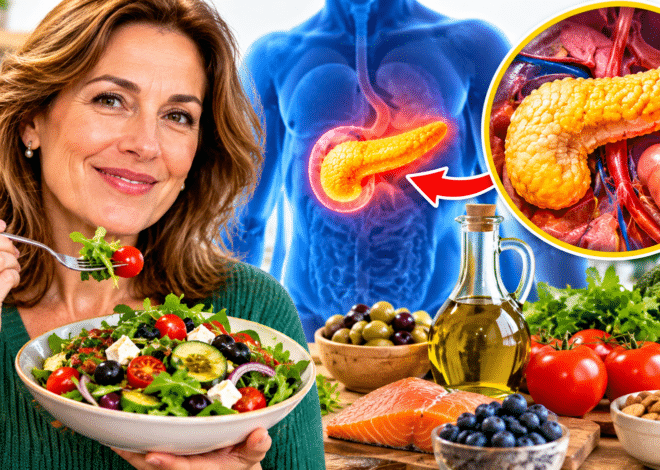
Olive oil has the strongest evidence of any food on this list. The PREDIMED trial in Spain randomly assigned 7,447 people at high cardiovascular risk to a Mediterranean diet with about 1 liter of extra virgin olive oil a week per household, a Mediterranean diet with 30 grams of mixed nuts a day, or a low-fat control diet. Over a median of 4.8 years, the olive oil group had about 30% fewer heart attacks, strokes and cardiovascular deaths. The 2013 paper was retracted and republished in 2018 after randomization problems, with similar results.
In the United States, a 2022 Harvard study of 92,383 adults followed for up to 28 years, published in the Journal of the American College of Cardiology, found that eating more than 7 grams, about half a tablespoon, a day was linked to 19% lower risk of dying from cardiovascular disease.
- 30%Fewer major events, PREDIMED
- 19%Lower CVD death, Harvard 2022
- 7 gDaily threshold studied
Avocados: Creamy, Filling and Studied for 30 Years
Avocados are rich in monounsaturated fat, fiber and potassium. A Harvard study published in the Journal of the American Heart Association in March 2022 followed more than 110,000 adults for 30 years. People who ate at least two servings a week, with a serving defined as half an avocado, had a 16% lower risk of cardiovascular disease and 21% lower risk of coronary heart disease than those who rarely ate them. Avocados are calorie-dense, at about 240 calories each, according to Prevention, so portions matter.
- 16%Lower cardiovascular disease
- 21%Lower coronary heart disease
- 110,000+Adults, 30 years
Walnuts, Almonds and Peanuts: The Snack With a Heart Record
A 2017 study in the Journal of the American College of Cardiology, the largest of its kind at the time, followed more than 210,000 people for up to 32 years. Eating five or more servings of nuts a week was linked to a 14% lower risk of cardiovascular disease and 20% lower risk of coronary heart disease. Walnuts stood out: eating them at least once a week was linked to 19% lower cardiovascular disease risk. Peanuts, technically a legume, showed similar benefits.
- 14%Lower CVD, 5+ servings a week
- 20%Lower coronary heart disease
- 28 gOne serving, about 14 walnut halves
Salmon, Sardines and Mackerel: Omega-3s on the Menu
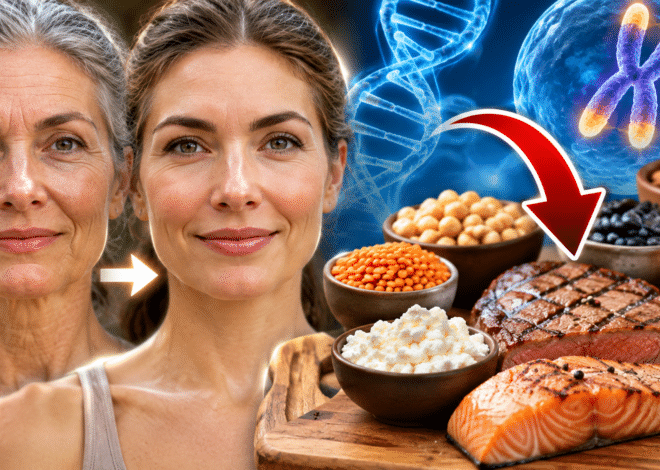
Fatty fish supply the long-chain omega-3 fats EPA and DHA. In a 2018 science advisory, the American Heart Association reaffirmed its advice to eat two 3.5-ounce servings of non-fried fish a week, especially oily fish such as salmon, mackerel, herring, lake trout, sardines or albacore tuna. The AHA said one 4-ounce serving of salmon a week provides the recommended intake of about 250 milligrams of omega-3s a day. Benefits are greatest when fish replaces meats high in saturated fat.
- 2Servings a week, AHA
- 3.5 ozPer serving, non-fried
- 250 mgDaily omega-3 target
Chia and Flax: Tiny Seeds, Plant Omega-3s
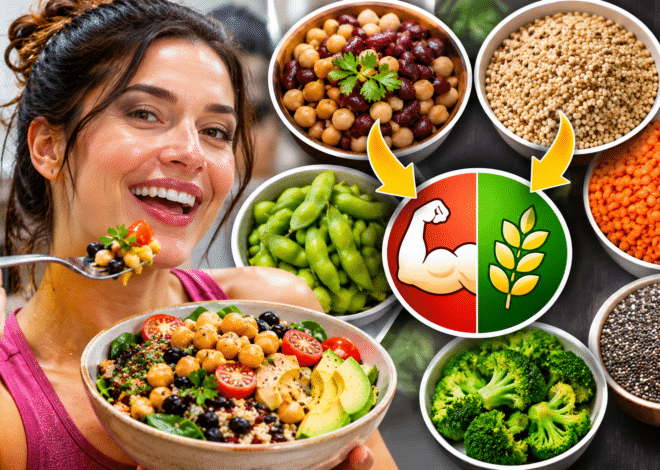
Chia and ground flaxseed provide ALA, the plant form of omega-3 fat, along with fiber. Kaiser Permanente’s heart-health guidance lists walnuts and flaxseed as plant sources of ALA, and the AHA counts them among heart-healthy fats. One ounce of chia seeds carries about 10 grams of fiber and nearly 5 grams of protein, according to figures reported by The New York Times. Direct heart-outcome trials for seeds are limited, so their place on this list rests mainly on nutrient profile and their role in healthy dietary patterns.
- 1 ozTypical serving
- 10 gFiber in 1 oz chia
- 5 gProtein in 1 oz chia
Dark Chocolate: The Treat With an Asterisk
Cocoa contains flavanols that may help blood vessels relax. The COSMOS trial, which randomized more than 21,000 older adults, found that a daily cocoa extract supplement with 500 milligrams of flavanols reduced cardiovascular death by 27%, though the 10% reduction in total cardiovascular events was not statistically significant. Researchers stressed that “COSMOS was not a chocolate trial.” Co-leader JoAnn Manson has said you would need to eat about 600 calories of high-flavanol dark chocolate to reach that dose, so a small square is a treat, not a treatment.
- 27%Lower CV death, cocoa extract
- 21,000+COSMOS participants
- 500 mgDaily flavanols tested
How Much Lower Was Heart Risk? Findings Behind the Six Foods
Portion Is the Part People Forget
High-fat foods are calorie-dense, and the studies behind them used modest amounts. The serving sizes below are what researchers or guidelines actually tested or recommended, not open-ended permission.
Serving Sizes Used in the Research, in Grams
| Food | Main fat type | Serving studied | Key study | Headline finding | Watch out for |
|---|---|---|---|---|---|
| Extra virgin olive oil | Monounsaturated | More than 7 g a day | JACC 2022; PREDIMED 2018 | 19% lower CVD death; 30% fewer events | About 120 calories per tablespoon |
| Avocado | Monounsaturated | Half fruit, 2+ a week | JAHA 2022 | 16% lower CVD, 21% lower CHD | About 240 calories per fruit |
| Nuts | Mono and polyunsaturated | 28 g, 5+ times a week | JACC 2017 | 14% lower CVD, 20% lower CHD | Salted and candied versions |
| Fatty fish | Omega-3 EPA and DHA | 3.5 oz, twice a week | AHA advisory 2018 | Lower heart failure, CHD, cardiac arrest risk | Frying cancels benefits |
| Chia and flax seeds | Omega-3 ALA | 1 oz | Nutrient profile; limited trials | 10 g fiber per ounce of chia | Whole flax passes undigested |
| Dark chocolate | Saturated, with flavanols | 500 mg flavanols as extract | COSMOS 2022 | 27% lower CV death with extract | Sugar and saturated fat in bars |
The olive oil calorie figure and the note on whole flaxseed reflect standard nutrition references and are indicative. Product labels give exact values.
The Fats Cardiologists Still Keep Off Their Plates
Eating healthy fats works best alongside cutting less healthy ones. In interviews collected by Today and BuzzFeed, cardiologists consistently named fatty red meat, processed meats such as bacon and hot dogs, butter, and fried foods as foods they rarely eat. Cardiologist Dr. Andrew Freeman of National Jewish Health in Denver has warned that coconut oil, often marketed as healthy, has more saturated fat than lard.
How the Science on Dietary Fat Shifted
The move from “low-fat” to “right fat” advice has been driven by a series of major studies over roughly a decade.
- 2013PREDIMED first published: 7,447 participants
- Nov 2017Nuts study of 210,000+ people in JACC
- May 2018AHA reaffirms two fish meals a week
- Jun 2018PREDIMED republished in NEJM, 30% benefit
- Jan 2022Olive oil linked to 19% lower CVD death
- Mar 2022Avocado study in JAHA; COSMOS cocoa results
- Jan 2026AHA reports 915,973 CVD deaths for 2023
Building a Cardiologist-Style Week
You do not need to eat all six foods every day. These steps translate the research into simple routines.
- Make olive oil your default fatUse it for sautéing, roasting and dressings instead of butter; half a tablespoon a day meets the threshold studied.
- Eat avocado twice a weekSwap it for cheese, mayo or processed meat on sandwiches and salads.
- Snack on unsalted nuts five times a weekOne ounce is about a small handful; include walnuts.
- Schedule two fish dinnersChoose salmon, sardines or mackerel, baked or grilled, not fried.
- Sprinkle seedsAdd a tablespoon of chia or ground flax to oatmeal, yogurt or smoothies.
- Keep chocolate smallA square of high-cocoa dark chocolate is a treat, not a heart medicine.
- 7 g olive oil a dayAbout half a tablespoon
- 2 avocado servings a weekHalf a fruit each
- 5 nut servings a week1 ounce each
- 2 fish servings a week3.5 ounces each
- 13 g saturated fatAHA daily cap on 2,000 calories
- 0 g trans fatAvoid partially hydrogenated oils
Frequently Asked Questions
What high-fat foods are good for your heart?
Extra virgin olive oil, avocados, nuts, fatty fish such as salmon and sardines, and seeds such as chia and flax are the high-fat foods most linked to lower heart disease risk.
How much olive oil should I eat a day for heart health?
A Harvard study linked more than 7 grams, about half a tablespoon, a day to 19% lower cardiovascular death. The PREDIMED trial used much more, about 1 liter per household per week.
Are avocados good for your heart?
Yes. A 2022 study of more than 110,000 adults found two or more servings a week, each half an avocado, linked to 16% lower cardiovascular disease risk.
How many nuts should I eat a day?
About one ounce, a small handful, five or more times a week. That amount was linked to 14% lower cardiovascular disease risk in a study of more than 210,000 people.
How often should I eat fish for heart health?
The American Heart Association recommends two 3.5-ounce servings of non-fried fish a week, preferably oily fish like salmon, mackerel or sardines.
Is dark chocolate good for your heart?
Cocoa flavanols show promise, but the COSMOS trial used a supplement, not chocolate. A small square of dark chocolate is fine as a treat, not as heart protection.
Is coconut oil heart healthy?
Cardiologists generally advise limiting it because it is mostly saturated fat, with more saturated fat than lard.
How much saturated fat should I eat a day?
The American Heart Association advises about 6% of calories, roughly 13 grams on a 2,000-calorie diet. Federal guidelines set the limit at under 10% of calories.
The Short Version
Cardiologists do not avoid fat; they choose it carefully. Extra virgin olive oil, avocados, nuts, fatty fish and seeds are the high-fat foods with the best heart evidence, from a randomized trial showing about 30% fewer heart events with olive oil and nuts to large studies linking avocados and nuts to 14% to 21% lower risk. Dark chocolate is a small treat, not a remedy. The key is replacing butter, fatty red meat, processed meat and coconut oil with these foods, in modest portions.

Omisha is a health writer passionate about turning complex medical research into clear, actionable content readers can trust. She covers everything from nutrition and mental wellness to chronic disease management, always grounding her work in credible science and real-world relevance. When she's not writing, she's usually reading up on the latest health studies or exploring new wellness trends to write about next.