Nutrition ResearchKetogenic DietNov 2026 Study
Does Keto Cause Inflammation? A New Study Says the Answer May Depend on Which Saturated Fat You Eat
In mice, a ketogenic diet built on long-chain saturated fats raised inflammatory immune cells across organs, while a coconut oil version did not. The research was published November 13, 2026, in Science Advances.
- By the Nutrition Research Desk
- Checked against the journal paper, university releases and federal guidance
- Updated November 24, 2026
- Scope: mouse and cell research; U.S. readers
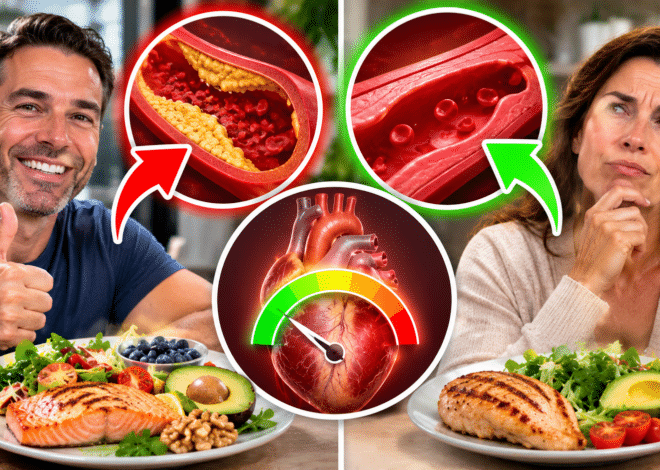
Ask ten keto followers whether the diet fights inflammation and most will say yes. Ask researchers and the answer gets messier. Some studies find ketogenic diets calm the immune system; others find the opposite. A new paper offers one explanation for the split: it may not be the ketones at all, but the specific fats on the plate.
The study comes from a team led by David Gius, MD, PhD, director of the University of Cincinnati Cancer Center. It tested two high-fat ketogenic diets in mice that were nearly identical in total fat but different in fat type. One raised inflammatory immune cells in the heart, kidneys, liver, brain and fat. The other, made with coconut oil, did not show that rise where it was measured.
The answer: Keto itself may not be the problem; the fat mix may be. In mice, a keto diet where about 26% of the fat came from long-chain saturated fats (palmitic and stearic acid) increased proinflammatory macrophages in several organs. A coconut oil keto diet with about 12% long-chain saturated fats did not raise inflammatory markers in the heart and kidney. Palmitic acid also triggered inflammatory signaling in human immune cells in the lab. No human diet trial has confirmed this yet.
- 26%Long-chain saturated fat in the inflammatory keto diet
- 12%Long-chain saturated fat in the coconut oil keto diet
- 90%Calories from fat in both mouse keto diets
- 21 daysTime for inflammatory cells to build up in organs
What We Know From the New Research
These findings come from the published paper and from accounts of it by the University of Cincinnati and science news outlets.
- 1The study, “Ketogenic diets induce proinflammatory macrophage accumulation through long-chain saturated fatty acids driving cGAS-STING signaling,” appeared in Science Advances on November 13, 2026.
- 2Mice ate a standard diet or one of two keto diets with about 90% of calories from fat: a Crisco-style shortening diet or a coconut oil diet.
- 3After 21 days on the shortening keto diet, mice had more proinflammatory macrophages in the heart, kidneys, liver, brain and white fat; a four-month test showed a similar pattern.
- 4In lab dishes, palmitic and stearic acid pushed immune cells toward inflammation; lauric acid and unsaturated fats such as omega-3s did not.
- 5Human immune cells exposed to palmitic acid activated the cGAS-STING and inflammasome alarm systems.
- 6It was not a clinical trial in people. A human trial is underway at UT Health San Antonio, and one will open at the UC Cancer Center.
What Is Still Unclear
This is early-stage science. The gaps matter as much as the findings.
- Whether people respond the same way. The diet experiments were in mice. Human cells reacted similarly in dishes, but a dish is not a body.
- Small groups. Groups held roughly 3 to 6 mice, according to StudyFinds’ review of the paper, and several key experiments used only males.
- Age. The mice started young, at about 5 to 6 weeks old. The authors say older bodies may respond differently and are studying that.
- Coconut oil’s full picture. The coconut oil diet was tested for 21 days in only the heart and kidney, and its cGAS-STING activity was not examined.
Two Keto Diets, Same Fat Load, Different Immune Response
The design is what makes this study stand out. Both keto diets delivered about 90% of calories from fat, and blood ketone tests confirmed the mice were in ketosis. The variable was which fats supplied those calories.
How the two mouse keto diets differed
Percent. Fat as share of calories, and long-chain saturated fatty acids (palmitic C16:0 plus stearic C18:0) as share of fat. Science Advances paper as reported by StudyFinds, ScienceAlert and Seoul Economic Daily.
That last bar is the twist. The coconut oil diet was more saturated overall, at over 90% saturated fat, yet produced less inflammation. Coconut oil’s saturated fats are mostly shorter chains, led by lauric acid, which has 12 carbon atoms. The shortening diet carried more of the 16- and 18-carbon chains, palmitic and stearic acid.
The authors also noted something about their own diet choice. In the Science Advances abstract, they write that their shortening diet was relatively low in long-chain saturated fats compared with commonly used lard- or cocoa butter-based formulations, yet it still triggered the response.
- 5Organs and tissues where inflammatory cells rose
- 4 monthsLonger test showed a similar pattern
- 17Authors listed on the paper
- 3 to 6Mice per group in key experiments
How a Fat Molecule Sets Off a Cellular Alarm
The study traced a chain of events inside immune cells called macrophages. These cells normally clear debris and fight pathogens. When they pile up in an attack mode, they can feed the kind of long-running, low-grade inflammation tied to many chronic conditions.
- Step 1 · 90% fatMice eat a keto diet heavy in palmitic and stearic acid, 26% of fat.
- Step 2 · MitochondriaCells show mitochondrial stress; kidney cells leak stray mitochondrial DNA.
- Step 3 · cGAS-STINGThat DNA can trip the cGAS-STING sensor, an alarm built to detect infection.
- Step 4 · MacrophagesProinflammatory macrophages build up in 5 tissues by day 21.
- Step 5 · KidneyAfter 4 months, kidney energy and lipid metabolism are altered.
- Step 6 · STING removedMice lacking immune-cell STING showed almost none of the kidney inflammation.
The STING experiment is the strongest evidence for the mechanism. When the researchers removed STING from macrophages and related immune cells, mice on the shortening keto diet for four months showed almost none of the inflammatory kidney markers seen in normal keto-fed mice. The authors say this reduced the effect “at least in part,” which leaves room for other pathways.
QuoteWhat the lead researcher recommends
Gius told Medical News Today that the data could be used to inform people on a ketogenic diet to consider foods enriched for medium-chain fatty acids and long-chain unsaturated fatty acids, and lower amounts of long-chain saturated fatty acids. He also said ketogenic diets may change tumor environments in ways that could improve immunotherapy outcomes, which is why his cancer center is pursuing the work.
Which Everyday Fats Carry the Most Palmitic and Stearic Acid
The study’s diets were lab formulas, but the fatty acids in them are everywhere in a typical keto kitchen. Published fatty acid tables show how much of each fat is made of the two long-chain saturated fats the study flagged.
Palmitic plus stearic acid as a share of total fatty acids
Percent of fatty acids, our sum of C16:0, C18:0 and longer saturated chains from a published composition table (PMC4512021); butter and canola from a university chemistry table adapted from Gunstone. Typical values; products vary.
Palm oil, beef tallow, lard and butter sit at the top. That matters because these are staples of many keto plans, from butter coffee to tallow-fried foods. Medical News Today’s coverage named red meat and egg yolks among sources of long-chain saturated fats, and said unsaturated fats come mostly from plant oils, nuts, seeds, avocados and fish.
ProfileWhy coconut oil behaves differently
What coconut oil is made of
Percent of total fatty acids in coconut oil, from a published composition table (PMC4512021). Lauric acid is a 12-carbon saturated fat; palmitic and stearic are 16 and 18 carbons.
Most of coconut oil’s fat is in chains of 12 carbons or fewer. In the study’s cell tests, lauric acid did not trigger the inflammatory response that palmitic and stearic acid did. The authors cautioned that coconut oil’s result may reflect a threshold effect of palmitic and stearic acid combined, or competing effects between fats, and that the role of each fatty acid needs more study.
Worked Example: Same 60 Grams of Fat, Very Different Profiles
Here is what the composition numbers mean for a single day’s added fat. This is our arithmetic using the published percentages above, not a diet plan, and it counts grams of fat rather than grams of the whole food.
60 g of added fat, four ways
- Butter fat: palmitic plus stearic (37%)22.2 g
- Butter fat: total saturated (61%)36.6 g
- Coconut oil: palmitic plus stearic (11.3%)6.8 g
- Coconut oil: total saturated (86.9%)52.1 g
- Canola oil: palmitic plus stearic (6%)3.6 g
- Canola oil: total saturated (6%)3.6 g
- Federal saturated fat limit, 2,000-calorie dayAbout 20 g
Swapping butter for coconut oil cuts long-chain saturated fat by about 70%, but raises total saturated fat. That is why this study is not a green light for unlimited coconut oil. The Dietary Guidelines for Americans, 2025–2030, still advise keeping saturated fat below 10% of calories, about 20 grams on a 2,000-calorie day, according to Oklahoma State University Extension’s summary.
| Fat source | Palmitic + stearic share | Total saturated share | Long-chain sat. in 60 g | Total sat. in 60 g |
|---|---|---|---|---|
| Palm oil | 48.9% | 50.0% | 29.3 g | 30.0 g |
| Beef tallow | 44.0% | 48.7% | 26.4 g | 29.2 g |
| Lard | 37.5% | 39.1% | 22.5 g | 23.5 g |
| Butter | 37% | 61% | 22.2 g | 36.6 g |
| Poultry fat | 27.6% | 28.6% | 16.6 g | 17.2 g |
| Corn oil | 13.0% | 13.4% | 7.8 g | 8.0 g |
| Coconut oil | 11.3% | 86.9% | 6.8 g | 52.1 g |
| Flaxseed oil | 9.4% | 9.4% | 5.6 g | 5.6 g |
| Canola oil | 6% | 6% | 3.6 g | 3.6 g |
From Lab Bench to Clinic: The Research Timeline
The new paper is one step in a longer process. Human evidence is coming, but not yet.
- Sep 18, 2023University of Alberta begins KETO-IM, a trial comparing keto diets made with saturated versus unsaturated fats on metabolic and inflammatory outcomes.
- Feb 17, 2026The Gius team submits its paper to Science Advances.
- Oct 9, 2026The paper is accepted for publication.
- Nov 13, 2026Published in Science Advances, volume 12, issue 46.
- Jan 31, 2027Estimated primary completion date for the Alberta KETO-IM trial on ClinicalTrials.gov.
The Alberta trial, listed as active and not recruiting as of October 2026, is the kind of study that could show whether the mouse finding holds in people. The UC team’s own human trials, at UT Health San Antonio and soon in Cincinnati, will add more.
Earlier research is a reminder of how mixed the picture is. A 2024 mouse study of 36 male mice found a ketogenic diet protected against experimental colitis whether its fat came from saturated fat or from linoleic acid, a polyunsaturated fat. Different tissues, different fats and different conditions can produce different answers.
Five Keto Assumptions This Study Complicates
The headlines are easy to over-read in both directions. These are the most common mistakes.
Assumptions, corrected
- “Keto is proven to cause inflammation.” The study was in mice and cells. It suggests fat type matters; it does not show keto harms people.
- “All saturated fat is the same.” In the study, 12-carbon lauric acid did not trigger the response that 16- and 18-carbon palmitic and stearic acid did.
- “Coconut oil is now a health food.” It is about 87% saturated fat. Swapping into it raises total saturated fat, which federal guidance still limits.
- “Ketones cancel out any fat.” Ketones softened palmitic acid’s effect in dishes, but the mice were in ketosis and still developed inflammation.
- “This changes medical keto.” Doctors use ketogenic diets for conditions such as epilepsy. No one should change a prescribed diet based on a mouse study.
A Practical Fat-Swap Checklist for Keto Eaters
If you follow a ketogenic diet and want to act on what is known so far, these steps follow the lead researcher’s suggestion while staying inside federal guidance. Talk to your clinician first if your diet is medically supervised.
- Favor canola, olive and other plant oils; canola is about 6% palmitic plus stearic.
- Limit palm oil and shortening, near 49% palmitic plus stearic in palm oil.
- Go easier on tallow, lard and butter, at 37% to 44%.
- Add fish, nuts, seeds and avocado for unsaturated fats.
- Treat coconut oil as an occasional swap; it is about 87% saturated.
- Keep saturated fat under 10% of calories, about 20 g on 2,000 calories.
- Read labels for palm oil and “shortening” in keto snacks and bars.
- Watch for results from human trials expected from 2027 onward.
Frequently Asked Questions
Does the keto diet cause inflammation?
It depends on the fats, according to a November 2026 study in mice. A keto diet rich in long-chain saturated fats raised inflammatory immune cells in several organs, while a coconut oil keto diet did not raise inflammatory markers in the heart and kidney. Human trials have not confirmed this yet.
Which saturated fats were linked to inflammation?
Palmitic acid (16 carbons) and stearic acid (18 carbons), the main long-chain saturated fats in palm oil, tallow, lard and butter. Higher palmitic acid doses had stronger effects in lab cells.
Is coconut oil better on a keto diet?
In this mouse study, a coconut oil keto diet with about 12% long-chain saturated fat did not cause the same inflammatory response. But coconut oil is about 87% saturated fat overall, and federal guidance still advises keeping saturated fat under 10% of calories.
Was the study done in humans?
No. The diet experiments were in mice. Human immune cells responded to palmitic acid in lab dishes, but no human diet trial was part of the paper. Human trials are underway at UT Health San Antonio and planned at the University of Cincinnati.
What are medium-chain fatty acids?
They are fats with shorter carbon chains, concentrated in coconut oil, palm kernel oil and small amounts of dairy fat. Coconut oil’s main fat, lauric acid, has 12 carbons and did not trigger inflammation in the study’s cell tests.
What fats should I eat on keto to reduce inflammation?
The lead researcher suggested foods richer in medium-chain and long-chain unsaturated fatty acids and lower in long-chain saturated fats. Unsaturated fats come mostly from plant oils, nuts, seeds, avocados and fish.
What is cGAS-STING?
It is a cellular alarm system that senses DNA where it should not be, such as during infection. In the study, mitochondrial DNA leaking from stressed cells appeared to trip this alarm, and removing STING largely blocked the kidney inflammation.
Should I stop keto because of this study?
Not on the basis of one mouse study. It suggests paying attention to fat quality rather than abandoning the diet. Anyone on a medically supervised ketogenic diet should talk with their care team before making changes.
The Short Version
A Science Advances study published November 13, 2026, found that in mice, a ketogenic diet with about 26% long-chain saturated fat raised proinflammatory immune cells in the heart, kidneys, liver, brain and fat within 21 days. A coconut oil keto diet with 12% long-chain saturated fat did not raise those markers in the heart and kidney. Palmitic and stearic acid appear to stress mitochondria and trip the cGAS-STING alarm. The findings are early and not yet tested in human diets. For now, favoring unsaturated fats while keeping saturated fat under federal limits is a reasonable step.

Omisha is a health writer passionate about turning complex medical research into clear, actionable content readers can trust. She covers everything from nutrition and mental wellness to chronic disease management, always grounding her work in credible science and real-world relevance. When she's not writing, she's usually reading up on the latest health studies or exploring new wellness trends to write about next.