Nutrition · Weight Loss · GLP-1 Science
Can “Nozempic” Foods Really Mimic Weight-Loss Shots? What 6 Filling Foods Can and Can’t Do
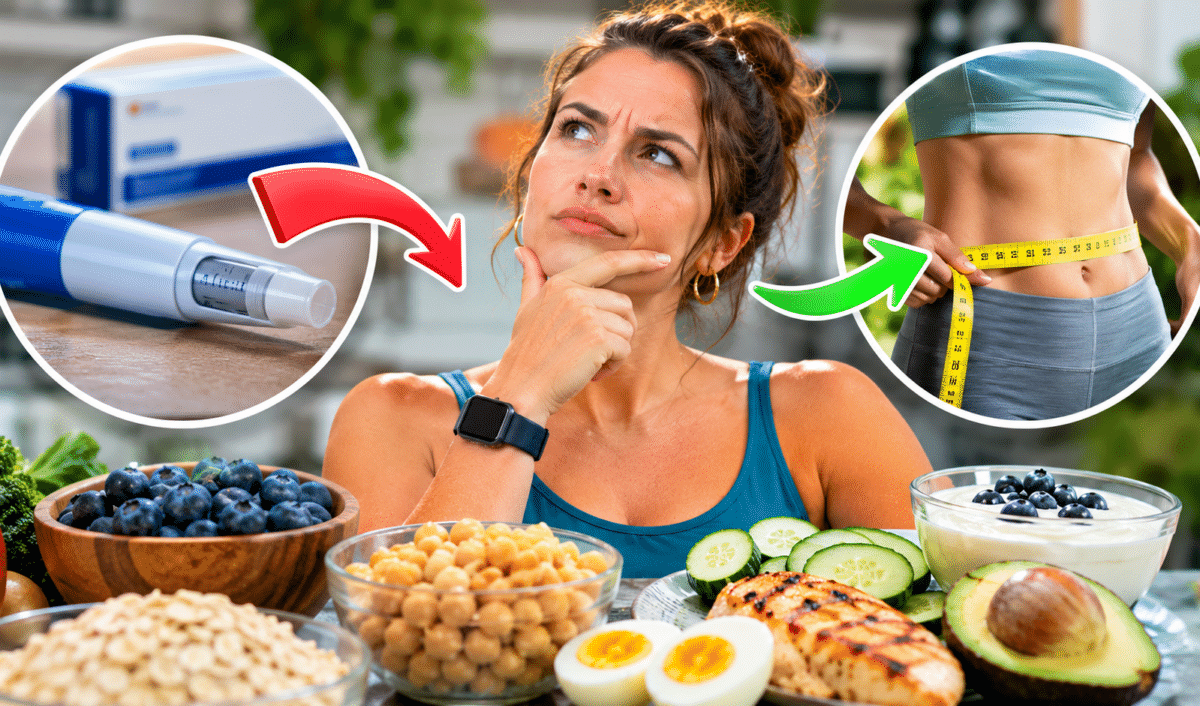
Oats, pulses, seeds, nuts, tinned fish and avocado can raise the body’s own GLP-1 and help people feel full. Research shows the effect is real but far smaller and shorter-lived than Wegovy or Zepbound.
- By the Nutrition Science Desk
- Checked against clinical trials, CDC and KFF data
- Updated November 26, 2026
- Scope: U.S. readers, food and drug evidence to date
A month of brand-name weight-loss injections still costs hundreds of dollars for many Americans paying cash. A canister of oats costs a few dollars. So it is no surprise that social media has rebranded porridge as “nature’s Ozempic,” and that shoppers are filling their carts with foods promised to work like the shots.
The trend has now shown up in hard sales data. A British supermarket’s annual food report found oat sales more than doubled in a year. The idea behind the hype is not invented: certain foods do trigger GLP-1, the same gut hormone the drugs imitate. The question is how much, for how long, and whether that adds up to meaningful weight loss.
What We Know About the “Nature’s Ozempic” Boom
- Sales are surging. Waitrose said sales of its own-brand Scottish Oats rose 124% in a year, and searches for overnight oats on its website rose 160%.
- Shoppers are deliberate. In a Waitrose poll of more than 4,000 customers, 64% said they actively choose foods like oats to feel fuller for longer.
- Food triggers GLP-1. Fiber, protein and fat stimulate gut L-cells to release GLP-1, which slows digestion and signals fullness, according to Ohio State University’s Wexner Medical Center.
- The drugs are far stronger. Semaglutide and tirzepatide hold GLP-1 receptor activity high around the clock. Native GLP-1 lasts only minutes.
- Americans eat too little fiber. A 2026 report in the Journal of the American College of Cardiology found only 6% of U.S. adults meet the recommended daily intake.
What Is Still Unclear
- Long-term food trials. Most studies measure GLP-1 for a few hours after a single meal. Few track weight for a year or more.
- Which fiber works best. Researchers think fermentable and viscous fibers matter most, but the ideal type and dose are not settled.
- U.S. sales data. The sales figures come from a British retailer. Comparable U.S. grocery data on the trend has not been published.
- Food after the drug. Whether a high-fiber, high-protein diet helps people keep weight off after stopping GLP-1 drugs still needs more study.
Why a Bowl of Oats Is Not a Weekly Injection
GLP-1 is made by L-cells lining the small intestine and colon. When nutrients reach those cells, they release the hormone. It tells the pancreas to release insulin, slows the stomach from emptying and signals the brain that you have eaten enough. That is why a fiber-rich meal can keep you satisfied until lunch.
The catch is lifespan. An enzyme called DPP-4 breaks natural GLP-1 down within minutes, so the signal fades soon after a meal. Semaglutide is built to resist that enzyme, which is why it can be injected once a week. University of Arizona researcher Frank Duca told NPR that fermentable fiber can extend GLP-1 release for hours as gut bacteria digest it. That is a meaningful advantage over a low-fiber breakfast. It is still not a weeklong signal.
Average weight change in major obesity trials
Percent of starting body weight. STEP 1 and STEP 3 (semaglutide, 68 weeks); SURMOUNT-1 and SURMOUNT-5 (tirzepatide and semaglutide, 72 weeks). Published trial results.
The placebo rows matter most for this debate. In STEP 3, people who followed a low-calorie diet with intensive behavioral therapy, but took no drug, lost an average of 5.7%. That is real progress, and for many people it is enough to improve blood pressure and blood sugar. But it is roughly a third of what the drugs delivered on top of the same program.
The Six Foods at the Center of the Trend
Waitrose’s report highlighted oats, pulses, seeds, nuts and tinned fish as the foods shoppers are reaching for, with savory porridge emerging as a new habit. We added avocado and olive oil because studies on monounsaturated fats show a GLP-1 response. Each works through fiber, protein or fat, the three nutrients that slow digestion.
- 1OatsRich in beta-glucan, a viscous fiber that thickens in the gut and slows digestion. Savory porridge with an egg adds protein.About 4 g fiber per half cup dry
- 2Pulses: lentils, beans, chickpeasCombine fermentable fiber with plant protein, the pairing researchers link to longer GLP-1 release.About 7 to 8 g fiber per half cup cooked
- 3Chia and flax seedsDense in soluble fiber that forms a gel with liquid. Easy to stir into oats or yogurt.About 10 g fiber per ounce of chia
- 4Nuts, especially pistachios and almondsSupply fat, protein and fiber together. Pistachios have been studied for GLP-1 effects.About 3 g fiber, 6 g protein per ounce
- 5Tinned salmon, tuna or sardinesProtein is one of the strongest triggers for fullness hormones, and tinned fish is cheap and shelf-stable.About 20 g protein per 3 ounces
- 6Avocado and olive oilMonounsaturated fats raised GLP-1 more than butter in one bread study, and avocado with a bagel raised it more than the bagel alone.About 5 to 7 g fiber per half avocado
Fiber per typical serving
Approximate grams of dietary fiber, based on USDA FoodData Central values. Indicative; brands and portions vary.
| Food | Main lever | Typical serving | Calories (approx.) | Watch out for |
|---|---|---|---|---|
| Oats | Viscous fiber (beta-glucan) | Half cup dry | About 150 | Sweetened instant packets |
| Lentils and beans | Fiber plus protein | Half cup cooked | About 110 to 115 | Gas if added too fast |
| Chia and flax seeds | Soluble fiber | 1 ounce | About 140 | Need extra fluid |
| Pistachios and almonds | Fat, protein, fiber | 1 ounce | About 160 | Easy to overeat |
| Tinned fish | Protein | 3 ounces | About 100 to 150 | Sodium in some brands |
| Avocado and olive oil | Monounsaturated fat | Half avocado or 1 tbsp oil | About 120 | Calorie density |
How you eat may matter as much as what you eat
Ohio State’s Wexner Medical Center notes that eating protein, fat or fiber before carbohydrates boosts GLP-1 more than eating carbs first. Writing in The Conversation, a nutrition researcher pointed to studies showing a breakfast at 8 a.m. produces a stronger GLP-1 response than the same meal at 5 p.m., and that chewing whole vegetables raises it more than drinking them pureed.
The Fiber Gap Most Americans Never Close
If these foods have a superpower, it is fixing a deficit most people already have. Stanford Medicine reports that the recommended daily fiber intake is 25 grams for women under 50 and 38 grams for men, falling to 21 and 30 grams after 50. The average American eats around 17 grams.
Daily fiber: recommended versus actual
Grams per day. Recommendations from Stanford Medicine summary of U.S. guidance (2026); actual intakes from a 2026 Journal of the American College of Cardiology report and Stanford.
That gap also explains why fiber’s measured weight effect is modest. A 2020 meta-analysis in the European Journal of Nutrition pooled 15 trials with 1,347 people on calorie-restricted diets. Adding viscous fiber supplements cut body weight by an extra 0.81 kilograms, about 1.8 pounds, compared with the diet alone. Body fat fell 1.39 percentage points. Useful, yes. Comparable to 15% of body weight, no.
- 40.3%U.S. adults with obesity, CDC, 2021 to 2023
- 12%Adults currently taking a GLP-1 drug, KFF, late 2025
- 56%GLP-1 users who found the drugs hard to afford, KFF
- 27%Insured users who paid the full cost themselves, KFF
What the Real Drugs Cost Americans Now
Cost is what pushes many people toward food alternatives. KFF polling found that about half of GLP-1 users said the drugs were difficult to afford, and that 27% of users with insurance paid the full price themselves. Prices have since fallen under a federal deal with Novo Nordisk and Eli Lilly, but they remain far higher than groceries.
Monthly price of GLP-1 obesity drugs
U.S. dollars per month. List prices and deal terms reported by Kiplinger, Healthline and NBC News, November 2025; TrumpRx launched February 2026.
Medicare’s new door
Under the deal, Medicare pays $245 a month for Wegovy and Zepbound, and eligible beneficiaries with obesity and related health conditions pay a $50 copay. Administration officials told NBC News that about 10% of Medicare enrollees would qualify.
A Day of “Nozempic” Eating, Worked Out
Example: closing the fiber gap with the six foods
- Half cup oats with 1 ounce chia seedsAbout 14 g fiber
- Lunch: half cup lentils and 3 ounces tinned salmon8 g fiber, 20 g protein
- Snack: 1 ounce pistachios3 g fiber, 6 g protein
- Dinner side: half an avocadoAbout 6 g fiber
- Total from these foods aloneAbout 31 g fiber
- Versus average American intake17 g, so about 14 g more
- Wegovy via TrumpRx for 12 months$350 x 12 = $4,200
Fiber and protein values are approximate USDA figures, and this menu is an illustration, not a prescription. It shows that the six foods can comfortably clear the 25 to 38 gram targets. Add fiber gradually over a few weeks and drink more water to limit bloating.
Who Should Lean on Food and Who May Need More
Food and medication are not rivals. Many doctors now recommend both, because people on GLP-1 drugs eat less overall and need protein and fiber to protect muscle and digestion. The useful question is what each person can reasonably expect.
- BMI 25 to 29.9Diet, fiber and activity are the first step. Modest loss of 5% can improve blood pressure and blood sugar.
- BMI 27+ with a conditionAsk a doctor about medication if diet alone stalls; FDA labels allow drugs at this level with conditions like hypertension.
- BMI 30 or moreMedication is a label option. Pair it with the six foods to protect muscle and ease side effects.
- Stopping a drugA high-protein, high-fiber plan may help limit regain, though long-term data are limited.
- Type 2 diabetesTalk with your care team before major diet changes; fiber can lower blood sugar and affect medication needs.
How We Got From Diabetes Drug to Grocery Fad
- Dec 2017FDA approves Ozempic (semaglutide) for type 2 diabetes.
- Feb 2021STEP 1 trial reports 14.9% average weight loss over 68 weeks.
- Jun 2021FDA approves Wegovy, semaglutide 2.4 mg, for chronic weight management.
- Nov 2023FDA approves Zepbound (tirzepatide) for weight management.
- Nov 2025Federal deal sets $350 TrumpRx prices and a $50 Medicare copay.
- Feb 2026TrumpRx launches with cash-pay GLP-1 prices.
- Sep 2026Report finds only 6% of U.S. adults meet fiber targets.
- Nov 2026Waitrose reports 124% jump in oat sales tied to “nature’s Ozempic.”
Myths That Spread With the Hashtag
What people get wrong about “Nozempic” foods
- “Oats work like Ozempic.” Oats raise natural GLP-1 briefly. The drug keeps receptor activity high for about a week per dose.
- “More fiber means faster weight loss.” Pooled trials show about 1.8 extra pounds, and adding too much too fast causes gas and bloating.
- “GLP-1 supplements are the shortcut.” WebMD reviewers note there is little evidence that pills marketed as GLP-1 boosters match the effect of food or medication.
- “Calories stop mattering.” Nuts, seeds and avocado are calorie-dense. One ounce of almonds has about 160 calories.
- “Oat drinks count.” Blending oats into a drink removes chewing, which itself appears to aid the fullness response.
Your Practical Starter List
- Aim for 25 g (women) or 38 g (men) of fiber daily, or 21 g and 30 g after 50.
- Raise fiber by about 5 g a week to let your gut adjust.
- Eat protein and vegetables before the starch on your plate.
- Include 20 to 30 g of protein at breakfast, such as eggs or Greek yogurt.
- Choose whole oats over instant packets with added sugar.
- Keep 3 to 4 cans of fish or beans for quick, filling meals.
- Measure nuts and seeds: 1 ounce is a portion.
- Talk to a doctor if your BMI is 30 or higher, or 27 with a condition.
Frequently Asked Questions
What foods naturally increase GLP-1?
Foods high in fiber, protein and healthy fats stimulate GLP-1 release. Oats, lentils, beans, chia and flax seeds, nuts, tinned fish, eggs, avocado and olive oil are among the best-studied options.
What is “Nozempic” or “Oatzempic”?
They are social media nicknames for eating foods or drinks, often oats, that are said to mimic weight-loss drugs. The foods can increase fullness, but they do not match the size or duration of the drugs’ effect.
Can food replace Ozempic or Wegovy?
No. In trials, semaglutide 2.4 mg produced 14.9% average weight loss over 68 weeks. Pooled fiber trials show about 0.81 kg of extra loss. Food can support weight loss and health but is not an equivalent treatment.
How much fiber should I eat per day?
U.S. guidance summarized by Stanford Medicine is 25 grams for women and 38 grams for men under 50, and 21 and 30 grams over 50. The average American eats around 17 grams.
Do oats help you lose weight?
Oats contain beta-glucan, a viscous fiber that slows digestion and may help you feel full. Weight loss still depends on your overall diet and calories.
How much does Wegovy cost without insurance in 2026?
Under the federal pricing deal, Wegovy is listed at $350 a month through TrumpRx, down from a previous list price of about $1,350. Some retailers offer cash prices around $499.
Are GLP-1 supplements effective?
There is little evidence that supplements marketed as GLP-1 boosters produce drug-like effects. Whole foods rich in fiber and protein are a better-supported choice.
Should I eat differently while taking a GLP-1 drug?
Many clinicians recommend prioritizing protein and fiber on these drugs to protect muscle and digestion. Ask your prescriber or a registered dietitian for advice specific to you.
The Short Version
“Nozempic” foods are real food with a hyped name. Oats, pulses, seeds, nuts, tinned fish and avocado trigger the body’s own GLP-1 and help people feel full, and most Americans would benefit from eating more of them. But natural GLP-1 lasts minutes, while semaglutide lasts days. Drug trials show 15% to 21% average weight loss, compared with about 1.8 pounds from added fiber in pooled studies. Use these foods to close the fiber gap and support any plan. If obesity is affecting your health, talk with a doctor about whether medication belongs in that plan too.

Omisha is a health writer passionate about turning complex medical research into clear, actionable content readers can trust. She covers everything from nutrition and mental wellness to chronic disease management, always grounding her work in credible science and real-world relevance. When she's not writing, she's usually reading up on the latest health studies or exploring new wellness trends to write about next.