Cancer Research / Exercise Oncology / U.S. Patients
Exercise After Cancer Cut the Risk of Death by 37% — What Does “Living Longer” Actually Mean for You?
In a landmark colon cancer trial, a three-year coached exercise program meant about 7 more people alive out of every 100 after eight years. A 2026 review of 21 trials points the same way, with important limits.
8-year survival per 100 patients, CHALLENGE trial
83 alive with or without the program7 more alive with exerciseAbout 10 died in both groups
By The Cancer Health DeskFact-checked against NEJM, BJSM and ASCO data and American Cancer Society statisticsUpdated November 11, 2026Scope U.S. adults during and after cancer treatment
When a headline says exercise helps cancer patients “live longer,” what does that really mean? Does it add months, years or something harder to pin down? For a person sitting in an oncology clinic after chemotherapy, the difference between a 37% lower risk and seven extra survivors per hundred people is not academic. It shapes how much hope to invest, and how much effort.
The strongest answer so far comes from the CHALLENGE trial, published in the New England Journal of Medicine in 2025, with a cost analysis presented at the American Society of Clinical Oncology meeting in June 2026. A broader review in the British Journal of Sports Medicine followed in September. Together they suggest exercise is no longer just a feel-good add-on to cancer care. But reading the numbers correctly matters.
What We Know
- The CHALLENGE trial randomized 889 people after colon cancer chemotherapy, with median follow-up of 7.9 years.
- Five-year disease-free survival was 80.3% with exercise versus 73.9% without.
- A 2026 meta-analysis of 21 trials and 8,449 people found 26% fewer cancer deaths.
- Benefits were strongest in early-stage cancer and in people who completed at least 70% of their program.
What Is Still Unclear
- Whether the results apply to advanced cancer; evidence there is thin.
- The best type and dose of exercise; most evidence covers aerobic activity.
- Whether strength training alone helps survival; only one small trial tested it.
- How results apply beyond breast and colon cancer, which dominate the research.
Cancer in America: More Survivors Than Ever
The American Cancer Society’s Cancer Statistics, 2026 report projects about 2,114,850 new cancer diagnoses and 626,140 cancer deaths in the U.S. this year. But it also reported a milestone: for the first time, five-year relative survival for all cancers combined reached 70% for people diagnosed between 2015 and 2021, up from about half in the mid-1970s. Cancer mortality has fallen 34% since its 1991 peak, averting about 4.8 million deaths.
That growing survivor population, estimated by the American Cancer Society at about 18.6 million Americans as of January 2025, is why the question of life after treatment has become so pressing. Survival gains have come largely from earlier detection and better drugs. Exercise is now being tested with the same rigor.
Survival Gains for Hard-to-Treat Cancers
RecentMid-1990s
Inside the Trial That Changed the Conversation
The CHALLENGE trial, led by researchers including Kerry Courneya of the University of Alberta and run through the Canadian Cancer Trials Group, enrolled 889 people with stage 3 or high-risk stage 2 colon cancer who had finished chemotherapy 2 to 6 months earlier. Half, 445, were assigned to a structured exercise program. The other 444 received health education materials encouraging activity. The trial ran across 55 centers.
- Start2 to 6 months after chemoPatients enrolled once chemotherapy was finished.
- Year 1Sessions every 2 weeksCoaching and supervised exercise with qualified specialists.
- Years 2 to 3Monthly sessionsFocus shifted to keeping habits going independently.
- June 2025NEJM resultsPublished after a median follow-up of 7.9 years.
- June 2026ASCO cost analysisProgram estimated to save about $1,589 per patient.
- Sept. 2026BJSM review21 trials and 8,449 people across several cancers.
The program was not elite athletic training. According to CURE, it was designed around gradual increases in activity and long-term habit building, delivered by exercise specialists with behavioral coaching. National Geographic reported that participants reached roughly 150 minutes of moderate exercise a week, about the level of a brisk 30-minute walk five days a week.
CHALLENGE Trial Results: Exercise Versus Education
Exercise programEducation only
“Exercise has moved from not supporting that fight but having the ability to change the outcome of that fight,” Sharlene Gill, an oncologist at the University of British Columbia and a co-author, told National Geographic. The trial’s authors noted the survival benefit was similar in size to many approved cancer drugs.
What “Disease-Free Survival” Counts
Cancer trials often report two different survival measures, and they answer different questions. Overall survival simply counts who is alive. Disease-free survival counts people who are alive with no sign that the cancer has returned and no new primary cancer. It is a stricter measure, which is why the five-year disease-free figures in CHALLENGE, 80.3% and 73.9%, are lower than the eight-year overall survival figures. Some people whose cancer returned were still alive at eight years thanks to further treatment.
Both measures moved in the same direction, which strengthens the finding. A drop in recurrence that did not translate into fewer deaths would be less convincing. In CHALLENGE, exercise improved both over a median of almost eight years of follow-up.
Relative Risk Versus Real People: Reading the Numbers
Here is where many headlines stop short. A “37% lower risk of death” is a relative figure. It compares the two groups’ risk over time, expressed as a hazard ratio of 0.63. The absolute difference, how many actual people were affected, is smaller and more useful for personal decisions: 7.1 percentage points at eight years.
| Term you will see | CHALLENGE value | What it means | Per 100 patients |
|---|---|---|---|
| Hazard ratio, death | 0.63 | Risk of dying at any point was 37% lower with exercise | Relative measure, no head count |
| Hazard ratio, disease-free survival | 0.72 | Risk of recurrence, new cancer or death 28% lower | Relative measure, no head count |
| Absolute survival gain | 7.1 points | 90.3% versus 83.2% alive at 8 years | About 7 more people alive |
| Absolute disease-free gain | 6.4 points | 80.3% versus 73.9% disease-free at 5 years | About 6 fewer events |
| Number needed to treat, death | 14 | Patients in program to prevent 1 death | About 7 deaths prevented |
| Number needed to treat, recurrence | 16 | Patients in program to prevent 1 recurrence or new cancer | About 6 events prevented |
Why Exercise May Change Cancer Outcomes
Researchers are still working out the biology. The BJSM review authors pointed to effects on the immune system’s response to cancer, blood flow within tumors, lower levels of circulating sex hormones, better glucose uptake by muscles and repair of DNA damage. National Geographic noted research on increased natural killer and T cell activity, lower inflammatory markers such as IL-6, and improved insulin sensitivity. The CHALLENGE team’s next phase will analyze blood samples to pinpoint which changes matter.
The Bigger Picture: 21 Trials, Many Cancers
In September 2026, the British Journal of Sports Medicine published a systematic review and meta-analysis of randomized trials up to the end of 2025. It included 21 trials with 8,449 participants, 88% of them women, with an average age of 54 and average follow-up of 64 months. Breast cancer was the most common diagnosis, followed by bowel and pancreatic cancer.
How Much Structured Exercise Lowered Risk
The review found benefits were strongest in early-stage disease and among people who completed at least 70% of their program, an exploratory finding. Aerobic exercise alone and aerobic plus strength training looked most promising. The authors concluded that “clinicians can reasonably recommend structured exercise as part of oncological care,” while noting that evidence for advanced cancer is limited and breast cancer trials dominate.
Where Strength Moves Like Wall Sits Fit
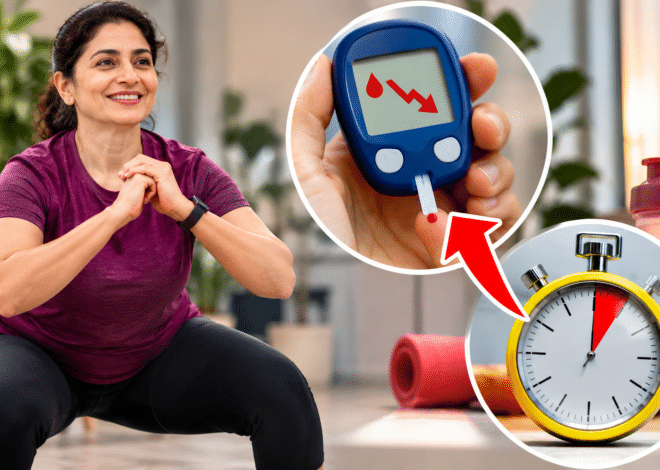
Many people ask whether simple strength exercises, such as wall sits, squats or resistance bands, help cancer survival. The honest answer is that it is not yet known. In the BJSM review, strength training alone showed no clear survival association, but that rested on a single trial of 129 people. Strength work still matters for keeping muscle and function during and after treatment, and the American Society of Clinical Oncology recommends regular aerobic and resistance exercise during treatment. Think of wall sits as a useful supplement to walking or cycling, not a replacement.
How to Bring Exercise Into Cancer Care
Access is the main barrier. National Geographic reported that exercise oncology is not yet part of standard U.S. care guidelines, so insurance typically does not cover structured programs, though roughly 2,100 cancer exercise programs exist nationwide. These steps can help you start safely. Always talk to your oncology team first.
- Ask your oncologist for a referralAsk whether your center or a local hospital runs an exercise oncology program or works with exercise physiologists.
- Get cleared for your situationBone metastases, low blood counts, neuropathy or recent surgery can change what is safe.
- Build toward 150 minutes a weekCHALLENGE participants reached roughly 150 minutes of moderate activity, such as 30-minute brisk walks five days a week.
- Add strength work twice a weekASCO recommends resistance exercise during treatment to maintain muscle and function.
- Aim to stick with at least 70%The 2026 review found stronger associations among people completing at least 70% of their program.
- Progress graduallyIncrease time or effort slowly to limit the musculoskeletal problems seen in the trial.
The Cost Question
At the 2026 ASCO meeting, Kelvin Chan of Sunnybrook Odette Cancer Centre in Toronto presented an analysis showing the CHALLENGE program was cost saving, at about $1,589 per patient, because fewer recurrences meant less spending on further cancer treatment. The program “is cost saving, and very cost effective,” Chan said. That kind of evidence could eventually push insurers to cover exercise oncology the way they cover cardiac rehabilitation after a heart attack.
- About 150 minutes a weekLevel reached in CHALLENGE
- Strength 2 days a weekASCO recommends resistance work
- Start 2 to 6 months after chemoCHALLENGE enrollment window
- Coaching for 3 yearsBiweekly, then monthly sessions
- Complete 70% or moreLinked to stronger benefits
- Talk to your care team firstEspecially with bone or nerve issues
Frequently Asked Questions
Does exercise help cancer patients live longer?
In the CHALLENGE trial, a structured exercise program after colon cancer chemotherapy lowered the risk of death by 37%, with 90.3% alive at eight years versus 83.2% in the comparison group.
How much exercise is recommended after cancer?
CHALLENGE participants reached roughly 150 minutes of moderate activity a week. ASCO also recommends regular aerobic and resistance exercise during treatment.
What does a 37% lower risk of death mean?
It is a relative figure. In absolute terms, about 7 more people per 100 were alive after eight years, and about 14 people needed to take part to prevent one death.
Does exercise reduce the chance of cancer coming back?
Yes, in the trials so far. CHALLENGE found 28% lower risk of recurrence, new cancer or death, and a 2026 review of 21 trials found 17% lower recurrence risk.
Which type of exercise is best for cancer survivors?
The 2026 BJSM review favored aerobic exercise alone or combined with strength training. Strength training alone showed no clear survival benefit, based on one small trial.
Does exercise help with advanced or metastatic cancer?
Evidence is limited. The strongest benefits were seen in early-stage disease, and researchers say more trials in advanced cancer are needed.
Is exercise oncology covered by insurance?
Usually not yet in the U.S., because it is not part of standard care guidelines. Ask your cancer center about institution-funded programs.
Is it safe to exercise during or after cancer treatment?
For most people, yes, with medical clearance. The CHALLENGE trial reported more musculoskeletal problems with exercise, 18.5% versus 11.5%, described as manageable.
The Short Version
A three-year coached exercise program after colon cancer chemotherapy lowered the risk of death by 37% in the CHALLENGE trial. In real numbers, that meant 90.3% alive at eight years versus 83.2%, about 7 more survivors per 100, with one death prevented for every 14 participants. A 2026 review of 21 trials found a 23% lower risk of death, strongest in early-stage cancer. Exercise is not a cure or a replacement for treatment, but it is now one of the best-evidenced tools survivors can add. Ask your oncology team where to start.

Omisha is a health writer passionate about turning complex medical research into clear, actionable content readers can trust. She covers everything from nutrition and mental wellness to chronic disease management, always grounding her work in credible science and real-world relevance. When she's not writing, she's usually reading up on the latest health studies or exploring new wellness trends to write about next.