Hair Shedding vs. Hair Loss: How Many Hairs a Day Is Normal — and the Signs It Is Time to Worry
Most people lose 50 to 100 hairs a day without noticing. A sudden surge two to five months after illness, stress or childbirth is usually temporary shedding, while thinning patterns, patches or a widening part point to true hair loss.
SheddingHair falls out but follicles keep working; usually regrows in 6 to 12 monthsvs.Hair lossSomething stops hair from growing; often needs diagnosis and treatment
ByThe Hair Health DeskFact-checkedAgainst AAD, Cleveland Clinic Journal of Medicine and AAFP guidanceUpdatedNovember 11, 2026ScopeU.S. adults and teens
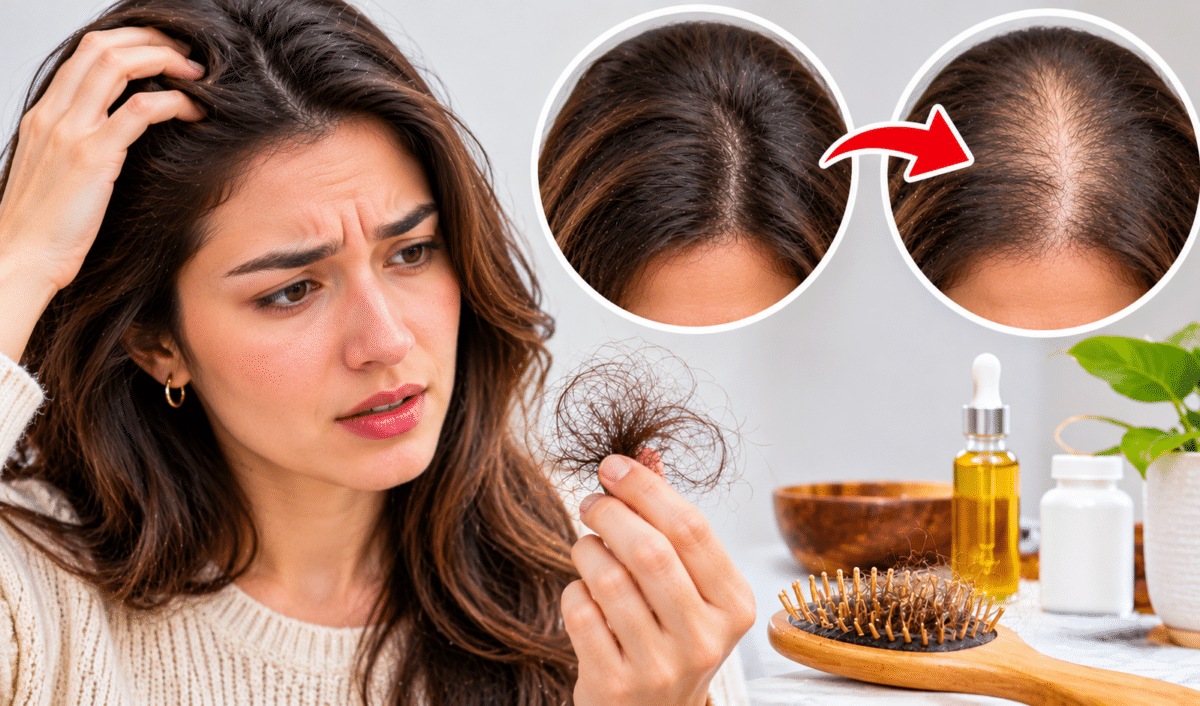
You notice it in the shower drain first. Then on your pillow, your hairbrush, the shoulders of a dark sweater. You start counting strands and wondering whether you are going bald. For millions of Americans, that moment of panic is the beginning of a search that ends in two very different places: harmless, temporary shedding, or real hair loss that needs attention.
The difference matters because the right response is almost opposite. Shedding usually fixes itself once the trigger passes, and aggressive treatments may be unnecessary. True hair loss, from genetics, an immune condition or a tight hairstyle, often keeps progressing unless it is treated. Dermatologists say a few clues, including timing, pattern and what the fallen hairs look like, can help you tell which one you are facing before you see a doctor.
What We Know
- The AAD says shedding 50 to 100 hairs a day is normal; excessive shedding is called telogen effluvium.
- Common triggers include childbirth, high fever, surgery, major stress, stopping birth control pills and losing 20 or more pounds.
- After childbirth, shedding may begin about two months later and usually peaks about four months after delivery.
- Most shedding is temporary, with hair typically returning to normal fullness in six to nine months, per the AAD.
What Is Still Unclear
- Sources differ on the normal daily range, from 50 to 100 to as high as 150 hairs.
- Why some people develop chronic shedding lasting years is not fully understood.
- There are no routine blood tests that diagnose hair loss on their own, according to the AAFP.
- Evidence on supplements for shedding without a deficiency is limited.
The Math Behind 100 Hairs a Day
Every hair on your head is on its own schedule. According to the Cleveland Clinic Journal of Medicine review by dermatologists Wilma F. Bergfeld and Daniela Mendez, published in October 2026, about 90% of follicles are in the growth phase, called anagen, at any moment, fewer than 1% are in a brief transition phase, and about 10% are resting in a phase called telogen. A resting hair stays put for about three months, then falls out as a new hair pushes up behind it.
How Many Hairs Fall Out a Day?
Counting is imperfect. People who shampoo every few days see more hair come out at once, because the hairs loosened in between all release together. Long hair also looks like much more hair in a drain than short hair. That is why dermatologists focus on change from your normal, not a single day’s count.
Shedding: When Hair Falls Out but Follicles Keep Working
The AAD defines excessive shedding as telogen effluvium. It happens when a shock to the body pushes many more follicles than usual into the resting phase at once. Because resting hairs stay in place for months, the shedding shows up long after the event, which is why many people never connect the two.
The Usual Suspects
The AAD lists common triggers: losing 20 pounds or more, childbirth, significant stress such as caring for a sick loved one, divorce or job loss, high fever, surgery, recovering from an illness and stopping birth control pills. The Cleveland Clinic review adds systemic infections, including COVID-19, thyroid problems, low iron, certain medications and too much vitamin A, noting that as little as 25,000 IU a day may cause shedding. Crash diets that cut protein are a frequent culprit.
The Shedding Timeline, Month by Month
A Postpartum Shedding Calendar
New parents are often alarmed when hair starts coming out in handfuls months after delivery. During pregnancy, many hairs stay in the growth phase longer than usual; after birth, they shift into rest together. The AAD’s timeline below shows why the shedding seems to arrive out of nowhere, and why it usually ends without treatment.
- BirthHormone levels shift; hairs begin moving into rest
- 2 monthsShedding may start, per the AAD
- 4 monthsShedding usually peaks
- 6 to 9 monthsFullness typically returns
- Beyond 9 monthsStill shedding heavily? See a dermatologist
Breakage: The Third Possibility
Not every hair in the brush fell out from the root. Hair that snaps along the shaft, from bleaching, relaxers, high heat or tight styling, can look like hair loss but is really breakage. Broken hairs are usually shorter, uneven and lack the small white bulb seen at the end of a shed hair. The AAD lists harsh hair-care products and hairstyles that pull on the hair among the causes of hair loss, and repeated breakage and tension over time can damage follicles. Cutting back on heat and chemicals, using a wide-tooth comb on wet hair and loosening tight styles often helps within a few months.
Hair Loss: When Something Stops Hair From Growing
The AAD describes hair loss, medically called anagen effluvium, as what happens when something stops hair from growing. Its list of causes includes inherited patterns, an overactive immune system, certain drugs and treatments such as chemotherapy, hairstyles that pull on the hair, harsh hair-care products and compulsive hair pulling. Unlike shedding, these do not reliably fix themselves.
How Common Are the Main Types of Hair Loss?
Hereditary pattern hair loss
Other causes
The Patterns That Point to Hair Loss
Hereditary hair loss in men usually shows as a receding hairline at the temples and thinning at the crown. In women it more often appears as a widening part and thinning on top, with the front hairline preserved. Alopecia areata, an autoimmune condition, typically causes smooth, round bald patches, and the AAFP notes about 20% of affected patients are children. Traction alopecia appears along the edges where tight braids, ponytails or extensions pull. Anagen effluvium from chemotherapy begins days to weeks after treatment and regrows one to three months after it ends.
Shedding or Hair Loss? The Side-by-Side Decoder
No checklist replaces an exam, but these clues can help you describe what you are seeing to a doctor. Several signs pointing the same way are more meaningful than any one alone.
| Clue | Points to shedding | Points to hair loss | What to do |
|---|---|---|---|
| Timing | Sudden start 2 to 5 months after an illness, birth, surgery or stress | Gradual over months or years | Write down events from the past 6 months |
| Where it thins | All over the scalp, evenly | Crown, part, temples or hairline | Take photos of the part and crown monthly |
| Patches | None | Smooth, round bald spots | See a dermatologist promptly |
| Fallen hairs | Full-length hairs with a small white bulb at the root | Short, thin or broken hairs | Look closely at strands on a white towel |
| Amount | Clumps; often more than 100 to 150 a day | May not shed much, but coverage thins | Track for 2 weeks if advised by a doctor |
| Scalp | Usually normal | May itch, scale, redden or hurt | Seek care for pain, scarring or redness |
| Course | Improves in 6 to 12 months once trigger ends | Continues or worsens without treatment | Recheck at 3 to 6 months |
What a Dermatologist’s Pull Test Shows
Doctors often start with a pull test: gently grasping a small bunch of hairs and tugging. The Cleveland Clinic review describes holding about 50 to 60 hairs; finding five or more resting hairs in one pull, or more than 15 after three pulls, supports active shedding. The AAFP describes a positive test as more than 10% of hairs, about four to six, coming out from 40 to 60. The review recommends doing it two to three days after shampooing. A negative test does not rule out other conditions.
What to Do This Week if Your Hair Is Falling Out
- Look back six monthsList illnesses, fevers, surgeries, childbirth, weight loss of 20 pounds or more, new or stopped medications and major stress.
- Photograph your part and crownSame lighting and angle every four weeks; this shows change better than counting hairs.
- Check your dietMake sure you are eating enough protein and calories, especially after dieting.
- Be gentle with your hairLoosen tight styles, lower heat and avoid harsh chemical treatments while shedding.
- Do not stop medications on your ownAsk the prescriber if a drug could be involved.
- Book a dermatologistIf shedding lasts over six months, appears in patches, or comes with scalp pain, redness or scaling.
Tests Your Doctor May Order
The Cleveland Clinic review names blood tests often used to look for treatable causes, including ferritin to check iron stores, thyroid-stimulating hormone and vitamin D. The AAFP stresses that testing should be guided by your history and exam rather than run routinely. In unclear cases, a dermatologist may examine the scalp with a magnifying device or take a small biopsy, typically a 4-millimeter punch, to tell shedding apart from pattern hair loss or scarring conditions.
- Normal: 50 to 100 a dayUp to 150 in some guidance
- Trigger 2 to 5 months agoIllness, birth, surgery, stress
- Monthly photosPart and crown, same angle
- Recheck at 6 monthsMost shedding improving by then
- Patches mean see a doctorDo not wait
- Labs if advisedIron, thyroid, vitamin D
Frequently Asked Questions
How many hairs a day is normal to lose?
The American Academy of Dermatology says 50 to 100 hairs a day is normal. A 2026 Cleveland Clinic Journal of Medicine review puts the healthy range at 50 to 150.
What is the difference between hair shedding and hair loss?
Shedding means hair falls out but follicles keep working, so it usually regrows. Hair loss means something stops hair from growing, such as genetics, an immune condition or tight hairstyles.
What causes sudden hair shedding?
Common triggers include childbirth, high fever, surgery, major stress, losing 20 or more pounds and stopping birth control pills. Shedding often starts two to five months later.
How long does telogen effluvium last?
It is usually temporary. The AAD says hair typically regains normal fullness in six to nine months; regrowth is often noticeable within 6 to 12 months once the trigger ends.
How can I tell if my hair is falling out from the root?
A shed hair usually has a small white bulb at the root end. Short, broken pieces without a bulb are more likely breakage from styling or damage.
When should I see a doctor about hair loss?
See a dermatologist if shedding lasts more than six months, you notice bald patches or a widening part, or your scalp is painful, red or scaly.
Does postpartum hair loss go away?
Yes, for most people. The AAD says postpartum shedding may start about two months after birth, peaks around four months and usually resolves within months.
Can stress make your hair fall out?
Yes. Major stress, such as divorce, job loss or caring for a sick loved one, can trigger telogen effluvium. Ongoing stress can make the shedding last longer.
The Short Version
Losing 50 to 100 hairs a day is normal, and some experts put the range at up to 150. A sudden, all-over surge two to five months after illness, childbirth, surgery, stress or major weight loss is usually telogen effluvium, which typically recovers within 6 to 12 months. True hair loss looks different: thinning at the crown or part, receding temples, round bald patches or loss along the hairline. Track changes with monthly photos, avoid stopping medications on your own and see a dermatologist for patches, scalp symptoms or shedding lasting more than six months.

Omisha is a health writer passionate about turning complex medical research into clear, actionable content readers can trust. She covers everything from nutrition and mental wellness to chronic disease management, always grounding her work in credible science and real-world relevance. When she's not writing, she's usually reading up on the latest health studies or exploring new wellness trends to write about next.