Hair CareThinning Hair2026 Evidence Guide
Best Shampoos for Thinning Hair in 2026: Which Ingredients Actually Have Evidence — and Which Are Mostly Marketing
A shampoo will not regrow a receding hairline, but a few active ingredients have clinical data showing less shedding and thicker strands. Here is how ketoconazole, piroctone olamine, zinc pyrithione and caffeine compare with popular botanical formulas.
ByThe Hair Science DeskFact-checkedAgainst peer-reviewed trials and published expert roundupsUpdatedNovember 11, 2026ScopeOver-the-counter shampoos sold in the U.S.
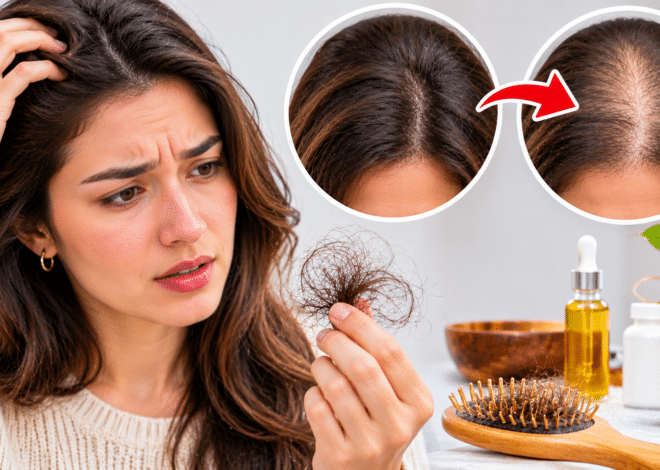
The shampoo aisle has quietly turned into a pharmacy shelf. Bottles promise “thickening,” “anti-thinning,” “DHT-blocking” and “follicle-energizing” results, with price tags from $10 to nearly $50. If your part is widening or your ponytail feels thinner, it is hard to know which claims are backed by research and which are just good copywriting.
Here is the reality check most product pages skip: even a 2026 shopping roundup of the “best” thinning-hair shampoos, published by Yahoo Health, states that no shampoo has been scientifically proven to reverse hair loss. That does not mean all shampoos are useless. A small set of ingredients, mostly ones originally developed for dandruff, have controlled trials showing less shedding and thicker hair shafts. The trick is knowing which ones, what results to expect and what to pair them with.
What We Know
- A randomized trial of 150 men found 1% ketoconazole, piroctone olamine and zinc pyrithione shampoos all reduced shedding over six months.
- Ketoconazole and piroctone olamine also increased average hair shaft thickness by 5.4% and 7.7%.
- Caffeine from a shampoo reaches hair follicles quickly; follicles were the only fast absorption route in the first 20 minutes.
- No shampoo has been proven to reverse hair loss on its own.
What Is Still Unclear
- Whether caffeine shampoos produce visible regrowth has not been shown in strong independent trials.
- Most key studies involved men; results in women are less studied.
- Proprietary “blends” in many brand-name shampoos are not tested as complete products in published trials.
- How much shampoo results add on top of minoxidil or finasteride is not well measured.
Why Shampoo Has Limits, and Where It Can Help
Shampoo spends only a minute or two on your scalp before it is rinsed away, so it has a short window to work. That is the main reason dermatologists treat it as a supporting player. Plastic surgeon Dr. Glenn Vallecillos told Yahoo Health that some shampoos may help by keeping follicles healthy and preventing damage, but that is not the same as stimulating new growth. Hair transplant surgeon Dr. Alan Bauman said consistent use for about three to six months is usually needed before any results appear.
Where shampoo does have a plausible role is the scalp environment. Inflammation, excess oil and the yeast Malassezia, which causes dandruff, may worsen shedding in people with pattern hair loss. Researchers studying ketoconazole wrote that Malassezia may contribute to the inflammatory process in androgenic alopecia. Antidandruff ingredients that calm that environment are the ones with the most consistent clinical data.
The Antidandruff Trio That Outperformed Expectations
The most useful head-to-head study was published in the International Journal of Cosmetic Science in 2002 by Franchimont and colleagues at the University of Liège. They randomly assigned 150 men with shedding linked to androgenic alopecia and dandruff to one of three 1% shampoos: ketoconazole, piroctone olamine or zinc pyrithione. Participants used them two to three times a week for six months.
How Much Each Shampoo Reduced Hair Shedding
All three reduced shedding, and dandruff and itching cleared quickly. The share of hairs in the growth phase rose in every group. But overall hair density did not change, which is the honest limit of these results: the shampoos slowed losses and thickened some existing strands rather than adding new hairs. Ketoconazole and piroctone olamine also slightly reduced scalp oil, while zinc pyrithione did not thicken hair shafts.
Growth-Phase Hairs and Strand Thickness After 6 Months
Hairs in growth phase
Hair shaft diameter
Ketoconazole Versus Minoxidil
Ketoconazole has a longer research history. A study published in Dermatology in 1998 compared 2% ketoconazole shampoo with an unmedicated shampoo, with or without 2% minoxidil. According to its abstract, hair density, hair size and the proportion of growing follicles improved “almost similarly” with ketoconazole and minoxidil. The authors called for larger controlled studies. Ketoconazole 1% shampoo is sold over the counter in the U.S.; the 2% strength requires a prescription.
Caffeine, Saw Palmetto, Biotin and Rosemary: What the Labels Leave Out
Caffeine is the best-studied of the “stimulating” ingredients, but mostly for absorption. A 2007 study in Skin Pharmacology and Physiology applied a caffeine shampoo for two minutes and found hair follicles were the only pathway for fast caffeine absorption during the first 20 minutes. A 2023 study funded by Procter & Gamble tested 1% caffeine shampoos in nine volunteers and found about 0.78% to 0.88% of the applied caffeine reached the follicles. Neither study measured hair growth.
Where Caffeine From a 1% Shampoo Ends Up
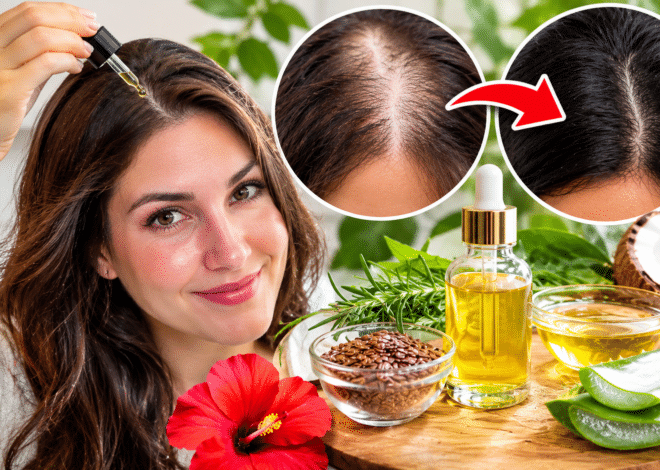
Saw palmetto, biotin, pumpkin seed oil and rosemary show up in many 2026 formulas. Yahoo Health’s roundup listed saw palmetto in at least four of its eight picks. Dr. Bauman noted men’s formulas often feature these “DHT blockers,” while women’s lean toward nourishing and hydrating. But evidence for these ingredients comes mostly from oral supplements or leave-on products, not rinse-off shampoos. Biotin only helps hair in people who are deficient, which is uncommon. Rosemary oil has a small trial as a leave-on treatment, not as a shampoo ingredient rinsed off in a minute.
The Evidence Ladder: Ranking Shampoo Ingredients
Put the studies together and a rough ranking emerges. Higher tiers have controlled human trials with hair outcomes; lower tiers rely on absorption studies, oral data or marketing.
- Tier 1Ketoconazole (1% OTC, 2% Rx)Reduced shedding 17.3% in 6 months; similar to minoxidil 2% in a 1998 study
- Tier 1Piroctone olamine (1%)Reduced shedding 16.5%; thickest strand gains, +7.7%
- Tier 2Zinc pyrithione (1%)Reduced shedding 10.1%; no strand thickening
- Tier 3Caffeine (about 1%)Reaches follicles in 2 minutes; no strong hair-count data
- Tier 4Saw palmetto, biotin, rosemary, peptidesLittle or no shampoo-specific trial data
| Ingredient | Best study | Size and length | What changed | Evidence |
|---|---|---|---|---|
| Ketoconazole | Franchimont 2002; Dermatology 1998 | 150 men, 6 months | Shedding down 17.3%; shafts up 5.4% | Strongest |
| Piroctone olamine | Franchimont 2002 | 150 men, 6 months | Shedding down 16.5%; shafts up 7.7% | Strong |
| Zinc pyrithione | Franchimont 2002 | 150 men, 6 months | Shedding down 10.1%; shafts down 2.2% | Moderate |
| Caffeine | Otberg 2007; Cosmetics 2023 | 9 volunteers, single use | About 0.8% of caffeine reached follicles | Absorption only |
| Saw palmetto | Mostly oral or leave-on data | Not shampoo-specific | Unclear in rinse-off form | Weak |
| Biotin | Helps only in deficiency | Not shampoo-specific | No benefit shown without deficiency | Weak |
| Proprietary blends | Rarely published | Varies | Unknown | Unproven |
What 2026 Shoppers Are Paying
Price is not a reliable signal of effectiveness. In Yahoo Health’s December 2025 roundup of eight shampoos marketed for thinning hair in 2026, prices ranged from about $10 for a rosemary-mint formula to $49 for a peptide shampoo-and-conditioner set. Most featured botanical or proprietary blends rather than the antidandruff actives with the strongest data. We list them here for price context only; this is not an endorsement.
Prices in One 2026 Thinning-Hair Shampoo Roundup
How to Use a Thinning-Hair Shampoo So It Has a Chance
- 2 to 3xTimes per week for medicated shampoo
- 2 min+Lather on the scalp before rinsing
- Early weeksItch and dandruff cleared quickly in the 2002 trial
- 3 to 6 moCheck shedding and photos
- 6 moFair point to judge thickness
- Pick an active ingredient, not a sloganLook for ketoconazole, piroctone olamine or zinc pyrithione on the label.
- Massage into the scalp, not just the hairThe scalp is where these ingredients work; leave the lather on for a couple of minutes.
- Use it two to three times a weekAlternate with a gentle shampoo and conditioner on other days to avoid dryness.
- Take monthly photosSame light and angle; shedding changes are hard to judge day to day.
- Pair with a proven treatment if neededAsk a dermatologist about minoxidil or prescription options for pattern hair loss.
- Stop if your scalp burns or flakes moreMedicated shampoos can dry or irritate some scalps.
Thickening and Volumizing Shampoos Are a Different Category
Many shampoos labeled “thickening” or “volumizing” work cosmetically rather than biologically. They typically use lightweight polymers, proteins or conditioning agents that coat each strand, add grip and lift hair at the root, so it looks fuller for a day. That can be genuinely useful for confidence and styling, and it pairs fine with a medicated shampoo used on other days. Just do not mistake a fuller look in the mirror for changes at the follicle. Heavy conditioners and oils on fine hair can do the opposite and flatten it, so apply conditioner mainly to the lengths, not the scalp.
Women, Men and the Same Shelf
Marketing splits thinning-hair shampoos by gender, but the active ingredients that matter work the same way on any scalp. Dr. Bauman noted that men’s formulas often feature so-called DHT blockers, while women’s tend to emphasize nourishing and hydrating, and that minoxidil and finasteride are generally effective for both sexes with dosing that differs by sex. The key 2002 shampoo trial enrolled only men, so women have less direct evidence, but there is no reason a woman with dandruff and shedding should avoid ketoconazole or piroctone olamine. Women who are pregnant, breastfeeding or considering prescription options should talk to a doctor first.
When Shampoo Is the Wrong Tool
Sudden shedding after illness, childbirth or major stress is usually temporary and does not need a special shampoo. Round bald patches, a scalp that is painful, red or scarring, or rapid thinning call for a dermatologist rather than a new bottle. And if you take biotin supplements for hair, tell your doctor before blood work; the FDA has warned that high doses of biotin can interfere with some lab test results.
- Active ingredient at 1%Ketoconazole or piroctone olamine
- 2 to 3 uses per weekAs in the shedding trial
- Scalp contact 2 minutesThe time used in caffeine tests
- Judge at 3 to 6 monthsNot after one bottle
- Monthly photosSame light and angle
- Dermatologist for patchesOr painful, red scalp
Frequently Asked Questions
What is the best shampoo for thinning hair?
The strongest evidence supports shampoos with ketoconazole or piroctone olamine. In a six-month trial, 1% versions cut shedding by about 17% and thickened hair shafts.
Does ketoconazole shampoo help hair loss?
It can reduce shedding and modestly thicken strands. A 2002 trial found 1% ketoconazole cut shedding 17.3% over six months, though overall hair density did not change.
Do caffeine shampoos work for hair growth?
Caffeine from a shampoo reaches hair follicles within minutes, but strong independent trials showing regrowth are lacking.
How often should I use a thinning hair shampoo?
The key 2002 trial used medicated shampoos two to three times a week for six months. Alternate with a gentle shampoo on other days.
Can shampoo regrow hair?
No shampoo has been proven to reverse hair loss on its own. The best ones reduce shedding and support scalp health; minoxidil and prescription options have stronger evidence for regrowth.
Is Nizoral good for hair loss?
Nizoral contains ketoconazole, which has the most clinical evidence among shampoo ingredients for reducing shedding. The over-the-counter version is 1%; 2% requires a prescription.
Do biotin shampoos work?
Biotin helps hair only in people who are deficient, which is uncommon, and there is little evidence for biotin in rinse-off shampoos.
How long does it take for a thinning hair shampoo to work?
Experts say expect three to six months of consistent use. The main shampoo trial measured results at six months.
The Short Version
The best shampoos for thinning hair in 2026 are the ones with active antidandruff ingredients, not the ones with the boldest claims. Ketoconazole and piroctone olamine at 1% cut shedding by about 17% and thickened strands in a six-month trial, with zinc pyrithione a step behind. Caffeine reaches follicles but lacks regrowth data, and saw palmetto, biotin and rosemary shampoos have little direct evidence. Use a medicated shampoo two to three times a week for at least three to six months, and pair it with proven treatments if your hair loss is progressing.

Omisha is a health writer passionate about turning complex medical research into clear, actionable content readers can trust. She covers everything from nutrition and mental wellness to chronic disease management, always grounding her work in credible science and real-world relevance. When she's not writing, she's usually reading up on the latest health studies or exploring new wellness trends to write about next.