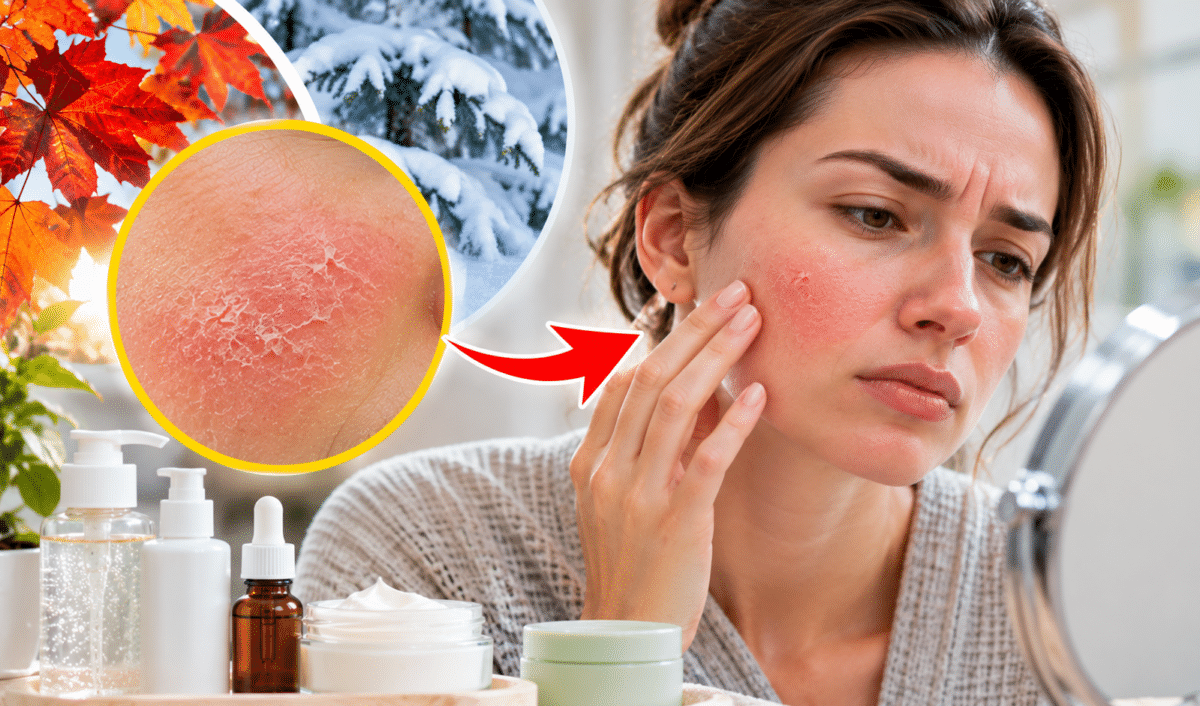
How to Review Your Skincare When Your Skin Feels Unstable During the Seasonal Switch
Stinging, flaking and surprise breakouts as autumn turns to winter usually signal a stressed skin barrier, not a need for more products. Here is a dermatologist-backed audit to decide what to pause, what to keep and how to rebuild.
The routine that kept your skin calm all summer suddenly stings. Your moisturizer feels like it is not doing anything. A serum you have used for months now leaves your cheeks pink, and a few breakouts appear where they never did before. It is tempting to buy something new to fix it. Dermatologists usually suggest the opposite: when skin feels unstable during a seasonal change, the fastest route back to calm is to audit what you already use, strip the routine back, and rebuild one product at a time.
Why So Many People Feel Their Skin “Turn” in Late Autumn
Skin sensitivity is extremely common. A 2020 systematic review and meta-analysis in the Journal of the European Academy of Dermatology and Venereology pooled 26 studies covering 51,783 people in 18 countries and found that 71% reported some degree of sensitive skin. A later review summarizing that research put the share reporting moderate to severe sensitivity at about 40%. A 2019 review in Frontiers in Medicine estimated that 60% to 70% of women and 50% to 60% of men report some sensitivity.
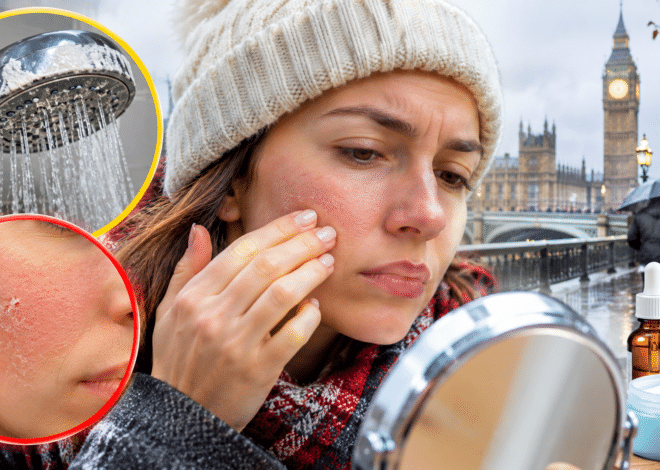
Seasons push people toward that edge. As Cleveland Clinic dermatologist Jennifer Lucas puts it, cold outdoor air, dry indoor heat and long hot showers all combine, “and it’s easy to see how dry skin becomes an issue.” Chronic conditions flare too. The National Eczema Association estimates that about 10% of Americans, or 31.6 million people, have eczema, and dermatologists report more flares in cold months.
Percent of people surveyed. Sources: JEADV meta-analysis (2020); review in Frontiers in Medicine (2019), using midpoints of reported ranges for women and men; China survey of 408 women cited in the same review.
Self-reported rates vary widely by country and survey method.
What “Unstable Skin” Usually Means
“Unstable” is not a medical term, but it describes a recognizable pattern: skin that reacts unpredictably to products and conditions it tolerated before. The usual culprit is a compromised skin barrier, the outermost layer that holds water in and keeps irritants out. When humidity falls and heating dries indoor air, the barrier loses water faster. Ingredients that work by gently disrupting the skin, such as exfoliating acids and retinoids, then penetrate a weakened layer and sting.
It is worth separating the possibilities. Dryness and irritation from the season are the most common causes. Allergic contact dermatitis, a true allergy to an ingredient such as a preservative or fragrance, can look similar; the AAD notes it can make skin red, itchy and swollen. Flares of eczema, rosacea or psoriasis are a third category. Hormonal changes, stress, illness and travel can all overlap with the season, which is why a structured audit beats guesswork.
Label words that do not guarantee gentleness
Part of an honest audit is reading labels skeptically. The AAD cautions that products labelled “hypoallergenic,” “natural” or “clean” can still cause allergic reactions or irritation, because those terms have no strict regulatory definition. Plant extracts and essential oils, often marketed as soothing, are a common source of fragrance allergens. “Fragrance-free” is the more useful phrase to look for, though “unscented” products can still contain masking fragrance, so the ingredient list matters more than the front of the bottle.
Clues from where and when it flares
The pattern of a flare carries information. Dryness that worsens after showers and improves on humid days points to the environment. A rash confined to where a single product is applied, such as the eyelids after a new eye cream, points to that product. Breakouts that cluster around the jaw in a monthly rhythm may be hormonal rather than seasonal. Writing down three things each day for two weeks, what you applied, how your skin felt and whether the heating was on, turns guesswork into a record you or a dermatologist can actually use.
What We Know
- Dermatologists advise 5- to 10-minute lukewarm showers in dry seasons.
- Moisturizing on damp skin, within minutes of washing, locks in water.
- Fragrance and retinoids are common hidden irritants.
- The AAD recommends patch testing products twice daily for 7 to 10 days.
- Thicker creams and ointments suit winter skin better than thin lotions.
What Is Still Unclear
- Whether costly barrier creams outperform plain petrolatum for most people.
- How much popular routines such as “skin cycling” actually help.
- Why self-reported sensitivity varies so much between countries.
- Exactly how long an individual barrier takes to recover; it varies.
The Audit: Sorting Every Product Into Pause, Swap or Keep
Gather everything you put on your face in a typical week, including makeup removers and spot treatments. Then sort each item with the table below. The aim is not to throw products away; it is to give the barrier a quieter environment so you can see what is really causing trouble.
| Product type | During unstable phase | Why | When to reintroduce |
|---|---|---|---|
| Foaming or “squeaky clean” cleanser | Swap | Strips oils from a stressed barrier | Keep the gentle swap all winter |
| Exfoliating acids (AHA, BHA) | Pause | Penetrate a weakened barrier and sting | After 2 to 4 calm weeks, start 1 to 2 nights a week |
| Retinoids and retinol | Pause | Common winter irritant | After barrier recovers, 2 to 3 nights a week |
| Fragranced toners and mists | Pause | Fragrance is a top hidden irritant | Consider replacing with fragrance-free |
| Physical scrubs and brushes | Pause | Mechanical friction worsens flaking | Only if skin is fully calm |
| Vitamin C serum | Swap or pause | Low-pH forms can sting | Gentler derivative or after recovery |
| Moisturizer | Keep, go thicker | Creams and ointments seal water in | Use twice daily throughout |
| Broad-spectrum sunscreen | Keep | UV exposure continues in winter | Every morning, no break |
General guidance based on AAD, Cleveland Clinic, Harvard Health and UC Davis Health dermatologist advice. Prescription treatments should only be paused on a clinician’s advice.
The four-product baseline
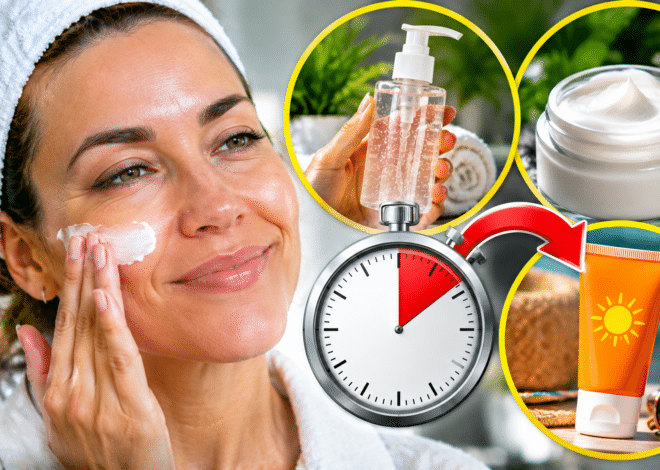
For most people, the reset routine is four items: a gentle, fragrance-free cleanser, a thicker moisturizer for night, a lighter moisturizer or the same cream in the morning, and sunscreen. UT Southwestern dermatology advice is to choose a fragrance-free cream or ointment, not a lotion, and apply it within 2 to 3 minutes of getting out of the shower. UC Davis Health dermatologists add that thicker moisturizers that come in jars, or ointments such as petroleum jelly, suit winter skin.
A Four-Week Reset, Stage by Stage
The plan below is indicative, based on common dermatologist practice. Barrier recovery speed varies, so move to the next stage only when skin feels calm.
- Days 1 to 3Strip backCleanser, moisturizer and sunscreen only; stop everything else.
- Days 4 to 14RebuildThicker cream at night, shorter showers, humidifier on.
- Days 15 to 28ReintroduceAdd back one product at a time, 7 to 10 days each.
- Week 6 and beyondEvaluateJudge actives over a full skin cycle of 4 to 6 weeks.
Upper end of typical timelines, in weeks. Sources: AAD patch test guidance; dermatologists quoted by Ulta Beauty education and NewBeauty. Indicative, varies by person and product.
Hydration benefits are often felt within days; structural changes take months.
Fixing the Habits Around the Products
Often the routine is not the problem; the bathroom is. The AAD recommends closing the bathroom door, using warm rather than hot water, limiting showers or baths to 5 or 10 minutes, and washing with a gentle, fragrance-free cleanser. Harvard Health suggests limiting showers to once a day for no more than 10 minutes and running a humidifier to keep indoor humidity above 30%. Cleveland Clinic’s dermatologists say it is fine to skip a shower day if you have not been sweaty or dirty.
- Turn the shower down from hot to lukewarm and set a 10-minute limit.
- Pat skin dry with a towel rather than rubbing.
- Apply moisturizer within 3 minutes, while skin is still damp.
- Run a humidifier in the bedroom to keep air above 30% humidity.
- Switch to fragrance-free, dye-free laundry detergent if your body skin itches too.
- Keep hand cream by every sink; hands take the most washing in winter.
Moisturizers work largely by trapping water already in the skin. Cleveland Clinic advises applying within three minutes of a shower, before dry air evaporates the moisture on your skin. An inexpensive cream applied at the right moment often outperforms an expensive serum applied to dry skin an hour later.
A Worked Example: Rebuilding a Nine-Product Routine
Consider a hypothetical routine of nine products that started stinging in November. The arithmetic shows why reintroduction takes patience, and why adding several products at once makes it impossible to identify the trigger.
From nine products back to a stable routine
- Starting routine9 products
- Kept as core (cleanser, 2 moisturizers, sunscreen)4 products
- Paused (acid toner, retinol, vitamin C, fragranced mist, scrub)5 products
- Products worth reintroducing after review3 products
- Patch test time per product at 7 to 10 days21 to 30 days total
- Full reset plus reintroduction, from day 1about 5 to 6 weeks
Hypothetical example. 3 products times 7 to 10 days equals 21 to 30 days, added to a 14-day rebuild, totals 35 to 44 days, about 5 to 6 weeks.
Number of products in the example routine at each stage. Hypothetical illustration, not a prescription.
- Buying more products to fix a reaction instead of removing some.
- Adding two new items in the same week, then not knowing which caused trouble.
- Trusting “hypoallergenic,” “natural” or “clean” labels; the AAD says they can still irritate.
- Exfoliating flakes away, which further damages the barrier.
- Dropping sunscreen because it is cold or cloudy.
How to Patch Test the Dermatologist Way
The AAD’s guidance is specific. Apply the product to a small test spot twice daily for seven to 10 days, using the amount you would normally use and leaving it on for as long as you normally would. Dermatologist Bruce Brod notes that if a reaction is severe and not relieved with cool compresses or petroleum jelly, you may need to see a dermatologist, who can perform formal patch testing to identify the cause.
Reading the result
No reaction after 10 days suggests the product is likely tolerable. Mild redness or itch that fades quickly may mean the product is too strong for now; try again later or at lower frequency. Swelling, blisters or spreading rash suggest allergic contact dermatitis; stop using the product and note its full ingredient list so you can avoid the trigger in other products.
When to Stop Auditing and See a Dermatologist
Self-audits help with routine-related irritation, but some symptoms point to conditions that need medical care. The ladder below is indicative, based on common clinical guidance.
Dryness and stinging ease with the stripped-back routine: keep going and reintroduce slowly.
Redness or flaking persists despite a simple routine: consider an appointment.
Rash spreads, itch disrupts sleep, or skin cracks and bleeds: see a dermatologist soon.
Swelling of face or lips, blistering, oozing, fever or signs of infection: seek prompt care.
Hormonal shifts such as menopause, pregnancy or menstrual cycles, new medications, stress and illness can all change how skin behaves. If your skin changes do not track with the weather or persist into spring, mention them to a clinician, who can look for causes beyond the season.
Frequently Asked Questions
Why is my skin suddenly sensitive in winter?
Cold outdoor air, dry indoor heating and hot showers strip moisture from the skin barrier. A weakened barrier lets ingredients such as acids, retinoids and fragrance irritate skin that tolerated them in summer.
Should I stop using retinol when my skin is irritated?
Many dermatologists suggest pausing over-the-counter retinol while skin is irritated, then restarting 2 to 3 nights a week once it calms. Ask your prescriber before stopping a prescription retinoid.
How long does it take to repair the skin barrier?
Mild irritation often improves within 1 to 2 weeks of a gentle routine. Skin renews roughly every 28 days, longer with age, so allow about a month before judging a full recovery.
How do I patch test a new skincare product?
The American Academy of Dermatology recommends applying the product to a small test area twice daily for 7 to 10 days, using a normal amount and leaving it on as long as you usually would.
How long should I shower in winter?
Dermatologists recommend 5 to 10 minutes in warm or lukewarm, not hot, water, followed by moisturizer within a few minutes while skin is still damp.
Do humidifiers help dry skin?
Yes. Harvard Health suggests using a humidifier to keep indoor humidity above 30% during dry winter months, which can make a noticeable difference for skin.
How many skincare products should I use?
There is no fixed number, but during unstable periods many dermatologists recommend a minimal routine: gentle cleanser, moisturizer and sunscreen, adding other products back one at a time.
When should I see a dermatologist for sensitive skin?
See a dermatologist if irritation persists beyond about 4 weeks of a simple routine, if a rash spreads or disrupts sleep, or if you notice swelling, blistering, oozing or signs of infection.
The Short Version
When skin feels unstable as the seasons change, the barrier is usually the problem and fewer products are usually the answer. Pause exfoliants, retinoids, scrubs and fragranced products. Keep a gentle cleanser, a thicker fragrance-free moisturizer and sunscreen. Shower for 5 to 10 minutes in lukewarm water, moisturize within 3 minutes, and run a humidifier above 30%. After two calm weeks, reintroduce one product at a time, patch testing each for 7 to 10 days. If irritation lasts beyond about 4 weeks or spreads, see a dermatologist.

Omisha is a health writer passionate about turning complex medical research into clear, actionable content readers can trust. She covers everything from nutrition and mental wellness to chronic disease management, always grounding her work in credible science and real-world relevance. When she's not writing, she's usually reading up on the latest health studies or exploring new wellness trends to write about next.