Skincare Trends Barrier and Balance
What Is “Skin Nurturing”? Why the New Focus Is Balancing Your Skin Instead of Fixing It — and What the Science Supports
The idea behind the term is simple: fewer harsh steps, more support for the skin’s own barrier, pH and moisture. A 2026 study adds a reason to care, linking larger product routines to much higher rates of barrier damage.
By The Beauty and Health DeskFact-checked against peer-reviewed dermatology research, American Academy of Dermatology guidance and clinical sourcesUpdated November 14, 2026Scope U.S. adults, everyday skincare
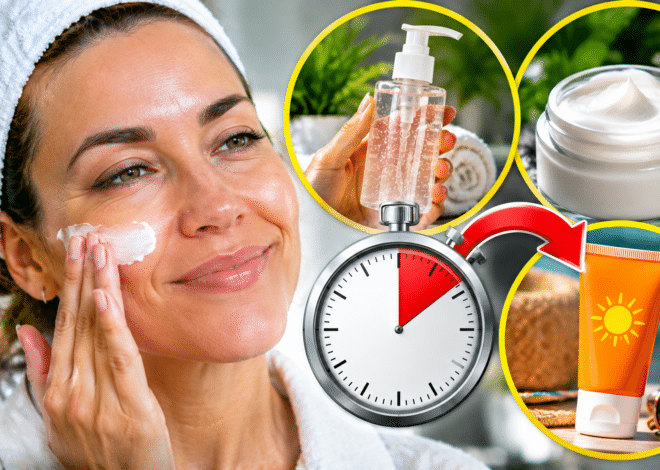
Your skin feels tight after cleansing, then oily by noon. Your cheeks sting when you apply the serum you bought for glow, and a new spot appears just as the old one fades. Many people respond the same way: add another product. “Skin nurturing” is a name for the opposite instinct. Instead of attacking every concern with a new active, it asks what the skin needs to restore its own balance.
The phrase is a beauty term, not a medical diagnosis, and you will see it used loosely in marketing. But the ideas underneath it, protecting the skin barrier, respecting its slightly acidic surface and avoiding overload, line up with what dermatologists have said for years. The American Academy of Dermatology puts it plainly: “less is more when it comes to skin care.” New research gives that advice numbers.
What We Know
- The skin barrier keeps water in and irritants out, and harsh routines can weaken it.
- Healthy skin surface is slightly acidic, generally in the 4 to 6 pH range.
- Using more products was linked to more barrier damage in a 2026 clinic study.
- Most adults report some degree of sensitive skin.
What Is Still Unclear
- There is no standard definition of “skin nurturing”; brands use it differently.
- Whether specific “balancing” products work better than basic moisturizers.
- How much the skin microbiome can be changed by topical products.
- Whether the 2026 study’s findings apply beyond acne patients in one clinic.
From Correcting to Balancing
For much of the past decade, skincare marketing focused on correction: acids to resurface, retinoids to renew, scrubs to polish, peels to brighten. Each can be useful. The problem comes when people stack them. A routine with an exfoliating toner, an acid serum, a retinoid and a scrub can leave the outer layer of skin, the stratum corneum, under constant stress. That layer is only about 0.01 to 0.03 millimeters thick, according to the skincare database SkinSort.
Skin nurturing reframes the goal. Instead of asking which active will fix a concern fastest, it asks whether the skin’s basic functions are working: holding moisture, keeping out irritants, producing a normal amount of oil and maintaining its slightly acidic surface. When those are in balance, many concerns, from tightness to reactive redness, often ease on their own.
The Three Things Being Balanced
Think of the barrier as a brick wall: skin cells are the bricks and a mix of fats, mainly ceramides, cholesterol and fatty acids, is the mortar, as Dallas esthetician Lauren Munson explains in a guide to barrier-first care. The second element is the acid mantle, a slightly acidic film on the surface. The third is the balance of water and oil. Strip the oil too often and some skin responds with dryness, some with more shine, and some with both, which is why “oily but dehydrated” is a common complaint.
The Numbers Behind “Less Is More”
The clearest new evidence comes from Turkey. In a cross-sectional study published in 2026 in the Journal of Cosmetic Dermatology, researchers Şen and Avcı surveyed 408 patients aged 12 to 45 at a dermatology clinic, most of them women, about their skincare habits and examined them for acne and barrier damage. The more products people used, the more often their skin showed barrier damage or irritation.
Barrier Damage Rises With the Number of Products
Where people got their advice mattered too. Barrier damage was found in 64.3% of those who bought products after seeing them on social media, versus 10.2% of those who did not, and in 53.0% of people who followed only influencers versus 8.3% of those who followed only dermatologists. Following dermatologists was linked to lower odds of barrier damage. Because the study captured one point in time, it cannot prove cause, and people with problem skin may simply try more products.
Advice Source and Barrier Damage
Bought products from social media: no vs yes
Followed dermatologists only vs influencers only
Severe acne: non-purchasers vs social media purchasers
Severe acne: dermatologist-only vs influencer-only followers
Why Your Skin Is Slightly Acidic, and Why It Matters
Healthy skin surface pH generally falls between about 4 and 6, slightly acidic. This acid mantle helps barrier enzymes work and favors friendly microbes over harmful ones. Many traditional bar soaps are alkaline, often around pH 9 to 10, which is one reason they can leave skin feeling tight. Most modern gentle cleansers, sometimes labeled syndet or pH-balanced, are formulated closer to skin’s natural range.
Where Skin Sits on the pH Scale
Hot water, frequent washing and harsh surfactants can all push the surface out of balance temporarily. Skin generally recovers, but repeated stress adds up. That is why the AAD advises washing no more than twice a day with lukewarm water and a gentle, non-abrasive cleanser, and why balance-focused routines emphasize what you remove as much as what you add.
Sensitive Skin Is the Norm, Not the Exception
If your skin reacts easily, you are in the majority. A review by researcher Miranda Farage in Frontiers in Medicine found that about 60% to 70% of women and 50% to 60% of men report some degree of sensitive skin. In a 2009 U.S. survey of 1,039 adults cited in that review, the face was the most commonly reported sensitive area.
How Many Americans Report Sensitive Skin
Reading Your Skin’s Signals
Skin nurturing starts with paying attention. The table below pairs common signals with what they may mean and a balance-first response. Signs of a stressed barrier listed here, such as persistent dryness, new stinging, redness and dehydrated shine, are drawn from clinical skincare guidance. If symptoms are severe or do not improve, see a board-certified dermatologist, since conditions like eczema, rosacea and acne may need medical treatment.
| What you notice | What it may mean | Nurturing move | Pause for now | Give it |
|---|---|---|---|---|
| Tight after washing | Cleanser too harsh or water too hot | Gentle cleanser, lukewarm water | Foaming or bar soap | 1 to 2 weeks |
| Products suddenly sting | Weakened barrier | Bland moisturizer with ceramides | Acids, retinoids, scrubs | 2 to 4 weeks |
| Oily but flaky | Dehydrated, over-stripped skin | Lightweight hydrating moisturizer | Alcohol-based toners | 2 to 4 weeks |
| Redness and warmth | Irritation, or possible rosacea | Fragrance-free basics; see a dermatologist if persistent | Fragrance, essential oils | 2 weeks, then seek care |
| Rough, uneven texture | Dryness or buildup | Moisturize; reintroduce gentle exfoliation once weekly | Daily exfoliation | 4 weeks |
| Breakouts after new products | Irritation or clogged pores | Return to proven basics; add one acne treatment slowly | Multiple new products at once | 4 to 8 weeks |
The time frames in the “Give it” column are indicative, based on common clinical guidance such as the 2 to 4 weeks of consistent care that esthetician Munson cites for barrier repair. Individual skin varies.
A Four-Week Balance Reset
If your skin feels reactive, a short reset can help you see what it does on its own. The plan below is an indicative schedule drawn from barrier-first clinical guidance; your dermatologist may recommend something different, especially if you use prescription treatments.
- Days 1 to 3Strip back to cleanser, moisturizer and SPF 30 or higher. Pause acids, scrubs and retinol.
- Week 1 to 2Wash at most twice a day with lukewarm water. Moisturize damp skin.
- Week 2 to 4Add a barrier-support moisturizer with ceramides if dryness persists.
- Week 4 and onReintroduce one active, 1 to 2 times a week, and watch for 2 weeks.
- Simplify firstKeep a gentle cleanser, a moisturizer and a broad-spectrum SPF 30 sunscreen; the AAD calls these the basics.
- Lower the heatUse lukewarm water and pat dry; hot water and rough towels add stress.
- Feed the barrierLook for ceramides, cholesterol, glycerin or niacinamide in a fragrance-free moisturizer.
- Bring back actives one at a timeStart 1 to 2 times a week and wait about 2 weeks before adding another.
- Check your sourcesIn the 2026 study, people who followed dermatologists had far lower rates of barrier damage than influencer-only followers.
- Know when to get helpSee a dermatologist for persistent redness, severe acne, rashes or symptoms that last beyond 4 weeks.
Ingredients That Support Balance
Ingredients commonly recommended for barrier support include ceramides, which replenish the skin’s own lipids; humectants such as glycerin and hyaluronic acid, which draw in water; niacinamide, which can help with redness and oil; and simple emollients like squalane. Clinical sources such as the Arch and Skin guide also suggest avoiding fragrance, essential oils, alcohol-based toners and harsh scrubs while the barrier recovers.
Balance Changes With the Seasons
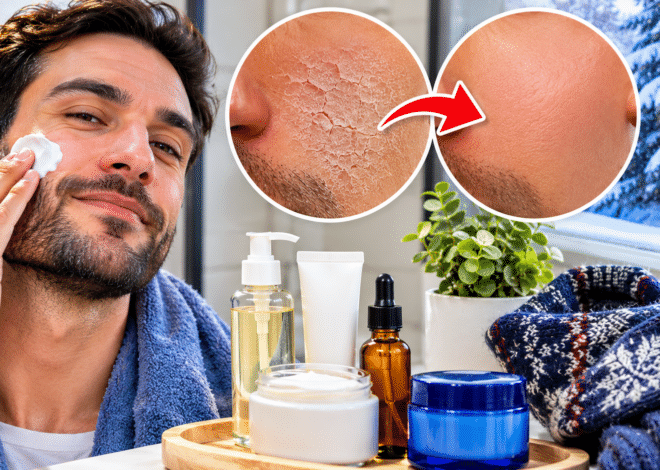
Balancing is not a fixed formula. Many people find their skin drier in winter, when cold air outdoors and heated air indoors pull moisture from the surface, and oilier in humid summer months. A nurturing approach adjusts the texture of products rather than adding new steps: a richer cream in January, a lighter lotion or gel in July, with the same gentle cleanser and daily sunscreen year-round. The same logic applies after travel, illness or a stressful stretch, when skin often looks duller or more reactive. Scaling back to basics for a week or two is usually more helpful than reaching for a stronger treatment.
Where the Microbiome Fits
The skin microbiome, the community of bacteria and other microbes on the surface, is a growing part of the “balance” conversation. Its slightly acidic environment favors helpful microbes. Some brands now market probiotic or “microbiome-friendly” products, but research on whether topical products meaningfully reshape the skin microbiome is still early. The more reliable step is avoiding the over-cleansing and harsh products that disrupt the surface in the first place.
- 3 core productsCleanser, moisturizer, SPF 30+
- Wash 2 times a day maxLukewarm water, fingertips
- 1 active at a timeStart 1 to 2 times a week
- Allow 2 to 4 weeksFor barrier recovery
- Skin pH 4 to 6Choose gentle cleansers
- See a dermatologistIf symptoms last over 4 weeks
Frequently Asked Questions
What does skin nurturing mean?
It is a beauty term for caring for skin by supporting its natural barrier, pH, moisture and oil balance, using gentle products and fewer harsh actives, rather than aggressively correcting every concern.
Is skin nurturing the same as barrier repair?
They overlap. Barrier repair focuses on restoring a damaged barrier, while skin nurturing is a broader approach to keeping skin balanced day to day.
How many skincare products should I use?
Most people need only a gentle cleanser, moisturizer and sunscreen, plus one targeted treatment if needed. A 2026 study found barrier damage in 77.8% of people using more than five products.
What pH is healthy skin?
Healthy skin surface is slightly acidic, generally in the range of about 4 to 6.
How long does it take to repair a damaged skin barrier?
Often about 2 to 4 weeks of consistent, gentle care, though it varies by person and cause.
What are signs of a damaged skin barrier?
Persistent dryness, stinging with products, redness, rough texture, breakouts and skin that feels oily yet dehydrated.
Should I stop using retinol or acids?
If your skin is irritated, pausing them for a few weeks and reintroducing one at a time, 1 to 2 times a week, is a common approach. Do not stop prescription treatments without asking your doctor.
Is sensitive skin common?
Yes. Surveys suggest about 60% to 70% of women and 50% to 60% of men report some degree of sensitive skin.
The Short Version
Skin nurturing is a beauty term for a balance-first approach: protect the barrier, respect skin’s slightly acidic pH of about 4 to 6, and avoid overloading it with products. A 2026 study of 408 patients linked more products to more barrier damage, from 20.4% with one or two products to 77.8% with more than five. Start with a gentle cleanser, moisturizer and SPF 30 sunscreen, add one active at a time and give skin 2 to 4 weeks to settle. See a dermatologist for persistent problems.

Omisha is a health writer passionate about turning complex medical research into clear, actionable content readers can trust. She covers everything from nutrition and mental wellness to chronic disease management, always grounding her work in credible science and real-world relevance. When she's not writing, she's usually reading up on the latest health studies or exploring new wellness trends to write about next.